A customer data platform is a centralised system that collects, unifies, and activates customer data from multiple sources to create a single, persistent profile for every individual. Unlike tools that simply store data, a CDP makes that data usable in real time, powering personalised marketing across every channel. Below, we answer the most common questions marketers ask before investing in one.
How does a customer data platform actually work?
A customer data platform works by ingesting data from every touchpoint a customer has with your brand, stitching that data into a unified profile, and then making those profiles available to your marketing tools for activation. The core process runs in three stages: collect, unify, and activate.
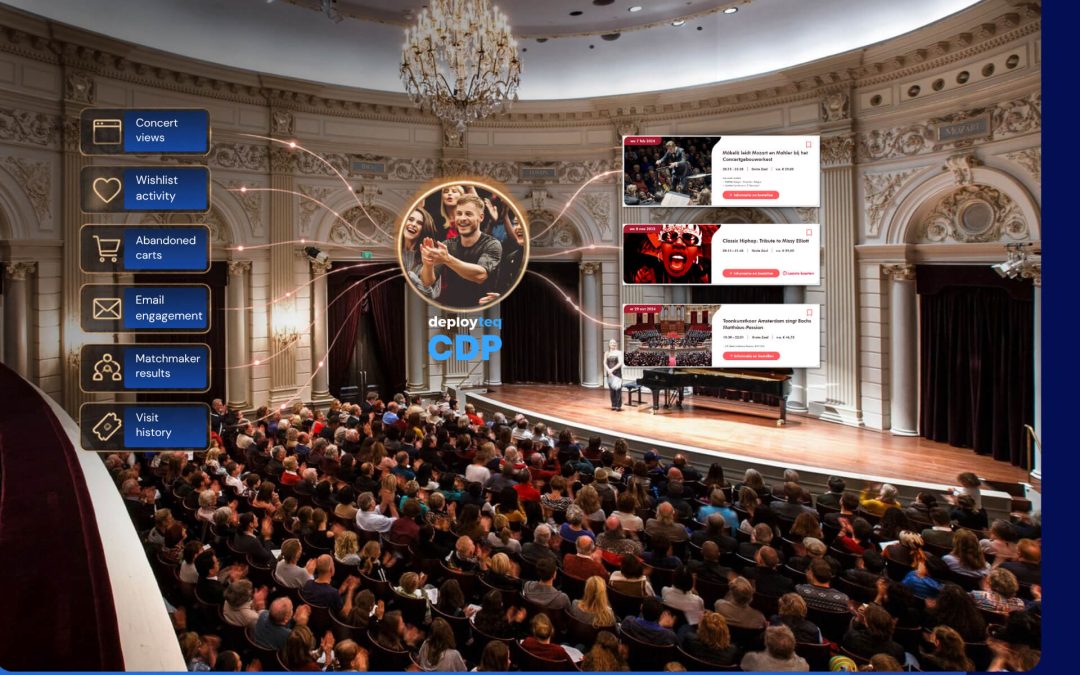
First, the CDP pulls in data from sources like your website, email platform, CRM, app, and point-of-sale system. It then resolves identity across those sources, matching a website visitor to an email subscriber to a loyalty card holder, creating one coherent profile. That profile updates continuously as new interactions happen.
The activation layer is where the value becomes tangible. Once profiles are unified, you can build precise segments, trigger automated journeys, and run predictive models like RFM scoring or next-best-offer logic. The result is that your campaigns reflect what a customer actually did, not just what you assumed about them.
What data does a customer data platform collect?
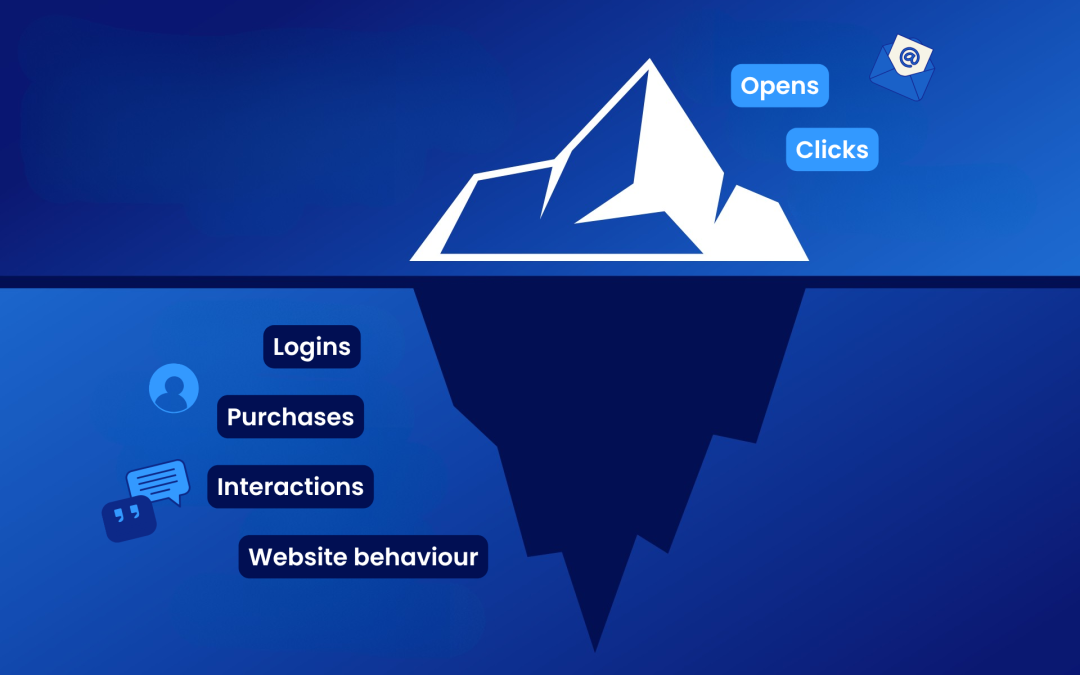
A CDP collects three broad categories of customer data: behavioural, transactional, and profile data. Behavioural data includes website visits, email opens, and app interactions. Transactional data covers purchases, returns, and booking history. Profile data includes demographics, preferences, and consent records.
Beyond these three, a well-configured CDP also ingests contextual signals, such as device type, location data, and real-time session behaviour. This breadth is what separates a CDP from simpler tools. Rather than capturing one slice of the customer journey, it captures the full picture.
Critically, a CDP also tracks consent and data preferences at the individual level. For marketers operating under GDPR or similar frameworks, this makes compliance far more manageable, because consent status travels with the profile rather than sitting in a separate system.
What’s the difference between a CDP, a CRM, and a DMP?
The key distinction is this: a CRM manages relationships with known customers, a DMP handles anonymous audience data for advertising, and a CDP unifies all customer data into persistent, addressable profiles for personalised marketing across every channel.
CRM vs CDP
A CRM is built around sales workflows. It tracks contacts, deals, and account history, and it is typically populated manually by sales or support teams. A CDP, by contrast, ingests data automatically from digital touchpoints and is designed for marketing activation rather than relationship management. The two tools complement each other rather than compete.
DMP vs CDP
A data management platform is built for programmatic advertising. It works primarily with anonymous, cookie-based data and is optimised for short-term audience targeting. Profiles in a DMP expire quickly. A real-time customer data platform builds durable profiles tied to known individuals, making it far more useful for retention, lifecycle marketing, and cross-channel personalisation.
What are the main benefits of using a CDP?
The main benefits of a CDP are a unified single customer view, smarter segmentation, real-time personalisation, and reduced reliance on manual data work. Together, these translate directly into more relevant campaigns and stronger customer lifetime value.
- Single customer view: Every interaction, across every channel, is visible in one place. No more siloed data between your email tool, CRM, and web analytics.
- Smarter segmentation: Build segments based on real behaviour and predictive signals, not just demographic fields. Segment by purchase frequency, engagement recency, or predicted churn risk.
- Real-time triggers: React to customer behaviour as it happens. A retail customer who browses a product three times without purchasing can enter a personalised sequence within minutes.
- Reduced data wrangling: Marketing teams spend less time extracting and cleaning data, and more time building campaigns that actually reach the right people.
- Better compliance: Consent and preference data is centralised, making it easier to honour opt-outs and maintain regulatory compliance across channels.
Which businesses actually need a customer data platform?
A CDP delivers the most value to businesses with high customer volumes, multiple marketing channels, and fragmented data sources. If your team regularly struggles to connect email behaviour with purchase data, or if personalisation is limited by what your ESP can see, a CDP is likely the missing layer.
In practice, the sectors that benefit most include retail and e-commerce, travel and leisure, financial services, and entertainment. A travel brand managing booking windows, loyalty tiers, and destination-based triggers across email, SMS, and app needs a unified data layer to make those journeys coherent. A retailer running cart recovery, stock alerts, and post-purchase flows across thousands of SKUs faces the same challenge.
Businesses that are still running on a single-channel email tool and have a relatively small, homogeneous customer base may not need a CDP yet. But if you are scaling, diversifying channels, or finding that your email marketing platform cannot access the data it needs to personalise effectively, that is the signal to start evaluating one.
How does a CDP integrate with marketing automation?
A CDP integrates with marketing automation by feeding unified, real-time customer profiles directly into campaign logic. Instead of your automation platform working with incomplete or delayed data, it draws on the full customer profile to determine which segment a person belongs to, what message they should receive, and when to send it.
The integration works in both directions. Marketing automation platforms send engagement data back to the CDP, so every email open, SMS click, or push notification interaction enriches the customer profile further. Over time, this creates a feedback loop where your data gets sharper and your campaigns get more precise.
For teams running complex lifecycle journeys, this connection is transformative. A finance brand can trigger a timely product alert based on a combination of transaction history, engagement recency, and predicted next action. An entertainment brand can personalise content recommendations based on viewing behaviour updated in real time. The CDP does not replace the automation platform; it gives it far better data to work with.
How Deployteq’s CDP powers your marketing
We built our Customer Data Platform to sit at the heart of your marketing stack, not on the edge of it. Here is what that means in practice:
- 360-degree customer profiles: We unify all your customer data into intelligent profiles that update in real time, giving every campaign a complete picture of who it is talking to.
- Intelligent modelling built in: RFM scoring, next-best-offer logic, and full lifecycle insights are available directly within your campaign workflows, no data science team required.
- Seamless cross-channel activation: Profiles connect directly to email, SMS, WhatsApp, push, and web campaigns, so your data and your delivery are always in sync.
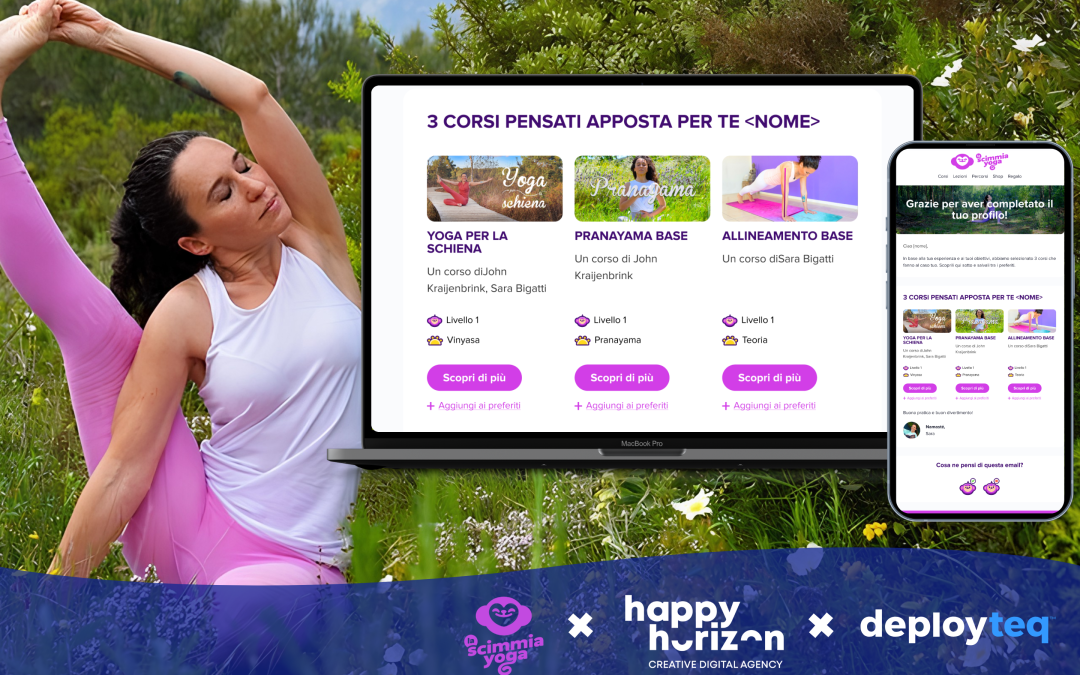
- Hyper-personalised journeys: Build segments and triggers based on real behaviour, not assumptions, and deliver content that actually moves customers through their lifecycle.
If your current stack is leaving data on the table, we would love to show you what a connected setup looks like. Book a personalised demo and see how Deployteq’s CDP works alongside your existing channels to drive results you can measure.