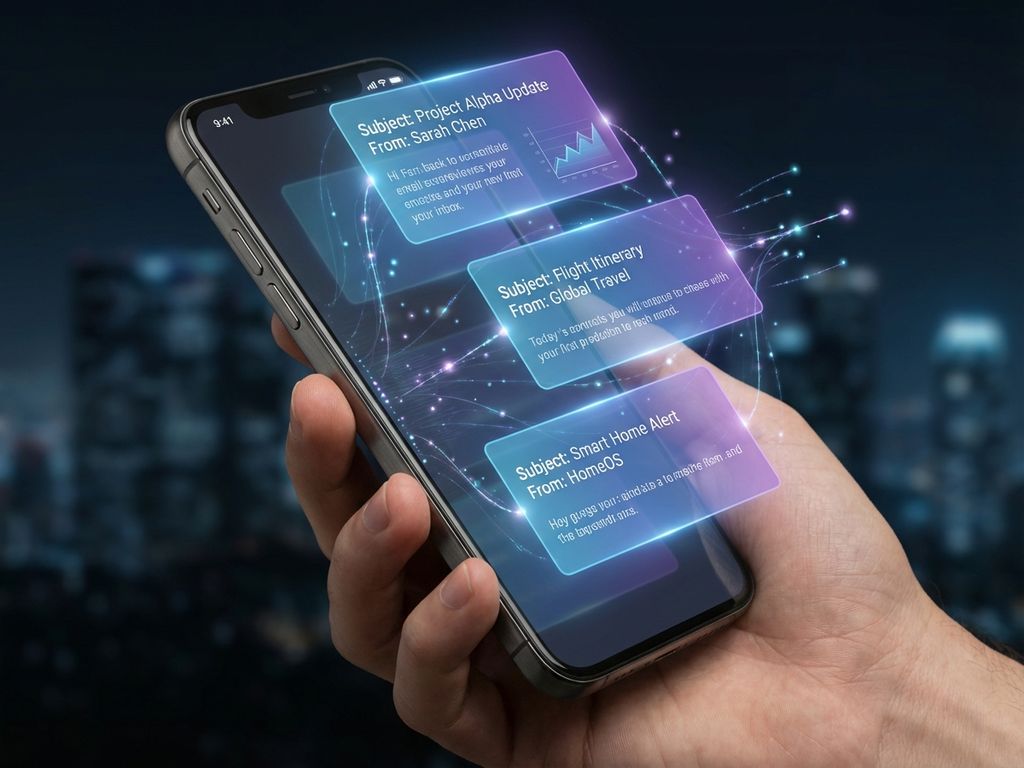
Yes, you should personalise marketing emails. Personalised email marketing delivers significantly better results than generic campaigns by creating relevant, timely messages that resonate with individual recipients. This approach transforms standard email blasts into meaningful conversations that drive engagement, build customer loyalty, and increase sales through targeted content that speaks directly to each subscriber’s interests and needs.
What is email personalisation and why does it matter for your business?
Email personalisation involves customising email content based on individual subscriber data such as name, purchase history, behaviour, and preferences. Unlike generic email marketing that sends identical messages to entire lists, personalised campaigns deliver targeted content that feels specifically crafted for each recipient.
This approach matters because it transforms your email marketing from interruptive noise into valuable communication. When subscribers receive content relevant to their interests and stage in the customer journey, they’re more likely to engage with your messages. Personalised emails create stronger emotional connections between your brand and your customers.
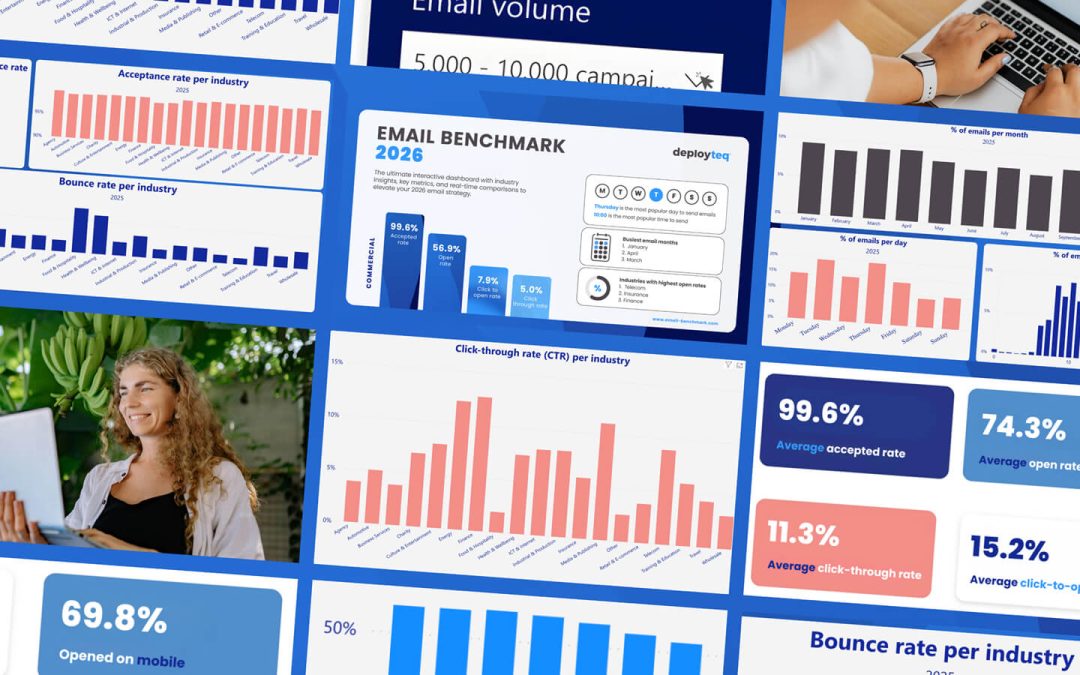
The business impact extends beyond simple engagement metrics. Personalised email campaigns typically generate higher open rates, click-through rates, and conversion rates than generic alternatives. More importantly, they foster customer loyalty by demonstrating that you understand and value individual preferences, leading to increased customer lifetime value and repeat purchases.
How does email personalisation actually increase engagement and sales?
Personalised emails increase engagement by triggering psychological principles of relevance and recognition. When people see their name or content that matches their interests, their brain processes this as personally significant information worthy of attention. This relevance factor cuts through inbox clutter more effectively than generic subject lines.
The psychology behind personalisation taps into people’s natural preference for content that feels specifically created for them. When an email references a recent purchase, suggests products based on browsing history, or acknowledges a customer’s location, it creates a sense of individual attention that generic emails cannot match.
From a sales perspective, personalised content drives action by presenting offers and information at the right moment in the customer journey. Birthday discounts, abandoned cart reminders, and post-purchase recommendations all leverage timing and relevance to encourage purchases. This targeted approach shortens the sales cycle by presenting relevant solutions when customers are most receptive to them.
What are the different types of email personalisation you can implement?
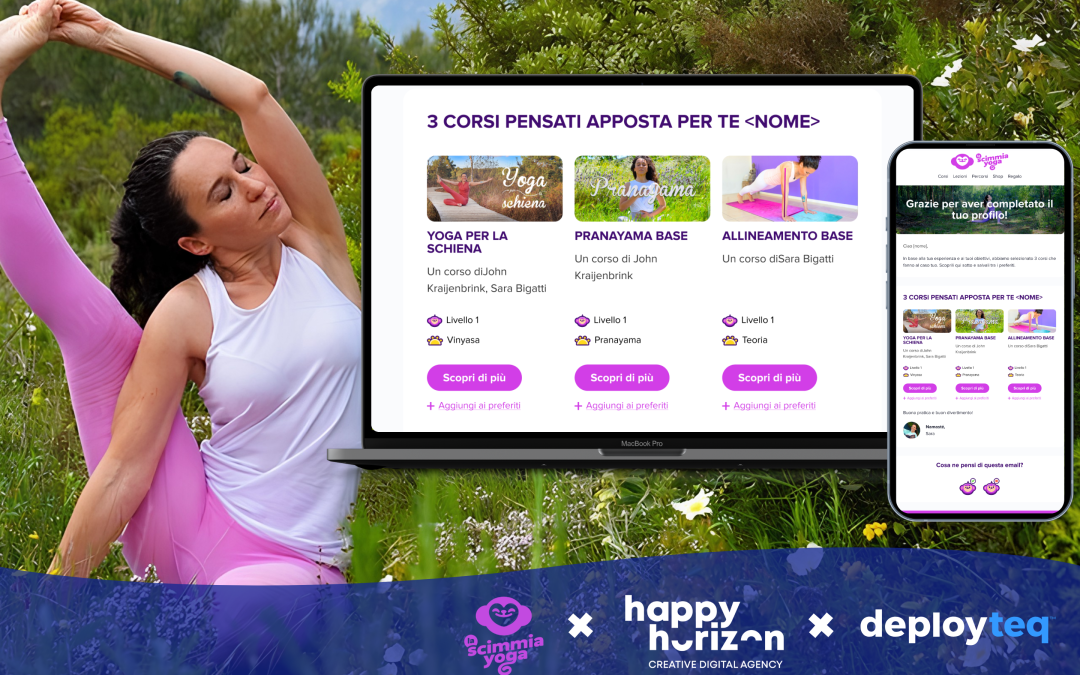
Email personalisation ranges from basic name insertion to sophisticated behavioural targeting. Basic personalisation includes using the subscriber’s first name in subject lines and email content, which creates immediate recognition and connection with your message.
Demographic segmentation involves grouping subscribers by age, location, gender, or job title to deliver relevant content. For example, sending winter clothing promotions to subscribers in colder climates while promoting summer gear to those in warmer regions.
Behavioural personalisation uses customer actions to trigger specific messages. This includes:
- Purchase history recommendations suggesting complementary products
- Browsing behaviour emails featuring recently viewed items
- Engagement-based content matching subscriber interaction levels
- Abandoned cart recovery messages with specific product reminders
Lifecycle stage personalisation delivers content appropriate to where customers are in their relationship with your brand, from welcome series for new subscribers to loyalty rewards for long-term customers.
What data do you need to create truly personalised email campaigns?
Effective email personalisation requires both demographic information and behavioural data to create relevant, timely messages. Start with basic demographic details including name, location, age range, and preferences collected during signup or through preference centres.
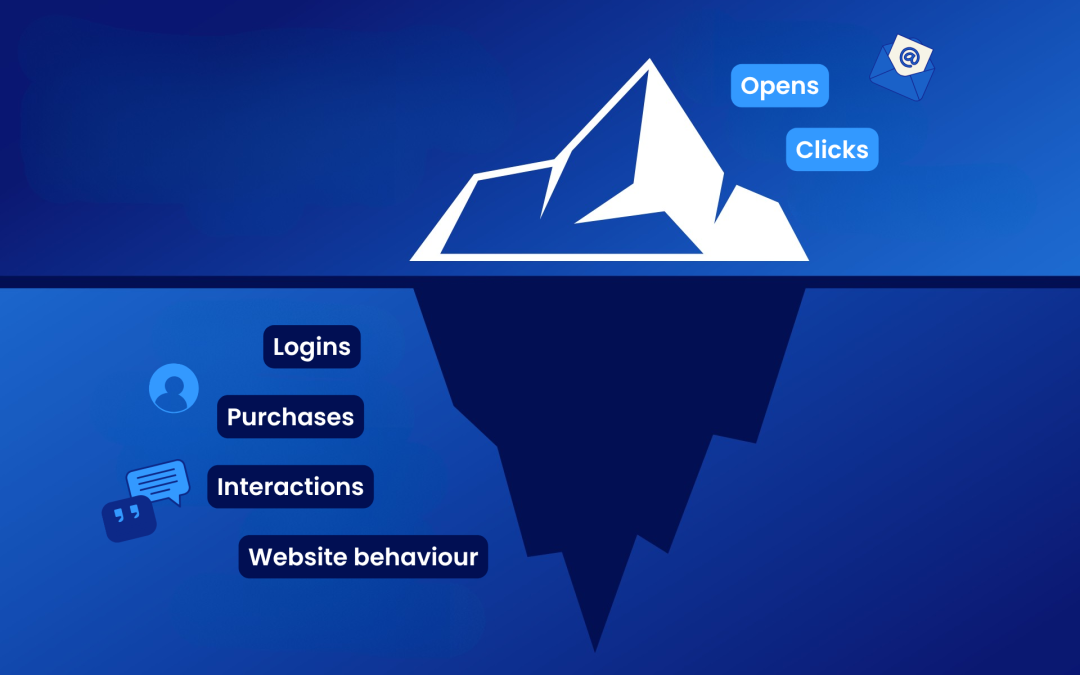
Behavioural data provides deeper personalisation opportunities. Track email engagement patterns such as open times, click behaviour, and content preferences. Monitor website activity including pages visited, products viewed, and time spent on different sections. Purchase history reveals buying patterns, favourite categories, and seasonal preferences.
Preference indicators help refine your targeting. These include email frequency preferences, content type interests, and communication channel choices. Survey responses and feedback forms provide direct insight into customer needs and satisfaction levels.
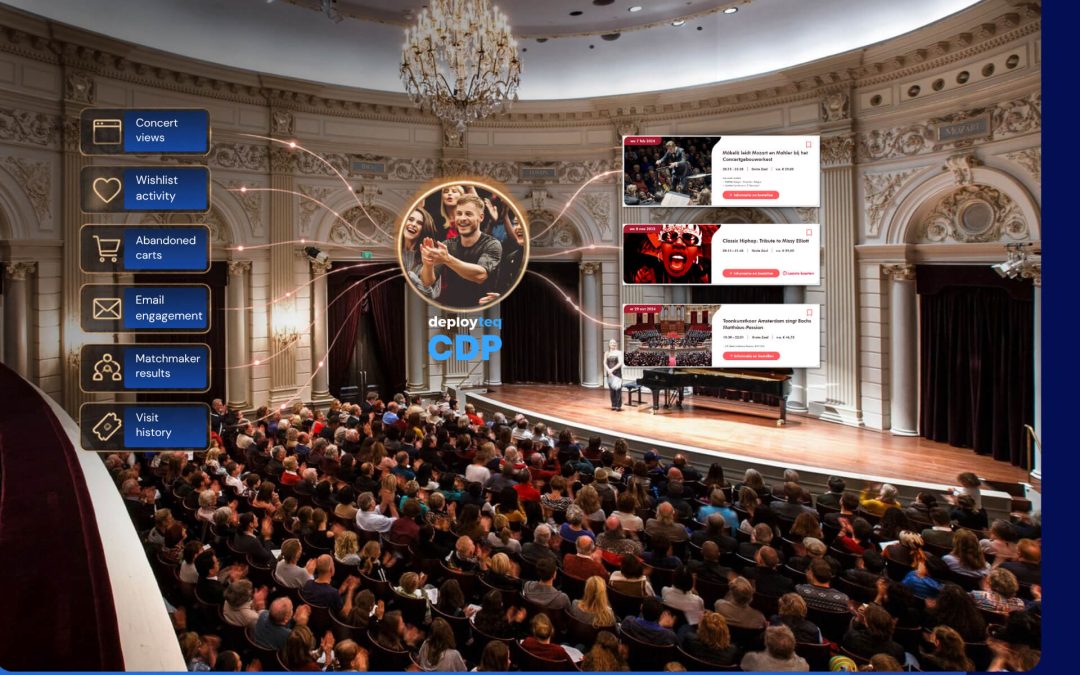
Collect this data through multiple touchpoints: signup forms, website tracking, purchase transactions, email interactions, and customer service contacts. A robust customer data platform can help unify this information for more effective personalisation. Ensure your data collection is transparent and provides clear value to subscribers in exchange for their information.
How do you avoid the common mistakes that make personalised emails feel creepy?
The key to comfortable personalisation lies in balancing helpfulness with respect for privacy boundaries. Avoid using overly specific personal information that might surprise or concern subscribers, such as referencing private social media activity or detailed location tracking without clear consent.
Transparency builds trust in your personalisation efforts. Clearly explain what data you collect and how you use it to improve their experience. Provide easy ways for subscribers to control their data and personalisation preferences through preference centres and privacy settings.
Focus personalisation on genuinely helpful recommendations rather than demonstrating how much you know about subscribers. Suggesting products based on purchase history feels helpful, while referencing specific browsing times or detailed personal information can feel invasive.
Give subscribers control over their personalisation experience. Allow them to choose communication frequency, content types, and the level of personalisation they’re comfortable with. Respect unsubscribe requests immediately and make it easy for people to modify their preferences without leaving your list entirely.
How Deployteq helps with email personalisation
Deployteq provides comprehensive email personalisation capabilities through our integrated marketing automation platform. Our system automatically unifies customer data from multiple channels into real-time profiles, giving you complete visibility into each subscriber’s journey and preferences.
Key personalisation features include:
- Advanced segmentation tools that create dynamic, behaviour-based customer groups
- Real-time customer profiling that updates with every interaction
- Automated journey builder for lifecycle-based personalisation
- Cross-channel data integration for omnichannel personalisation
- Intuitive automation tools requiring no technical expertise
Our platform makes sophisticated personalisation accessible to marketers of all skill levels, allowing you to create highly targeted campaigns that drive engagement and conversions. Explore how Deployteq can transform your email marketing with powerful personalisation capabilities that grow your business through better customer experiences.