You build intelligent customer profiles for lifecycle marketing by consolidating data from every touchpoint — purchase history, browsing behaviour, email engagement, and channel preferences — into a single, unified view of each customer. That unified profile then powers segmentation, predictive modelling, and automated triggers that respond to where each customer actually is in their lifecycle. The sections below answer the most important questions about making this work in practice.
What data sources feed into an intelligent customer profile?
An intelligent customer profile draws from three core data categories: behavioural data (clicks, browsing sessions, purchase events), transactional data (order history, spend value, return frequency), and declared data (preferences, survey responses, account settings). Together, these sources give you a layered picture of who a customer is, what they want, and how they engage.
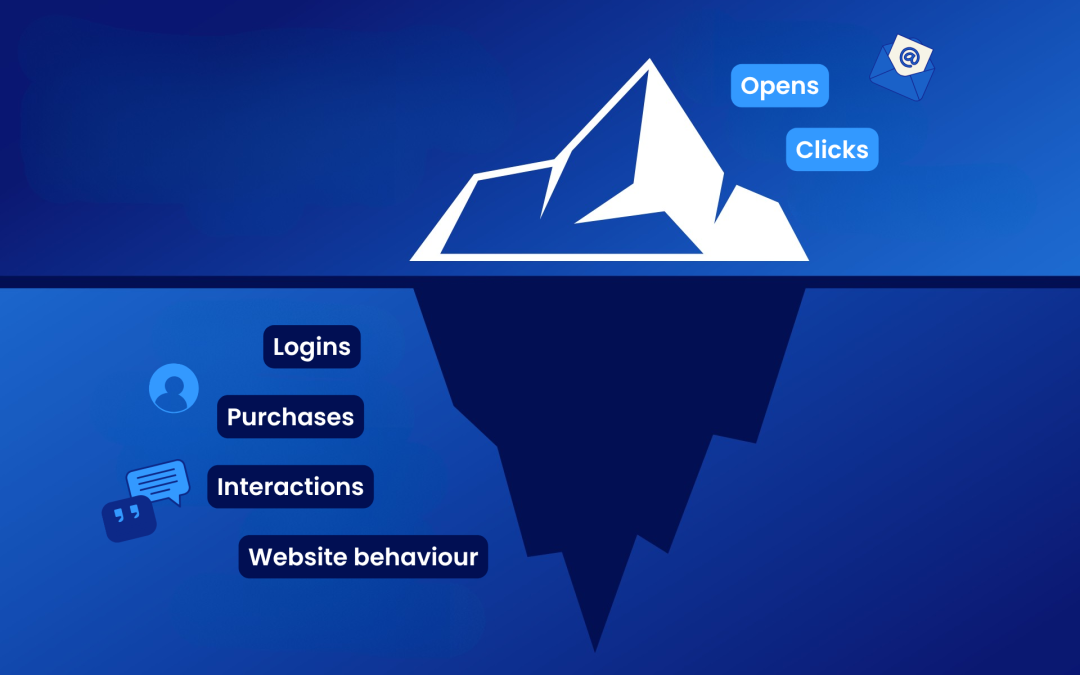
Most marketers working at scale also pull in channel engagement data — email opens, SMS responses, push notification interactions, and web session data. These signals reveal not just what a customer bought, but how they prefer to be reached and at what frequency.
The challenge is that this data rarely sits in one place. CRM systems, ecommerce platforms, loyalty programmes, and analytics tools each hold a piece of the picture. When that data stays siloed, your marketing automation can only ever act on a partial view. That is where disconnected marketing data becomes a genuine blocker to personalisation at scale.
How does a CDP unify customer data across channels?
A marketing CDP unifies customer data by creating a persistent, deduplicated profile for each individual, stitching together identifiers from every channel — email address, device ID, loyalty number, cookie — into one coherent record. Unlike a CRM or data warehouse, a CDP is built specifically to make that unified data immediately actionable for marketing.
The practical difference between CDP vs marketing automation as standalone tools is significant. Marketing automation platforms excel at executing campaigns, but without a CDP feeding them clean, unified data, they work with incomplete signals. A CDP solves the upstream problem: it resolves identity, enriches profiles in real time, and pushes that data directly into campaign execution.
For a retail brand running email, SMS, and push simultaneously, this means a customer’s in-store purchase updates their profile instantly, suppressing a “buy now” email that was already scheduled. That kind of real-time data activation is only possible when your data infrastructure is unified, not fragmented across systems.
What is RFM modelling and how does it improve lifecycle segmentation?
RFM modelling segments customers based on three dimensions: Recency (how recently they purchased), Frequency (how often they buy), and Monetary value (how much they spend). Scoring customers across these three axes produces segments that reflect actual lifecycle stage far more accurately than demographic data alone.
The practical value is in the specificity. A customer who bought three times in the last 30 days sits in a very different lifecycle position than one who bought once six months ago and has not returned. RFM lets you treat them differently without manual intervention.
- High R, High F, High M: Champions — reward and retain with loyalty incentives
- High R, Low F: Promising — nurture toward a second purchase with targeted content
- Low R, High F: At risk — trigger a re-engagement sequence before they lapse
- Low R, Low F: Lost — test a win-back offer or suppress to protect deliverability
For travel and hospitality brands, RFM is particularly powerful because booking windows create natural lifecycle signals. A customer who booked twice last summer but has not engaged this year is a clear re-engagement candidate, and RFM scoring surfaces that automatically.
How do predictive insights sharpen customer profile accuracy?
Predictive insights improve customer profile accuracy by moving beyond what a customer has done to model what they are likely to do next. Techniques like next-best-offer modelling and churn propensity scoring use historical patterns across your full customer base to assign each individual a probability score — making your profiles forward-looking rather than purely descriptive.
This matters because lifecycle marketing is fundamentally about anticipating need, not just reacting to past behaviour. A customer showing early churn signals — declining email engagement, longer gaps between purchases, reduced session depth — can be identified and re-engaged before they actually leave, rather than after.
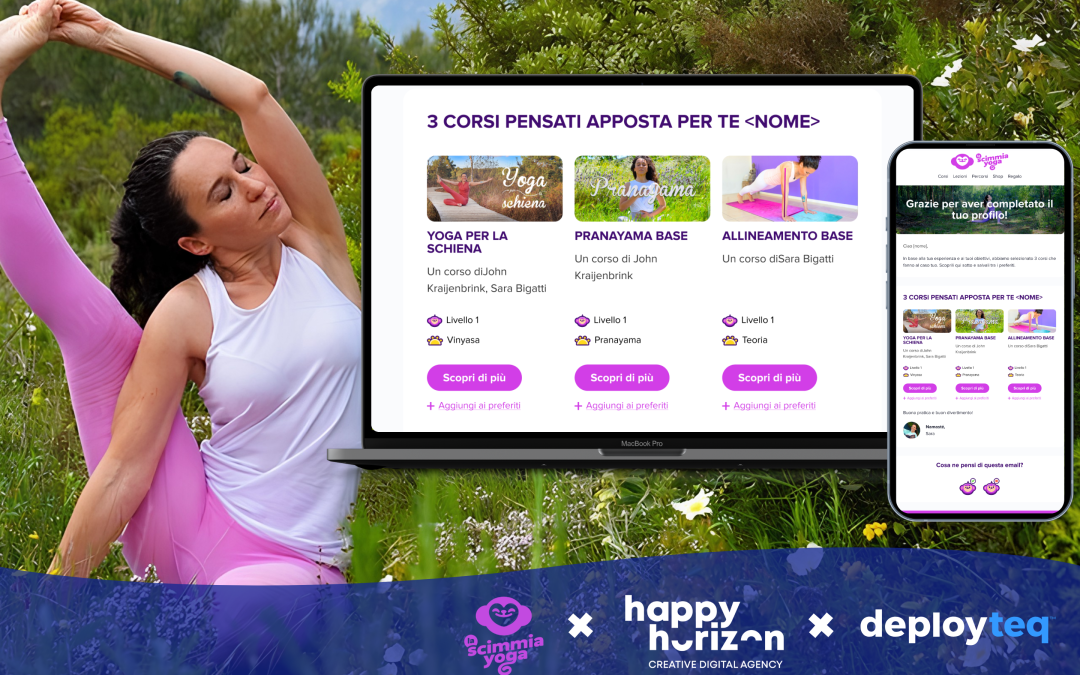
Predictive modelling also improves next-best-offer accuracy. Rather than sending the same promotion to an entire segment, you can surface the specific product category or offer type that each customer profile suggests is most likely to convert. For finance and insurance brands managing complex, multi-product lifecycles, this kind of model-driven personalisation is what separates relevant communication from noise.
When should customer profiles trigger automated lifecycle campaigns?
Customer profiles should trigger automated lifecycle campaigns when a meaningful change in profile state occurs — not on a fixed calendar schedule. The trigger logic should be event-driven: a customer crosses an RFM threshold, a predictive score exceeds a churn risk level, a purchase gap reaches a defined window, or a browsing session signals high purchase intent.
The most effective lifecycle triggers are built around moments of transition:
- A new customer completes their first purchase — trigger an onboarding sequence
- A loyal customer goes 60 days without engagement — trigger a win-back flow
- A customer’s RFM score drops a tier — trigger a retention incentive
- A next-best-offer model identifies a high-probability upsell window — trigger a targeted recommendation
The key principle is that the profile drives the timing, not the campaign calendar. This is where unified customer data becomes operationally critical. If your profile data is stale or incomplete, your triggers fire at the wrong moment — or not at all.
How do you measure whether your customer profiles are actually working?
You measure the effectiveness of customer profiles by tracking whether profile-driven campaigns outperform non-segmented or manually segmented alternatives. The core metrics are conversion rate by segment, revenue per profile tier, churn rate movement across lifecycle stages, and campaign engagement rates tied to specific profile attributes.
Start with a clear baseline. If your RFM-triggered re-engagement campaigns are converting at a meaningfully higher rate than your broadcast emails, your profiles are adding value. If they are not, the problem is usually upstream — either the data feeding the profiles is incomplete, or the segmentation logic does not reflect real customer behaviour.
Profile quality itself is also measurable. Track the percentage of your active customer base with complete profile data, the freshness of key attributes (last purchase date, channel preference, engagement score), and the rate at which profiles are updated in real time versus in batch. Marketing data that is not actionable is often a data freshness problem as much as a data availability problem.
Review your segment distribution regularly. If 80% of your customers are clustering in a single RFM tier, your scoring model needs recalibration. Healthy lifecycle segmentation produces a spread across tiers that reflects the natural diversity of your customer base.
How Deployteq helps you build intelligent customer profiles
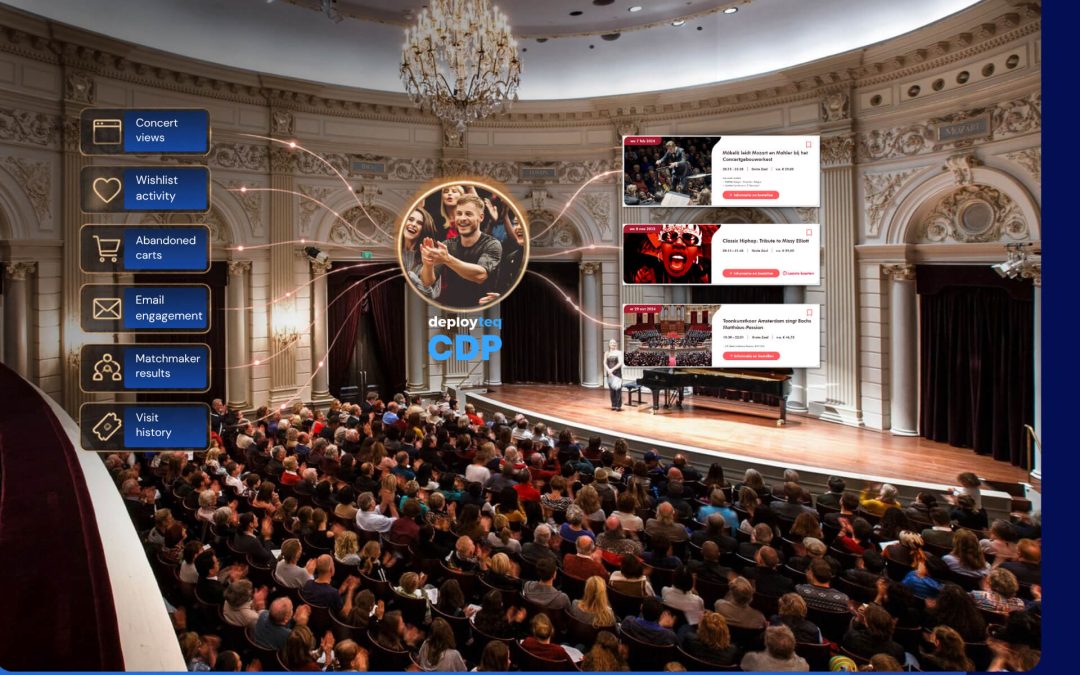
This is exactly the problem our newly launched Customer Data Platform is built to solve. Deployteq’s CDP unifies all your customer data into intelligent, real-time profiles — resolving identity across channels, enriching records with behavioural and transactional signals, and making that data immediately actionable inside your campaigns.
Here is what that looks like in practice:
- 360-degree single customer view: Every touchpoint — email, SMS, WhatsApp, push, web — feeds into one persistent profile
- Built-in RFM and next-best-offer modelling: Intelligent models run directly on your data, no separate data science team required
- Predictive lifecycle insights: Churn propensity and next-best-offer scores update in real time, keeping your triggers sharp
- Direct campaign activation: Profile data activates instantly across all channels without manual exports or integration delays
- Cross-channel segmentation: Build hyper-personalised segments that reflect actual lifecycle stage, not just demographic buckets
If your marketing data is not actionable today, the gap is almost always a unification problem. We fix that at the infrastructure level, so your lifecycle campaigns can finally perform the way they were designed to. Book a demo to see how our CDP turns disconnected data into campaigns that actually convert.