Every day, thousands of potential customers visit your website, browse your products, and leave without making a purchase. This scenario frustrates marketers who know that untapped revenue potential lies somewhere in that visitor data. Marketing automation addresses this challenge by creating intelligent systems that identify, track, and nurture website visitors through personalized experiences that guide them toward conversion.
The key to turning browsers into buyers lies in understanding how automated systems can recognize visitor intent, respond to behavior in real time, and deliver the right message at precisely the right moment. Let’s explore how marketing automation bridges the gap between anonymous website traffic and loyal customers.
What is marketing automation, and how does it identify website visitors?
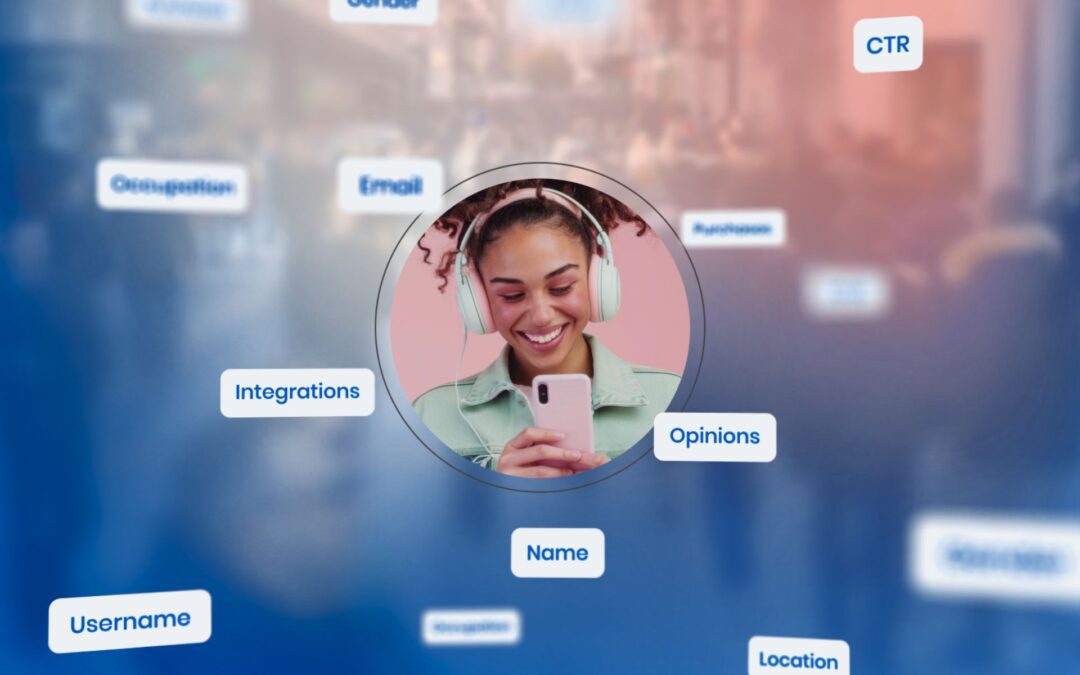
Marketing automation is a technology platform that uses software to automatically execute, manage, and track marketing campaigns across multiple channels based on predefined triggers and customer behaviors. It identifies website visitors through tracking pixels, cookies, form submissions, and behavioral data collection, creating detailed visitor profiles even before they provide contact information.
The identification process works through multiple touchpoints. When someone visits your website, the automation platform immediately begins collecting data about their browsing patterns, page views, time spent on specific content, and interactions with various elements. This creates an anonymous visitor profile that becomes increasingly detailed with each visit.
Once a visitor takes an identifiable action, such as filling out a form, subscribing to a newsletter, or downloading content, the platform connects all previous anonymous behavior to their contact information. This retroactive identification means you instantly know everything that person did on your website before identifying themselves, creating a comprehensive picture of their interests and intent.
How does marketing automation track visitor behavior on your website?
Marketing automation platforms track visitor behavior through JavaScript tracking codes embedded on your website that monitor every click, scroll, page view, and interaction in real time. These systems record which pages visitors view, how long they stay, what content they engage with, and which products or services capture their attention most.
The tracking technology captures both explicit and implicit behavioral signals. Explicit behaviors include obvious actions like clicking buttons, filling out forms, or downloading resources. Implicit behaviors involve subtler engagement patterns such as scroll depth, mouse movement, time spent reading specific sections, and return-visit frequency.
Advanced marketing automation systems also track cross-device behavior, connecting a visitor’s mobile browsing with their desktop activity to create unified customer profiles. This comprehensive behavioral tracking enables the platform to understand visitor intent and predict their likelihood of converting based on similar behavioral patterns from previous customers.
What triggers automated campaigns when visitors take specific actions?
Automated campaigns launch through predefined trigger events that signal visitor intent or engagement milestones, such as visiting pricing pages, abandoning shopping carts, downloading specific content, or spending a certain amount of time on product pages. These triggers activate immediately when the specified behavior occurs, ensuring timely and relevant communication.
Common trigger events include behavioral triggers like page visits or content downloads, engagement triggers such as email opens or link clicks, and time-based triggers that activate after specific periods of inactivity. Each trigger can initiate different campaign sequences depending on the visitor’s profile and previous interactions.
The sophistication of modern trigger systems allows for complex conditional logic. For example, a visitor who views your pricing page three times but hasn’t requested a demo might trigger a campaign offering a personalized consultation, while someone who downloads a product guide might receive a series of educational emails about implementation best practices.
How do automated email sequences nurture visitors into customers?
Automated email sequences nurture visitors by delivering personalized, timely content that addresses their specific interests and stage in the buying journey, gradually building trust and moving them closer to purchase through strategic touchpoints. These sequences typically combine educational content, social proof, and targeted offers based on the recipient’s demonstrated interests and behaviors.
A typical nurture sequence might start with a welcome email that acknowledges the visitor’s specific interest, followed by educational content that addresses common questions or concerns related to their browsing behavior. Subsequent emails progressively introduce more detailed product information, customer success stories, and eventually targeted offers or calls to action.
The power of email marketing automation lies in its ability to adapt based on recipient engagement. If someone opens every email but doesn’t click links, the system might adjust by using more compelling subject lines or different content formats. If they engage heavily with product-focused content, the sequence can accelerate toward sales-oriented messages while continuing to provide value.
What’s the difference between lead scoring and visitor segmentation?
Lead scoring assigns numerical values to visitors based on their actions and characteristics to rank their likelihood of converting, while visitor segmentation groups people with similar behaviors, interests, or demographics to deliver targeted messaging. Lead scoring creates a prioritized list for sales follow-up, whereas segmentation enables personalized marketing campaigns for different audience groups.
Lead scoring works by assigning points for specific behaviors and characteristics. A visitor might earn 10 points for downloading a white paper, 25 points for visiting a pricing page, and 50 points for requesting a demo. Demographics like job title or company size can also contribute points. When someone reaches a predetermined score threshold, they become a marketing-qualified lead.
Visitor segmentation, conversely, creates distinct groups based on shared characteristics or behaviors. You might have segments for different industries, company sizes, or behavioral patterns like “frequent blog readers” or “pricing page visitors.” Each segment receives tailored messaging that speaks directly to their specific interests and needs, improving engagement and conversion rates.
How long does it typically take to convert website visitors through automation?
Website visitor conversion through marketing automation typically takes 3–6 months for B2B companies and 2–8 weeks for B2C businesses, depending on factors like purchase complexity, price point, industry, and the quality of your nurture sequences. Simple, low-cost purchases may convert within days, while enterprise software sales often require 6–18 months of consistent nurturing.
The conversion timeline varies significantly based on visitor intent and engagement level. Visitors who arrive through high-intent searches or referrals often convert faster than those who discover you through general awareness campaigns. Someone researching specific solutions may convert within weeks, while early-stage researchers might need months of education before they’re ready to buy.
Successful automation programs focus on maintaining engagement throughout the entire timeline rather than rushing toward quick conversions. This approach builds stronger relationships and often results in higher customer lifetime value, even if the initial conversion takes longer to achieve.
How Deployteq helps with visitor conversion automation
We provide a comprehensive marketing automation platform that seamlessly transforms website visitors into customers through intelligent tracking, behavioral triggers, and personalized nurture campaigns. Our system combines advanced visitor identification with powerful segmentation capabilities and automated email sequences that adapt based on real-time engagement.
Our platform offers several key advantages for visitor conversion:
- Real-time behavioral tracking across all touchpoints and devices
- Advanced lead scoring and segmentation based on visitor actions and characteristics
- Automated email sequences with dynamic content personalization
- Cross-channel campaign coordination, including email, SMS, and push notifications
- Unified customer data platform that consolidates all visitor interactions
Ready to turn more website visitors into customers? Contact us to see how our marketing automation platform can improve your visitor conversion rates and grow your business.