Marketing automation has revolutionized how businesses connect with customers, but this technological advancement comes with growing concerns about data privacy and customer expectations. As brands collect more customer data to fuel personalized campaigns, consumers are becoming increasingly aware of how their information is being used and are demanding greater transparency and control.
Understanding the balance between effective marketing automation and respecting customer privacy expectations isn’t just about compliance—it’s about building lasting trust that drives long-term business success. Let’s explore the key privacy considerations that shape modern marketing automation strategies.
What privacy concerns do customers have about marketing automation?
Customers primarily worry about transparency in data collection, unauthorized sharing of personal information, and a lack of control over how their data is used in automated marketing campaigns. These concerns stem from high-profile data breaches and increasing awareness of how extensively businesses track customer behavior.
The most common privacy concerns include fear of excessive data collection beyond what’s necessary for service delivery. Customers worry that businesses are gathering information about their browsing habits, purchase history, and personal preferences without clear justification. Many consumers also express anxiety about their data being sold to third parties or used for purposes they never explicitly agreed to.
Another significant concern involves the permanence of data storage. Customers want to know how long their information will be retained and whether they can request its deletion. The automated nature of modern marketing systems makes people feel as though they’ve lost control over their personal information, leading to decreased trust in brands that aren’t transparent about their data practices.
How does marketing automation collect and use customer data?
Marketing automation platforms collect customer data through website tracking, email interactions, purchase history, form submissions, and behavioral analytics to create detailed customer profiles for personalized campaign targeting. This data collection happens across multiple touchpoints throughout the customer journey.
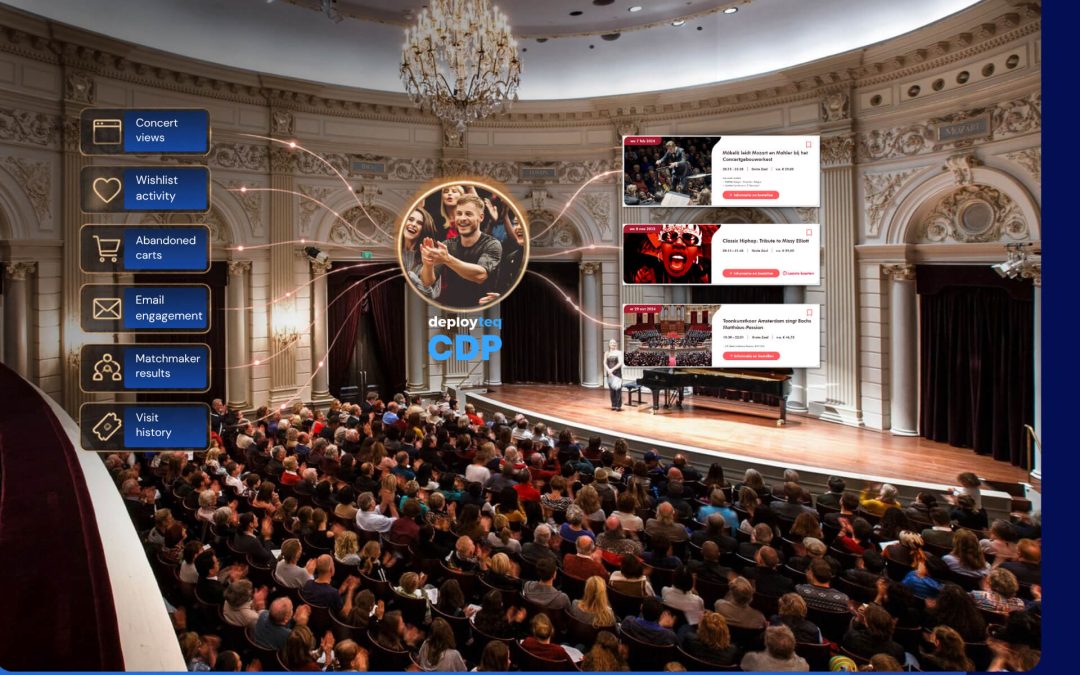
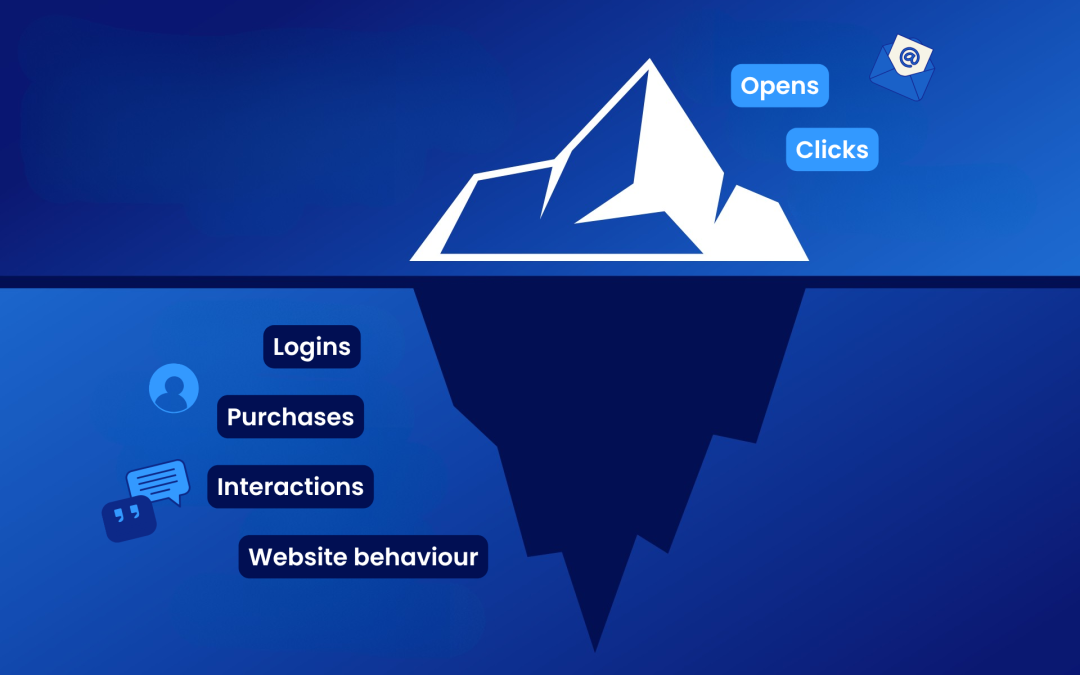
The data collection process typically begins when customers visit your website, where tracking pixels and cookies monitor browsing behavior, page visits, and time spent on specific content. Email marketing systems track open rates, click-through rates, and engagement patterns to understand customer preferences. Customer data platforms consolidate this information with purchase history, demographic data, and interaction records from various channels.
Once collected, this data feeds automated segmentation algorithms that group customers based on behavior, preferences, and lifecycle stage. Marketing automation then uses these segments to trigger personalized email campaigns, product recommendations, and targeted content delivery. The system continuously learns from customer responses, refining its understanding to improve future campaign effectiveness and the customer experience.
What’s the difference between compliant and non-compliant automation practices?
Compliant automation practices obtain explicit customer consent, provide clear explanations of data usage, and offer easy opt-out mechanisms, while non-compliant practices collect data without permission, lack transparency, and make unsubscribing difficult or impossible.
Compliant practices include implementing double opt-in processes for email subscriptions, clearly stating what data is collected and why, and providing granular consent options for different types of communication. GDPR-compliant automation ensures customers can easily access, modify, or delete their personal data. These systems also maintain detailed records of consent and regularly audit data usage to ensure ongoing compliance.
Non-compliant practices often involve pre-checked consent boxes, vague privacy policies, and automatic enrollment in marketing communications without explicit permission. Some businesses continue sending emails after unsubscribe requests or make the opt-out process unnecessarily complicated. Marketing automation systems that don’t properly segment based on consent status or fail to honor customer preferences also fall into non-compliant territory.
How can businesses build trust while using marketing automation?
Businesses build trust by being transparent about data collection, providing value in exchange for customer information, respecting communication preferences, and giving customers control over their data and marketing interactions.
Transparency starts with clear, jargon-free privacy policies that explain exactly what data is collected, how it’s used, and who has access to it. Successful businesses also communicate the value exchange clearly—showing customers how sharing their data leads to better product recommendations, exclusive offers, or more relevant content. This helps customers understand the benefits of participating in automated marketing programs.
Building trust also requires consistent respect for customer preferences. This means honoring unsubscribe requests immediately, allowing customers to choose their communication frequency, and providing preference centers where people can customize their experience. Regular communication about privacy practices and proactive notifications about any changes to data usage policies demonstrate an ongoing commitment to customer privacy.
Progressive data collection is another trust-building strategy, in which businesses gradually request additional information as the relationship develops rather than asking for everything upfront. This approach shows respect for customer comfort levels and builds confidence over time.
What privacy features should you look for in automation platforms?
Essential privacy features include built-in consent management, automated compliance workflows, data encryption, audit trails, and easy customer data access and deletion capabilities that align with major privacy regulations like GDPR and CCPA.
Look for platforms that offer comprehensive consent management systems with granular permission tracking. These systems should automatically stop processing data when consent is withdrawn and maintain detailed records of all consent interactions. Data encryption both in transit and at rest is non-negotiable for protecting customer information from unauthorized access.
Advanced privacy features include automated data retention policies that delete information after specified periods, anonymization tools for analytics purposes, and integration capabilities with privacy management platforms. The platform should also provide easy-to-use customer data portals where individuals can view, update, or delete their information without requiring manual intervention from your team.
Regular security updates, compliance certifications, and transparent incident reporting procedures are additional indicators of a privacy-focused platform. Email marketing platforms should also offer sophisticated suppression list management and real-time consent verification to prevent accidental violations.
How Deployteq helps with customer privacy compliance
We’ve built privacy protection directly into our marketing automation platform, ensuring your campaigns respect customer expectations while delivering personalized experiences. Our approach combines robust technical safeguards with intuitive privacy management tools that make compliance straightforward.
Our platform includes:
- Built-in GDPR compliance tools with automated consent tracking and data retention management
- Advanced segmentation that respects customer communication preferences and consent levels
- Secure data handling with encryption and comprehensive audit trails for all customer interactions
- Easy-to-implement preference centers that give customers full control over their data and communication settings
- Automated suppression list management to prevent messaging customers who have withdrawn consent
Ready to see how privacy-compliant automation can strengthen customer relationships while driving results? Book a demo to explore how our platform balances personalization with privacy protection.