A Customer Data Platform (CDP) improves email marketing by unifying fragmented customer data into a single, actionable profile that powers smarter segmentation, more relevant messaging, and better timing. Instead of sending the same email to your entire list, a CDP lets you trigger the right message based on real behaviour, purchase history, and predictive signals. Below, we unpack exactly how that works in practice.
How does a CDP make email marketing more effective?
A CDP makes email marketing more effective by consolidating data from every customer touchpoint into one unified profile, then making that data instantly available to your email campaigns. Rather than relying on static lists or manually exported segments, your email programme becomes dynamic, responding to what customers actually do in real time.
The core shift is from batch-and-blast to behavioural relevance. When your email platform can see that a customer browsed a specific product category yesterday, abandoned a basket this morning, and has a loyalty tier that qualifies them for a reward, it can fire a precisely timed email that speaks to all three signals at once. That level of personalisation is simply not achievable without a unified data layer sitting beneath your campaigns.
Intelligent modelling adds another dimension. CDP-powered email programmes can apply frameworks like RFM (Recency, Frequency, Monetary value), next-best-offer scoring, and full lifecycle predictions. These models surface which customers are ready to buy, which are drifting towards churn, and which deserve a loyalty nudge, so your email calendar becomes strategically driven rather than calendar-driven.
What data does a CDP bring together for email campaigns?
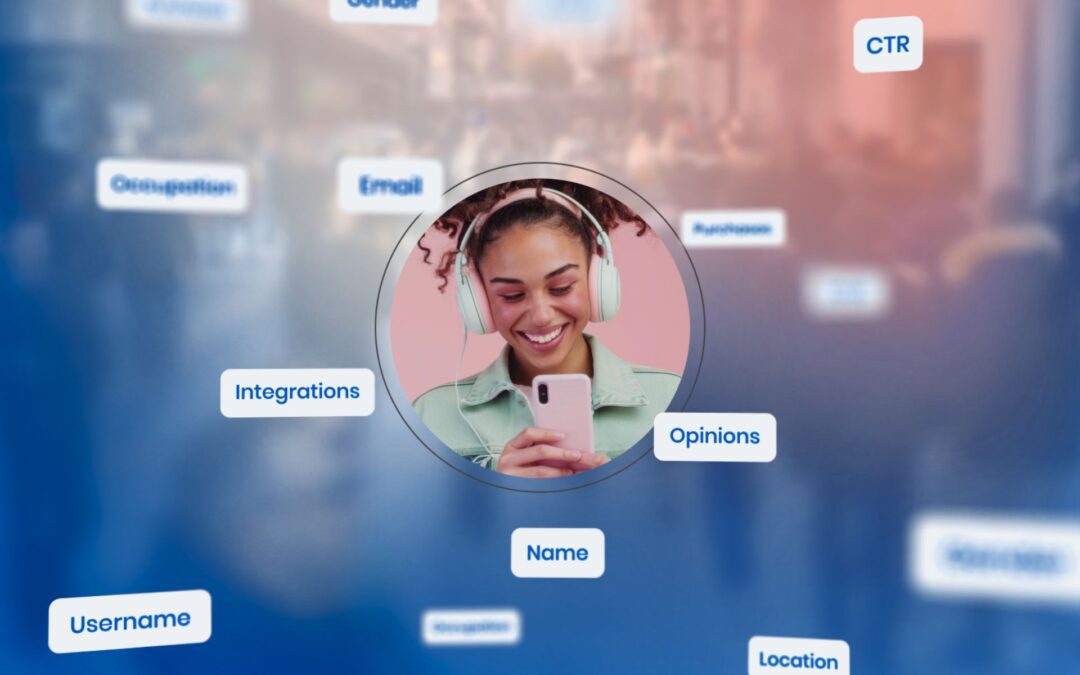
A CDP brings together behavioural, transactional, demographic, and channel engagement data from across your entire tech stack into a single customer profile. This includes website activity, purchase history, app interactions, CRM records, loyalty programme data, and previous email engagement, all resolved to one individual identity.
For email marketers, this means you are no longer working with a partial picture. Common data sources a CDP unifies include:
- Transactional data: purchase history, order value, product categories, return behaviour
- Behavioural data: website browse events, product views, search queries, cart actions
- Email engagement data: open rates, click patterns, unsubscribe signals, and preferred send times
- CRM and loyalty data: tier status, points balances, account tenure, and service interactions
- App and push data: in-app behaviour, notification preferences, and session frequency
When all of this resolves to a single customer view, your email campaigns can reference the full picture. A travel brand, for example, can combine a customer’s booking history, destination preferences, and loyalty tier to send a genuinely personalised offer rather than a generic newsletter.
How does a CDP improve email segmentation?
A CDP improves email segmentation by replacing static, manually built lists with real-time, behaviour-driven audiences that update automatically as customer data changes. Instead of segmenting once a week based on last month’s data, your segments reflect what customers are doing right now.
Traditional segmentation relies on whatever data lives inside your ESP, which is typically limited to email engagement metrics and basic demographics. A CDP expands that foundation dramatically. You can build segments based on:
- Customers who viewed a specific product category in the last 48 hours but have not purchased
- High-LTV customers whose purchase frequency has dropped over the last 60 days
- Loyalty members approaching a tier threshold who have not received a relevant offer
- Customers predicted to churn within the next 30 days based on engagement decay signals
This kind of smart email segmentation is what separates high-performing programmes from average ones. The more precisely you can define an audience, the more relevant the message, and relevance is the single biggest driver of email conversion.
Can a CDP help reduce email unsubscribes and churn?
Yes, a CDP can meaningfully reduce email unsubscribes and customer churn by ensuring people only receive messages that are relevant to their current situation. Most unsubscribes happen because customers feel over-messaged or under-served, receiving emails that do not reflect their interests, lifecycle stage, or recent behaviour.
With a unified data layer, you can apply send frequency capping based on individual engagement patterns rather than blanket rules. A customer who opens every email can receive more. A customer whose engagement is declining can be moved into a re-engagement flow rather than continuing to receive standard campaigns that are accelerating their disengagement.
Predictive churn modelling takes this further. By identifying customers whose behavioural signals suggest they are disengaging, whether that is reduced site visits, longer gaps between purchases, or declining email open rates, you can trigger a targeted retention sequence before they reach the unsubscribe button. Intervening at the right moment with the right message is far more effective than trying to win back a customer who has already left.
What’s the difference between a CDP and an ESP for email marketing?
A CDP and an ESP serve different but complementary functions. An ESP (Email Service Provider) is your sending engine: it manages templates, delivery, scheduling, and email-level reporting. A CDP is your data engine: it unifies customer data from every source and makes it available to power your campaigns. The CDP feeds the ESP, not the other way around.
This distinction matters when evaluating tools like Tealium or Segment as CDP options, or when considering whether a standalone CDP is the right architecture for your stack. The key differences are:
- Data scope: An ESP sees email behaviour. A CDP sees the full customer journey across every channel and touchpoint.
- Segmentation depth: An ESP segments based on email engagement. A CDP segments based on behavioural, transactional, and predictive data combined.
- Activation speed: An ESP sends when you schedule it. A CDP enables real-time triggers based on live customer actions.
- Identity resolution: An ESP tracks by email address. A CDP resolves a single customer identity across devices, channels, and sessions.
The practical implication is that a CDP does not replace your ESP. It makes your ESP significantly more powerful by giving it richer data to work with. Platforms that integrate both functions natively remove the integration overhead and reduce the latency between a customer action and the email response it triggers.
Which types of businesses benefit most from a CDP in email marketing?
Businesses with large, high-frequency customer bases and complex purchase journeys benefit most from a CDP in email marketing. If your programme already sends personalised campaigns but is limited by fragmented data or slow segmentation, a CDP delivers the biggest immediate uplift.
The sectors where CDP-powered email delivers the clearest results include:
- Retail and e-commerce: High transaction volumes, cart abandonment flows, product recommendation engines, and replenishment triggers all depend on real-time behavioural data.
- Travel and leisure: Booking windows, loyalty tier management, and destination-based personalisation require data from multiple systems working in sync.
- Finance and insurance: Complex lifecycles, renewal triggers, and trust-based communication benefit from a complete view of customer tenure and product holdings.
- Entertainment and media: High-frequency engagement, content-based triggers, and subscription retention all depend on knowing what a customer has consumed and what they are likely to want next.
Businesses migrating from simpler platforms and finding that basic segmentation no longer meets their needs are also strong candidates. If you are sending the same email to 80% of your list because you cannot build the segments you need, a Customer Data Platform is the infrastructure investment that unlocks the next level of performance.
How Deployteq helps you get more from email with a CDP
We built our Customer Data Platform to sit natively inside the Deployteq marketing automation platform, which means there is no separate integration to manage and no latency between a customer action and your campaign response. Here is what that looks like in practice:
- 360-degree single customer view: All customer data, from purchase history to web behaviour to email engagement, resolves into one unified profile that updates in real time.
- Intelligent modelling built in: RFM scoring, next-best-offer recommendations, and predictive lifecycle insights are available directly within your campaign builder, no data science team required.
- Hyper-personalised email campaigns: Build segments and triggers based on the full customer picture, not just what happened inside your email programme.
- Cross-channel activation: The same unified profile powers email, SMS, WhatsApp, push, and web personalisation from a single platform.
- Reduced unsubscribes: Smarter frequency management and lifecycle-aware messaging mean customers receive what is relevant, not just what is scheduled.
If your email programme is ready to move beyond static lists and batch sends, book a demo and see how our CDP powers campaigns that actually reflect your customers’ journeys.