You build customer segments with a CDP platform by unifying all your customer data into a single profile, then applying rules, behaviours, or predictive models to group contacts based on shared characteristics. Unlike basic list segmentation, a real-time customer data platform continuously updates those groups as new data flows in, so your segments stay accurate without manual effort. Below, we cover everything from data collection to cross-channel activation and predictive modelling.
What types of customer segments can a CDP create?
A customer data platform can create a wide range of segment types, from simple rule-based groups to complex behavioural and predictive audiences. The key advantage is that every segment type draws on unified data across all touchpoints, giving you a level of precision that single-channel tools simply cannot match.
- Demographic segments: Age, location, language, or account type. Useful for broad personalisation and regulatory compliance.
- Behavioural segments: Based on actions like pages visited, products browsed, or emails opened. These segments reflect intent in real time.
- Transactional segments: Built on purchase history, order frequency, or average order value. Essential for loyalty and upsell programmes.
- Lifecycle segments: New subscribers, active customers, at-risk contacts, and lapsed buyers. Each stage calls for a different message and cadence.
- Predictive segments: Contacts scored by likelihood to convert, churn, or respond. These use modelling rather than rules alone.
- RFM segments: Recency, Frequency, and Monetary value combined to rank your most and least engaged customers.
The more data sources you connect, the richer these segments become. A travel brand, for example, can combine booking history, destination preferences, and on-site browsing to build segments that go far beyond “has booked in the last 12 months.”
How does a CDP collect and unify customer data for segmentation?
A customer data platform collects data from multiple sources, including your website, CRM, email platform, mobile app, and point-of-sale systems, then resolves all of that information into a single customer profile using a persistent identifier. This process is called identity resolution, and it is what separates a CDP from a basic data warehouse or email tool.
Data flows into the CDP through APIs, native integrations, and event tracking. Every interaction, whether a product view, a support ticket, or a completed purchase, is captured and attached to the correct profile. When the same person visits on a different device or uses a different email address, the CDP uses matching logic to stitch those touchpoints together.
The result is a 360-degree single customer view. Every segment you build draws on this unified profile, which means your targeting is based on the full picture of a customer’s behaviour, not just what happened inside one channel. For a retail brand managing millions of contacts, this kind of unified foundation is what makes hyper-personalised campaigns operationally realistic.
What’s the difference between CDP segmentation and standard email list segmentation?
The core difference is data depth and real-time accuracy. Standard email list segmentation works with the data stored inside your email platform, typically fields you have manually imported or collected via sign-up forms. CDP segmentation draws on unified profiles built from every channel and updates automatically as behaviour changes.
With a standard email tool, a segment like “high-value customers” is usually a static export refreshed weekly or monthly. In a real-time customer data platform, that same segment updates the moment a customer crosses your defined threshold, whether that is a purchase value, a visit frequency, or a predictive score.
There is also a significant difference in what you can segment on. Email platforms are largely limited to email engagement data: opens, clicks, and subscriber fields. A CDP lets you segment on web behaviour, app activity, transaction data, offline events, and more. For CRM specialists managing complex lifecycles in sectors like finance or insurance, that breadth is not a nice-to-have; it is essential for delivering the right message at the right moment.
How do you build a customer segment step by step in a CDP?
Building a segment in a CDP follows a logical sequence: define your goal, select your data attributes, apply your conditions, validate the audience, and activate it. Most modern CDP platforms present this as a visual builder, so you are working with filters and logic rules rather than writing queries.
- Define the segment goal: Be specific about what this audience needs to receive and why. “Customers likely to lapse” is more actionable than “inactive contacts.”
- Select your attributes: Choose the data fields that define membership. This could include last purchase date, total spend, product category preferences, or email engagement score.
- Set your conditions: Apply AND/OR logic to combine attributes. For example, customers who have purchased in the last 90 days AND have opened at least one email in the last 30 days.
- Set a refresh frequency: Decide whether the segment updates in real time, hourly, or daily. For trigger-based campaigns, real-time is preferable.
- Validate the audience size: Review the segment count before activating. If the number looks unexpectedly high or low, check your logic for conflicts or missing data.
- Activate the segment: Push it to the relevant channel, whether that is email, SMS, WhatsApp, or a paid media audience.
The best CDP platforms make this process fast enough that a marketing manager can build and launch a new segment in under an hour, without needing data engineering support.
Which channels can you activate CDP segments across?
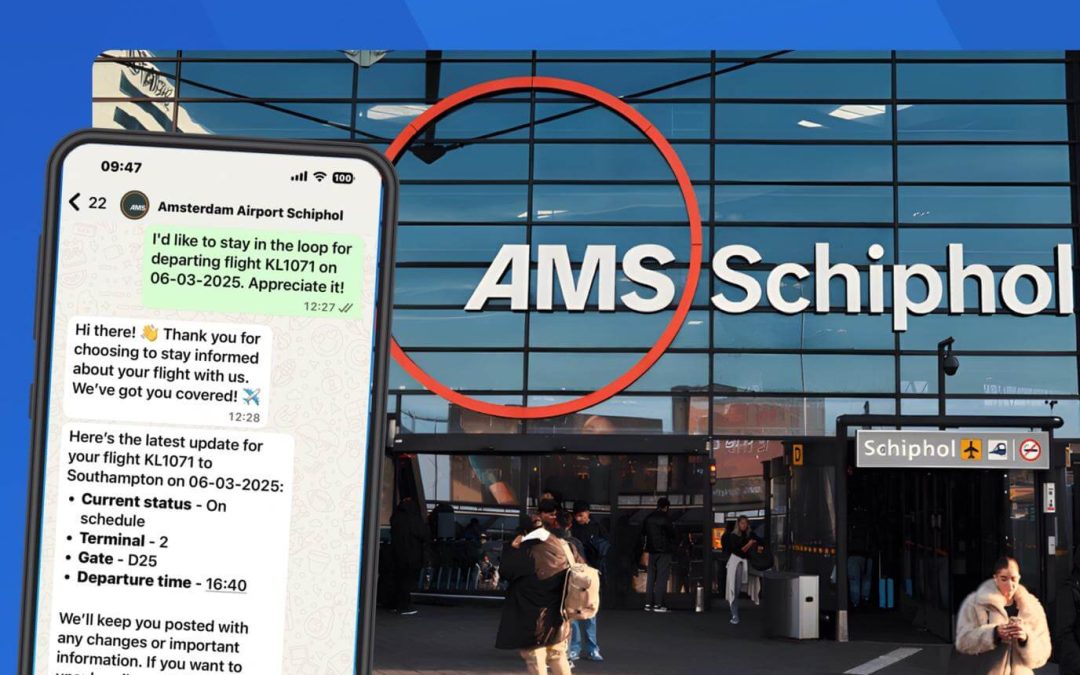
CDP segments can be activated across every channel where you have a direct customer touchpoint, including email, SMS, WhatsApp, push notifications, web personalisation, and paid media platforms. The power of cross-channel activation is that the same unified segment drives consistent, coordinated messaging wherever your customer shows up.
For a hospitality brand, this might mean an at-risk loyalty member receives a personalised email, a targeted push notification, and a customised homepage experience simultaneously, all triggered by the same CDP segment. Each channel reinforces the others without requiring separate manual setups for each.
Paid media activation is particularly valuable. By syncing your CDP segments with ad platforms, you can suppress recent buyers from acquisition campaigns, or build lookalike audiences based on your highest-LTV customers. This reduces wasted spend and improves return on ad investment without any additional creative effort.
When should you use predictive modelling inside your CDP segments?
Use predictive modelling inside your CDP segments when rule-based logic alone cannot capture the nuance you need. Predictive models are most valuable for identifying customers who are about to do something, whether that is convert, churn, upgrade, or disengage, before the behaviour has actually happened.
Practical use cases include next-best-offer modelling for retail and e-commerce, churn propensity scoring for subscription and finance businesses, and booking propensity for travel brands ahead of key seasonal windows. In each case, the model scores every customer profile and creates a ranked segment that you can act on immediately.
RFM modelling is a strong starting point if you are new to predictive segmentation. It combines Recency, Frequency, and Monetary value into a straightforward scoring framework that surfaces your most and least engaged customers without requiring a data science team to build it. From there, more sophisticated next-best-offer or lifecycle models can layer on top as your data matures.
The practical rule is this: use rule-based segments for known, defined audiences. Use predictive models when you want to act on signals before they become obvious patterns.
How Deployteq’s CDP powers smarter customer segmentation
We built our Customer Data Platform to give marketing teams full control over their data and their audiences, without needing to rely on data engineering for every new segment. Here is what that looks like in practice:
- Unified customer profiles: Every data source, from email to web to transactions, resolves into a single 360-degree customer view.
- Real-time segmentation: Segments update automatically as customer behaviour changes, so your campaigns always target the right people.
- Built-in predictive models: RFM scoring, next-best-offer, and lifecycle insights are available directly inside the platform, with no external data science tools required.
- Seamless cross-channel activation: Push segments directly into email, SMS, WhatsApp, push, and web personalisation campaigns without exporting data.
- Visual segment builder: Build complex audiences using AND/OR logic in a drag-and-drop interface designed for marketers, not developers.
If you are ready to move beyond static lists and start building segments that actually reflect how your customers behave, explore what our CDP can do for your team or book a personalised demo to see it in action.
Related Articles
- What are the benefits of using a CDP for email marketing?
- 7 effective ways to connect customer data across touchpoints
- What is a real-time customer data platform used for?
- The 6 Email Deliverability Best Practices Every Marketer Should Follow
- How do you create effective email opt-in forms?
This content was generated with the help of AI — it may contain mistakes