A real-time customer data platform is used to collect, unify, and activate customer data instantly across marketing channels, enabling personalised experiences triggered by live behaviour. Unlike batch-processing systems, a real-time CDP processes data as it arrives, so your campaigns respond to what customers are doing right now, not what they did last week. Below, we unpack the key questions marketers ask about CDP platforms.
How does a real-time CDP differ from a traditional CDP?
A real-time CDP differs from a traditional CDP in one critical way: the speed of data processing and activation. Traditional CDPs ingest and process data in scheduled batches, meaning profiles update hours or even days after an event occurs. A real-time CDP updates customer profiles the moment new data arrives and triggers downstream actions immediately.
In practice, this distinction matters enormously. A traditional CDP might tell you a customer browsed holiday packages yesterday. A real-time CDP knows they are browsing right now and fires a personalised push notification or email within seconds. For sectors like travel, retail, and entertainment, where intent signals are short-lived, that speed is the difference between a conversion and a missed opportunity.
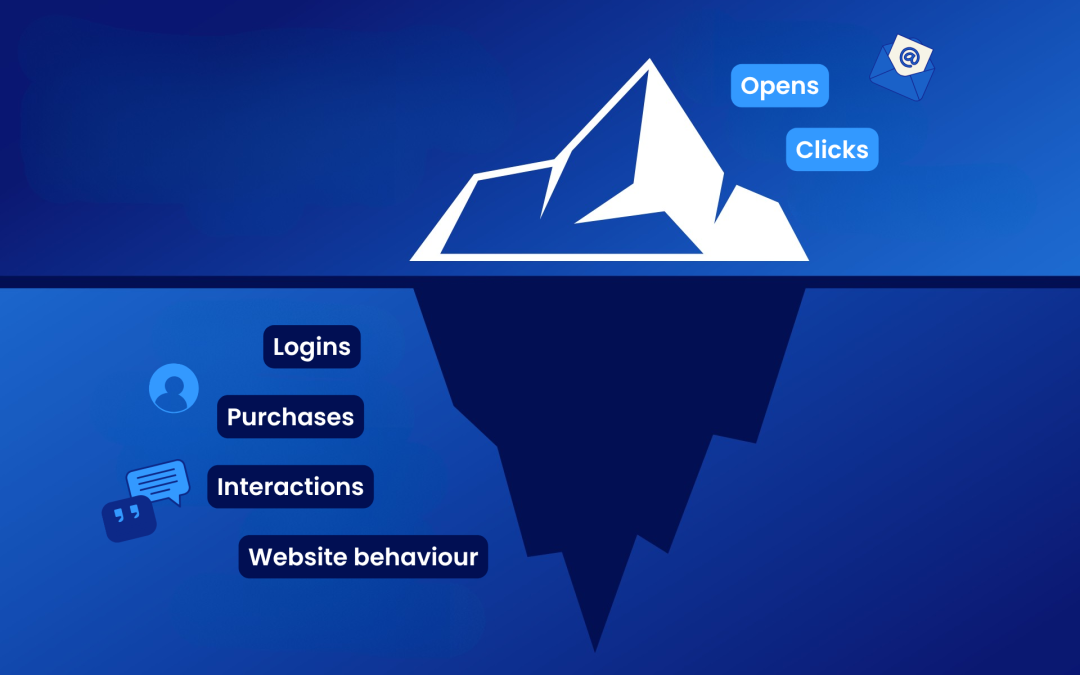
Real-time CDPs also support event streaming rather than file imports, which means every click, page view, purchase, and support interaction feeds into the unified profile continuously. The result is a customer view that reflects the present, not the past.
What data does a real-time CDP collect and unify?
A real-time CDP collects and unifies data from every touchpoint a customer has with your brand, including behavioural, transactional, demographic, and contextual data. It resolves these signals into a single, persistent customer profile, eliminating the fragmented data silos that plague most marketing stacks.
The data types a CDP platform typically ingests include:
- Behavioural data: Website visits, product page views, app interactions, and email engagement
- Transactional data: Purchase history, order values, return behaviour, and loyalty activity
- Demographic data: Name, location, age, and account information from CRM or registration forms
- Contextual data: Device type, session duration, referral source, and real-time location signals
- Offline data: In-store purchases, call centre interactions, and event attendance
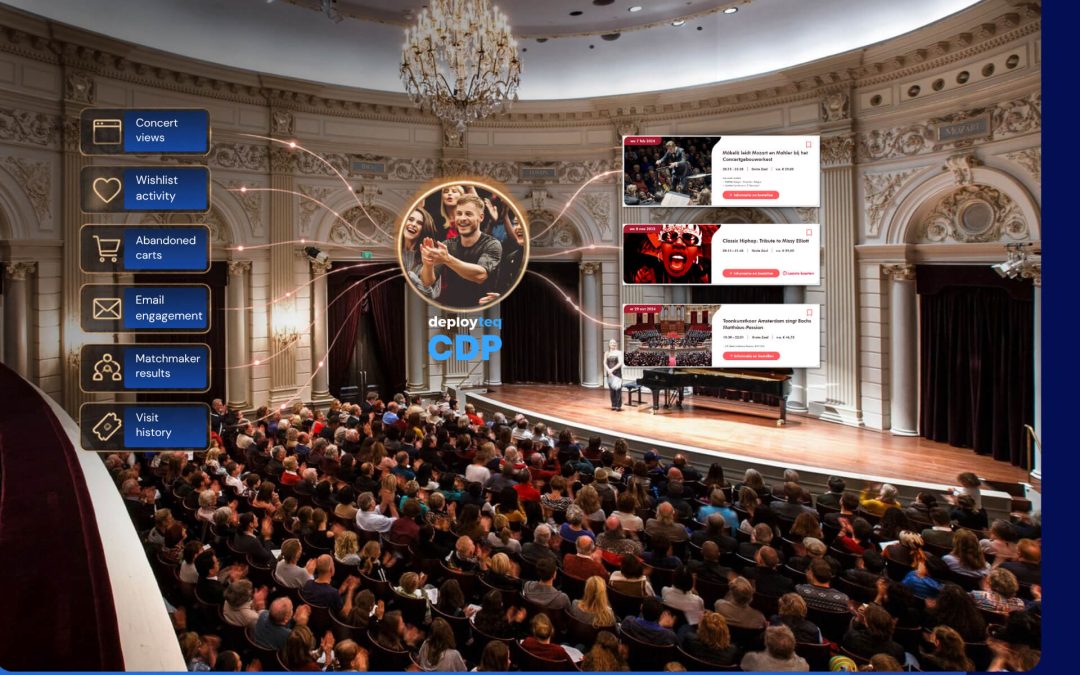
The unification process is where the CDP earns its value. Using identity resolution, the platform matches data from multiple sources to a single customer record, even when that customer uses different devices or channels. The output is a 360-degree single customer view that powers smarter segmentation and more relevant messaging.
What are the main use cases for a real-time CDP?
The main use cases for a real-time customer data platform are personalisation at scale, real-time triggered campaigns, advanced audience segmentation, predictive modelling, and cross-channel journey orchestration. Each use case becomes more powerful when data is live rather than stale.
Here is how these use cases play out across sectors:
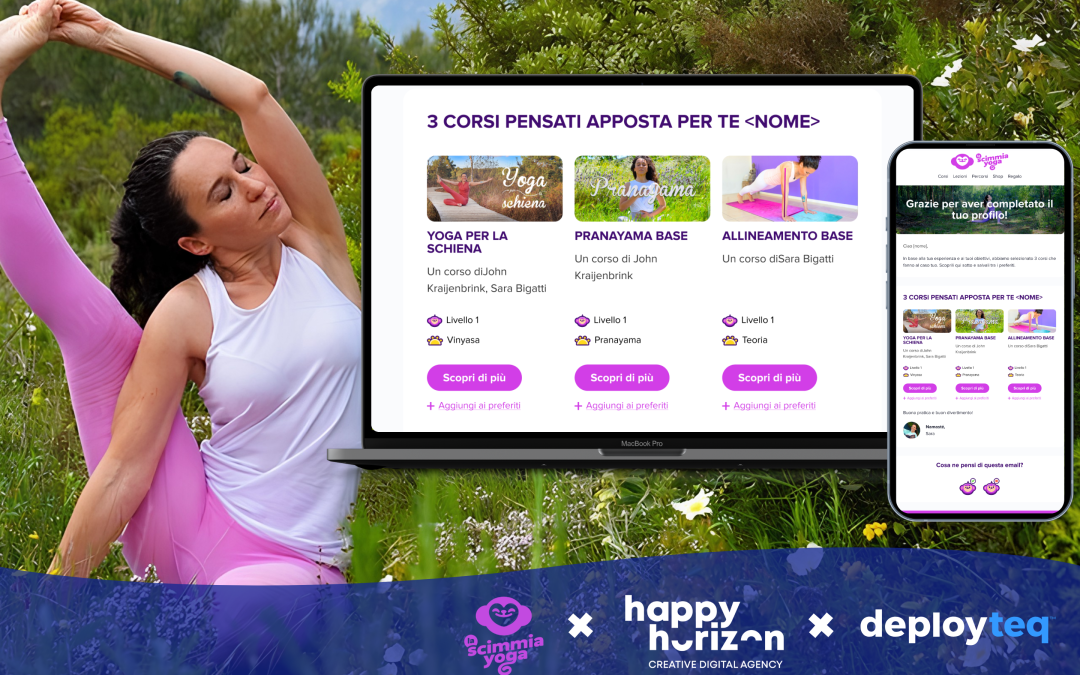
- Personalisation at scale: A retail brand uses live browsing data to serve product recommendations that reflect what a customer is interested in today, not what they bought three months ago.
- Real-time triggered campaigns: A travel brand fires an abandoned-search email within minutes of a customer leaving the booking funnel, while intent is still high.
- Advanced segmentation: A finance brand builds dynamic segments based on RFM scoring, separating high-value active customers from lapsed ones for completely different nurture tracks.
- Predictive modelling: Using next-best-offer models, an entertainment platform surfaces the content or subscription tier most likely to convert each individual user.
- Cross-channel orchestration: A hospitality brand coordinates email, SMS, and push messaging so each channel complements the others rather than repeating the same message.
The common thread is activation. A CDP platform only delivers ROI when its unified data is connected to the channels where customers actually receive messages.
How does a real-time CDP connect to marketing channels?
A real-time CDP connects to marketing channels through native integrations, APIs, and direct activation layers built into the platform. When a customer profile updates, the CDP pushes that signal to connected channels instantly, triggering the right message at the right moment without manual intervention.
Most CDP platforms support connections to:
- Email marketing platforms
- SMS and WhatsApp messaging tools
- Push notification services for mobile and web
- Paid media platforms for audience syncing
- On-site personalisation engines for dynamic web content
The most effective setups use a direct activation model, where the CDP and the campaign execution layer are part of the same platform. This removes latency introduced by third-party connectors and ensures that the segment a marketer builds is the exact audience that receives the campaign, with no data loss in translation.
For teams managing marketing automation at scale, this tight integration between data and delivery is what separates a functional CDP from a genuinely useful one.
Who should use a real-time customer data platform?
A real-time customer data platform is best suited to marketing teams that manage large, complex customer bases across multiple channels and need to move beyond batch segmentation. If your campaigns are still based on static lists or weekly data exports, a real-time CDP is the upgrade that unlocks genuine personalisation.
The strongest candidates include:
- CRM and email marketers who need live segments rather than manually refreshed lists
- CMOs and marketing managers in retail, travel, hospitality, and finance who are accountable for LTV and retention metrics
- Data-driven teams that want to use predictive models like RFM and next-best-offer without relying on a separate data science function
- Brands scaling from simpler platforms that have outgrown the segmentation capabilities of tools like MailChimp or ActiveCampaign
If your data lives in silos and your personalisation is limited to first-name fields in subject lines, a customer data platform is the infrastructure investment that makes everything else in your stack work harder.
What’s the difference between a CDP, a CRM, and a DMP?
A CDP, a CRM, and a DMP all handle customer data, but they serve different purposes. A CRM manages relationships and sales interactions with known customers. A DMP handles anonymous, cookie-based audience data primarily for ad targeting. A CDP unifies all customer data, known and behavioural, into persistent profiles for personalised marketing activation.
Breaking this down further:
- CRM (Customer Relationship Management): Built for sales and service teams. Stores contact records, deal history, and account information. Excellent for managing one-to-one relationships but not designed for real-time behavioural data or campaign activation at scale.
- DMP (Data Management Platform): Built for paid media. Works with third-party, anonymised data to build ad audiences. Less relevant since the deprecation of third-party cookies and not designed for owned-channel marketing.
- CDP (Customer Data Platform): Built for marketers. Ingests first-party data from all sources, resolves it into unified profiles, and activates those profiles across owned channels like email, SMS, and web.
The practical distinction is that a CDP is the only one of the three designed to power real-time, personalised marketing campaigns using your own first-party data. CRMs and DMPs feed into it, but they do not replace it.
How Deployteq powers your real-time CDP strategy
We built our Customer Data Platform to close the gap between data and action. Everything we have described above, from unified profiles to real-time activation, is available natively within the Deployteq platform, so there is no need to stitch together separate tools.
Here is what our CDP delivers out of the box:
- 360-degree single customer view that visually connects every data point into one unified profile
- Intelligent modelling including RFM scoring, next-best-offer, and full lifecycle insights
- Direct campaign activation across email, SMS, WhatsApp, push, and web, without third-party connectors
- Hyper-personalised segmentation that updates in real time as customer behaviour changes
- Predictive insights that surface which customers are most likely to convert, churn, or upgrade
For marketing teams in travel, retail, hospitality, and finance who are ready to move beyond static lists and batch campaigns, Deployteq gives you the data infrastructure and the execution layer in one place. Book a demo and see how our CDP platform works in practice.