Fragmented customer data is one of the most common blockers to effective marketing. When your CRM, email platform, web analytics, and transaction history all live in separate silos, building a coherent picture of your customer becomes a daily struggle. Personalisation suffers, automation stalls, and your team spends more time reconciling data than acting on it.
If you are looking for a scattered customer data solution, the good news is that the fix is structural, not magical. Here are seven practical ways to connect customer data across touchpoints and turn it into campaigns that actually land.
The challenge of fragmented customer data
Most marketing teams are not short on data. They are short on connected data. A customer might browse your site, open an email, make a purchase in-store, and contact support via chat, all without those interactions ever being linked to a single profile.
The result is inconsistent messaging, missed triggers, and a customer experience that feels disjointed. Solving this is not just a technical challenge. It is a strategic priority. Data unification is what separates reactive marketing from genuinely personalised, timely communication.
1: Unify data with a customer data platform
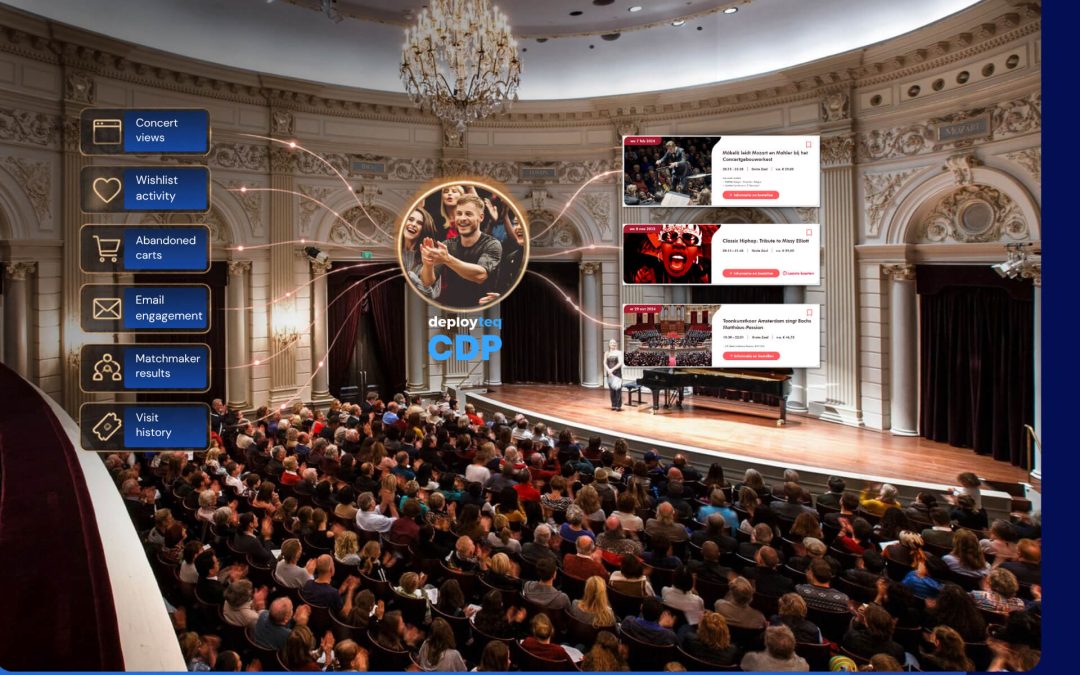
A Customer Data Platform is the most direct answer to the question of how to unify customer data. A CDP ingests data from every source, web behaviour, email engagement, purchase history, loyalty data, and CRM records, and resolves it into a single customer profile.
Unlike a data warehouse, a CDP is built for marketers. It makes unified profiles immediately actionable, feeding segments and triggers directly into your campaign tools. This means you can personalise in real time without waiting for a data team to pull a report.
Best suited for brands running multi-channel programmes where the same customer appears across several systems. The CDP becomes the single source of truth that every channel draws from.
2: Map every touchpoint in the customer journey
Before you can connect data, you need to know where it lives. Mapping every touchpoint in your customer journey reveals which systems capture interactions and where gaps exist. Think beyond the obvious channels. Include in-store, app, call centre, and even third-party partner data.
A thorough touchpoint audit often uncovers data sources that were never integrated, such as loyalty app events, post-purchase survey responses, or web chat transcripts. Each of these is a signal that, when connected, makes your customer view sharper and your segmentation more precise.
This mapping exercise also helps you prioritise. Not every touchpoint needs to be integrated on day one. Start with the highest-frequency interactions and build from there.
3: Use consistent identifiers across systems
Data unification breaks down when the same customer has a different ID in every system. A consistent identifier strategy, typically built around an email address, customer ID, or a hashed identifier, is what allows records from different platforms to be matched and merged reliably.
Establish a primary key early and enforce it across every new integration. Where legacy systems use different identifiers, build a mapping layer that translates between them. This is foundational work, but it pays dividends every time you run a segmentation or trigger a journey.
For retail and e-commerce brands in particular, linking anonymous web sessions to known customer records at the point of login or purchase is a critical step in closing the data gap.
4: Connect behavioural and transactional data
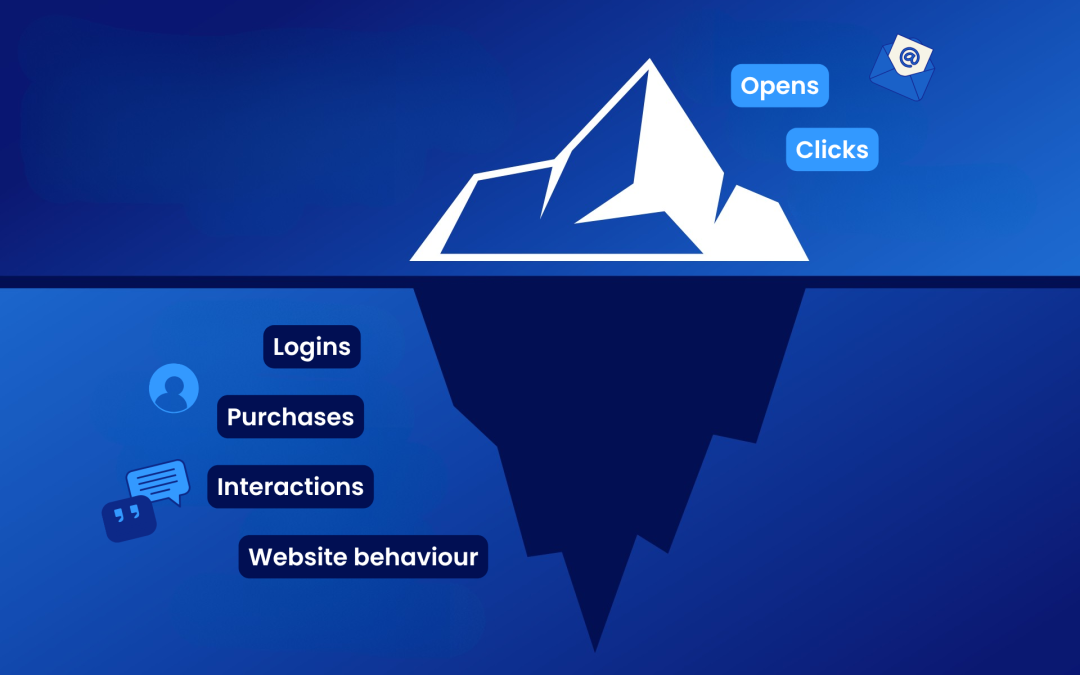
Transactional data tells you what a customer bought. Behavioural data tells you what they were interested in before, during, and after the purchase. Together, they create a profile that supports genuinely relevant communication.
For a travel brand, this might mean linking a customer’s browsing history for a specific destination with their past booking behaviour to trigger a timely, personalised offer. For a retailer, it means connecting product page views with purchase frequency to identify high-intent customers before they convert.
The key is ensuring these two data streams feed into the same profile in real time. Batch syncs that run overnight introduce latency that kills the relevance of time-sensitive triggers.
5: Leverage real-time segmentation signals
Static segments built on historical data age quickly. A customer who browsed winter coats last Tuesday may have already purchased elsewhere by the time your weekly batch job updates their segment. Real-time segmentation signals, such as a page visit, an abandoned basket, or an email click, allow you to act on intent while it is still live.
Building segments that update dynamically based on live behaviour requires your data infrastructure to support streaming events rather than scheduled imports. When it does, your marketing automation becomes genuinely responsive rather than just scheduled.
This is especially powerful in high-frequency sectors like entertainment and finance, where customer intent can shift within hours and the window for a relevant message is narrow.
6: Automate data flows between platforms
Manual data exports and imports are a bottleneck. If your team is regularly downloading CSVs from one platform and uploading them to another, you are introducing lag, errors, and unnecessary workload. Automating data flows through API connections or native integrations removes this friction entirely.
Set up automated syncs that push updated customer attributes, event data, and segment memberships between your platforms in near real time. This keeps every tool working from the same current data without anyone having to manage the process manually.
For teams managing complex customer lifecycles across CRM, email, SMS, and web, automated data flows are not a nice-to-have. They are what makes the whole system function as intended.
7: Apply predictive insights to connected data
Once your data is unified and flowing cleanly, you can move beyond describing what customers have done and start predicting what they are likely to do next. Models like RFM (Recency, Frequency, Monetary value) and next-best-offer analysis surface patterns that are impossible to spot manually at scale.
Predictive insights allow you to prioritise your highest-value customers, identify those at risk of churning before they disengage, and recommend products or content that align with individual purchase patterns. This is where connected data creates a genuine competitive advantage.
The more complete and consistent your unified profiles are, the more accurate these models become. Data quality upstream directly determines the quality of predictions downstream.
How Deployteq helps you unify customer data
We built our Customer Data Platform specifically to solve the challenges outlined above. It brings together every customer interaction into intelligent, unified profiles that are immediately actionable across all your marketing channels.
Here is what that looks like in practice:
- 360-degree single customer view that visually connects data from every source into one profile
- Intelligent modelling including RFM analysis, next-best-offer, and full lifecycle predictive insights
- Real-time segmentation that updates dynamically based on live behavioural signals
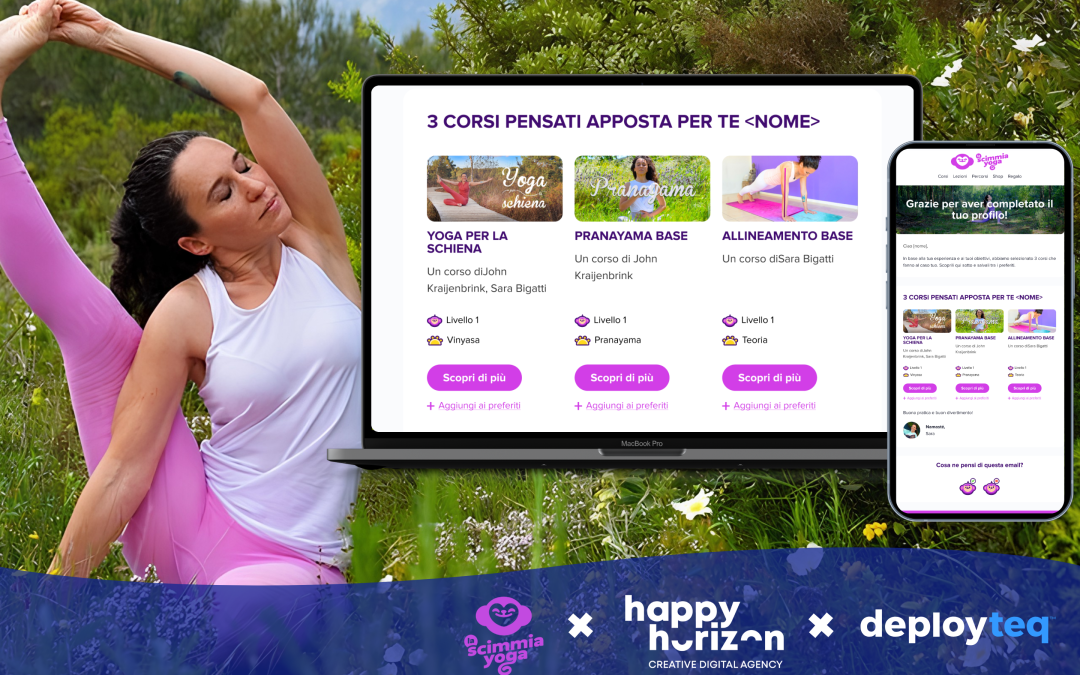
- Direct campaign activation across email, SMS, WhatsApp, push, and web without leaving the platform
- Hyper-personalised journeys powered by data you can actually use, not data locked in a warehouse
If fragmented data is holding your campaigns back, we can show you exactly how our CDP fits into your current stack. Book a demo and see what connected data looks like in action.