Building a customer lifecycle email cadence requires mapping five key stages: awareness, consideration, purchase, retention, and advocacy. Each stage needs specific messaging, timing intervals of 3-7 days, and behavioral triggers that automatically activate relevant sequences.
The most effective lifecycle cadences blend strategic timing with personalized content that matches where customers are in their journey. Smart marketers use data-driven triggers and behavioral signals to deliver the right message at precisely the right moment, creating seamless experiences that drive engagement and revenue.
Here’s how to build a lifecycle email cadence that converts at every stage of your customer journey.
What are the essential stages in a customer lifecycle email cadence?
A customer lifecycle email cadence consists of five core stages: awareness, consideration, purchase, retention, and advocacy. Each stage serves a distinct purpose in nurturing prospects through their journey from initial discovery to loyal brand advocates.
The awareness stage introduces your brand to new subscribers and establishes value through educational content. Welcome sequences, brand story emails, and helpful resources work to build trust and set expectations for future communications.
During the consideration stage, prospects evaluate your solutions against competitors. Product-focused emails, case studies, social proof, and comparison guides help move them closer to a purchase decision. This stage often includes nurture sequences that address common objections and highlight key benefits.
The purchase stage activates when prospects show buying intent through behaviors like cart abandonment or pricing page visits. These emails create urgency, remove friction, and provide final incentives to complete transactions. Cart recovery sequences and limited-time offers are common tactics here.
Retention emails keep existing customers engaged and encourage repeat purchases. Post-purchase onboarding, product tips, loyalty programs, and replenishment reminders help maximize customer lifetime value and reduce churn.
Finally, advocacy stage emails transform satisfied customers into brand ambassadors. Review requests, referral programs, and user-generated content campaigns encourage customers to share positive experiences and bring in new prospects.
How do you determine the right timing between lifecycle emails?
The optimal timing between lifecycle emails ranges from 1-2 days for high-intent sequences to 7-14 days for nurture campaigns, depending on the stage’s urgency and customer behavior patterns. Purchase-focused sequences need shorter intervals, while educational content can be spaced further apart.
For awareness and welcome sequences, send the first email immediately after signup, followed by emails at 1 day, 3 days, and 7 days. This creates momentum while the subscriber’s interest is highest. Educational nurture sequences work well with 5-7 day intervals to avoid overwhelming new contacts.
Cart abandonment and purchase-intent sequences require aggressive timing. Send the first email within 1-3 hours, the second after 24 hours, and a final email at 72 hours. This compressed timeline matches the urgency of the situation and captures customers before they move on.
Retention sequences can use longer intervals since the relationship is established. Post-purchase emails might follow a 1-day, 7-day, 30-day pattern, while loyalty campaigns can run monthly or quarterly depending on purchase frequency.
Test different timing intervals using A/B splits to find what works for your audience. Monitor engagement rates, unsubscribe rates, and conversion metrics to optimize your cadence. Some industries, like travel, require faster sequences due to booking urgency, while B2B services can use longer intervals that match extended sales cycles.
What triggers should activate each lifecycle email sequence?
Lifecycle email sequences should activate based on specific behavioral triggers, demographic data, and time-based events that signal where customers are in their journey. The most effective triggers combine multiple data points to ensure relevance and timing accuracy.
Welcome sequences trigger immediately when someone subscribes to your email list, downloads content, or creates an account. These behavioral signals indicate initial interest and readiness to learn more about your brand.
Consideration sequences activate when prospects engage with product pages, download buying guides, or attend webinars. Page visit tracking, content downloads, and event attendance create clear signals of purchase intent that warrant more targeted messaging.
Purchase sequences trigger on shopping behaviors like adding items to a cart, starting checkout, or abandoning the process. E-commerce platforms can track these actions in real time and automatically launch recovery campaigns within hours.
Retention sequences use purchase history, login activity, and engagement levels as triggers. A customer who hasn’t opened emails in 30 days might enter a re-engagement campaign, while recent buyers receive onboarding sequences to maximize product adoption.
Advocacy triggers include positive review submissions, high satisfaction scores, or repeat purchase milestones. These signals identify your most satisfied customers who are most likely to refer others or provide testimonials.
Advanced marketing automation platforms can combine multiple triggers using AND/OR logic. For example, trigger a VIP sequence when someone makes three purchases AND has a high engagement score AND hasn’t received a loyalty offer in 90 days.
How do you personalize content for different lifecycle stages?
Personalize lifecycle email content by matching messaging tone, product recommendations, and calls-to-action to each stage’s specific needs and customer mindset. Use behavioral data, purchase history, and demographic information to create relevant experiences that feel individually crafted.
Awareness stage personalization focuses on educational value and brand introduction. Use signup source data to reference how they found you, and segment content based on interests indicated during subscription. Someone who downloaded a pricing guide needs different messaging than someone who signed up for a newsletter.
Consideration stage emails should highlight products or services most relevant to their browsing behavior. If someone viewed specific product categories, feature those items prominently. Use social proof from similar customers and address objections common to their industry or demographic.
Purchase stage personalization creates urgency while removing friction. Show exact items left in a cart, offer relevant upsells based on cart contents, and provide customer service contact information. Use location data to highlight local shipping options or store availability.
Retention emails leverage purchase history for highly relevant recommendations. Send replenishment reminders based on typical usage cycles, suggest complementary products, and provide tips for getting more value from previous purchases.
Advocacy personalization acknowledges their loyalty and makes sharing easy. Reference specific products they’ve purchased in review requests, offer referral incentives that match their interests, and highlight how their feedback helps other customers.
Dynamic content blocks within your email marketing platform can automatically swap images, products, and messaging based on customer data, creating truly personalized experiences at scale.
Which metrics reveal if your lifecycle cadence is working?
Monitor open rates, click-through rates, conversion rates, and customer lifetime value to measure lifecycle cadence effectiveness. The most important metric is progression rate – how many subscribers advance from one stage to the next within your defined timeframes.
Track stage-specific metrics that align with each phase’s goals. Awareness sequences should show high open rates and engagement with educational content. Consideration sequences need strong click-through rates to product pages and content downloads.
Purchase sequences require conversion rate tracking from email to completed sale. Monitor cart recovery rates, average order value from email traffic, and time from first email to purchase completion. These metrics reveal how effectively your sequences remove friction and create urgency.
Retention sequences need different success indicators. Track repeat purchase rates, customer lifetime value increases, and engagement scores over time. Monitor how many customers remain active after onboarding sequences and whether retention emails reduce churn rates.
Advocacy metrics include review submission rates, referral program participation, and user-generated content creation. These indicate whether satisfied customers are willing to actively promote your brand to others.
Overall cadence health requires monitoring unsubscribe rates, spam complaints, and email deliverability scores. Rising unsubscribe rates might indicate timing issues or content misalignment with subscriber expectations.
Use cohort analysis to compare customer groups who received different cadence versions. This reveals which sequences drive better long-term value and helps optimize your entire lifecycle approach.
How Deployteq helps with customer lifecycle email cadences
We provide the advanced automation and data capabilities needed to build sophisticated lifecycle email cadences that drive real results. Our platform combines intelligent triggering, dynamic personalization, and comprehensive analytics to optimize every stage of your customer journey.
Here’s how we solve lifecycle cadence challenges:
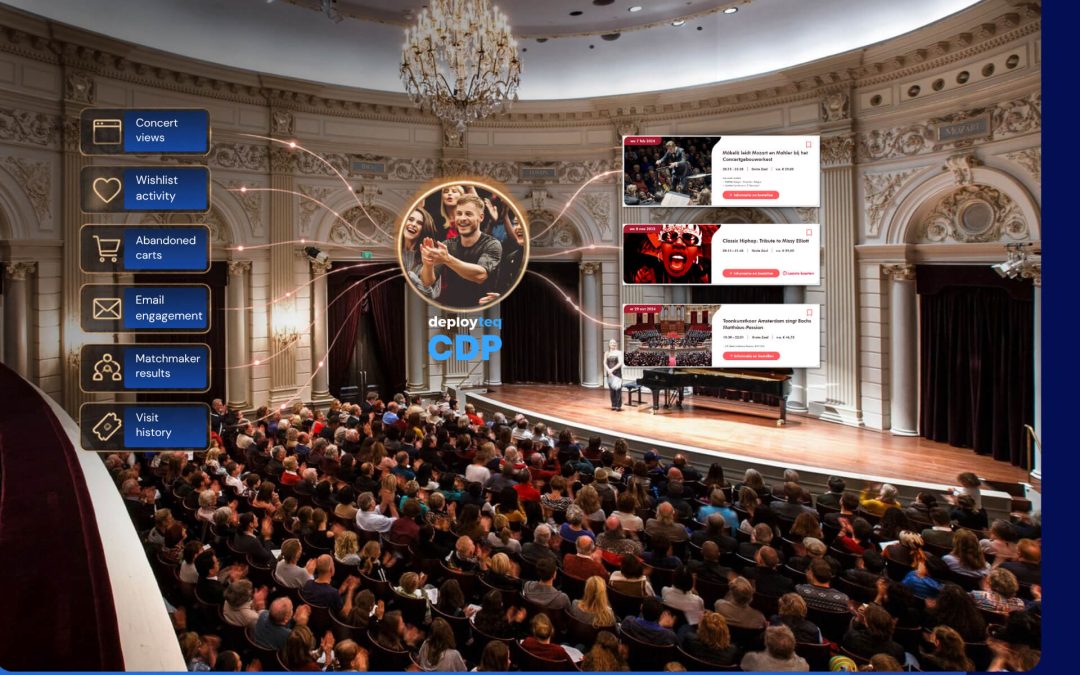
- Smart segmentation: Our Customer Data Platform unifies all customer touchpoints, enabling precise behavioral triggers and advanced segmentation for each lifecycle stage.
- Automated journey building: Our drag-and-drop journey builder lets you create complex, multi-stage cadences with conditional logic and real-time personalization.
- Cross-channel coordination: Seamlessly coordinate email sequences with SMS, push notifications, and web experiences for consistent messaging across all touchpoints.
- Predictive insights: Built-in RFM modeling and next-best-offer recommendations ensure you’re sending the most relevant content at optimal times.
- Real-time optimization: Advanced analytics track progression rates, conversion metrics, and lifecycle performance to continuously improve your cadences.
Ready to build lifecycle email cadences that convert at every stage? Book a demo to see how our platform transforms your customer journey automation.