Getting your e-commerce automation right starts with choosing the right triggers to launch your customer journeys. The difference between a campaign that converts and one that falls flat often comes down to timing and relevance—both of which depend entirely on the triggers you set up.
Smart trigger selection transforms generic marketing into personalized experiences that feel natural to your customers. When you nail your trigger strategy, your automated journeys become powerful revenue drivers that work around the clock, nurturing prospects and delighting existing customers without constant manual intervention.
What are automated journey triggers in e-commerce?
Automated journey triggers are specific conditions or events that automatically start a marketing campaign or customer journey when they’re met. These triggers monitor customer behavior, purchase history, or time-based milestones to deliver timely, relevant messaging across email, SMS, push notifications, and other channels.
In e-commerce, triggers act as the intelligence behind your marketing automation system. They eliminate guesswork by responding to real customer actions and signals. For example, when someone abandons their cart, browses a specific product category, or reaches the one-year anniversary of their first purchase, the trigger fires and launches a pre-designed journey tailored to that exact scenario.
The most effective triggers combine behavioral data with customer lifecycle stages. This creates highly contextual experiences that feel personal rather than automated. Your trigger strategy determines whether customers receive helpful, timely messages or irrelevant interruptions that damage your brand relationship.
Which behavioral triggers drive the highest conversions?
Browse abandonment, cart abandonment, and post-purchase cross-sell triggers consistently deliver the highest conversion rates in e-commerce. These triggers capture customers at peak-interest moments when purchase intent is strongest, making the messaging highly relevant and actionable.
Browse abandonment triggers activate when customers view products but leave without purchasing. These journeys typically achieve 15–25% higher engagement than general promotional emails because they reference specific products the customer has already shown interest in. The key is sending the first message within 2–4 hours, while the products remain top of mind.
Cart abandonment remains the conversion champion because it targets customers who’ve already decided to buy but got distracted. Effective cart recovery sequences send the first reminder within one hour, followed by additional messages at 24 hours and 72 hours. Including product images, customer reviews, and limited-time incentives dramatically improves recovery rates.
Post-purchase cross-sell triggers leverage the momentum of a completed transaction. Customers who have just bought are more likely to purchase complementary items, especially within the first 7–14 days. These triggers work best when recommending genuinely useful add-ons rather than random products.
How do purchase-based triggers improve customer retention?
Purchase-based triggers improve customer retention by creating ongoing value touchpoints that extend beyond the initial transaction. These triggers use buying patterns, order frequency, and product lifecycle data to deliver timely replenishment reminders, loyalty rewards, and personalized recommendations that keep customers engaged long term.
Replenishment triggers are particularly powerful for consumable products. By analyzing average consumption rates, you can remind customers to reorder just before they run out. This proactive approach positions your brand as helpful rather than pushy, building trust while driving repeat purchases. Beauty brands, pet supply companies, and household-goods retailers see exceptional results from well-timed replenishment campaigns.
Win-back triggers target customers showing signs of disengagement before they fully churn. These triggers monitor purchase-frequency patterns and activate when customers exceed their normal buying cycle. Early intervention with personalized offers or helpful content often re-engages customers who might otherwise drift away to competitors.
Anniversary and milestone triggers celebrate customer relationships at meaningful moments. First-purchase anniversaries, loyalty-tier achievements, and birthday campaigns create positive brand associations that strengthen emotional connections. These triggers work because they focus on the customer rather than pushing products.
What’s the difference between time-based and event-based triggers?
Time-based triggers activate according to predetermined schedules or time intervals, while event-based triggers respond immediately to specific customer actions or behaviors. Time-based triggers offer predictable campaign timing, whereas event-based triggers provide real-time responsiveness and higher relevance.
Time-based triggers include scheduled campaigns like weekly newsletters, monthly product updates, or seasonal promotions. They also encompass relative timing such as “7 days after signup” or “30 days since the last purchase.” These triggers excel at maintaining a consistent communication rhythm and work well for educational content, brand building, and predictable customer needs.
Event-based triggers fire instantly when customers perform specific actions like making a purchase, downloading content, or reaching a spending threshold. These triggers create immediate, contextual responses that feel natural and timely. The instant feedback loop between customer action and brand response significantly improves engagement and conversion rates.
The most effective automation strategies combine both trigger types strategically. Event-based triggers handle immediate responses to customer behavior, while time-based triggers maintain ongoing relationship nurturing and ensure no customer falls through the cracks. This hybrid approach maximizes both responsiveness and consistent touchpoint coverage.
How do you set up effective abandoned cart triggers?
Effective abandoned cart triggers require a three-email sequence sent at strategic intervals: within 1 hour, after 24 hours, and 72 hours after abandonment. Each message should include cart contents, product images, and progressively stronger incentives while maintaining urgency without being pushy.
The first email should arrive quickly while the shopping session remains fresh in the customer’s mind. Focus on helpfulness rather than pressure by including cart contents, easy return links, and answers to common concerns like shipping costs or return policies. Keep the subject line simple and direct, such as “You left something behind” or “Complete your order.”
Your second message can introduce social-proof elements like customer reviews, stock levels, or popularity indicators. This email should address potential hesitations by highlighting product benefits, offering customer service contact options, or providing size guides and detailed specifications. Consider including a small incentive like free shipping to overcome price sensitivity.
The final email creates appropriate urgency through limited-time offers or stock notifications. This message can include your strongest incentive, such as a percentage discount or an exclusive bonus item. However, avoid false scarcity tactics that damage trust. Instead, focus on genuine value propositions that make completing the purchase feel beneficial rather than pressured.
Which customer lifecycle triggers should every e-commerce store use?
Every e-commerce store should implement welcome series, purchase confirmation and follow-up, win-back campaigns, and VIP recognition triggers. These four trigger types cover the complete customer journey from first interaction through long-term loyalty, ensuring no critical touchpoint is missed.
Welcome series triggers activate immediately after email signup or account creation, delivering 3–5 messages over 7–14 days. This sequence should introduce your brand story, highlight best-selling products, share social proof, and provide helpful resources. Welcome series consistently achieve the highest open rates of any automated campaign because new subscribers are at peak engagement.
Purchase confirmation triggers extend beyond basic order receipts to include shipping updates, delivery confirmations, and post-purchase education. These messages have exceptional open rates because customers actively expect them. Use this attention to provide care instructions, styling tips, or complementary product suggestions that enhance the purchase experience.
Win-back triggers target inactive customers before they completely disengage. Set these triggers to activate after 60–90 days of inactivity, depending on your typical purchase cycles. Effective win-back campaigns focus on reconnecting rather than immediate selling, often featuring customer feedback requests, exclusive previews, or personalized recommendations based on past purchases.
VIP recognition triggers celebrate your best customers through exclusive access, early product launches, or special discounts. These triggers can activate based on spending thresholds, purchase frequency, or engagement levels. Customer data platforms make it easier to identify and segment these high-value customers for targeted recognition campaigns.
How Deployteq helps with automated journey triggers
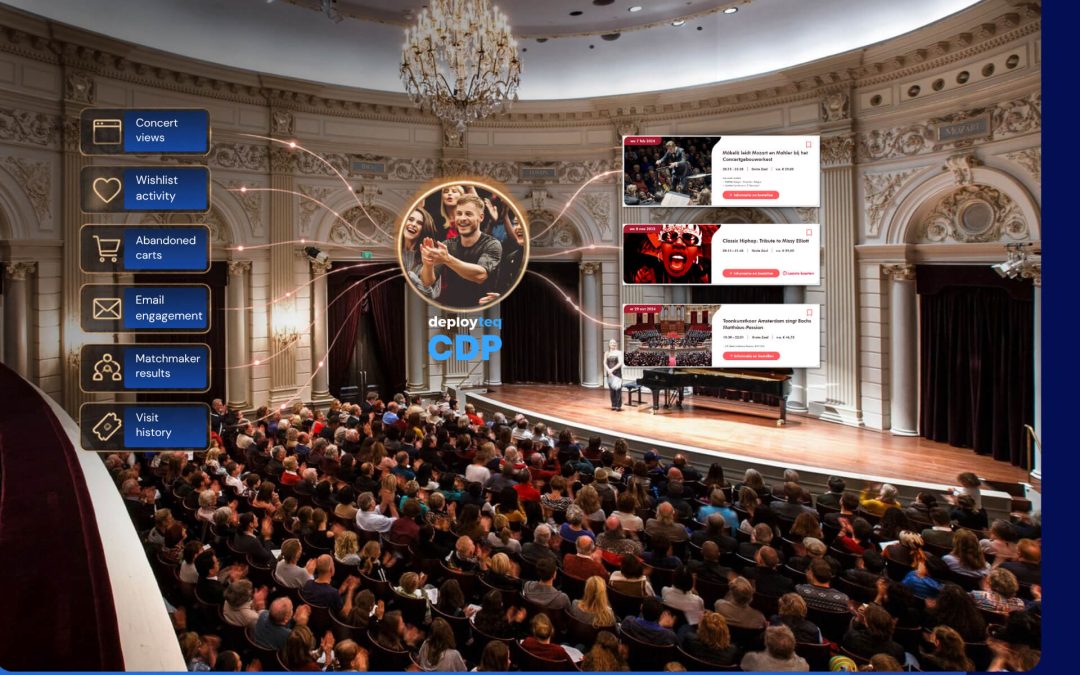
We make trigger-based marketing automation simple and powerful through our intelligent journey builder and unified customer data platform. Our platform automatically captures behavioral signals across all touchpoints, making it easy to set up sophisticated trigger combinations that respond to real customer actions in real time.
Here’s how we streamline your trigger strategy:
- Smart trigger recommendations: Our platform suggests optimal trigger setups based on your industry and customer behavior patterns.
- Real-time activation: Triggers fire instantly across email, SMS, WhatsApp, and push notifications without delays.
- Advanced segmentation: Combine behavioral triggers with demographic and purchase data for hyper-personalized journey paths.
- Performance optimization: Built-in analytics show which triggers drive the highest conversions, so you can refine your strategy.
Ready to transform your e-commerce automation with intelligent triggers? Book a demo to see how our platform can automate your customer journeys and drive measurable results from day one.