A customer data platform improves email marketing performance by unifying fragmented customer data into a single, actionable profile, enabling smarter segmentation, real-time triggers, and personalisation that goes far beyond basic merge tags. The result is more relevant emails, stronger engagement rates, and measurable lifts in conversion and retention. Below, we unpack exactly how that works across the key questions marketers are asking right now.
What data does a CDP actually unify for email campaigns?
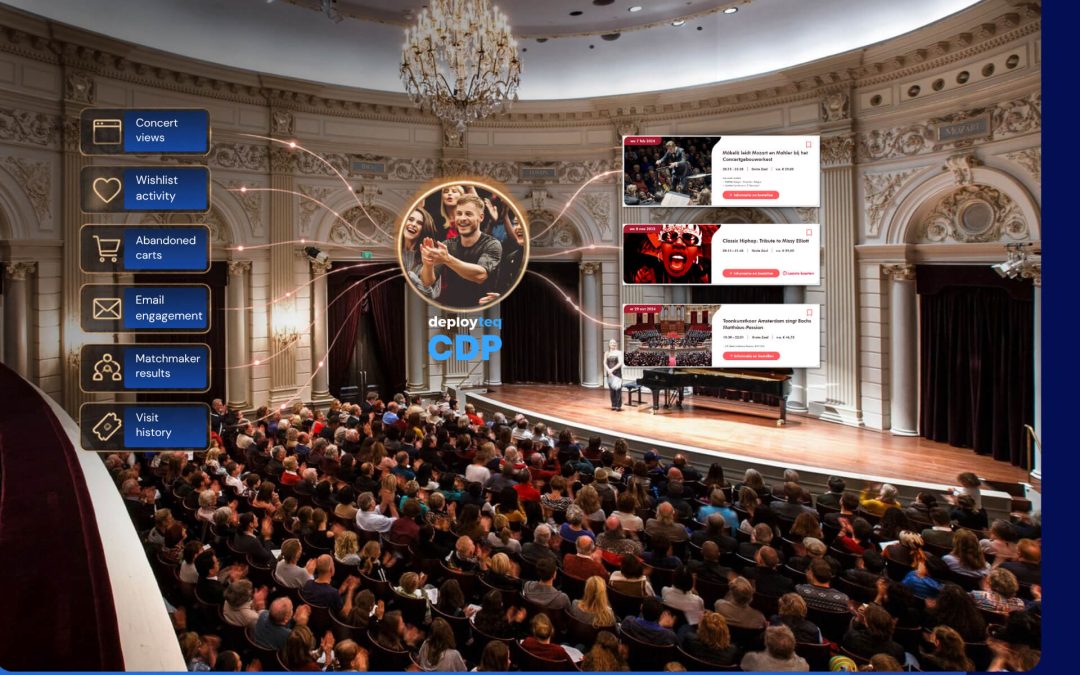
A CDP platform unifies behavioural, transactional, demographic, and engagement data from every touchpoint into a single customer profile. This includes website activity, purchase history, loyalty status, CRM records, app interactions, and email engagement signals, all consolidated in one place and made available for campaign activation.
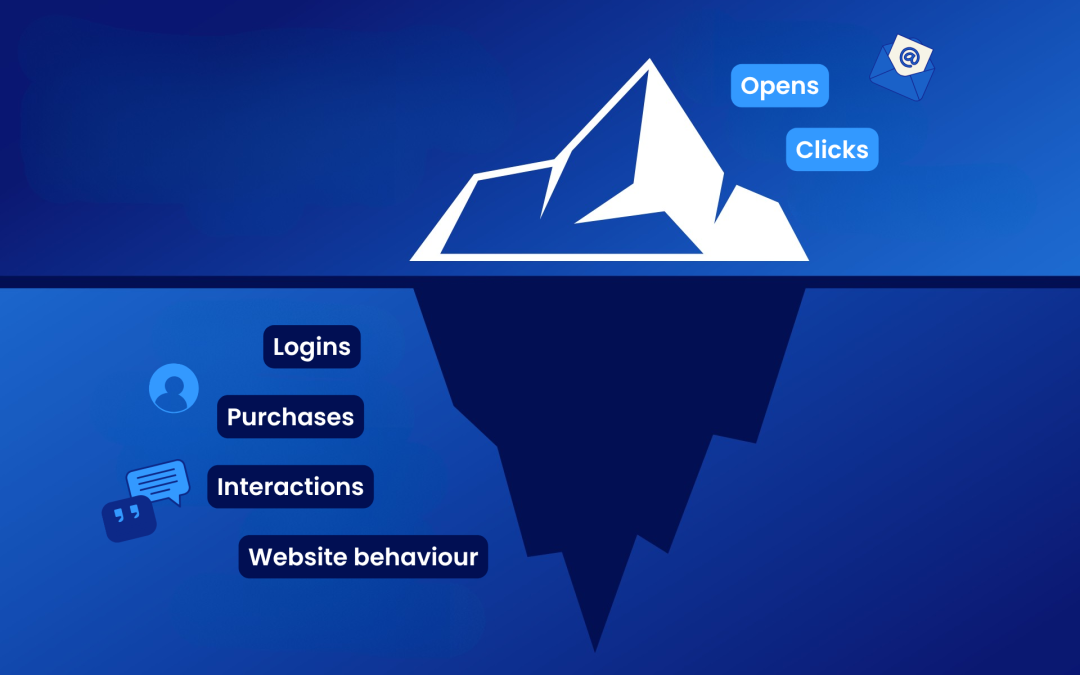
Without this unification, email teams typically work from siloed data sources: one system holds purchase history, another holds browsing behaviour, and the ESP holds open and click data. None of these systems talk to each other in real time, which means the email you send is based on an incomplete picture of the customer.
A CDP changes that by pulling all these sources together and resolving them into a single customer identity. For a travel brand, that means knowing a customer browsed skiing holidays, has a loyalty tier, and last booked 14 months ago, all at the moment you trigger a campaign. That context is what makes the difference between a generic newsletter and a genuinely relevant message.
How does a CDP improve email segmentation?
A CDP improves email segmentation by enabling real-time customer data to power dynamic, behaviour-based segments rather than static lists. Instead of segmenting on last purchase date alone, marketers can combine recency, frequency, monetary value, predicted churn risk, and live behavioural signals to create highly precise audience groups.
Traditional segmentation relies on scheduled data exports or batch updates, which means your segments are always slightly out of date. A real-time customer data platform updates profiles continuously, so a customer who just made a purchase drops out of a win-back segment automatically, and a customer who just abandoned a basket enters a recovery flow within minutes.
Practically, this unlocks segments that were previously impossible to build:
- Customers with high LTV who have not engaged in the last 60 days
- Loyalty members who have browsed a category three or more times without purchasing
- Customers predicted to churn based on RFM scoring
- New subscribers whose first purchase matches a high-margin product category
These are the segments that drive real commercial outcomes, and they require unified, real-time data to build accurately.
What’s the difference between a CDP and an ESP for email marketing?
An ESP (Email Service Provider) handles the sending, templating, and delivery of emails. A CDP handles the data layer that informs who receives what message and when. They serve different functions, but together they form a significantly more powerful email marketing stack than either can deliver alone.
Your ESP is excellent at what it does: building templates, managing deliverability, running A/B tests, and reporting on opens and clicks. But it only knows what you tell it. If your ESP does not have access to a customer’s full purchase history, app behaviour, or predicted next-best offer, its segmentation and personalisation capabilities are limited by that data gap.
A CDP sits upstream of the ESP, enriching every campaign with the full customer profile before the email is sent. It answers questions like: What did this customer buy last? What are they likely to want next? Are they at risk of churning? The ESP then executes the send based on those answers.
For marketers upgrading their email platform, integrating a CDP is often the step that unlocks the most significant performance gains, because the data layer is where the real personalisation opportunity lives.
How does a CDP enable personalisation beyond first-name tokens?
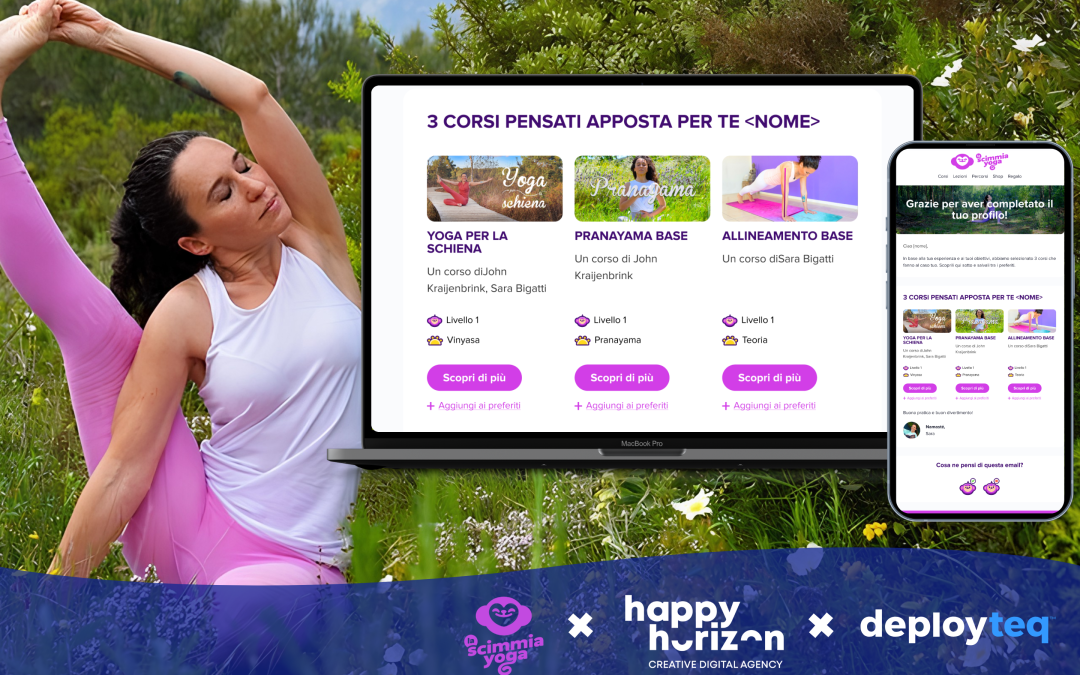
A CDP enables deep personalisation by making the full customer profile available at the point of send, including purchase history, predicted preferences, lifecycle stage, and real-time behavioural signals. This moves personalisation from cosmetic (inserting a name) to contextual (serving the right product, offer, or message at the right moment).
First-name tokens are table stakes. Customers expect them and barely notice them. What actually drives engagement is content that feels like it was built for them specifically, not just addressed to them.
With a CDP feeding your email campaigns, personalisation can operate at multiple levels simultaneously:
- Product recommendations based on purchase history and browsing behaviour
- Offer logic driven by RFM tier (a high-value customer gets a loyalty reward; a lapsing customer gets a reactivation incentive)
- Send-time optimisation based on individual engagement patterns
- Content blocks that swap dynamically based on lifecycle stage or predicted next-best offer
- Suppression logic that removes customers from irrelevant campaigns automatically
For a retail brand, this might mean a post-purchase email that recommends complementary products based on what was actually bought, not just what is trending. For a financial services brand, it might mean a lifecycle email triggered by a customer reaching a specific account milestone. The data makes the difference.
Which email marketing metrics improve with CDP integration?
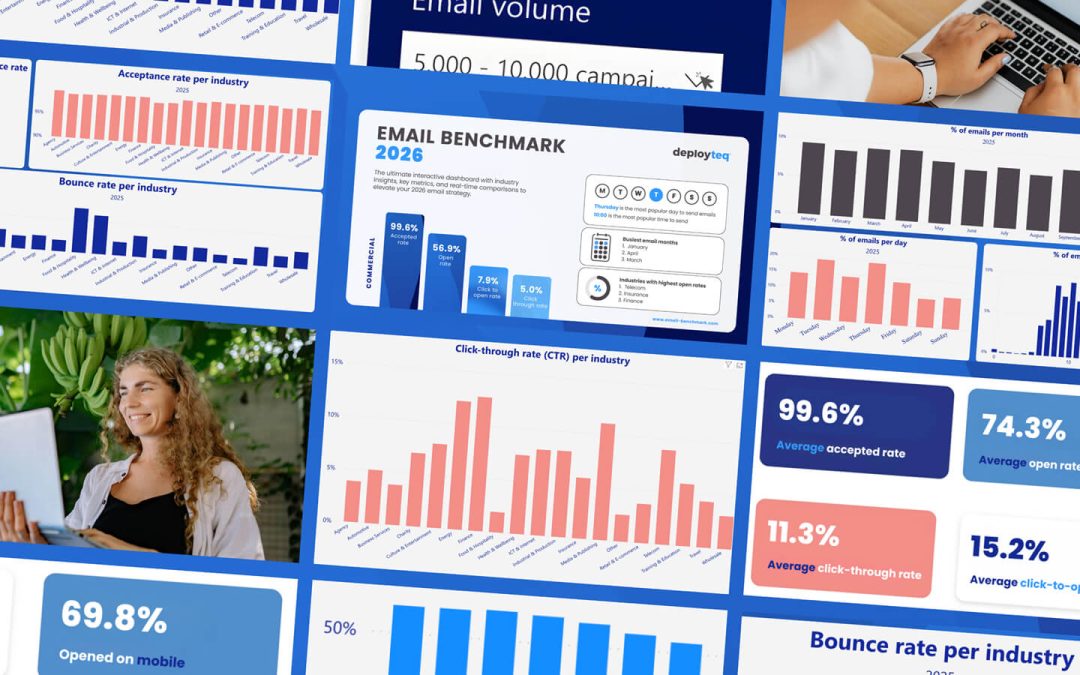
The email metrics that improve most consistently with CDP integration are click-through rate, conversion rate, and unsubscribe rate. Smarter segmentation and deeper personalisation mean emails are more relevant, which drives engagement up and opt-outs down. Revenue per email and overall email-attributed revenue also tend to improve as personalisation quality increases.
Open rates improve too, but they are increasingly unreliable as a standalone metric due to privacy-driven changes in email tracking. The metrics that matter more are downstream: did the customer click, convert, and stay subscribed?
CDP integration also improves the metrics you can measure in the first place. When customer data is unified, you can attribute email performance to actual business outcomes like repeat purchase rate, average order value, and customer lifetime value, rather than just campaign-level engagement stats.
Suppression accuracy also improves significantly. Sending fewer emails to the wrong people reduces spam complaints and protects sender reputation, which has a compounding positive effect on deliverability and inbox placement over time.
When should a brand integrate a CDP with its email platform?
A brand should integrate a CDP with its email platform when segmentation is limited by fragmented data, when personalisation has plateaued at a basic merge-tag level, or when the marketing team is spending significant time manually exporting and combining data from multiple systems. These are the clearest signals that the data layer is the bottleneck, not the email tool itself.
Other strong indicators include:
- You are sending the same email to large, undifferentiated lists because you cannot build more precise segments
- Your triggered campaigns rely on delayed or incomplete data, leading to irrelevant timing
- You have data in your CRM, ecommerce platform, or app that never makes it into your email campaigns
- You are upgrading from a simpler platform and want to build a more sophisticated stack from the start
The right time is not necessarily when you have perfect data. CDPs are designed to work with messy, fragmented data and clean it up over time. Waiting for perfect data before integrating is one of the most common reasons brands delay a move that would deliver results quickly.
How Deployteq’s CDP transforms your email marketing
Everything covered in this article, from unified profiles to real-time segmentation and predictive personalisation, is exactly what we built our Customer Data Platform to deliver. Launched at Deployteq Connect 2025, our CDP gives marketers and data teams a single, visual view of every customer, with intelligent modelling built in from day one.
Here is what that looks like in practice:
- 360-degree customer profiles that unify behavioural, transactional, and engagement data across every channel
- RFM scoring, next-best-offer modelling, and predictive insights available directly within campaign workflows
- Seamless activation across email, SMS, WhatsApp, push, and web, without switching platforms
- Hyper-personalised segments built on real-time data, not yesterday’s export
- Full lifecycle visibility so you can trigger the right message at every stage of the customer journey
If your email performance has plateaued and you know the data is the problem, book a self-guided demo and see how our CDP connects the dots for your campaigns.