Marketing automation promises to transform how businesses connect with customers, but the path from setup to success is filled with potential pitfalls. Many companies jump into automation expecting instant results, only to find their campaigns falling flat—or worse, alienating their audience.
The reality is that marketing automation mistakes can cost you more than just time and money. They can damage customer relationships, waste valuable data, and create operational chaos that takes months to untangle. Understanding these common missteps before they happen is the difference between automation that accelerates growth and automation that holds you back.
What are the biggest marketing automation mistakes businesses make?
The biggest marketing automation mistakes include launching without a clear strategy, ignoring data quality, automating too many processes simultaneously, and failing to test campaigns before deployment. These fundamental errors account for most automation failures across industries.
Poor planning tops the list because many businesses treat automation as a plug-and-play solution. They expect immediate results without mapping customer journeys or defining success metrics. This leads to generic, poorly timed messages that feel robotic rather than personal.
Another critical mistake is treating automation as a replacement for human oversight rather than an enhancement. Successful automation requires continuous monitoring, optimization, and strategic thinking. Companies that set campaigns and forget them miss opportunities to improve performance and often miss warning signs of declining engagement.
Finally, many businesses underestimate the importance of cross-team alignment. When marketing, sales, and customer service teams aren’t synchronized on automation goals and processes, customers receive conflicting messages that damage trust and brand consistency.
Why do marketing automation campaigns fail to deliver results?
Marketing automation campaigns fail primarily due to a lack of personalization, poor timing, insufficient testing, and misaligned expectations. Without proper audience segmentation and relevant content, automated messages become spam rather than valuable communications.
Timing issues plague many automated campaigns. Sending promotional emails immediately after a customer complaint or triggering a welcome series before preferences are captured creates negative experiences. Successful automation requires understanding customer context and emotional state, not just behavioral triggers.
Many campaigns also fail because businesses focus on quantity over quality. They create numerous automated touchpoints without ensuring each one adds genuine value. This approach overwhelms customers and dilutes the impact of truly important messages.
Additionally, unrealistic expectations doom campaigns from the start. Automation excels at nurturing relationships and maintaining engagement, but it cannot fix fundamental issues with product-market fit, pricing, or customer service. Setting appropriate benchmarks and timelines is essential for measuring true success.
How can poor data quality ruin your automation efforts?
Poor data quality destroys automation effectiveness by triggering incorrect messages, creating duplicate communications, enabling incorrect audience targeting, and generating misleading performance metrics. Clean, accurate data is the foundation that makes automation valuable rather than harmful.
Incorrect customer information leads to embarrassing personalization errors. Imagine sending anniversary celebration emails to customers who canceled subscriptions or addressing customers by the wrong names throughout entire journey sequences. These mistakes immediately signal that your brand doesn’t pay attention to customer details.
Duplicate records create particularly frustrating experiences. Customers receive multiple versions of the same campaign, sometimes with conflicting information or offers. This not only wastes marketing budget but also makes your brand appear disorganized and unprofessional.
Perhaps most dangerously, poor data quality skews automation performance metrics. When your customer data platform contains outdated or incorrect information, you cannot accurately measure campaign success or identify optimization opportunities. This leads to continued investment in ineffective strategies while missing genuine growth opportunities.
What happens when you automate too much too quickly?
Automating too much too quickly overwhelms both your team and your customers, creating operational chaos, reduced message quality, and decreased engagement rates. Gradual automation implementation allows for proper testing, optimization, and team adaptation.
Teams become overwhelmed when managing multiple new automated systems simultaneously. They cannot properly monitor performance, respond to issues, or optimize campaigns when everything launches at once. This often results in campaigns running unchecked while problems compound.
Customers also suffer from automation overload. When businesses suddenly increase communication frequency across multiple channels without considering customer preferences, engagement rates plummet. What was intended to improve the customer experience instead creates frustration and unsubscribes.
The technical infrastructure often cannot handle rapid automation expansion, either. Database performance slows, integration issues multiply, and system reliability decreases. Starting with core email marketing automation and gradually expanding to other channels ensures stable, scalable growth.
How do you avoid common email automation mistakes?
Avoid email automation mistakes by implementing proper testing protocols, maintaining clean subscriber lists, personalizing beyond first names, and monitoring engagement metrics closely. These practices ensure automated emails enhance rather than damage customer relationships.
Testing every automated email sequence before activation prevents embarrassing errors and poor performance. This includes checking personalization fields, verifying link functionality, testing across different devices and email clients, and confirming that trigger conditions work correctly.
List hygiene remains crucial for automation success. Regularly remove inactive subscribers, update contact information, and segment audiences based on engagement levels. Sending automated emails to disengaged subscribers hurts deliverability and wastes resources.
True personalization goes far beyond inserting customer names. Use purchase history, browsing behavior, and engagement patterns to create relevant, timely content. Automated emails should feel like natural conversation continuations, not obvious marketing blasts.
How Deployteq helps with marketing automation success
We built Deployteq specifically to help businesses avoid these common automation pitfalls through intelligent data management, advanced segmentation capabilities, and user-friendly campaign-building tools. Our platform ensures your automation efforts deliver results from day one.
Here’s how we address the most critical automation challenges:
- Smart data consolidation: Our Customer Data Platform automatically cleanses and unifies customer information, eliminating duplicate records and ensuring accurate personalization.
- Advanced segmentation: Create real-time, highly personalized customer segments that prevent irrelevant messaging and improve engagement rates.
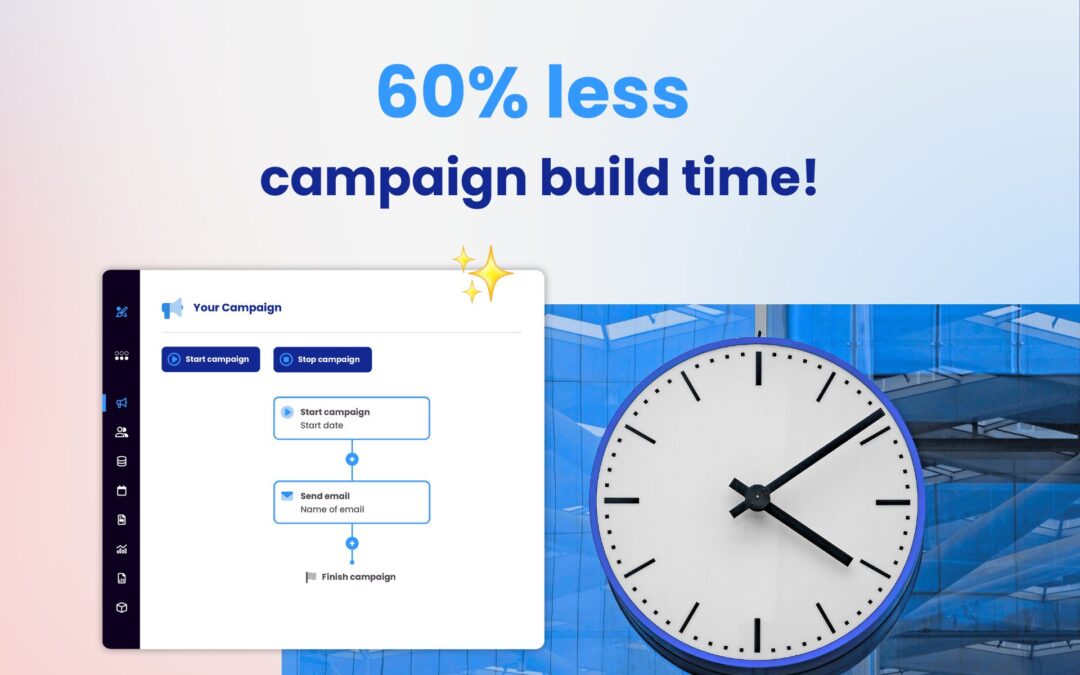
- Flexible journey builder: Design customer journeys with complete freedom while maintaining proper testing and optimization protocols.
- Cross-channel coordination: Manage email, SMS, WhatsApp, push, and web campaigns from one platform to ensure consistent messaging.
Ready to implement marketing automation that actually works? Book a demo to see how our platform helps you avoid costly mistakes while building customer relationships that drive real business growth.