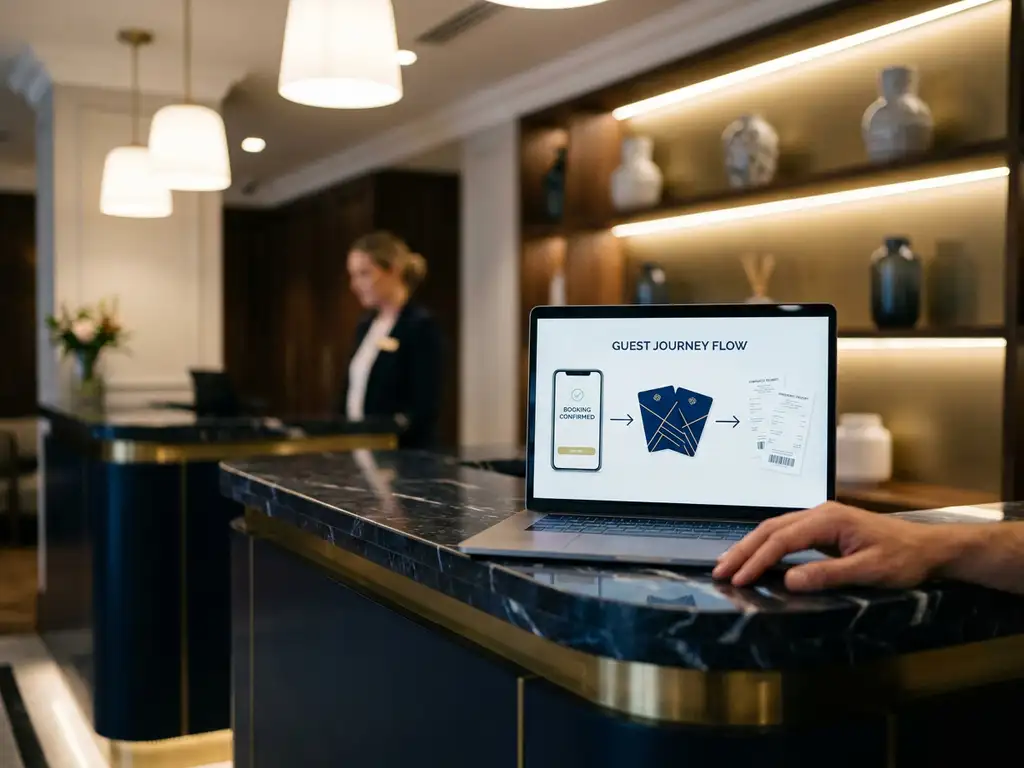
Hotels automate guest journey communications through triggered messaging systems that activate at key touchpoints, from booking confirmation to post-checkout follow-up. These automated sequences deliver personalized messages via email, SMS, and mobile apps based on guest actions, preferences, and booking details.
Modern hospitality brands use marketing automation platforms to orchestrate these communications, ensuring guests receive relevant information at precisely the right moments. The automation extends across pre-arrival preparations, on-property experiences, and post-stay engagement to maximize guest satisfaction and drive repeat bookings.
This comprehensive approach transforms manual communication processes into seamless, data-driven experiences that enhance both operational efficiency and guest loyalty.
What triggers automated communications at each stage of the hotel guest journey?
Hotel guest communications are triggered by specific actions and time-based events throughout the booking and stay lifecycle. Key triggers include booking confirmations, payment processing, pre-arrival deadlines, check-in completion, and checkout activities.
During the pre-booking phase, triggers activate when guests browse specific room types, abandon booking flows, or return to the website after initial research. These behavioral signals prompt targeted messaging designed to convert interest into confirmed reservations.
Post-booking triggers include immediate confirmation emails, payment receipt notifications, and countdown sequences leading to arrival. Hotels typically schedule pre-arrival communications at 30 days, 7 days, and 24 hours before check-in, each containing relevant preparation information.
On-property triggers respond to guest actions like mobile app downloads, spa bookings, restaurant reservations, and room service orders. Location-based triggers can activate when guests enter specific property areas, prompting relevant offers or information.
Post-stay triggers begin immediately after checkout, including receipt delivery, feedback requests, and loyalty program updates. Extended triggers continue with win-back campaigns for guests who haven’t returned within defined timeframes.
How do hotels personalize automated messages for different guest types?
Hotels personalize automated communications by segmenting guests based on booking patterns, demographics, stay history, and behavioral preferences. This segmentation enables tailored messaging that speaks directly to each guest’s specific needs and interests.
Business travelers receive communications focused on efficiency and productivity features like express check-in, business center hours, and meeting room availability. Messages emphasize time-saving services and professional amenities that support their work requirements.
Leisure guests receive content highlighting recreational activities, local attractions, dining experiences, and relaxation services. Families get information about kid-friendly amenities, while couples receive romantic dining suggestions and spa packages.
Loyalty program members receive personalized communications based on their tier status, earning history, and redemption preferences. High-value guests get exclusive offers and premium service notifications, while newer members receive education about program benefits.
Geographic personalization considers guests’ home locations, adjusting language preferences, currency displays, and regional offers. Weather-based personalization suggests appropriate activities and packing recommendations based on forecasted conditions during their stay.
Which communication channels do hotels automate for guest messaging?
Hotels automate communications across multiple channels, including email, SMS, mobile push notifications, WhatsApp, and in-app messaging. Email remains the primary channel for detailed information, confirmations, and promotional content due to its rich formatting capabilities.
SMS automation handles time-sensitive communications like check-in reminders, room ready notifications, and urgent property updates. Immediate delivery and high open rates make SMS ideal for operational messages requiring quick guest attention.
Mobile app push notifications engage guests who have downloaded the hotel’s app, delivering personalized offers, service updates, and location-based messaging. These notifications can trigger when guests are on-property or approaching the hotel.
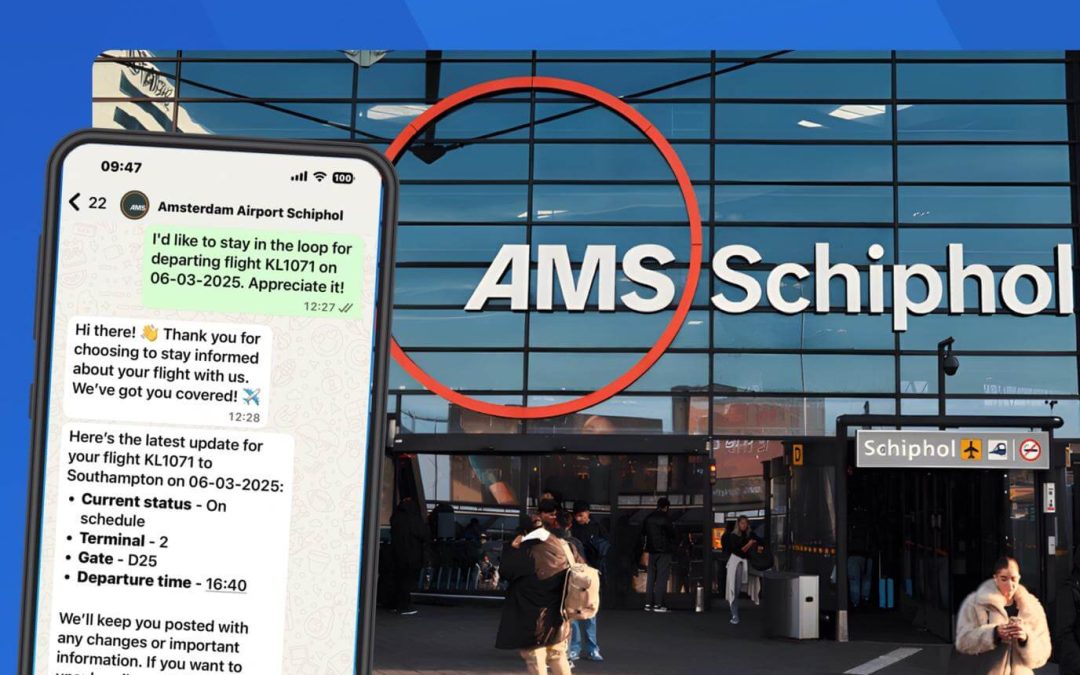
WhatsApp automation enables conversational messaging with rich media support, allowing hotels to send booking confirmations, travel documents, and interactive service menus. This channel works particularly well for international guests familiar with the platform.
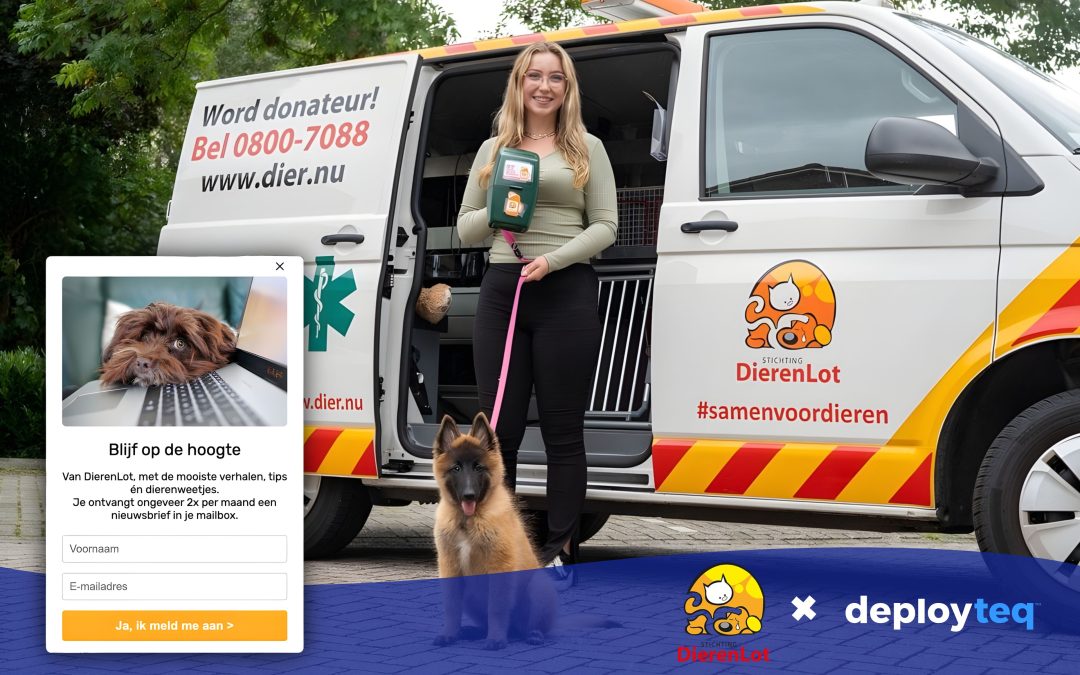
Web-based messaging includes automated chat responses and targeted pop-ups that activate based on browsing behavior. These tools capture potential guests during the research phase and provide immediate assistance without human intervention.
What guest data do hotels collect to power automated communications?
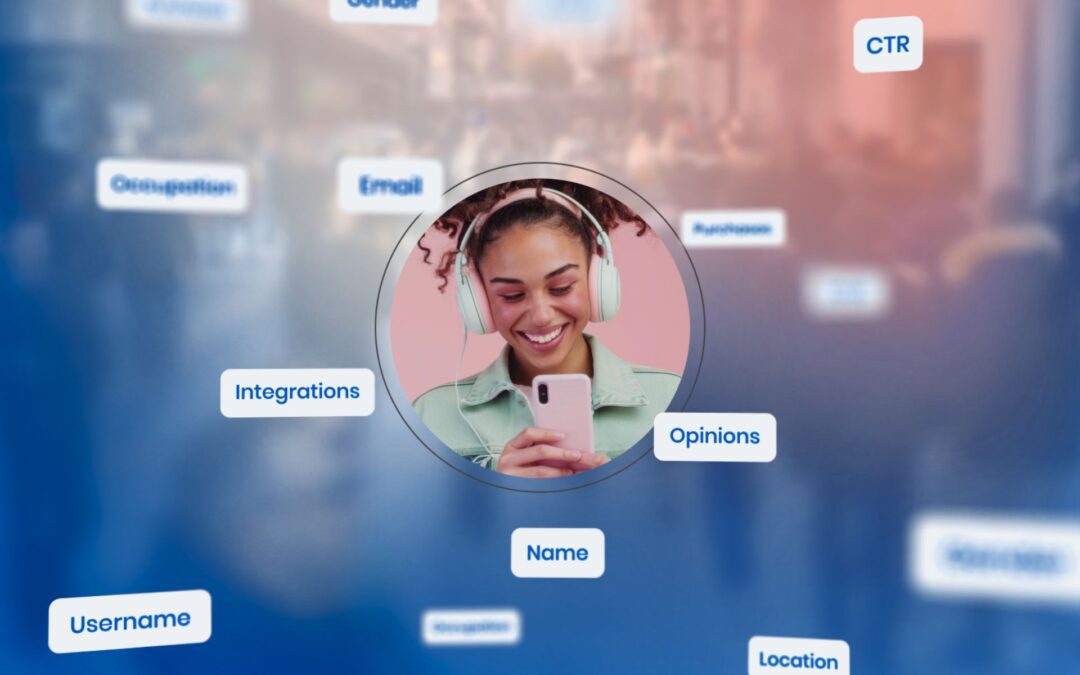
Hotels collect comprehensive guest data, including booking details, personal preferences, stay history, spending patterns, and behavioral interactions across all touchpoints. This data foundation enables sophisticated automation that responds to individual guest characteristics and needs.
Booking data encompasses room preferences, dates, party size, special requests, and payment information. This foundational dataset triggers initial communication sequences and informs personalization throughout the guest journey.
Behavioral data tracks website interactions, email engagement, mobile app usage, and on-property activities. Hotels monitor which emails guests open, links they click, and services they book to refine future messaging relevance.
Preference data includes dining restrictions, accessibility needs, communication channel preferences, and service interests collected through surveys, booking forms, and direct guest feedback. This information ensures automated messages align with individual guest needs.
Historical data analyzes past stays, spending patterns, complaint resolution, and loyalty program engagement. This longitudinal view enables predictive messaging that anticipates guest needs and identifies opportunities for enhanced experiences.
Integration with customer data platforms consolidates information from multiple sources, creating unified guest profiles that power more accurate and effective automated communications.
How do hotels measure the success of automated guest communications?
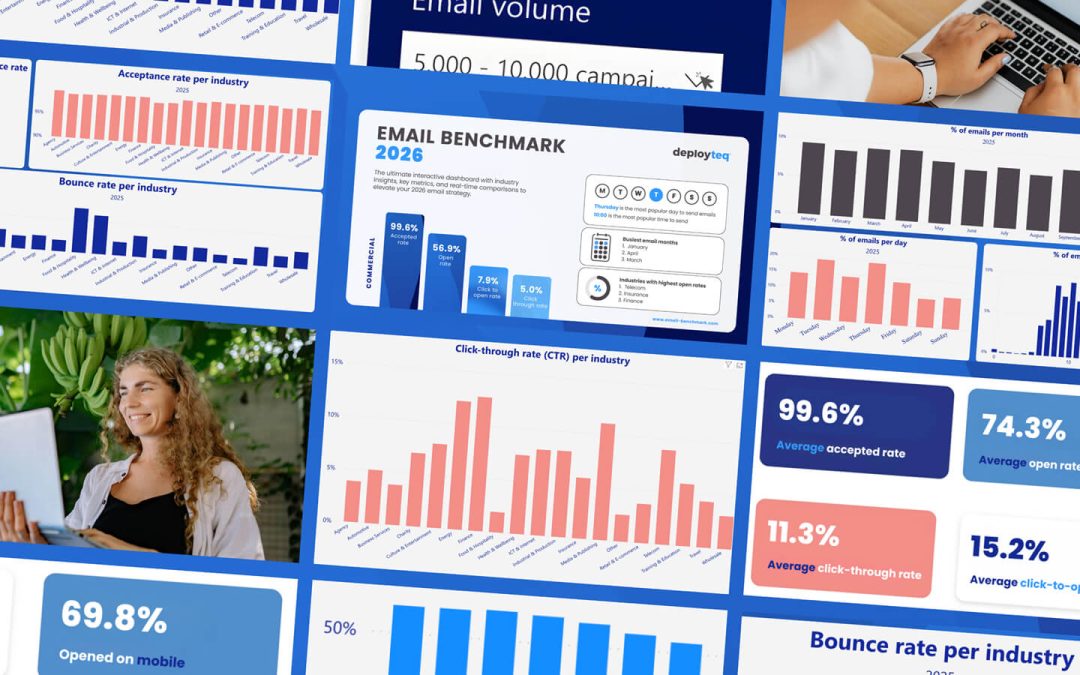
Hotels measure automated communication success through engagement metrics, conversion rates, guest satisfaction scores, and revenue attribution. Key performance indicators include email open rates, click-through rates, booking conversions, and direct response to automated offers.
Engagement metrics track how guests interact with automated messages across all channels. High-performing campaigns show strong open rates, click engagement, and completion of desired actions like online check-in or service bookings.
Revenue attribution connects automated communications to actual bookings, upsells, and ancillary service purchases. Hotels track which message sequences generate the highest revenue per guest and improvements in lifetime value.
Guest satisfaction metrics include Net Promoter Scores, review ratings, and direct feedback about communication frequency and relevance. These qualitative measures ensure automation enhances rather than overwhelms the guest experience.
Operational efficiency metrics measure reduced manual communication tasks, decreased front desk inquiries, and improved staff productivity. Successful automation should streamline operations while maintaining high service standards.
A/B testing compares different message versions, timing, and channel combinations to optimize performance continuously. Hotels test subject lines, content formats, and send times to maximize engagement and conversion rates.
How Deployteq Helps with Hotel Guest Journey Automation
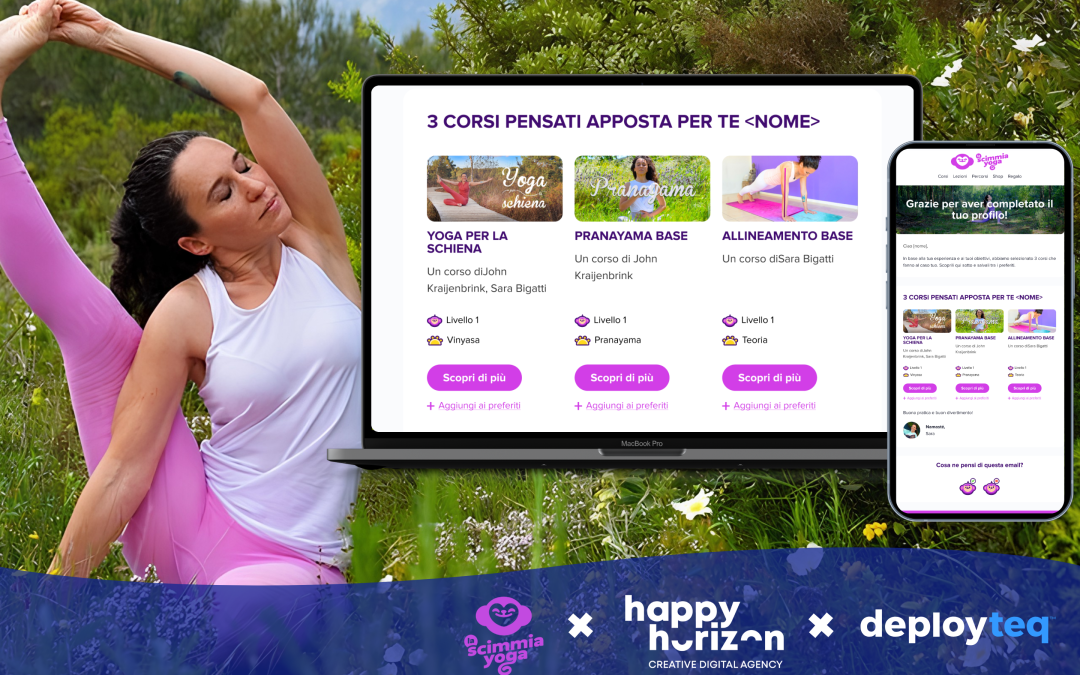
Deployteq provides comprehensive hotel marketing automation through our unified platform that orchestrates personalized guest communications across every touchpoint. Our solution enables hotels to create sophisticated guest journeys that respond to booking behaviors, preferences, and real-time actions.
Our platform delivers:
- Advanced segmentation: Create dynamic guest segments based on booking patterns, stay history, and behavioral data for hyper-personalized messaging
- Cross-channel automation: Coordinate communications across email, SMS, WhatsApp, and push notifications from a single platform
- Real-time triggers: Activate communications instantly based on guest actions, ensuring timely and relevant messaging throughout their journey
- Predictive insights: Leverage intelligent modeling to anticipate guest needs and optimize communication timing for maximum engagement
Transform your hotel’s guest communication strategy with automation that drives satisfaction and revenue. Book a demo to see how Deployteq can streamline your guest journey communications.