A real-time customer data platform is important in 2026 because customer expectations have moved faster than most marketing stacks can keep up. Shoppers, travellers, and subscribers now expect brands to respond to their behaviour instantly, not in a batch update the following morning. A real-time CDP closes that gap by unifying data as it happens and making it immediately actionable across every channel.
For marketing teams managing high-volume, cross-channel campaigns, the difference between a standard CDP and a real-time one is the difference between reacting and responding. The sections below unpack the most common questions marketers ask before making the switch.
What can a real-time CDP do that a standard CDP cannot?
A real-time CDP processes and activates customer data the moment it is generated, rather than batching updates on a fixed schedule. Where a standard CDP might refresh customer profiles every few hours or overnight, a real-time CDP platform updates segments, scores, and triggers within seconds of a customer action, enabling immediate, relevant responses across every active channel.
In practice, this means a customer who abandons a booking on your travel site can receive a personalised recovery message before they have even opened a competitor tab. A retail shopper who hits a loyalty threshold mid-session can be greeted with a reward the moment they return to the homepage. These are not marginal improvements. They represent a fundamentally different relationship between data and action.
Standard CDPs are valuable for analysis, reporting, and planned campaign segmentation. Real-time CDPs do all of that, and then push the resulting intelligence directly into live campaigns without a manual handoff or a delay that erodes relevance.
How does real-time data activation improve customer personalisation?
Real-time data activation improves personalisation by ensuring that every message a customer receives reflects their most current behaviour, not a snapshot from yesterday. When a CDP platform updates customer profiles continuously, the segments feeding your campaigns stay accurate, and the content delivered to each individual matches where they actually are in their journey right now.
The practical impact is significant. Personalisation built on stale data produces awkward experiences: promoting a product someone has already bought, sending a re-engagement email to a customer who converted an hour ago, or missing the window when intent is highest. Real-time activation eliminates these misfires by keeping the data powering your campaigns in sync with reality.
Intelligent modelling layers, such as RFM scoring, next-best-offer predictions, and lifecycle stage indicators, become far more powerful when they draw on live data. A next-best-offer recommendation based on what a customer did this afternoon is meaningfully more relevant than one built on last week’s purchase history. That relevance drives higher engagement, stronger conversion rates, and better long-term customer relationships.
What types of data does a real-time CDP unify?
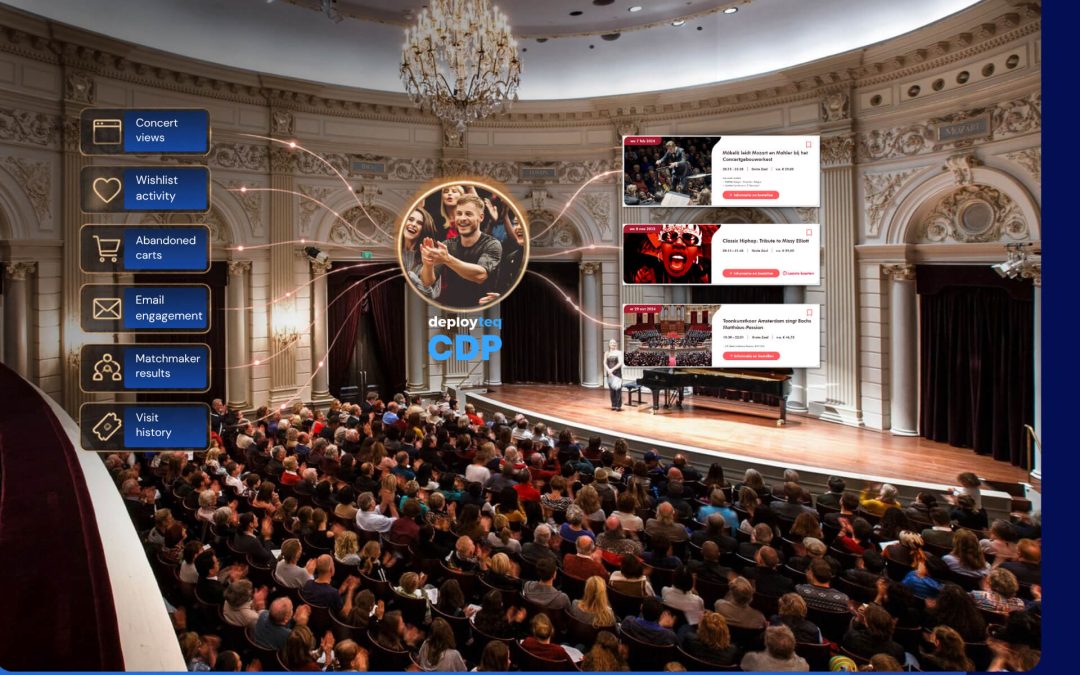
A real-time customer data platform unifies behavioural, transactional, demographic, and contextual data from every source a customer interacts with, combining them into a single, continuously updated customer profile. This includes website activity, email engagement, purchase history, app usage, CRM records, loyalty data, and third-party integrations, all resolved to one individual identity in real time.
The key capability here is identity resolution. Customers interact with brands across multiple devices and channels, often without logging in. A real-time CDP matches these fragmented signals to a single profile, so the picture you have of each customer is complete rather than siloed by channel.
The data types typically unified include:
- Behavioural data: page views, product interactions, content consumption, search queries
- Transactional data: purchase history, order value, return behaviour, subscription status
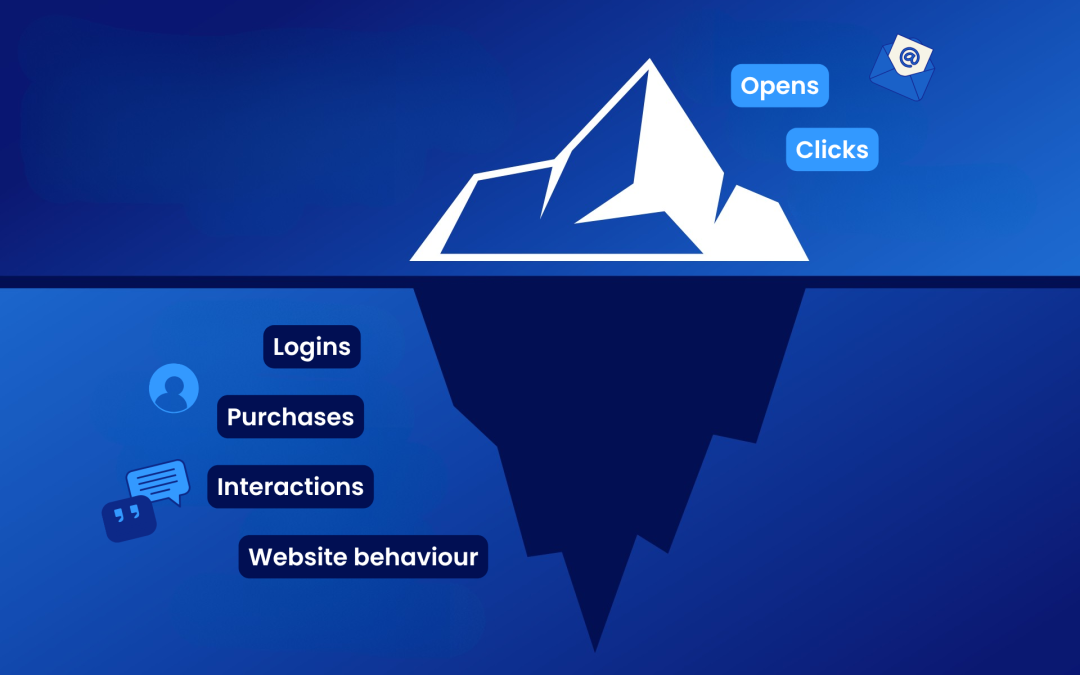
- Engagement data: email opens and clicks, SMS responses, push notification interactions
- Demographic and CRM data: profile attributes, preferences, lifecycle stage, loyalty tier
- Contextual data: device type, location signals, session timing, referral source
When all of this is unified and live, the 360-degree customer view it creates is not just a reporting tool. It becomes the active intelligence layer powering every campaign decision.
How does a real-time CDP integrate with marketing automation?
A real-time CDP integrates with marketing automation by feeding live, enriched customer profiles directly into campaign triggers, journey logic, and content personalisation rules. Rather than exporting a static segment to your automation platform on a schedule, the CDP continuously pushes updated audience data so that journeys respond to customer behaviour as it unfolds.
This integration removes the manual steps that slow most marketing teams down. When a customer’s RFM score drops, a win-back journey can trigger automatically. When a loyalty member reaches a new tier, a congratulations message can deploy within minutes. When a browsing session signals high purchase intent, a personalised email or push notification can activate before the session ends.
The tightest integrations are native ones, where the CDP and the automation platform share the same data layer. In this setup, segments update in real time, predictive model outputs feed directly into message personalisation, and campaign performance data flows back into the CDP to refine future targeting. The result is a closed loop where every interaction makes the next one smarter.
Which industries benefit most from a real-time CDP?
Industries with high customer interaction frequency, time-sensitive purchase decisions, and complex lifecycle journeys benefit most from a real-time customer data platform. Travel and leisure, retail and e-commerce, finance, and entertainment are the sectors where the speed advantage of real-time data activation translates most directly into revenue impact.
Travel and leisure
Booking intent in travel is highly time-sensitive. A customer researching a holiday destination this evening may book with a competitor by tomorrow morning if they do not receive a relevant, timely nudge. Real-time CDPs allow travel brands to activate personalised offers, urgency messaging, and loyalty rewards at exactly the right moment in the consideration window.
Retail and e-commerce
Cart abandonment, stock alerts, and personalised recommendations all depend on acting within a narrow window of intent. Real-time data activation means a retailer can respond to a browsing session with a targeted offer before the customer has moved on, and ensure that recommendations reflect current stock levels and the customer’s most recent preferences.
Finance and entertainment
In finance, timely and relevant communication builds trust during complex lifecycle moments, such as policy renewals, product upgrades, or spending pattern changes. In entertainment, high-frequency engagement means the difference between a subscriber who stays and one who churns. Real-time CDPs power the kind of responsive, personalised communication that keeps customers engaged across both sectors.
When should a business upgrade to a real-time CDP?
A business should upgrade to a real-time CDP when batch data processing is visibly limiting campaign relevance, when customer journeys span multiple channels and the data connecting them is fragmented, or when personalisation at scale has become impossible with the current stack. If your team is regularly acting on data that is hours or days old, the upgrade is overdue.
Specific signals that indicate readiness include:
- Campaign triggers are delayed because segment refreshes run overnight
- Customer profiles exist in separate systems that do not talk to each other
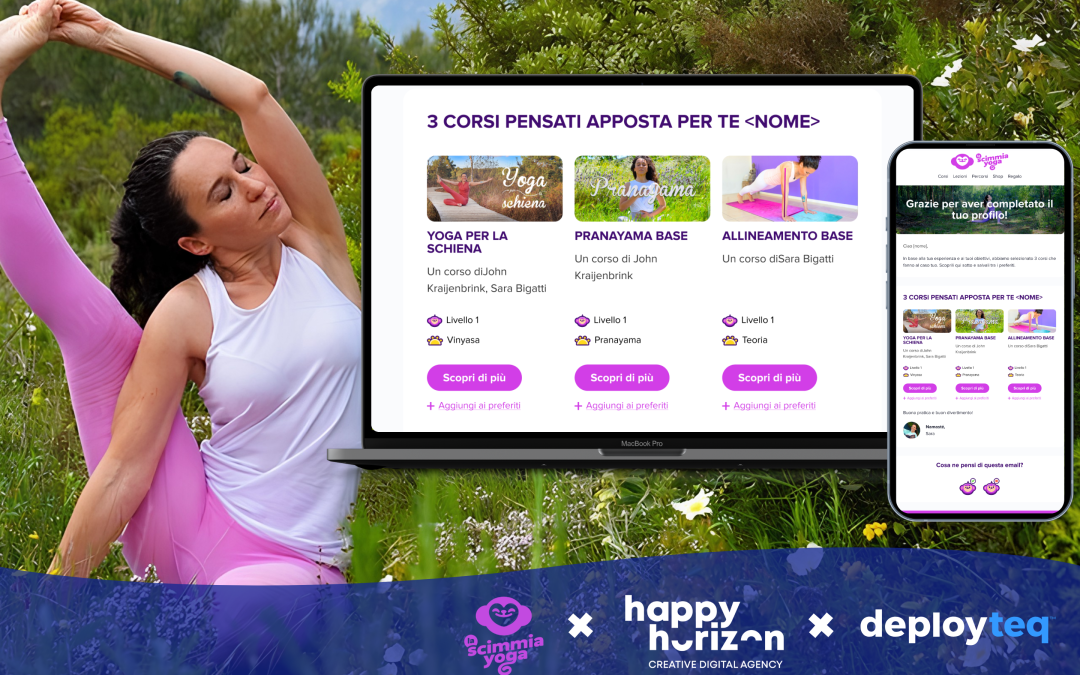
- Personalisation is limited to name fields and basic purchase history
- Predictive models exist but cannot feed directly into live campaigns
- Your team spends significant time manually exporting and importing audience lists
The upgrade decision is less about company size and more about ambition. Brands sending high volumes of personalised communications across multiple channels, or those managing complex customer lifecycles with distinct stages and triggers, will see the most immediate return from a real-time CDP platform. If your current setup requires workarounds to deliver timely, relevant messages, a real-time CDP removes those constraints entirely.
How Deployteq powers real-time CDP activation
We built our Customer Data Platform to solve exactly the challenges described above. Rather than treating the CDP as a separate analytics tool, we integrated it directly into the Deployteq campaign environment so that live data drives live campaigns without any manual handoff.
Here is what that looks like in practice:
- Unified customer profiles: All behavioural, transactional, and engagement data resolves into a single 360-degree customer view, updated continuously
- Intelligent modelling built in: RFM scoring, next-best-offer predictions, and full lifecycle insights are available natively within campaign logic
- Direct channel activation: Segments and triggers activate across email, SMS, WhatsApp, push, and web without leaving the platform
- Hyper-personalised campaigns: Every message reflects where each customer actually is in their journey, right now
- No data silos: The CDP and the automation layer share the same data, so every interaction makes the next one smarter
If your current stack is holding your personalisation ambitions back, it is worth seeing what a fully integrated real-time CDP can do. Book a personalised demo and we will show you exactly how it works for your sector.