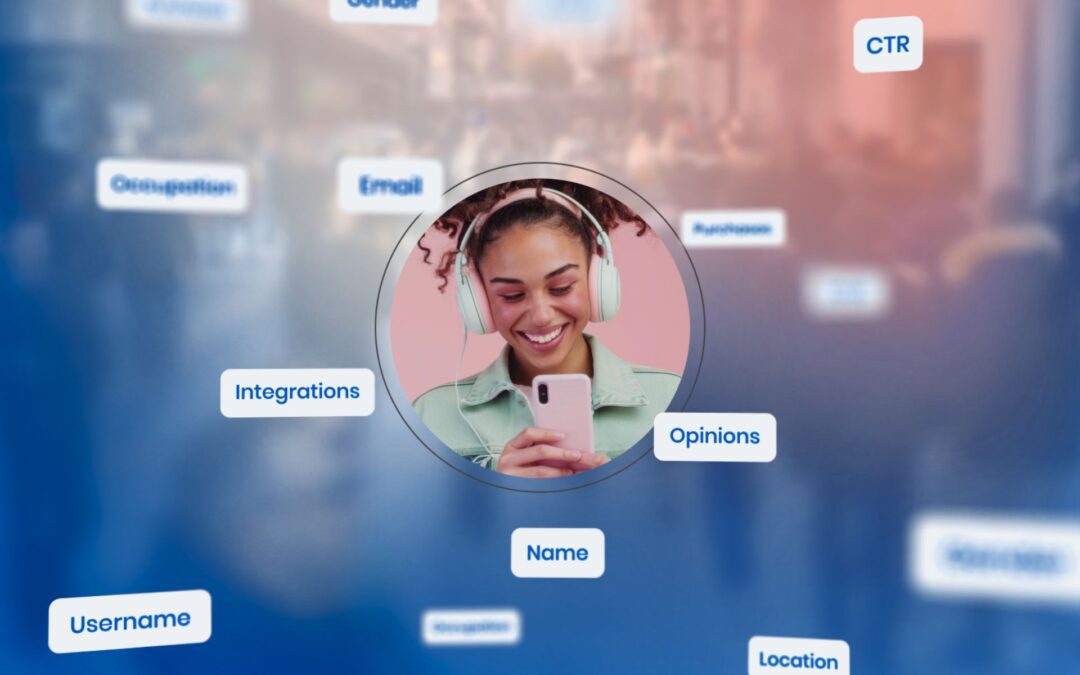
Every click, scroll, and purchase tells a story about your customers. Behavioral marketing automation captures these digital breadcrumbs and transforms them into powerful, personalized experiences that drive real results. Unlike traditional batch-and-blast campaigns, behavioral triggers respond to what customers actually do, creating timely, relevant touchpoints that feel personal rather than pushy.
For experienced marketers managing complex customer journeys across multiple channels, understanding behavioral triggers isn’t just helpful—it’s essential to staying competitive. When done right, behavioral marketing automation can dramatically improve engagement rates, reduce churn, and increase customer lifetime value through precisely timed, contextually relevant communications.
What Is Behavioral Marketing Automation and How Does It Work?
Behavioral marketing automation is a system that automatically triggers personalized marketing messages based on specific customer actions or behaviors. It works by tracking customer interactions across touchpoints—website visits, email opens, purchase history, app usage—and then activating pre-built campaigns when certain behavioral conditions are met.
The system operates on an “if-then” logic framework. When a customer performs a specific action (the trigger), the automation platform immediately executes a predetermined response (the action). For example, when someone abandons their shopping cart, the system automatically sends a recovery email sequence within hours—not days.
This approach differs fundamentally from scheduled campaigns because timing is driven by customer behavior rather than calendar dates. The technology continuously monitors customer data streams, evaluating each interaction against your trigger criteria in real time. This creates marketing that feels responsive and relevant rather than interruptive.
What Are Behavioral Triggers and Why Do They Matter?
Behavioral triggers are specific customer actions that automatically initiate marketing responses. They matter because they enable you to reach customers at moments when they’re most engaged and likely to take action, dramatically improving campaign performance compared to generic, time-based messaging.
These triggers capture intent signals that traditional demographic targeting misses entirely. A customer browsing your premium product pages shows different intent than someone only viewing sale items, regardless of age or location. Behavioral triggers let you respond to these nuanced signals immediately.
The impact is measurable: behavioral campaigns typically see 50–100% higher engagement rates than broadcast campaigns. They work because they align your messaging with customer mindset and timing. When someone downloads a product guide, they’re in research mode—perfect timing for educational content. When they return to a product page multiple times, they’re in consideration mode—ideal for social proof or limited-time offers.
What Types of Behavioral Triggers Can You Use in Marketing Automation?
The most effective behavioral triggers fall into five categories: engagement-based, transaction-based, lifecycle-based, preference-based, and time-based triggers. Each category captures different aspects of customer behavior and enables specific types of automated responses.
Engagement-Based Triggers
These respond to how customers interact with your content and channels. Website page views, email opens, link clicks, video views, and social media engagement all provide rich trigger opportunities. For example, someone who visits your pricing page three times in a week is showing strong purchase intent.
Transaction-Based Triggers
Purchase behavior creates some of the most powerful triggers. Cart abandonment, first purchase, repeat purchase, refund requests, and subscription renewals all signal specific customer states that warrant immediate, targeted responses. These triggers often generate the highest ROI because they’re tied directly to revenue events.
Lifecycle-Based Triggers
Customer lifecycle position drives different communication needs. New-subscriber welcome sequences, onboarding completion, anniversaries, and churn-risk indicators help you deliver stage-appropriate messaging that guides customers through their journey with your brand.
How Do You Set Up Behavioral Marketing Automation Campaigns?
Setting up behavioral campaigns requires four key steps: defining your trigger events, mapping customer data sources, building automated response sequences, and establishing performance monitoring. Start by identifying the highest-impact behaviors you want to respond to automatically.
First, audit your customer touchpoints to identify which behaviors you can track reliably. Focus on actions that indicate clear intent or lifecycle changes—product page views, download completions, purchase milestones, or engagement drops. Ensure your tracking infrastructure captures these events consistently across all channels.
Next, design your response sequences with clear objectives. What specific outcome do you want each trigger to drive? A cart abandonment sequence might focus on conversion, while a post-purchase trigger might prioritize retention and cross-selling. Map out the timing, channel mix, and message progression for each automated sequence.
Finally, implement testing protocols from day one. Set up control groups to measure lift from behavioral campaigns versus no automation. Track key metrics like open rates, click-through rates, conversion rates, and revenue per recipient to optimize your triggers and responses continuously.
What’s the Difference Between Behavioral and Demographic Marketing Automation?
Behavioral marketing automation triggers campaigns based on customer actions, while demographic automation segments based on customer attributes like age, location, or job title. Behavioral automation is dynamic and responds to what customers do; demographic automation is static and based on who customers are.
The targeting precision differs significantly. Demographic segmentation assumes that people with similar characteristics behave similarly, but this often proves inaccurate. Two 35-year-old managers in the same city might have completely different purchase behaviors, preferences, and lifecycle stages with your brand.
Behavioral automation captures intent and engagement level in real time. When someone spends 10 minutes reading your product comparison guide, that behavior indicates higher purchase intent than any demographic characteristic could predict. This leads to more relevant messaging and better campaign performance.
However, the most effective approach combines both methods. Use behavioral triggers for timing and context, then apply demographic data to personalize the content and channel selection within those triggered campaigns.
How Do You Measure the Success of Behavioral Marketing Automation?
Success measurement for behavioral automation focuses on engagement lift, conversion improvement, and customer lifecycle metrics compared to non-triggered campaigns. Key performance indicators include trigger activation rates, sequence completion rates, and incremental revenue generated by automated responses.
Track trigger performance at multiple levels. Monitor how often each trigger activates to ensure you’re capturing the intended behaviors. Low activation rates might indicate tracking issues or overly restrictive trigger criteria. High activation rates with poor conversion might suggest your response sequence needs optimization.
Compare behavioral campaign performance against broadcast campaigns using the same audience segments. Look for improvements in open rates, click-through rates, and conversion rates. Most importantly, measure incremental impact—revenue and engagement that wouldn’t have occurred without the behavioral triggers.
Customer lifecycle metrics provide the clearest success indicators. Track how behavioral automation affects customer retention, average order value, purchase frequency, and lifetime value. These metrics show whether your behavioral campaigns are truly improving customer relationships or merely shifting the timing of inevitable actions.
How Deployteq Helps with Behavioral Marketing Automation
We’ve built our marketing automation platform specifically to excel at behavioral triggering across all your channels. Our system captures customer behaviors in real time and activates personalized responses across email, SMS, WhatsApp, push notifications, and web experiences instantly.
Our behavioral automation capabilities include:
- Real-time behavioral tracking across all customer touchpoints with unified data consolidation
- Advanced trigger logic that combines multiple behavioral signals for precise campaign activation
- Cross-channel automation that maintains consistent messaging whether customers engage via email, mobile, or web
- Intelligent modeling, including RFM analysis, next-best-offer recommendations, and predictive insights that enhance behavioral triggers
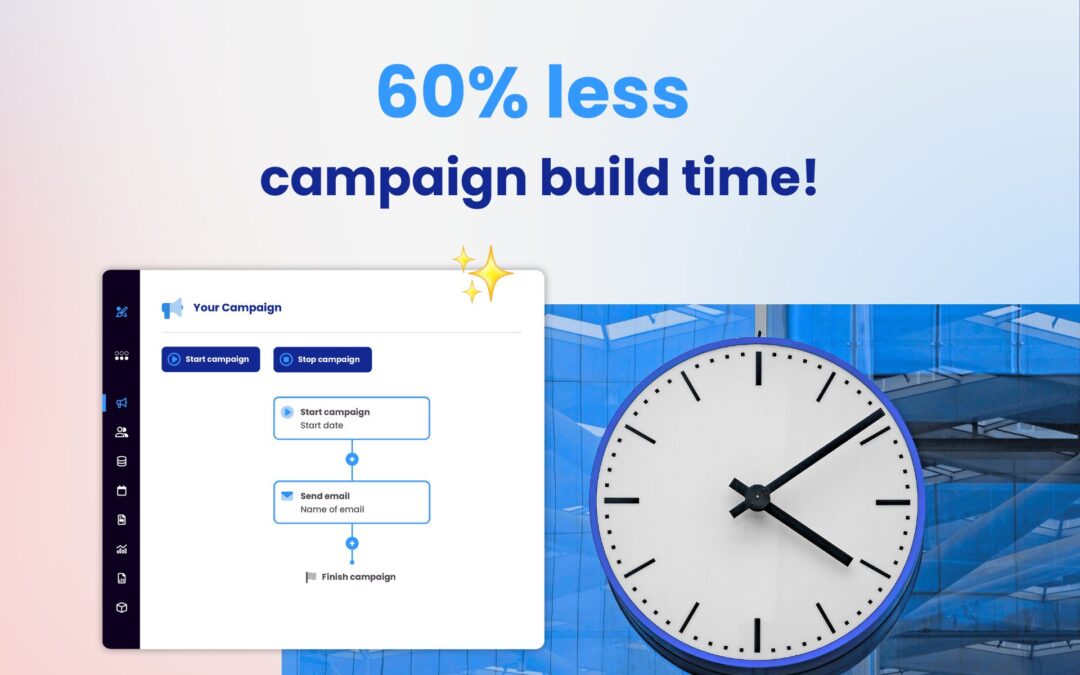
- A flexible journey builder that lets you create complex behavioral sequences without technical limitations
Our Customer Data Platform ensures all behavioral data feeds seamlessly into your automation campaigns, giving you complete visibility into customer actions and automated response performance. Ready to see how behavioral automation can transform your marketing results? Book a demo to explore how we can help you build more responsive, effective customer experiences.