Drip campaigns are automated email sequences that send targeted messages to subscribers based on specific triggers or timelines. These pre-written emails nurture leads through personalised content delivered at optimal intervals, helping businesses maintain consistent communication without manual effort. Understanding how to create and optimise drip campaigns can significantly improve your email marketing results and customer engagement rates.
What are drip campaigns and how do they work in email marketing?
Drip campaigns are automated email sequences that deliver pre-scheduled messages to subscribers based on their actions, preferences, or position in your sales funnel. They work by triggering specific emails when certain conditions are met, such as signing up for a newsletter, abandoning a shopping cart, or reaching a particular date after purchase.
The automation functions through marketing automation platforms that monitor subscriber behaviour and send relevant emails at predetermined intervals. For example, a welcome drip campaign might send an introductory email immediately after sign-up, followed by a company overview three days later and product recommendations after one week.
These campaigns operate within broader email marketing strategies to maintain consistent touchpoints with your audience. They bridge the gap between initial interest and conversion by providing valuable content that guides subscribers through their customer journey. The automated nature ensures no leads fall through the cracks while maintaining personalised communication at scale.
What types of drip campaigns should businesses use?
Welcome series campaigns introduce new subscribers to your brand and set expectations for future communications. These typically include 3–5 emails covering your company story, best content, and initial offers to encourage engagement.
Abandoned cart sequences target customers who added products but did not complete their purchase. These campaigns usually send reminders within hours of abandonment, followed by incentive offers or social proof to encourage completion.
Lead nurturing campaigns educate prospects about your products or services through valuable content. They are designed for longer sales cycles, providing helpful information that builds trust and positions your business as an industry authority.
Re-engagement campaigns aim to win back inactive subscribers who have not opened emails recently. These often include special offers, surveys asking about preferences, or content highlighting what they have missed.
Post-purchase follow-ups enhance the customer experience after buying. They might include order confirmations, shipping updates, usage tips, review requests, or complementary product suggestions to encourage repeat purchases.
How do you create an effective drip campaign strategy?
Start by segmenting your audience based on demographics, behaviour, purchase history, or engagement levels. Different segments require different messaging approaches, so clear categorisation ensures relevant content delivery to each group.
Plan your content around subscriber needs at each stage of their journey. Map out what information, offers, or resources would be most valuable at specific touchpoints. Consider the problems you are solving and how your content addresses those challenges.
Timing optimisation involves testing different intervals between emails to find what works best for your audience. Generally, welcome emails should be immediate, with follow-ups spaced 2–7 days apart depending on your industry and customer behaviour patterns.
Set up triggers that make sense for your business model. Common triggers include form submissions, purchase completions, email opens, link clicks, or specific dates. Ensure your email marketing platform can track these actions accurately.
Create clear automation rules that define when emails are sent, who receives them, and what happens next. Include conditions for subscribers to exit campaigns if they complete desired actions or become inactive.
What are the key benefits of using drip campaigns for marketing?
Drip campaigns improve lead nurturing by maintaining consistent contact with prospects over time. They provide relevant information when subscribers are most receptive, building relationships that convert better than one-off promotional emails.
Increased conversion rates result from timely, targeted messaging that addresses specific subscriber needs. Automated sequences can respond to behaviour immediately, capitalising on interest when it is highest and guiding subscribers towards purchase decisions.
Time savings through automation allow marketing teams to focus on strategy and content creation rather than manual email sending. Once set up, drip campaigns run independently, managing hundreds or thousands of subscriber interactions simultaneously.
Better customer engagement occurs because drip campaigns deliver personalised experiences. Subscribers receive content relevant to their interests and stage in the customer journey, leading to higher open rates and click-through rates.
Enhanced personalisation capabilities enable businesses to tailor messages based on subscriber data, behaviour, and preferences. This level of customisation improves user experience and strengthens brand relationships over time.
How do you measure drip campaign success and optimise performance?
Open rates indicate how compelling your subject lines are and whether your sender reputation remains strong. Industry averages vary, but declining open rates suggest you need to improve subject lines or clean your email list.
Click-through rates measure how engaging your email content is and whether your calls to action resonate with subscribers. Low click rates might indicate misaligned content, weak offers, or unclear messaging that needs refinement.
Conversion rates show how effectively your drip campaign drives desired actions, whether that is purchases, downloads, or sign-ups. This metric is directly tied to revenue and helps justify your email marketing investment.
Unsubscribe rates reveal whether your content frequency or quality meets subscriber expectations. High unsubscribe rates suggest you are sending emails too frequently or your content is not providing sufficient value.
Testing strategies include A/B testing subject lines, send times, content formats, and call-to-action buttons. Test one element at a time to identify which improvements drive better performance. Regular testing helps you continuously optimise your campaigns for better results.
How Deployteq helps with drip campaign automation
Deployteq provides comprehensive drip campaign automation through our intuitive platform designed for marketers of all technical levels. Our system simplifies complex automation while offering powerful customisation options for sophisticated campaigns.
Key capabilities include:
- Advanced segmentation tools that create highly targeted audiences based on real-time data and behaviour
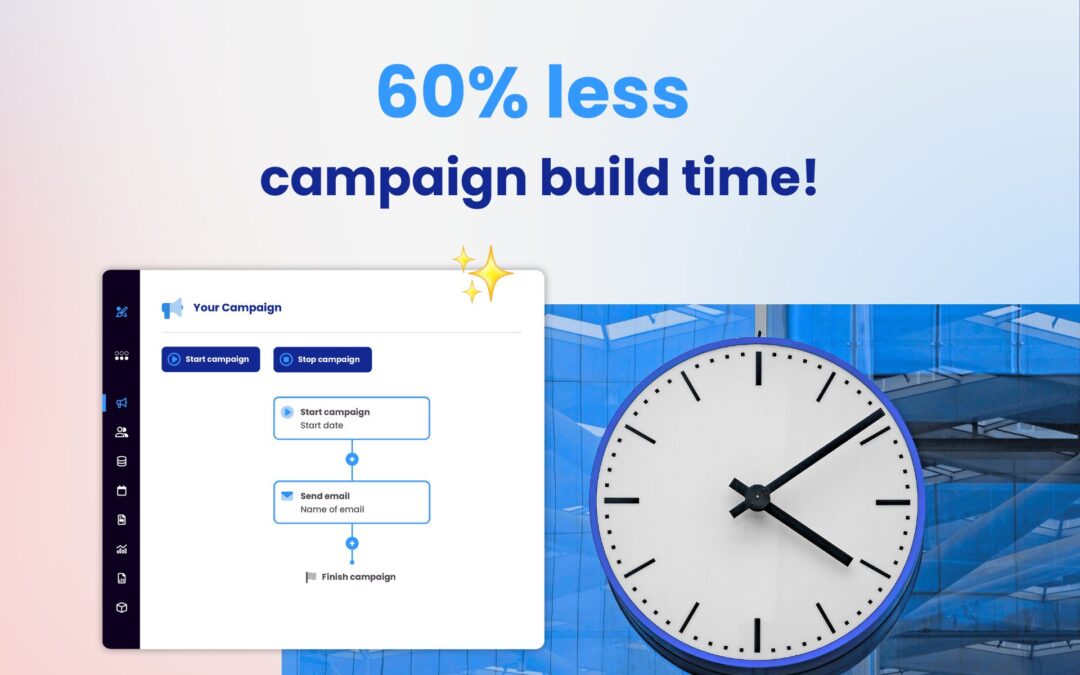
- Flexible journey builder with drag-and-drop functionality for designing complex automation workflows
- Cross-channel automation that coordinates email with SMS, social media, and other touchpoints
- Real-time personalisation that adapts content based on subscriber actions and preferences
- Comprehensive analytics that track performance across all campaign elements
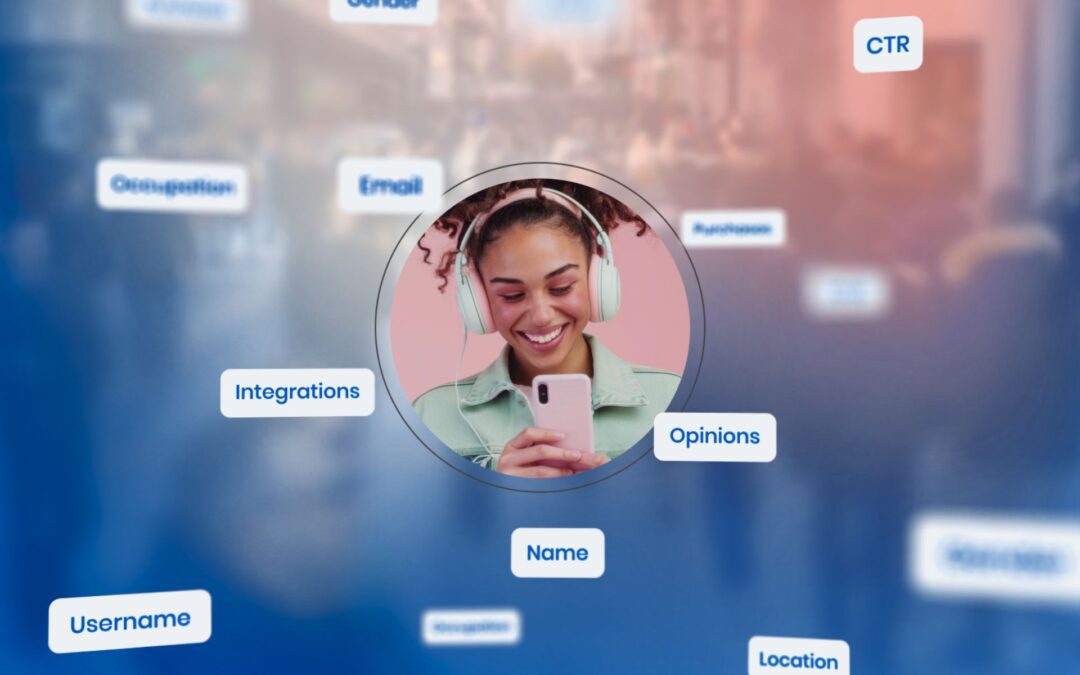
Our platform unifies your customer data into single profiles, enabling more accurate targeting and personalised messaging. The visual journey builder makes it easy to create sophisticated drip campaigns without technical expertise, while advanced users can access deeper customisation options.
Ready to transform your email marketing with powerful drip campaign automation? Contact our team today to discover how Deployteq can help you create more effective, personalised customer journeys that drive real business results.