Email list segmentation involves dividing your email subscribers into smaller, targeted groups based on shared characteristics, behaviours, or preferences. This strategy dramatically improves email marketing performance by delivering more relevant content to each subscriber. Effective segmentation increases open rates, reduces unsubscribes, and drives higher conversions by matching messages to subscriber interests and needs.
What is email list segmentation and why does it matter for marketing success?
Email list segmentation is the process of dividing your subscriber database into distinct groups based on specific criteria such as demographics, purchase history, engagement levels, or behaviour patterns. This fundamental email marketing strategy allows you to send targeted, relevant messages to each group rather than broadcasting generic content to your entire list.
Segmentation matters because it addresses the core challenge of email marketing: delivering the right message to the right person at the right time. When subscribers receive content that aligns with their interests, stage in the customer journey, or past behaviours, they are significantly more likely to engage with your emails.
The benefits extend beyond improved open rates. Segmented email campaigns reduce unsubscribe rates because recipients find the content valuable and relevant to their needs. They also drive higher conversion rates since the messaging speaks directly to each segment’s specific interests or pain points. Additionally, segmentation helps maintain a positive sender reputation with email providers, as engaged subscribers are less likely to mark your emails as spam.
What are the most effective ways to segment your email subscribers?
The most effective B2C segmentation methods include behavioural segmentation (purchase history, browse history, email engagement), RFM segmentation (recency, frequency, monetary value), lifecycle stage segmentation, and preference-based segmentation. Each method serves different purposes and can be combined for more sophisticated targeting approaches.
Behavioural segmentation tracks how customers interact with your brand across touchpoints. This includes purchase history (frequency, recency, total spend), browse history (viewed categories, products viewed but not purchased), cart abandonment status, email engagement patterns (opens, clicks, inactive subscribers), and app usage or in-store visit frequency.
RFM segmentation divides customers based on recency (days since last purchase), frequency (number of purchases over time), and monetary value (total spend, average order value). This approach effectively identifies your most valuable customers, at-risk segments, and opportunities for reactivation campaigns.
Lifecycle segmentation recognises that new subscribers need different content from repeat customers. Key segments include new subscribers who have never purchased, first-time buyers, repeat customers, VIP or high-value customers, at-risk customers with declining engagement, and lapsed or churned customers requiring win-back campaigns.
How do you collect the right data for email list segmentation?
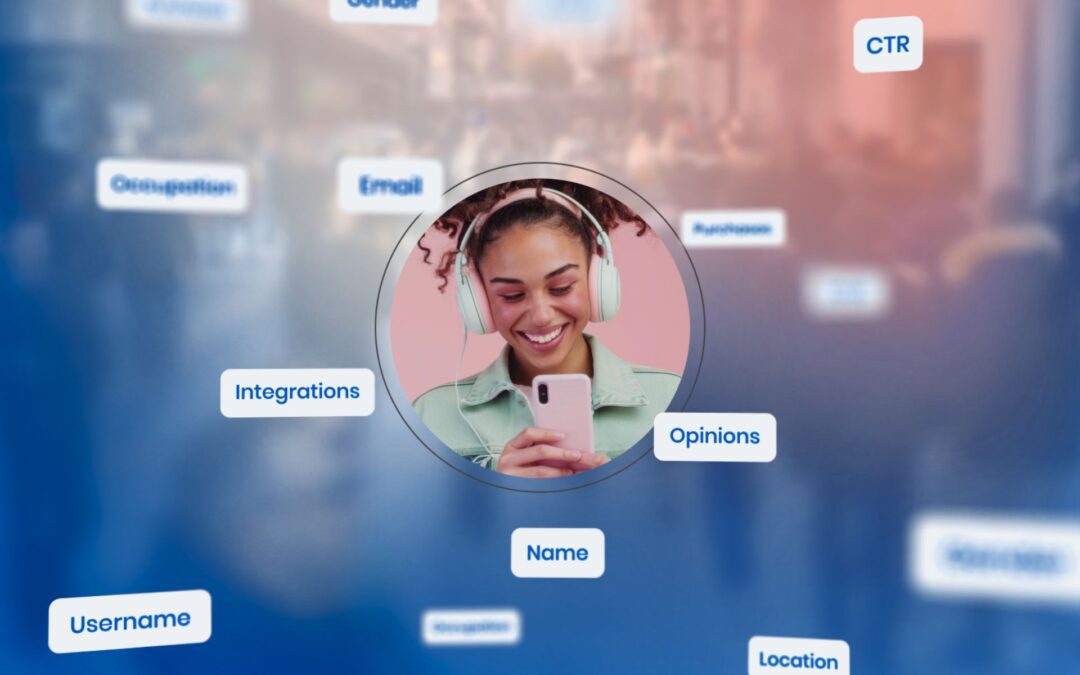
Effective data collection for B2C segmentation requires multiple touchpoints, including signup forms, preference centres, purchase data analysis, website behaviour tracking, and email engagement metrics. The key is gathering information progressively while respecting subscriber privacy and providing clear value in exchange for their data.
Start with strategic signup forms that capture essential segmentation data without overwhelming new subscribers. Ask for product category preferences, communication frequency preferences, or channel preferences (email vs SMS vs WhatsApp) that directly relate to how you will personalise their experience.
Website behaviour tracking provides valuable insights into customer interests based on product categories viewed, items added to wishlist, or content engagement patterns. Purchase data automatically segments customers based on buying behaviour, product preferences, and spending patterns.
Preference centres allow customers to self-segment by indicating their interests, preferred communication channels, or loyalty program participation. Email engagement metrics help identify highly engaged subscribers versus those who need re-engagement campaigns. Always ensure your data collection methods comply with privacy regulations and clearly communicate how you will use the information.
What’s the difference between basic and advanced email segmentation strategies?
Basic segmentation uses simple, static criteria like demographics, purchase recency, or signup source, while advanced segmentation employs dynamic behavioural triggers, predictive analytics, and real-time data to create sophisticated, automatically updating segments. The progression from basic to advanced segmentation reflects growing marketing maturity and technical capabilities.
Basic segmentation strategies include dividing lists by geographic regions, age groups, gender, or single purchase behaviour metrics. These segments remain relatively stable and require manual updates. They are effective for retailers starting with segmentation or those with straightforward customer bases.
Advanced segmentation strategies use behavioural triggers that automatically move subscribers between segments based on their actions. This includes predictive segmentation that identifies customers likely to churn or make their next purchase, dynamic product recommendations based on browse and purchase history, and multi-dimensional segmentation combining purchase behaviour, engagement levels, and lifecycle stage.
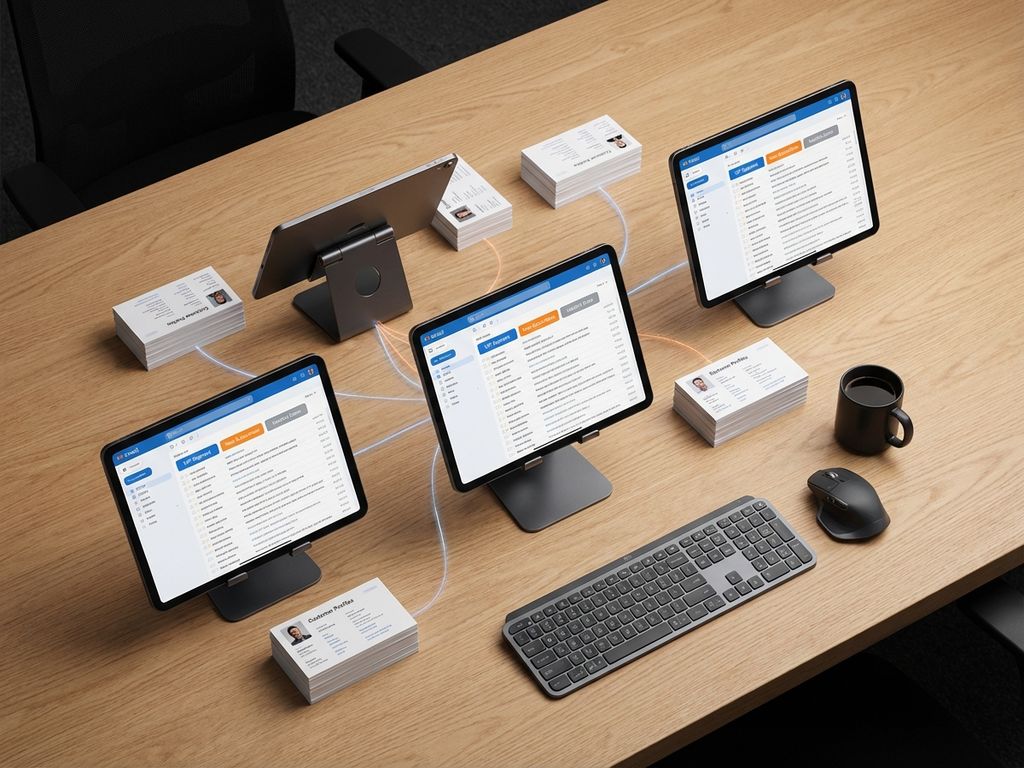
Advanced strategies also incorporate cross-channel data, integrating email behaviour with app usage, in-store purchases, social media interactions, and website behaviour for comprehensive customer profiles through sophisticated customer data platforms.
How do you create personalised email campaigns for different segments?
Creating personalised campaigns involves developing targeted content, product recommendations, and offers for each segment, then optimising send times and message frequency based on segment preferences and behaviour patterns. The process requires understanding each segment’s unique characteristics, purchase patterns, and communication preferences.
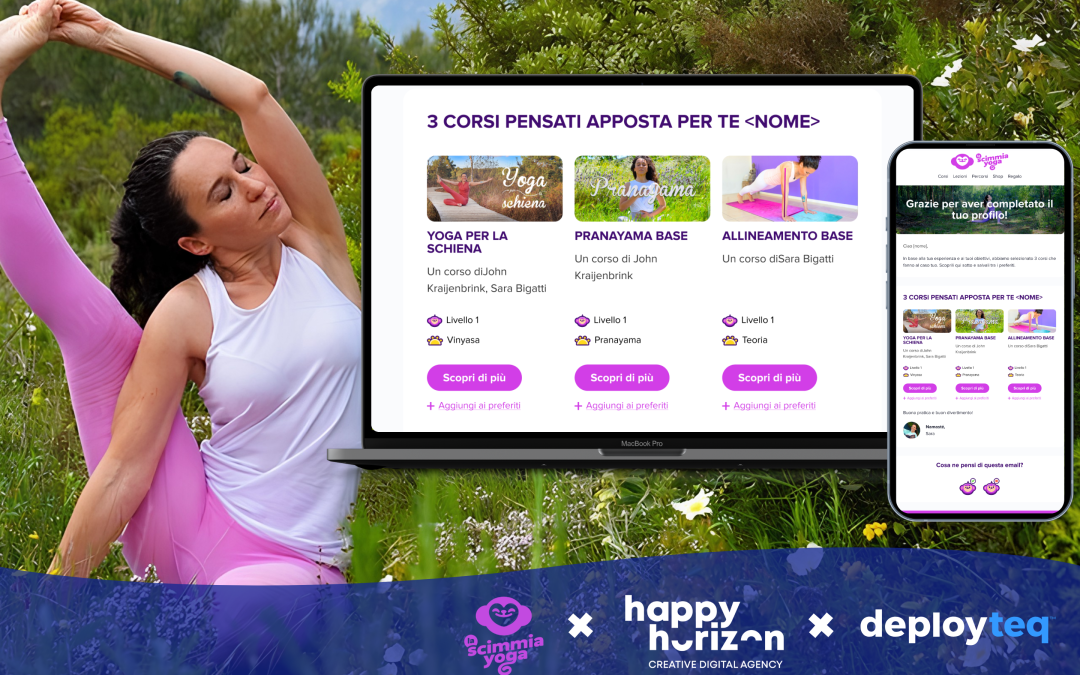
Start by developing customer personas for each major segment to guide content creation. Craft subject lines that speak directly to each segment’s interests or shopping behaviour. For example, new subscribers might receive welcome series emails featuring bestsellers and brand story, while VIP customers receive exclusive early access to sales and new product launches.
Content personalisation goes beyond using the subscriber’s name. Tailor product recommendations based on purchase history and browse behaviour, adjust messaging tone for different lifecycle stages, and customise offers based on spending patterns. High-value customers might receive premium product recommendations, while price-sensitive segments receive discount-focused campaigns.
Timing optimisation ensures messages arrive when each segment is most likely to engage. Frequent shoppers may respond well to weekly product updates, while occasional buyers prefer monthly newsletters. Test different send times and frequencies for each segment to identify optimal engagement windows through effective marketing automation.
How Deployteq helps with email list segmentation
Deployteq provides advanced segmentation capabilities through real-time customer profiling that automatically unifies data across all channels into single customer profiles. The platform enables sophisticated segmentation strategies that would be difficult to implement manually, making advanced email marketing accessible to businesses of all sizes.
Key segmentation features include:
- Real-time segmentation that automatically updates based on customer behaviour and interactions
- Advanced segment builder with intuitive drag-and-drop functionality for complex segmentation rules
- Omnichannel data integration combining email, SMS, website, and social media interactions
- Predictive segmentation using machine learning to anticipate customer behaviour and preferences
- Dynamic content personalisation that adapts email content based on segment characteristics
- Automated journey triggers that move subscribers between segments based on their actions
Ready to transform your email marketing with intelligent segmentation? Discover how Deployteq’s advanced segmentation capabilities can help you deliver more personalised, effective email campaigns that drive real results for your business.