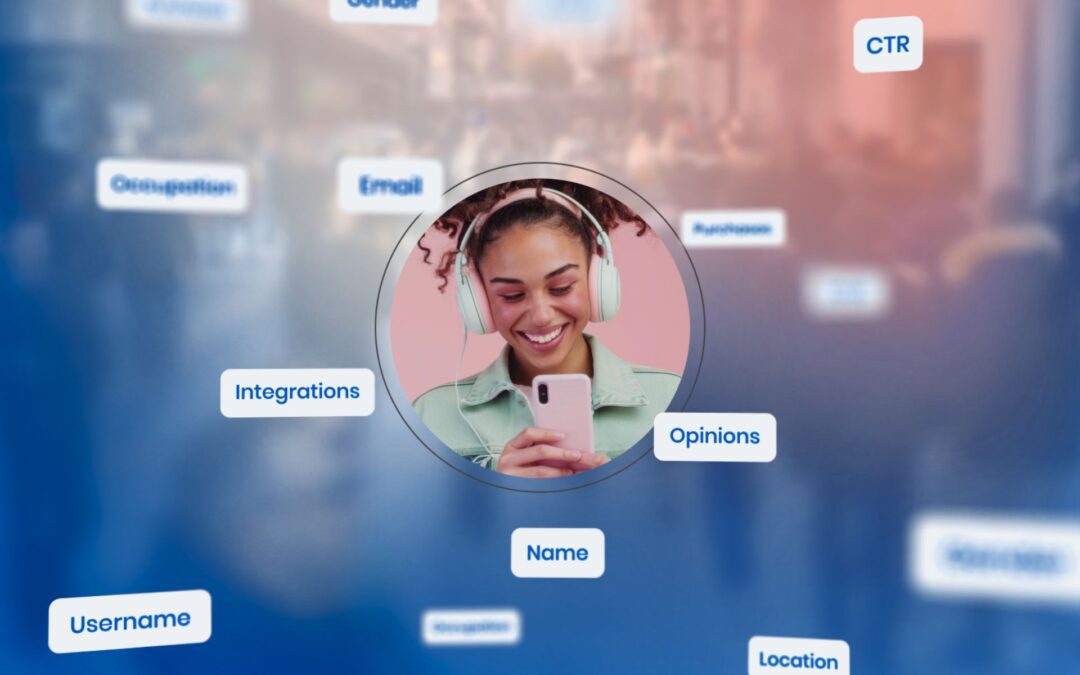
Marketing automation platforms help banks personalise customer communications by collecting and analysing customer data to deliver targeted messages across multiple channels at optimal times. These platforms enable banks to segment customers based on behaviour, preferences, and financial patterns, then automatically trigger relevant communications that drive engagement and build stronger relationships.
Banks today handle massive volumes of customer data and interactions, making manual personalisation impossible at scale. Marketing automation platforms solve this challenge by creating intelligent, data-driven communication workflows that respond to customer actions in real time. This approach transforms generic banking communications into personalised experiences that customers actually value.
The following questions explore how banks leverage automation technology to create more meaningful customer relationships through smarter data use, strategic segmentation, and cross-channel messaging.
What customer data do banks need for effective personalisation?
Banks need transactional data, demographic information, digital behaviour patterns, and lifecycle stage indicators to create effective personalised communications. This data foundation enables banks to understand customer needs, predict future actions, and deliver relevant messages at the right moments.
Transactional data forms the backbone of banking personalisation. This includes account balances, spending patterns, payment history, and product usage across checking, savings, loans, and credit cards. Banks analyse this data to identify financial behaviours, seasonal spending trends, and opportunities for relevant product recommendations.
Demographic and profile data adds crucial context to transactional patterns. Age, location, income level, family status, and employment information help banks understand life stage needs and communication preferences. A young professional might respond to mobile banking features, while established families may value mortgage or investment guidance.
Digital engagement data reveals how customers interact with banking channels. Website visits, mobile app usage, email opens, and customer service interactions show communication preferences and engagement levels. This data helps banks optimise message timing, channel selection, and content relevance.
Lifecycle and relationship data tracks customer tenure, product adoption, and satisfaction levels. New customers need onboarding support, while long-term customers may appreciate loyalty rewards or advanced product offers. Banks use this data to create personalised journey experiences that strengthen relationships over time.
How do banks segment customers for personalised messaging?
Banks segment customers using behavioural patterns, financial profiles, lifecycle stages, and engagement preferences to create targeted messaging groups. These segments enable banks to deliver relevant communications that address specific customer needs and drive meaningful actions.
Behavioural segmentation groups customers based on spending patterns, transaction frequency, and product usage. High-spending customers might receive premium service communications, while budget-conscious segments get savings tips and fee-free product offers. Digital-first users receive mobile-focused messages, while traditional customers get phone or mail communications.
Financial profile segmentation considers account balances, credit scores, income levels, and investment activity. Affluent customers receive wealth management content, while growing savers get investment education and goal-setting tools. This approach ensures message relevance and avoids inappropriate product recommendations.
Lifecycle segmentation addresses customer tenure and relationship depth. New customers receive onboarding sequences, active customers get feature updates and tips, while at-risk segments receive retention offers. Banks also create segments for major life events like home purchases, career changes, or retirement planning.
Channel preference segmentation optimises message delivery based on customer communication habits. Email-responsive customers receive detailed newsletters, SMS-active segments get quick alerts and reminders, while app users receive push notifications for time-sensitive information. This multi-channel approach maximises engagement rates.
Which communication channels work best for banking automation?
Email, SMS, mobile push notifications, and in-app messaging work best for banking automation because they enable immediate delivery, high engagement rates, and seamless integration with banking systems. These channels support both transactional and marketing communications while maintaining security standards.
Email remains the primary channel for detailed banking communications. Banks use email for account statements, product announcements, educational content, and promotional offers. Email marketing platforms enable banks to create sophisticated campaigns with personalised content, automated triggers, and detailed performance tracking.
SMS delivers time-sensitive banking communications with exceptional open rates. Banks use SMS for fraud alerts, payment reminders, balance notifications, and appointment confirmations. The immediacy of SMS makes it ideal for urgent communications that require quick customer response or awareness.
Mobile push notifications reach customers directly through banking apps with contextual, location-aware messaging. Banks send push notifications for transaction alerts, nearby ATM locations, spending insights, and personalised offers. This channel works particularly well for real-time engagement and app feature adoption.
In-app messaging provides contextual communication within the banking experience. Banks use in-app messages for feature tutorials, account insights, cross-sell opportunities, and customer feedback requests. This channel creates seamless experiences without interrupting the customer’s banking workflow.
Direct mail and phone calls remain valuable for high-value communications, complex product explanations, and customers who prefer traditional channels. Banks integrate these channels with digital automation to create comprehensive communication strategies that respect customer preferences.
What types of automated campaigns do banks typically run?
Banks typically run onboarding sequences, transaction-triggered alerts, lifecycle marketing campaigns, and retention communications through automation platforms. These campaigns improve customer experience, increase product adoption, and strengthen relationships while reducing manual workload for marketing teams.
Onboarding campaigns guide new customers through account setup, feature discovery, and initial product usage. These automated sequences deliver welcome messages, tutorial content, security setup reminders, and first-use incentives. Banks track completion rates and optimise sequences to improve customer activation and early engagement.
Transaction-triggered campaigns respond to customer actions with relevant communications. Low balance alerts, large purchase confirmations, and unusual activity notifications provide immediate value. Banks also trigger cross-sell campaigns based on spending patterns, such as travel insurance offers after booking flights or investment guidance after large deposits.
Lifecycle marketing campaigns nurture customers through different relationship stages. Birthday offers, anniversary rewards, and milestone celebrations build emotional connections. Banks also create automated campaigns for major life events, delivering mortgage information to first-time buyers or retirement planning resources to older customers.
Retention and win-back campaigns identify at-risk customers and deliver targeted interventions. Decreased activity triggers, dormant account campaigns, and competitive offer responses help banks maintain customer relationships. These campaigns often include personalised incentives, fee waivers, or exclusive product access to encourage continued engagement.
Educational and advisory campaigns position banks as financial partners rather than just service providers. Automated content series cover budgeting tips, investment basics, and financial planning guidance. These campaigns build trust and demonstrate value beyond traditional banking services.
How do banks measure personalisation success?
Banks measure personalisation success through engagement metrics, conversion rates, customer lifetime value, and satisfaction scores to evaluate campaign effectiveness and customer relationship strength. These measurements help banks optimise their automation strategies and demonstrate ROI from personalisation investments.
Engagement metrics track how customers respond to personalised communications across all channels. Email open rates, click-through rates, SMS response rates, and app notification engagement show message relevance and customer interest. Banks compare personalised campaign performance against generic communications to measure improvement.
Conversion metrics measure how personalised communications drive specific customer actions. Product adoption rates, cross-sell success, and campaign-driven transactions demonstrate direct business impact. Banks track conversion paths to understand which personalised touchpoints contribute most effectively to desired outcomes.
Customer lifetime value (CLV) measurements show how personalisation affects long-term customer relationships. Banks analyse CLV changes after implementing personalisation programs, tracking increased product usage, reduced churn rates, and higher customer profitability over time.
Customer satisfaction and Net Promoter Score (NPS) surveys measure the qualitative impact of personalised experiences. Banks track satisfaction improvements, complaint reductions, and recommendation likelihood to understand how personalisation affects customer perception and loyalty.
Operational efficiency metrics demonstrate the internal benefits of automation. Banks measure reduced manual communication tasks, improved response times, and decreased customer service inquiries to calculate cost savings and resource optimisation from personalised automation programs.
How Deployteq helps with banking personalisation
We help banks transform their customer communications through intelligent automation that delivers the right message to the right customer at the perfect moment. Our Customer Data Platform consolidates all banking data sources into unified customer profiles, enabling sophisticated segmentation and real-time personalisation across every channel.
Here’s how we support banking personalisation:
- Unified customer data: Consolidate transactional, demographic, and behavioural data into single customer views for accurate personalisation
- Advanced segmentation: Create dynamic customer segments based on financial patterns, lifecycle stages, and engagement preferences
- Cross-channel automation: Deliver personalised messages across email, SMS, mobile push, and in-app channels from one platform
- Real-time triggers: Respond instantly to customer actions with relevant communications and offers
- Predictive insights: Use intelligent modelling to anticipate customer needs and deliver proactive communications
Ready to transform your banking communications with intelligent personalisation? Book a demo to see how our platform can help you create more meaningful customer relationships through smarter automation.
Related Articles
- Can a CRM replace a customer data platform?
- How Do You Build a Customer Lifecycle Email Cadence for Every Stage?
- How does marketing automation handle international time zones?
- What are common marketing automation mistakes to avoid?
- Can you recover from a damaged email sender reputation?
This content was generated with the help of AI — it may contain mistakes