Marketing automation is important for personalised customer experiences because it allows brands to deliver the right message, to the right person, at the right moment, automatically and at scale. Without automation, personalisation collapses under the weight of volume. The more customers you have, the harder it becomes to treat each one as an individual using manual processes alone. Below, we unpack the specific mechanisms, data types, and channels that make automated personalisation work in practice.
How does marketing automation enable personalisation at scale?
Marketing automation enables personalisation at scale by triggering tailored communications based on individual customer behaviour, preferences, and lifecycle stage, without requiring manual intervention for each send. Instead of blasting one message to your entire list, automation lets you build logic that responds to what each customer actually does, so every interaction feels relevant rather than generic.
The core mechanism is the trigger. A customer browses a holiday package but does not book? An automated workflow fires a follow-up email featuring that destination, a relevant offer, and a clear call to action. A loyalty member hits a new tier? An instant reward message lands in their inbox within seconds. These moments of precision are impossible to replicate manually at volume.
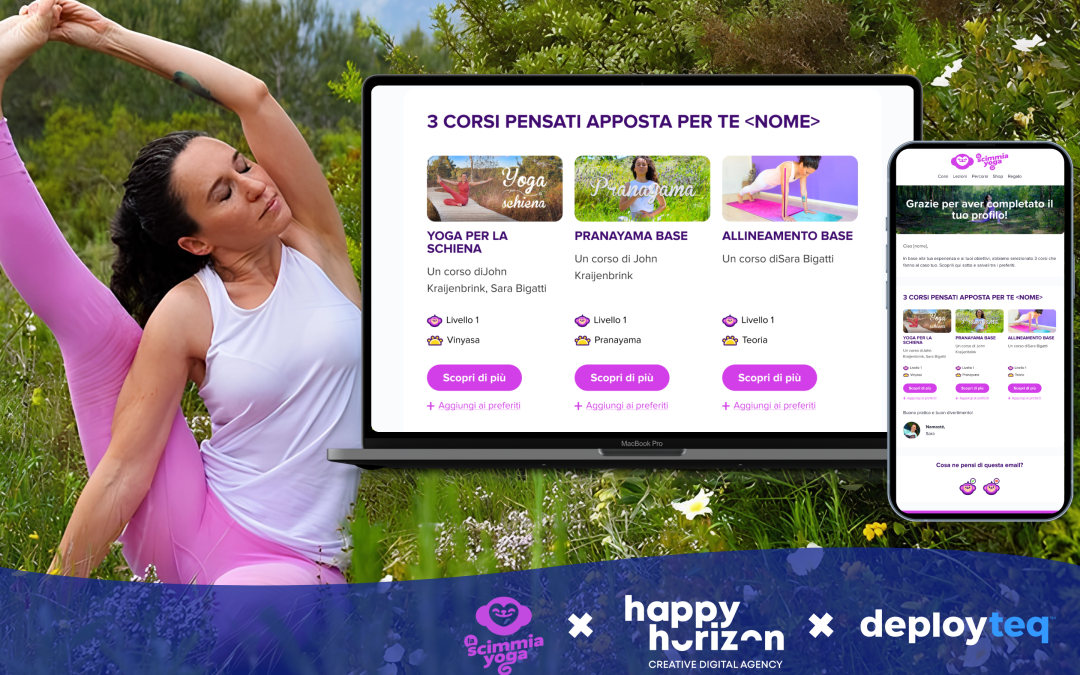
Beyond triggers, marketing automation uses dynamic content blocks to serve different messaging within the same campaign. A single email template can display different products, images, and copy depending on who is opening it, meaning you scale personalisation without scaling your workload.
What types of customer data power personalised automation?
Personalised automation is powered by three core types of customer data: behavioural data (what customers do), demographic data (who they are), and transactional data (what they buy and when). The richer and more unified your data, the more precisely your automation can respond to each individual customer in real time.
Here is a breakdown of the data types that matter most:
- Behavioural data: Page visits, email opens, link clicks, abandoned carts, and app interactions. This tells you where a customer is in their decision journey.
- Transactional data: Purchase history, order frequency, average order value, and product categories. This powers RFM modelling and next-best-offer logic.
- Demographic and preference data: Location, age, stated preferences, and loyalty status. This shapes tone, timing, and channel selection.
- Lifecycle stage data: Whether someone is a new subscriber, an active buyer, or a lapsed customer. This determines which journey they enter and what message they receive.
The challenge most marketers face is fragmentation. Data sits in separate systems, CRM, e-commerce platform, email tool, and loyalty programme, making it difficult to act on a complete customer picture. A customer data platform solves this by unifying those sources into a single, actionable profile for each customer.
Which marketing channels benefit most from automation?
Email benefits most from marketing automation, but SMS, push notifications, WhatsApp, and web personalisation all see significant performance gains when automation is applied. The channels that benefit most are those where timing and relevance are critical, and where manual sending would create delays that kill conversion.
Email remains the highest-return channel for automated personalisation. Welcome sequences, post-purchase flows, re-engagement campaigns, and cart recovery all perform significantly better when triggered by behaviour rather than sent on a fixed schedule. Advanced segmentation and dynamic content make email the most versatile tool in an automated stack.
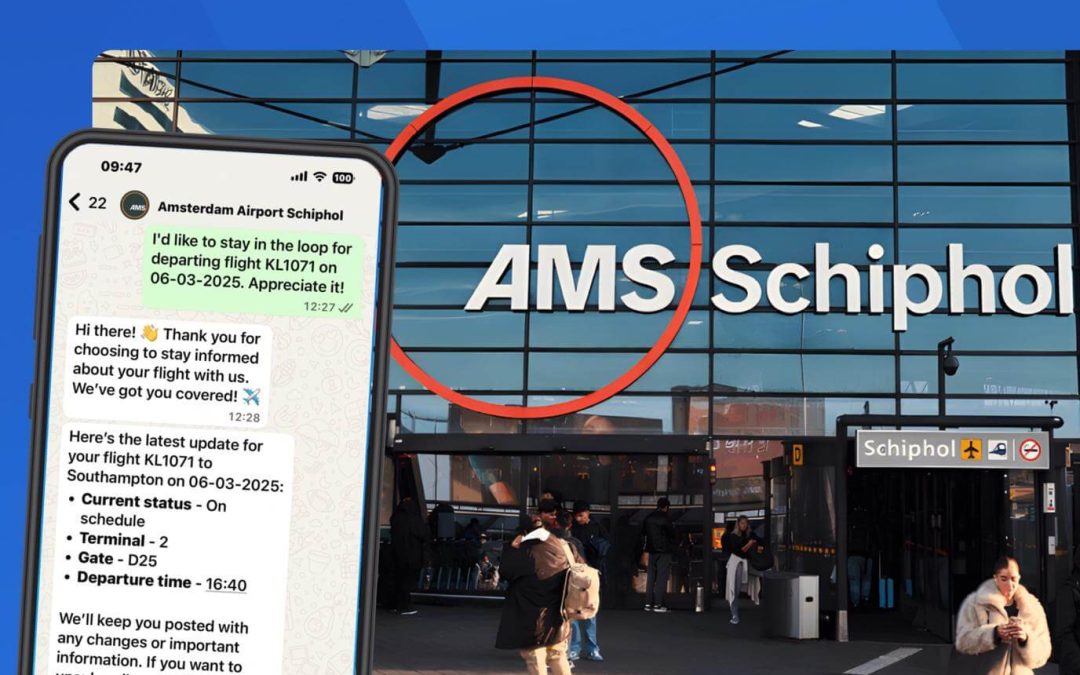
SMS and WhatsApp automation excel in time-sensitive scenarios: flight updates for a travel brand, flash sale alerts for a retailer, or appointment reminders in financial services. Push notifications serve a similar role for app-first brands, where real-time triggers drive immediate action.
Web personalisation, serving different content to different visitor segments based on their profile and behaviour, rounds out a cross-channel approach. When all these channels share the same underlying data and logic, the customer experience feels coherent rather than fragmented.
How do automated customer journeys improve experience outcomes?
Automated customer journeys improve experience outcomes by ensuring every customer receives a consistent, timely, and relevant sequence of communications that matches their specific behaviour and stage, rather than a one-size-fits-all broadcast. The result is higher engagement, stronger retention, and better lifetime value.
Consider a retail brand running a post-purchase journey. A customer buys a pair of running shoes. The automation triggers a confirmation email, followed by a care guide three days later, a cross-sell recommendation for accessories on day seven, and a loyalty reward prompt on day fourteen. Each step is logical, helpful, and timed to when it is most likely to land well.
For a travel brand, the journey might span months: an inspiration email after a destination search, a booking nudge when prices drop, a pre-departure checklist two weeks before travel, and a review request on return. None of this requires a team member to manually queue each message. The journey runs, responds, and adapts on its own.
The improvement in experience outcomes comes from removing the gaps and inconsistencies that manual communication creates. Customers do not fall through the cracks. Every touchpoint is intentional. And because the messaging responds to what the customer actually does, it feels personal rather than automated, even when it is.
What’s the difference between basic email tools and marketing automation platforms?
Basic email tools send messages to lists. Marketing automation platforms respond to individual customer behaviour, trigger personalised journeys, unify data across channels, and measure impact at a granular level. The difference is not just in features; it is in the fundamental approach to how and why a message gets sent.
What basic email tools do well
Tools like Mailchimp or ActiveCampaign are well-suited for straightforward broadcast campaigns: newsletters, announcements, and simple drip sequences. They are easy to set up, affordable at low volumes, and perfectly adequate when your audience is small and your segmentation needs are basic.
Where marketing automation platforms go further
Marketing automation platforms handle complexity that basic tools cannot. They connect to your CRM, e-commerce platform, and loyalty system to pull real-time data. They trigger communications based on specific actions, not just time delays. They support multiple channels from a single platform. And they give you the segmentation depth to target micro-audiences with precision.
For brands managing large, high-value customer bases across multiple touchpoints, the gap between these two categories is significant. A basic tool might let you send a birthday email. A full email marketing platform lets you build a birthday journey that adapts based on the customer’s purchase history, preferred channel, and loyalty tier, all without manual effort.
How can brands measure the impact of personalised automation?
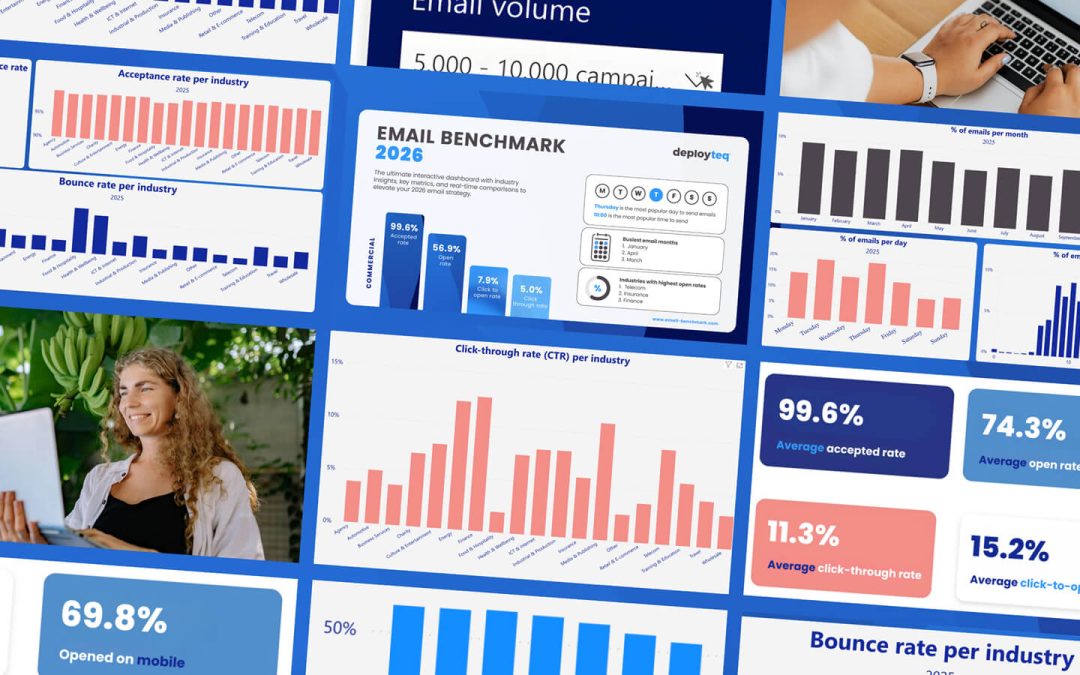
Brands measure the impact of personalised automation through a combination of engagement metrics (open rates, click-through rates), conversion metrics (revenue per email, purchase rate), and retention metrics (repeat purchase rate, churn rate, LTV). The most meaningful measurement compares automated, personalised journeys against broadcast benchmarks to quantify the uplift.
Key metrics to track include:
- Conversion rate by journey stage: Which steps in your automated flow are driving action, and where are customers dropping off?
- Revenue attribution: How much revenue can be directly linked to automated campaigns versus manual sends?
- Engagement over time: Are customers who enter personalised journeys more engaged at 30, 60, and 90 days than those who do not?
- Churn reduction: Is your re-engagement automation actually recovering lapsed customers at a measurable rate?
- Segment performance: Which customer segments respond best to which types of personalised content?
The important distinction is moving from vanity metrics to business metrics. Open rates tell you something, but revenue per contact tells you far more. Brands that connect their automation platform to business outcomes, rather than just email statistics, get a clearer picture of what is actually working.
How Deployteq powers personalised marketing automation
We built Deployteq specifically for marketers who need to deliver personalised experiences at scale, without the complexity that usually comes with it. Here is what that looks like in practice:
- Advanced email marketing: Build hyper-personalised campaigns using dynamic content blocks and smart segmentation, delivering tailored messages to every segment from a single template.
- Unified customer data: Our CDP consolidates data from across your stack into a single customer profile, powering real-time triggers and intelligent modelling, including RFM, next-best-offer, and predictive insights.
- Cross-channel journey builder: Design and automate customer journeys across email, SMS, WhatsApp, push, and web from one flexible platform, with the freedom to build flows that match your specific customer lifecycle.
- Smart segmentation: Create real-time, highly targeted segments based on behaviour, transaction history, and lifecycle stage, so every message reaches the right audience at the right moment.
Trusted by brands like Wickes, Virgin Media, and Center Parcs, we help marketing teams move from manual effort to intelligent automation without losing the personal touch that drives loyalty. Ready to see it in action? Do a self-guided demo and explore what personalised automation looks like for your business.