The challenge: moving beyond standardised personalisation
The Koninklijk Concertgebouw is continuously strengthening how it connects with its audience. With a database of over 260,000 contacts and a diverse concert offering, the organisation is already leveraging data to run targeted campaigns.
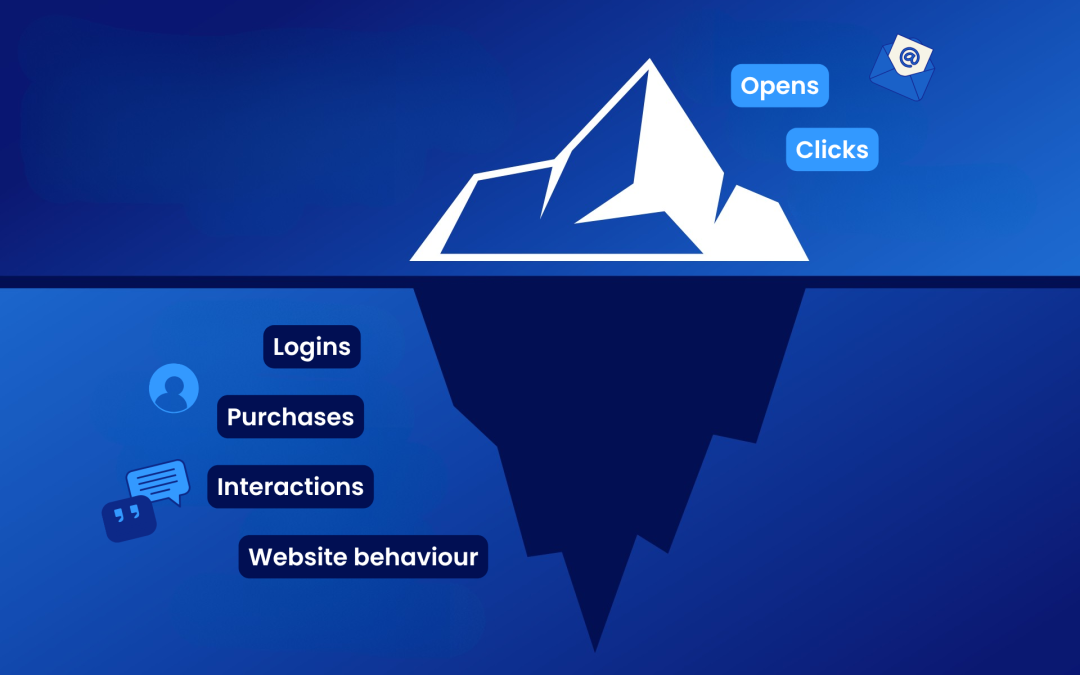
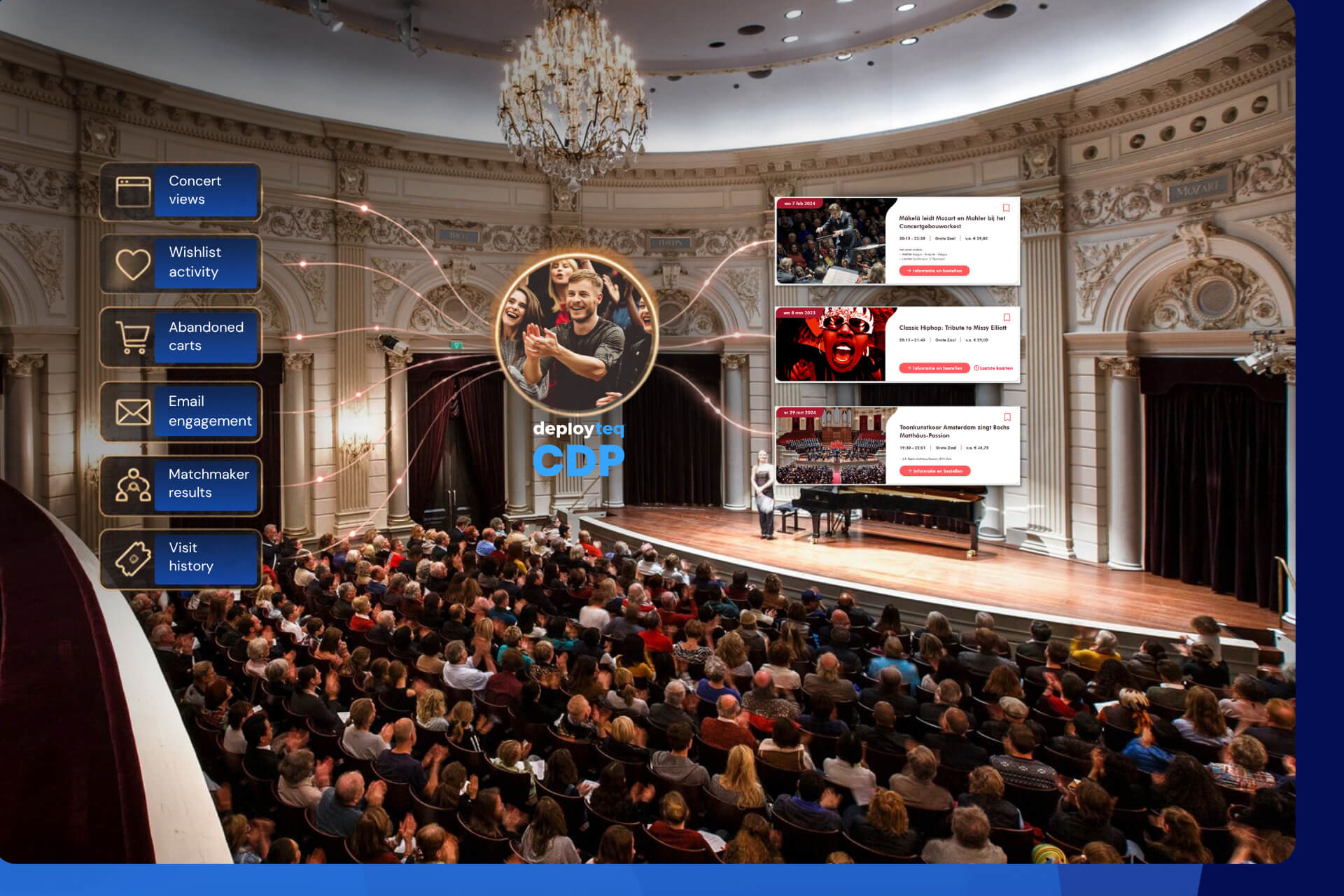
Through Spotler Activate, the Concertgebouw has gained valuable insights into the importance of website behaviour in understanding audience intent. Today, it captures a wide range of signals, including concert views, seat picker visits, abandoned carts, and interactions with recommendation tools.
As its ambitions grow, the challenge is no longer collecting data, but combining these behavioural signals to create a more complete customer view and drive more relevant engagement.
While broad campaigns such as biweekly newsletters remain important, there is a growing opportunity to deliver more personalised experiences through deeper audience understanding.
The Concertgebouw is therefore evolving from data activation towards a more comprehensive customer understanding.

The approach: a new behaviour-driven segmentation strategy
To unlock this next phase, the Concertgebouw is fundamentally rethinking how it segments its audience.
Instead of focusing primarily on past purchases, the team is building a dynamic segmentation model based on real-time behaviour and intent.
This new model is structuring the audience into four key groups:

Actively interested (high intent) --> called “Maestro”
Visitors who are actively showing preferences via website behaviour, wishlists or the matchmaker tool, as well as e-mail engagement.
Recently engaged
Customers with recent visits or interactions, but less explicit signals, grouped:
- “Ensemble”
Recent visit at Concertgebouw - “Reprise”
Not recently visited (or planned visit) at Concertgebouw
Inactive --> called “Solo”
Each segment is being approached with a different strategy:
- Driving conversion and repeat visits for high-intent audiences
- Encouraging re-engagement and preference sharing for lower-intent groups
This shift is enabling the Concertgebouw to move from static lists to a living segmentation model that evolves with every interaction.
The solution: Deployteq CDP as a flexible data foundation
To bring this new strategy to life, the Concertgebouw is implementing Deployteq CDP as its central data platform.
The CDP is acting as the foundation for:
Combining customer data from multiple sources (ticketing, website, email, etc.)
Creating a unified, real-time customer view
Building custom models with full transparency and control
Instead of relying on predefined logic, the team is now able to design and optimise its own segmentation and decisioning models.
This is shifting the role of data from reporting to active decision-making in marketing.
Next Best Event to Attend
Where the existing model is mainly based on visit history, the new approach is combining a much richer set of signals:
Viewed concerts and browsing behaviour
Wishlist activity
Abandoned carts
Matchmaker tool outputs
Email open and click behaviour
Concert attributes such as genre, composer, hall, instrument and timing
Frequently Bought Together
By combining these data points, the CDP is building a deeper understanding of individual preferences and intent. Each signal contributes to a score for every concert, and het Concertgebouw can easily pull the levers, adjusting the weight of each signal and seeing the results in real time.
The shift is clear:
From what someone attended in the past –> To what someone is likely to attend next
This is allowing the Concertgebouw to:
- Deliver more relevant recommendations to returning visitors
- Provide meaningful suggestions to new audiences without any visit history
In other words, the model is no longer just looking back, it is actively predicting and guiding future behaviour.
The impact: from campaigns to continuous personalisation
As the CDP is being implemented, the Concertgebouw is transitioning from campaign-based marketing to always-on, personalised engagement.
Instead of broad, one-size-fits-all communication, the team is building:
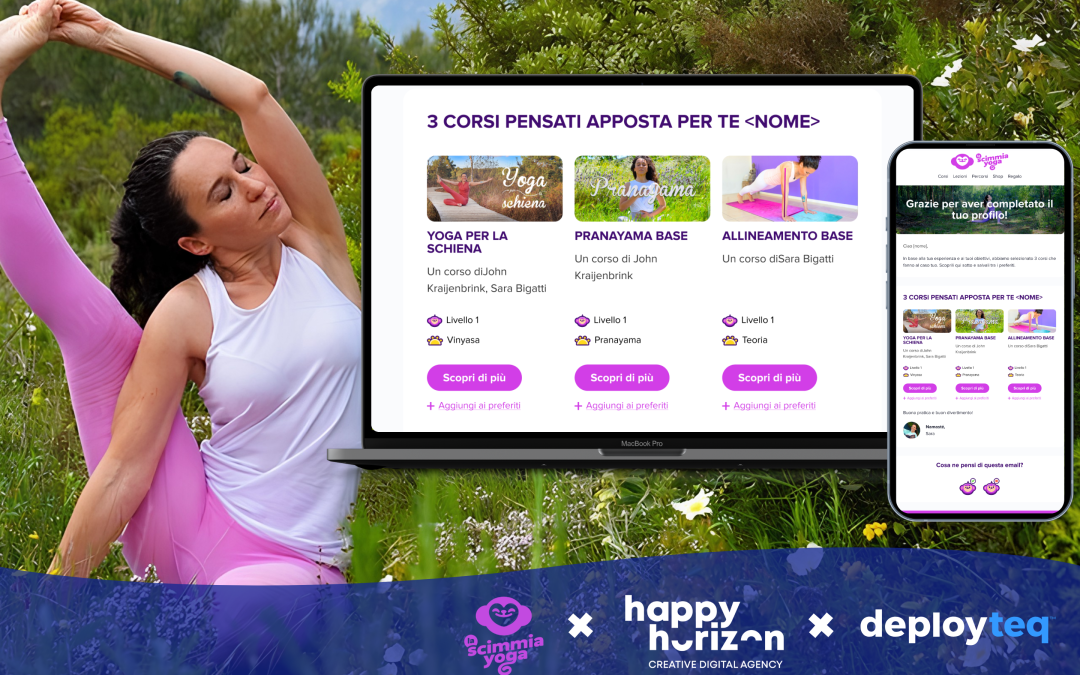
Emails with dynamic recommendation blocks
Behaviour-triggered journeys
Reactivation flows for inactive contacts
Personalised follow-ups after concert visits
This approach is ensuring that every interaction is becoming more relevant, based on what customers are actually doing, not just who they are.
Marketing is evolving from sending messages to responding to behaviour in real time.
The result: building control, insight and scalability
While the project is still in development, the direction is already clear.
By moving to Deployteq CDP, the Concertgebouw is gaining:
- Full transparency into data and models
- The ability to combine and activate multiple behavioural signals
- A scalable way to personalise across a large audience
- A foundation for continuous optimisation and innovation
Most importantly, the organisation is moving away from dependency on standardised tooling, and towards full ownership of its data strategy.
What’s next
The first use case is laying the groundwork for a much broader transformation.
Next steps are focusing on:
- Further improving recommendation logic and predictive models
- Expanding personalisation across additional channels
- Continuously refining segmentation based on new insights
- Scaling behaviour-driven marketing across the full customer journey
With Deployteq CDP at its core, the Concertgebouw is building towards a future where every visitor receives relevant, timely and personalised recommendations, at scale.