Brands are shifting from marketing automation to customer engagement platforms because automation alone no longer keeps pace with how customers expect to be treated. Modern consumers interact across multiple channels, often in real time, and they expect brands to respond with relevance at every touchpoint. Marketing automation handles scheduled sends and basic triggers well, but it was never built to orchestrate the kind of dynamic, data-rich experiences that drive long-term loyalty.
This shift is particularly visible in sectors like retail, travel, and finance, where customer journeys are complex and the cost of irrelevance is high. The questions below unpack exactly what is driving the change and what brands should do about it.
What do customer engagement platforms offer that marketing automation doesn’t?
Customer engagement platforms go beyond scheduled messaging by connecting real-time behavioural data, cross-channel orchestration, and predictive intelligence in a single environment. Where marketing automation focuses on triggering pre-built sequences, engagement platforms respond dynamically to what a customer is doing right now, across every channel they use.
The practical difference shows up in how each system handles context. A marketing automation tool might send a follow-up email three days after a purchase. A customer engagement platform, by contrast, can detect that the same customer browsed a related product on the app, opened a push notification, and then abandoned a basket, and respond to all of that as a single, connected story.
Key capabilities that go beyond standard marketing automation include:
- Real-time event triggers based on live behavioural signals, not just scheduled rules
- Unified customer profiles that consolidate data across channels into one view
- Predictive modelling such as next-best-offer and churn likelihood scoring
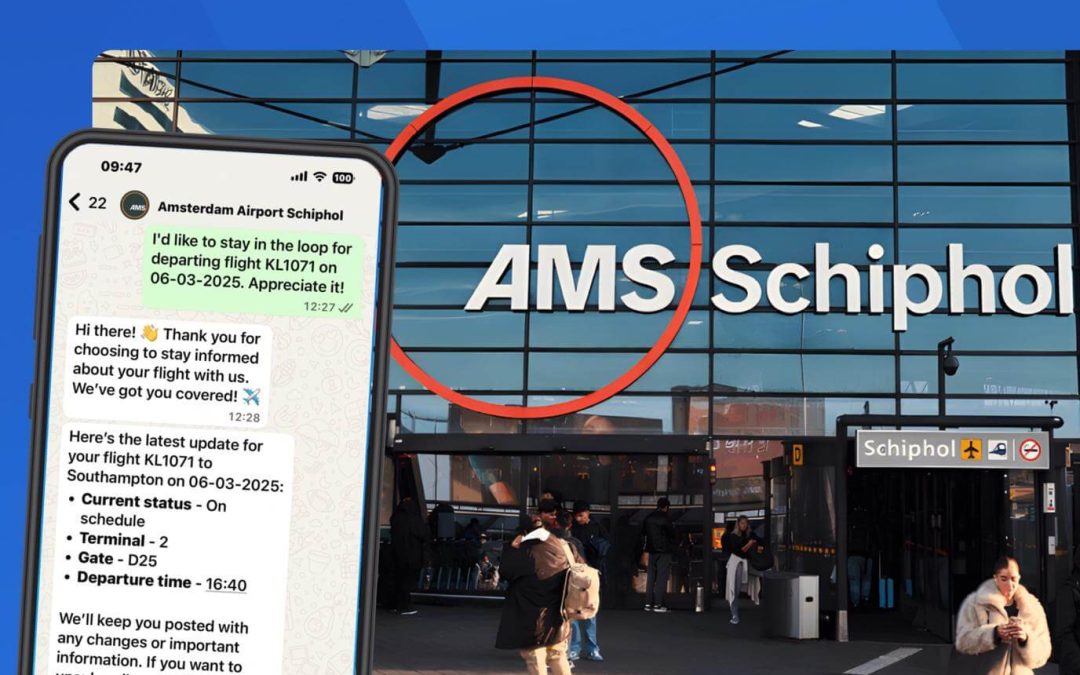
- Cross-channel orchestration across email, SMS, push, WhatsApp, and web simultaneously
- Dynamic content personalisation that adapts at the moment of open, not at the moment of send
The result is a platform built around the customer’s actual journey, not the marketer’s campaign calendar.
Why are brands finding marketing automation too limiting?
Brands are hitting the ceiling of marketing automation because their customer data has outgrown the tools. As first-party data becomes the primary asset in a cookieless world, platforms that cannot unify, activate, and act on that data in real time become a bottleneck rather than an advantage.
The frustration is familiar to most CRM and email marketers. You build a sophisticated welcome series, a cart recovery flow, and a re-engagement programme. But each sits in a silo. The customer who converts through the cart flow still receives the re-engagement email two days later. The loyalty member who books a holiday gets the same generic newsletter as a first-time visitor. The data exists to do better, but the platform cannot connect it fast enough.
There are three core limitations that consistently push brands to look beyond automation:
- Fragmented data: Automation platforms typically pull from a single source of truth. When customer data lives across a CRM, an e-commerce platform, a loyalty programme, and a mobile app, the automation logic breaks down.
- Rigid journey logic: Pre-built sequences assume linear behaviour. Real customers are non-linear. They skip steps, return unexpectedly, and switch channels mid-journey.
- Limited personalisation at scale: Basic automation can personalise a first name or a product category. True hyper-personalisation, the kind that adapts content, timing, and channel in real time, requires a different architecture entirely.
How does a customer data platform fit into this shift?
A customer data platform (CDP) is the connective layer that makes genuine customer engagement possible. It ingests data from every source, builds unified individual profiles, and makes that data available for real-time activation across every channel. Without a CDP, even the most sophisticated engagement platform is working with incomplete information.
Think of it this way: marketing automation tells your tools what to send and when. A CDP tells your tools who they are talking to and what that person actually needs right now. The two work together, but the CDP is what elevates automation into engagement.
For brands managing high-volume customer bases, a customer data platform unlocks several immediate advantages:
- Consolidated profiles that merge online and offline behaviour into one record
- Smart segmentation built on live data rather than static lists
- Predictive models like RFM scoring and next-best-offer that surface actionable insight without manual analysis
- Activation that flows directly into campaigns across email, SMS, push, and web without manual exports or data delays
The CDP does not replace your engagement platform. It powers it.
Which industries are leading the move to customer engagement platforms?
Travel, retail, finance, and entertainment are the sectors moving fastest toward customer engagement platforms, driven by complex customer lifecycles, high data volumes, and the commercial pressure to retain customers rather than constantly acquire new ones.
Travel and leisure
Travel brands manage some of the longest and most variable customer journeys in any sector. A customer might research a destination for six weeks, book in a single session, and then go quiet until the departure window. Engagement platforms allow travel marketers to maintain relevance throughout that entire cycle, triggering loyalty updates, destination content, and ancillary offers based on real booking signals rather than time-based sequences.
Retail and e-commerce
Retail moves at a pace that standard automation struggles to match. Stock changes, price drops, abandoned baskets, and seasonal peaks all demand real-time responsiveness. Engagement platforms built on unified data can trigger cart recovery across SMS and email simultaneously, serve dynamic product recommendations based on live browsing behaviour, and suppress irrelevant messages the moment a purchase is confirmed.
Finance and insurance
In finance, trust is the product. Customers need timely, relevant communication that feels considered rather than automated. Engagement platforms allow financial brands to build complex lifecycle programmes, from onboarding through to renewal, with the kind of personalisation that reinforces confidence rather than eroding it.
What should brands look for when making the switch?
When moving from marketing automation to a customer engagement platform, brands should prioritise data unification capability, cross-channel activation, and ease of use for the marketing team. A platform that requires months of technical implementation before it delivers value is not a solution; it is a new problem.
The most important questions to ask during evaluation:
- Can it unify data from all your existing sources without heavy IT dependency?
- Does it support real-time triggers across email, SMS, push, and web from a single interface?
- How flexible is the journey builder? Can non-technical marketers build and adjust flows without developer support?
- Does it include predictive intelligence natively, or does that require a separate tool?
- What does migration look like? Understand the data transfer process, template migration, and onboarding timeline before committing.
Brands upgrading from simpler platforms like Mailchimp or ActiveCampaign often underestimate the importance of segmentation depth. Basic list-based tools make it easy to get started, but they create a ceiling that becomes visible quickly once your data strategy matures. Look for a platform with advanced email capabilities and segmentation built for high-volume, high-complexity programmes.
How Deployteq supports the shift to smarter customer engagement
We built Deployteq for exactly this transition. Our platform combines advanced marketing automation with a native Customer Data Platform, giving you the unified data foundation and the cross-channel activation tools in one place. You do not need to stitch together separate systems to get a complete picture of your customer.
Here is what that looks like in practice:
- Unified customer profiles that consolidate data from every source and update in real time
- Smart segmentation using RFM, next-best-offer, and predictive scoring built directly into the platform
- Cross-channel campaign activation across email, SMS, WhatsApp, push, and web from a single journey builder
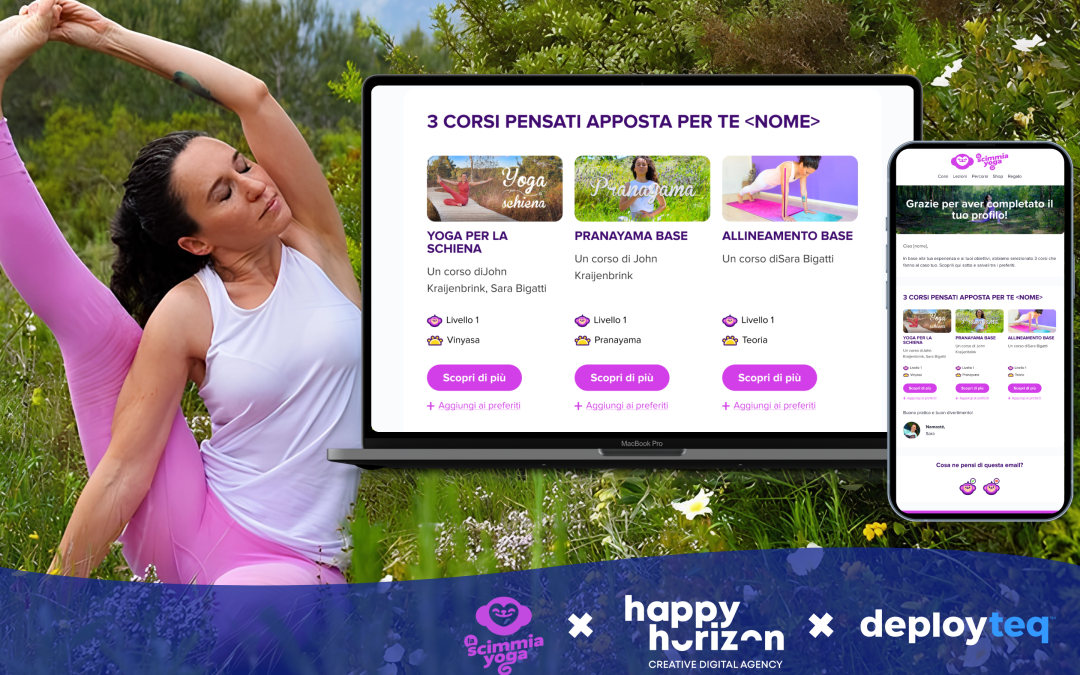
- Advanced email marketing with dynamic content blocks and hyper-personalised templates that scale without duplication
- Flexible journey design that non-technical marketers can build, test, and adjust without developer support
Whether you are upgrading from a basic automation tool or consolidating fragmented point solutions, we make the switch straightforward. Ready to see it in action? Book a guided demo and we will show you exactly how Deployteq works for your sector and your data.