Marketing automation has been around long enough that most teams have a platform in place. But having automation and using it to drive real customer engagement are two very different things. The tools have matured. Customer expectations have too. In 2026, the gap between brands that automate and brands that truly connect is widening fast.
This article walks through what modern marketing automation must become to close that gap. We move from defining what engagement actually looks like today, through the mechanics of data, personalisation, and journey design, to building a strategy that grows with your customers rather than falling behind them.
What real customer engagement actually means today
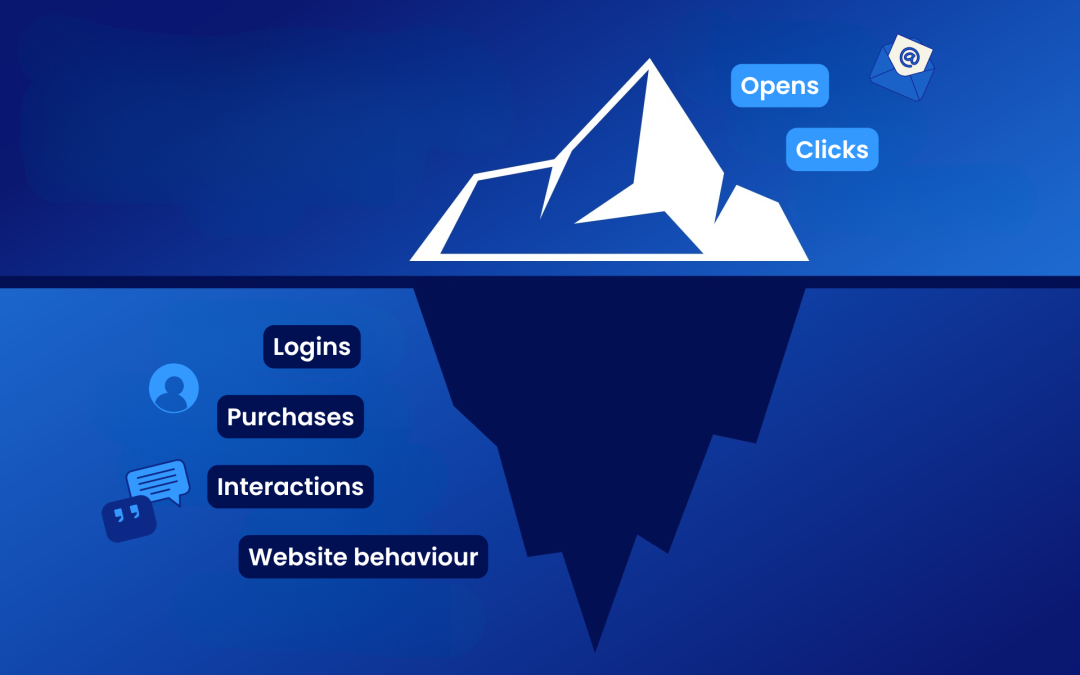
Customer engagement is not opens, clicks, or session time. Those are signals. Real engagement is when a customer takes a meaningful action because your message arrived at the right moment, through the right channel, with content that felt relevant to them specifically.
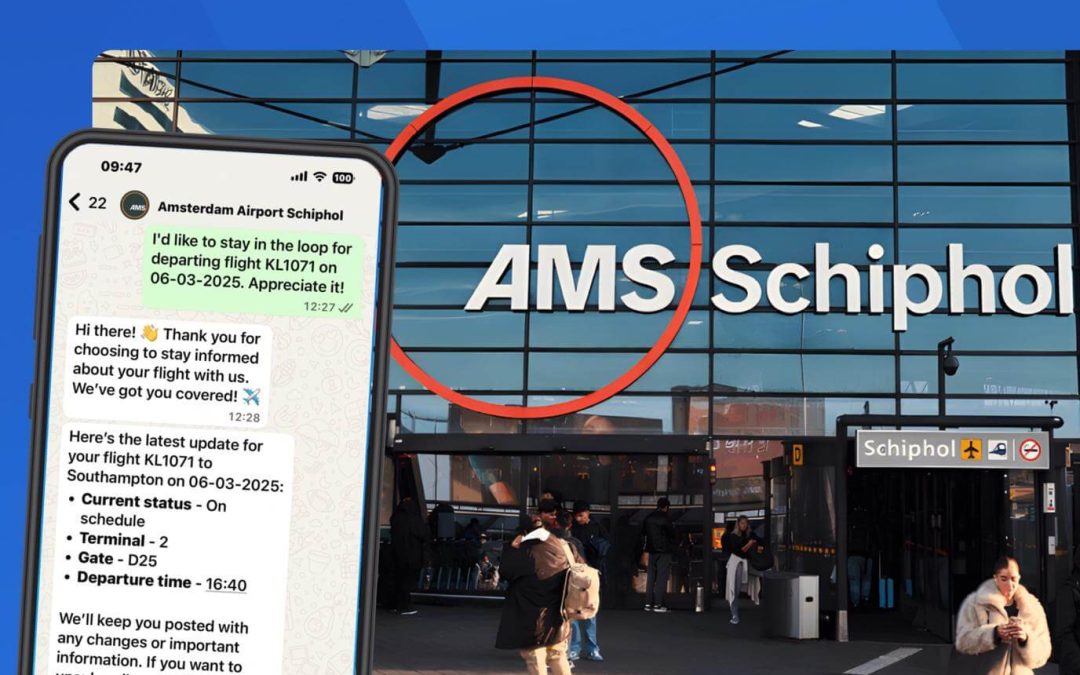
The shift in recent years has been decisive. Customers now interact with brands across a fragmented mix of channels: email, SMS, push notifications, web, WhatsApp, social. They expect continuity across all of them. A travel brand that sends a booking reminder by email but ignores the fact that the customer already called to cancel is not engaging. It is broadcasting.
True engagement requires context. That means knowing not just who a customer is, but where they are in their relationship with your brand, what they have done recently, and what they are likely to need next. Everything else in this article builds toward making that possible.
Why traditional marketing automation falls short
Most legacy automation setups were designed around campaigns, not customers. They were built to send batch emails on a schedule, trigger a welcome series after sign-up, or fire a cart abandonment message after a set delay. That logic made sense when channels were simpler and data was thinner.
The problem is that this campaign-first model creates a fragmented experience. A retail customer might receive a promotional email, a separate SMS from a different tool, and a retargeting ad that contradicts the email offer, all within the same afternoon. Each message was automated. None of them were coordinated.
Common failure points in traditional automation include:
- Siloed data: Customer behaviour in one channel does not inform messaging in another
- Static segments: Lists are updated weekly or monthly rather than in real time
- Linear journeys: Flows follow a fixed path regardless of what the customer actually does
- Single-channel thinking: Automation is built around email alone, with other channels bolted on as an afterthought
The result is automation that feels mechanical rather than intelligent. Customers notice. And increasingly, they disengage.
How data unification powers smarter engagement
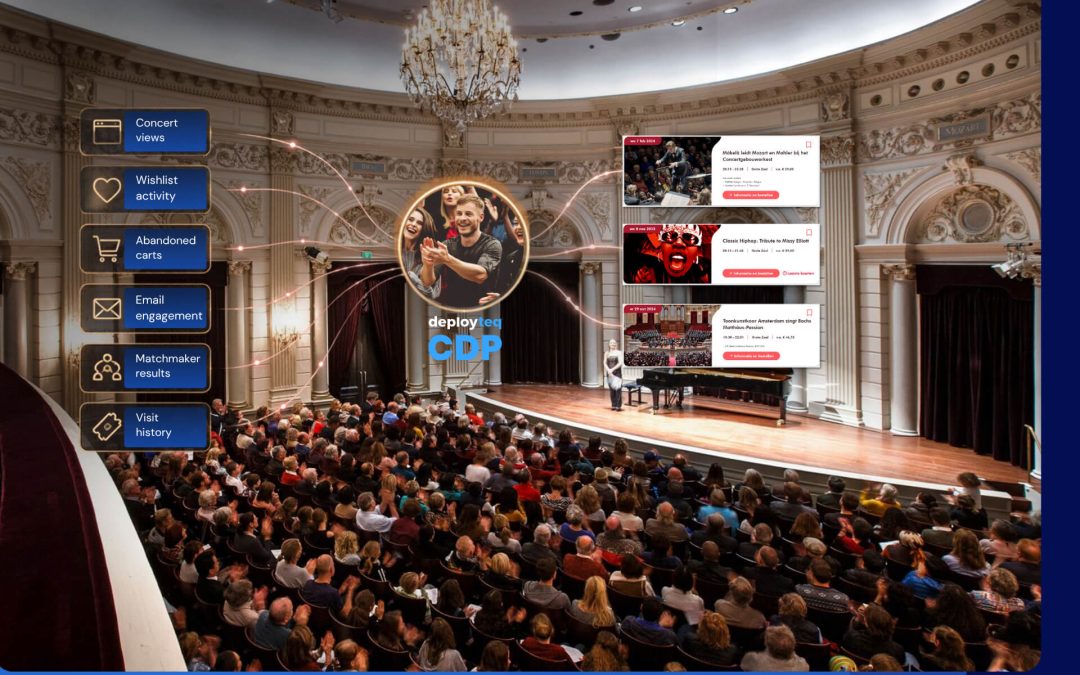
The foundation of smarter marketing automation is unified customer data. Without it, every personalisation effort is working with an incomplete picture. With it, your platform can respond to customers as whole people rather than isolated transactions.
Data unification means consolidating behavioural, transactional, and demographic data from every touchpoint into a single customer profile. For example, a finance brand might pull together web browsing behaviour, product enquiry history, email engagement, and app logins. That combined profile is far more actionable than any single data source alone.
Unified data enables three things that fragmented data cannot:
- Real-time triggers: When a customer takes an action, your platform responds immediately, not on the next send day
- Cross-channel consistency: Every channel draws from the same profile, so messages align rather than contradict
- Predictive modelling: With enough consolidated data, you can identify patterns like purchase likelihood, churn risk, or next-best-offer before the customer signals intent explicitly
Think of it this way: a unified data layer is the difference between a brand that reacts to customers and one that anticipates them. The former is automation. The latter is engagement.
Personalisation at scale: from segments to individuals
Building on the data principles above, personalisation is where unified data becomes commercial value. But there is a common misconception worth addressing directly: personalisation at scale does not mean writing individual emails for every customer. It means designing systems that make each customer feel like you did.
The journey from broad segments to genuine individual relevance typically moves through three levels:
- Segment-level personalisation: Different messages for different audience groups, such as loyal customers versus lapsed ones, or high-LTV versus low-LTV customers
- Behavioural personalisation: Content and timing adapt based on what a customer has recently done, such as browsing a product category or opening a specific email
- Predictive personalisation: Intelligent models determine what a customer is likely to want next, and your automation delivers that before they have to ask
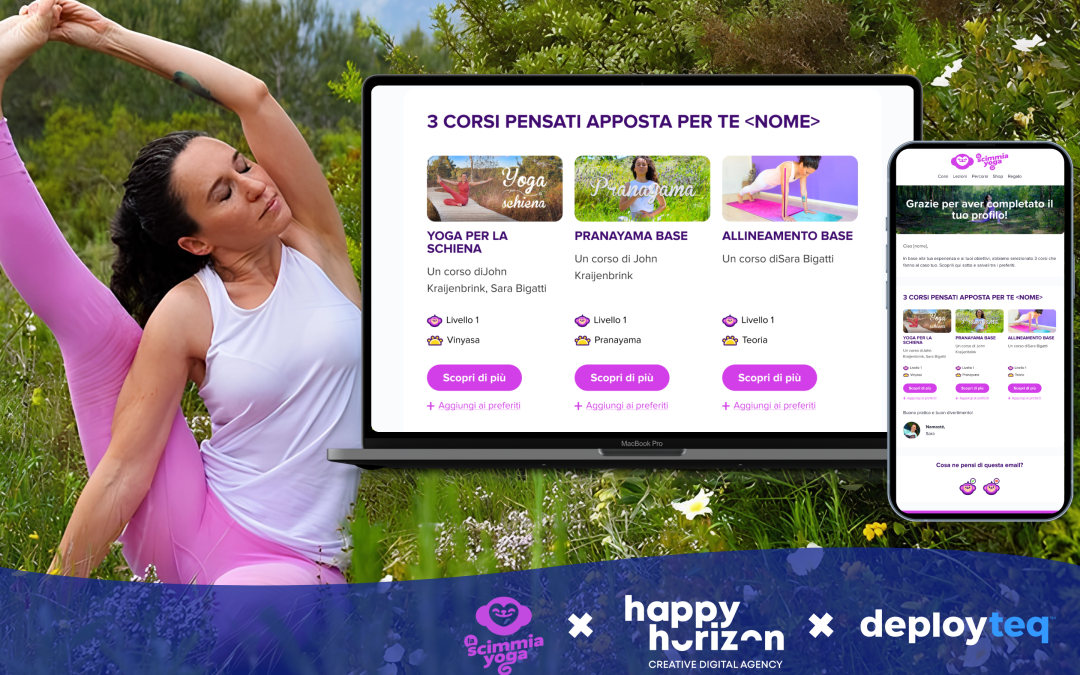
For an entertainment brand with millions of subscribers, this might look like a weekly digest email where the content blocks, featured content type, and send time all vary based on each subscriber’s engagement history. The template is one. The experience is individual. Advanced email personalisation makes this possible without duplicating campaigns or manual production overhead.
What intelligent journey design looks like in practice
A journey is not a flow chart with a fixed start and end. An intelligent journey is a responsive system that adapts based on what a customer does, or does not do, at every step.
Where traditional journeys follow a linear path, intelligent journey design works with branching logic, real-time decisioning, and channel flexibility. For example, a hospitality brand running a post-stay follow-up journey might:
- Send a satisfaction survey by email 24 hours after checkout
- If the email is not opened within 48 hours, follow up with an SMS
- If the customer completes the survey and gives a high rating, trigger a loyalty reward message
- If the rating is low, route the customer into a service recovery flow rather than a promotional one
This is not a complicated concept, but it requires a platform that can execute cross-channel logic in real time, with the customer data platform feeding each decision point. The journey adapts to the customer, not the other way around.
Building a marketing automation strategy that evolves
The final concept to establish is that marketing automation is not a project with a completion date. It is a capability that needs to be designed to evolve alongside your customers, your data, and your business.
A strategy that evolves has three characteristics. First, it is built on clean, unified data that grows richer over time as more touchpoints are connected. Second, it is tested continuously, with journey performance reviewed regularly and messaging updated based on what the data shows. Third, it is structured to expand, meaning new channels, new segments, and new models can be added without rebuilding from scratch.
Common mistakes to avoid when scaling automation:
- Treating automation as a set-and-forget system rather than a living programme
- Building journeys that cannot accommodate new channels when customer behaviour shifts
- Optimising for volume metrics like send volume rather than engagement quality
- Failing to connect automation strategy to commercial outcomes like LTV and retention
The brands that get the most from automation are the ones that treat it as a core marketing discipline, not a technical tool managed by one person in the corner.
How Deployteq helps you drive smarter customer engagement
Everything covered in this article, from data unification to intelligent journey design, is exactly what we built Deployteq to deliver. We give marketing teams the tools to move from campaign-based broadcasting to genuinely responsive, cross-channel engagement.
Here is what that looks like in practice with Deployteq:
- Unified customer data: Our Customer Data Platform consolidates behavioural, transactional, and demographic data into a single profile, powering real-time triggers and predictive models like RFM and next-best-offer
- Advanced email personalisation: Build hyper-personalised campaigns using dynamic content blocks and smart segmentation, delivering a different experience to every segment from a single send
- Cross-channel journeys: Design and deploy journeys across email, SMS, WhatsApp, push, and web from one platform, with branching logic that adapts based on live customer behaviour
- Flexible journey builder: Build flows that evolve as your strategy does, without needing to rebuild your automation architecture every time your business grows
If you are ready to see what this looks like for your specific channels and customer base, do a self-guided demo and explore the platform at your own pace, or book a demo with our team to walk through your use case directly.