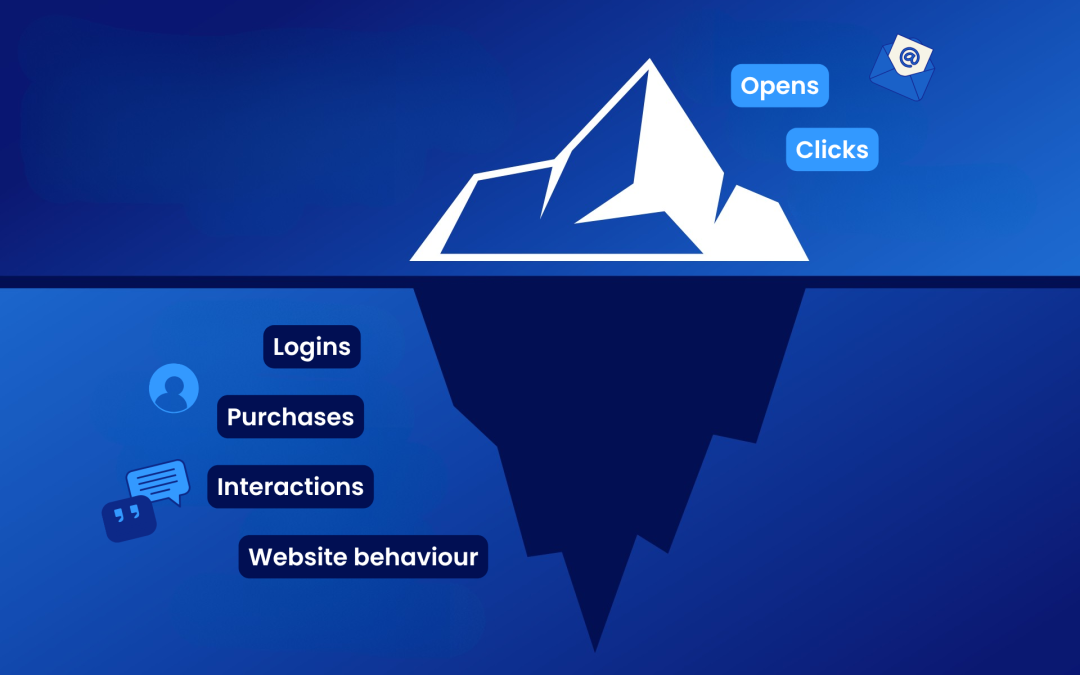
Data chaos is ruining your Friday afternoon. You launch what should be a precision-targeted campaign, only to watch bounce rates spike while engagement plummets. The culprit? Poor marketing automation data hygiene, which sabotages your customer experiences before they even begin.
Smart marketers know that pristine data isn’t just about tidy spreadsheets. It’s about delivering the right message to the right person at exactly the right moment. When your customer data quality deteriorates, every automated journey becomes a potential brand risk.
What is marketing automation data hygiene?
Marketing automation data hygiene is the systematic process of cleaning, validating, and maintaining customer data quality within your marketing technology stack. This includes removing invalid email addresses, standardizing contact information, eliminating duplicates, and ensuring data accuracy across all touchpoints.
Effective data cleansing goes beyond basic list maintenance. It involves real-time validation of incoming data, regular audits of existing customer records, and governance protocols that prevent contamination. For B2C marketers managing high-volume databases, this means implementing automated checks that catch issues such as formatting inconsistencies, incomplete profiles, and outdated preferences before they impact campaign performance.
The scope extends across your entire marketing automation ecosystem. From initial data capture through complex journey orchestration, every customer touchpoint generates information that requires ongoing maintenance to remain actionable and compliant.
Why does poor data quality hurt your marketing campaigns?
Poor data quality directly damages email deliverability, reduces campaign ROI, and creates disjointed customer experiences that erode brand trust. When your database contains invalid addresses, duplicate records, or outdated preferences, automated campaigns deliver irrelevant messages to the wrong segments at inappropriate times.
The impact cascades through every channel. Email campaigns suffer from high bounce rates and spam complaints, which damage sender reputation and reduce inbox placement. SMS and push notifications fail to reach customers who’ve changed devices or phone numbers. Personalization engines make recommendations based on stale behavioral data, creating awkward customer interactions.
Database maintenance issues compound over time. A small percentage of bad data can grow exponentially as automated journeys trigger based on incorrect information. Customer lifetime value calculations become unreliable when purchase histories are fragmented across duplicate profiles. Compliance risks increase when opt-out preferences aren’t properly synchronized across channels.
What are the main types of data hygiene issues?
The most common data hygiene issues include invalid email addresses, duplicate customer records, incomplete profile data, outdated contact information, and inconsistent data formatting across systems. These problems typically stem from poor data capture processes, system integrations, and a lack of ongoing maintenance protocols.
Invalid contact data represents the most immediate threat to campaign performance. This includes hard-bounced email addresses, disconnected phone numbers, and fake or test accounts that skew analytics. Duplicate records create fragmented customer views, where the same person appears multiple times with different engagement histories and preferences.
Data decay occurs naturally as customers change jobs, move locations, or update communication preferences. Industry research suggests that B2C databases degrade by approximately 2–3% per month without active maintenance. Formatting inconsistencies emerge when data flows between different systems that handle names, addresses, and dates differently.
Behavioral data staleness poses particular challenges for automated campaigns. When purchase history, browsing behavior, or engagement preferences become outdated, personalization algorithms make poor recommendations that feel disconnected from customers’ current interests.
How often should you clean your marketing database?
Marketing databases require continuous maintenance, with comprehensive deep cleans performed quarterly. High-frequency touchpoints such as email validation should run in real time, while broader data audits and duplicate removal can follow monthly schedules based on your data volume and campaign frequency.
Real-time validation catches issues at the point of data entry. This includes email syntax checks, phone number formatting, and postal code validation during form submissions. These automated processes prevent bad data from entering your customer data platform rather than requiring cleanup later.
Monthly maintenance cycles should address duplicate detection, engagement-based list hygiene, and preference synchronization across channels. Quarterly deep cleans involve comprehensive data audits, suppression list updates, and validation of complex customer journey triggers.
Campaign-triggered cleaning provides additional opportunities for data hygiene. Before major promotional campaigns or seasonal pushes, validate contact information for your target segments. After campaigns, analyze bounce data and engagement patterns to identify records that require attention.
What tools and methods improve data hygiene?
Effective data hygiene combines automated validation tools, regular database audits, and systematic data governance protocols. The most impactful approach integrates real-time validation at data capture points with scheduled maintenance routines that address decay and duplication over time.
Email validation services provide real-time syntax checks and deliverability scoring for new addresses. These tools integrate directly with your forms and APIs to prevent invalid addresses from entering your database. Advanced services also perform periodic revalidation of existing contacts to catch addresses that become invalid over time.
Duplicate detection algorithms identify potential matches based on multiple data points, including names, addresses, phone numbers, and email patterns. Machine learning approaches can recognize variations in formatting and spelling that simple exact-match systems miss. The key is establishing clear rules for merging duplicate profiles while preserving important behavioral history.
Data standardization tools ensure consistent formatting across your database. This includes name capitalization, address formatting, phone number structure, and date formats. Standardization makes segmentation more accurate and reduces the likelihood of duplicates caused by formatting variations.
How Deployteq helps with marketing automation data hygiene
We built our platform with data quality as a foundation, not an afterthought. Our email marketing platform includes integrated validation tools that maintain database hygiene automatically, so you can focus on creating compelling customer experiences.
Here’s how we keep your data clean:
- Real-time email validation prevents invalid addresses from entering your database
- Automated duplicate detection and merging maintains unified customer profiles
- Smart segmentation identifies and isolates problematic data before campaigns launch
- Cross-channel preference synchronization ensures consistent customer experiences
- Built-in compliance tools manage opt-outs and data retention automatically
Ready to see how clean data transforms your marketing results? Book a demo and discover why brands like Virgin Media and Center Parcs trust us to keep their customer data pristine and their campaigns performing at peak efficiency.