Small marketing teams face an uphill battle. While enterprise companies deploy armies of specialists across channels, lean teams juggle everything from campaign creation to performance analysis with limited resources. The pressure to deliver results that match those of larger competitors can feel overwhelming.
Here’s the reality: lean marketing teams can absolutely compete and win by using smart automation. The key lies in understanding which processes to automate first and how to leverage technology to multiply your team’s impact. Marketing automation isn’t just about efficiency—it’s about creating a competitive advantage through intelligent, data-driven customer experiences.
What Does It Mean to Have a Lean Marketing Team?
A lean marketing team typically consists of 1–5 marketers handling multiple responsibilities across channels, campaigns, and customer touchpoints. These teams operate with constrained budgets, limited specialist expertise, and tight deadlines while competing against organizations with significantly more resources.
Lean teams face distinct challenges that larger marketing departments rarely encounter. Team members wear multiple hats, switching between content creation, campaign management, data analysis, and strategic planning throughout the day. This context switching creates inefficiencies and increases the risk of manual errors. Additionally, lean teams often lack dedicated specialists for complex tasks like advanced segmentation or cross-channel journey orchestration.
The competitive landscape amplifies these challenges. Customers expect personalized experiences regardless of company size. A small e-commerce brand must deliver the same level of relevance and timing as industry giants, despite having a fraction of the workforce. This expectation gap is where smart automation becomes essential rather than optional.
How Can Marketing Automation Level the Playing Field for Small Teams?
Marketing automation transforms lean teams into efficient powerhouses by handling repetitive tasks, enabling sophisticated segmentation, and delivering personalized experiences at scale. Automation acts as a virtual team member, working 24/7 to nurture leads, engage customers, and optimize campaigns.
The equalizing power of automation lies in its ability to replicate what large teams do manually. While enterprise marketing departments assign specialists to monitor customer behavior and trigger relevant messages, marketing automation platforms enable small teams to achieve similar outcomes through intelligent workflows. A single marketer can orchestrate complex, multichannel journeys that respond to customer actions in real time.
Automation also democratizes advanced marketing capabilities. Features like predictive analytics, dynamic content, and behavioral triggers were once exclusive to companies with significant technical resources. Modern automation platforms make these sophisticated tools accessible to teams of any size, providing the intelligence needed to compete effectively.
The speed advantage cannot be overstated. Where manual processes might take hours or days, automated workflows execute instantly. This responsiveness creates better customer experiences and captures opportunities that manual processes would miss. A cart abandonment email triggered within minutes often outperforms one sent the next day.
What Marketing Tasks Should Lean Teams Automate First?
Lean teams should prioritize automating high-frequency, rule-based tasks that consume significant time while delivering measurable results. Email workflows, lead-nurturing sequences, and customer onboarding processes offer the highest immediate impact for resource-constrained teams.
Email automation delivers immediate wins because it addresses multiple pain points simultaneously. Welcome series, cart abandonment campaigns, and re-engagement sequences run continuously without manual intervention while generating consistent revenue. These automated touchpoints ensure no customer falls through the cracks, regardless of team bandwidth.
Lead scoring and qualification automation transforms how small teams handle prospects. Instead of manually reviewing every inquiry, automated systems can score leads based on behavior, demographics, and engagement patterns. This intelligent filtering ensures sales-ready prospects receive immediate attention while others enter appropriate nurturing sequences.
Customer segmentation automation enables sophisticated targeting without dedicated analysts. Dynamic segments that update based on purchase history, engagement levels, or lifecycle stage allow lean teams to deliver personalized messaging at scale. A retail team can automatically separate frequent buyers from occasional customers, tailoring content accordingly.
Social media scheduling and response automation helps maintain consistent brand presence across platforms. While authentic engagement requires a human touch, automated posting and initial response categorization free up time for strategic activities.
Which Automation Tools Work Best for Resource-Constrained Teams?
Resource-constrained teams need automation platforms that combine powerful functionality with intuitive interfaces, requiring minimal technical expertise to implement and maintain. The best tools offer comprehensive features within unified platforms rather than requiring multiple point solutions.
Integrated platforms provide the most value for lean teams because they eliminate the complexity of managing multiple tools. When email marketing, SMS, social media, and analytics exist within a single system, teams can create cohesive campaigns without switching between applications or managing data synchronization issues.
User-friendly journey builders are essential for teams without dedicated technical resources. Visual workflow editors that use drag-and-drop functionality allow marketers to create sophisticated automation sequences without coding knowledge. The ability to quickly modify and test different approaches becomes crucial when teams lack specialized developers.
Robust template libraries and pre-built automation workflows accelerate implementation for time-strapped teams. Rather than building every campaign from scratch, lean teams benefit from proven templates they can customize for their specific needs. This approach reduces setup time while leveraging best practices.
Comprehensive analytics within the automation platform eliminate the need for separate reporting tools. When campaign performance, customer behavior, and ROI metrics exist in one dashboard, lean teams can make data-driven decisions quickly without juggling multiple analytics platforms.
How Do You Measure Success When Competing Through Automation?
Success measurement for lean teams using automation focuses on efficiency gains, revenue attribution, and competitive positioning metrics. Key indicators include time saved per campaign, automated revenue generation, and improved customer engagement rates compared to manual processes.
Time-to-value metrics demonstrate automation’s impact on team productivity. Measuring how quickly campaigns launch, how much manual work automation eliminates, and how freed-up time translates into strategic activities provides clear ROI evidence. A team that reduces campaign setup from days to hours can pursue more opportunities and test more variations.
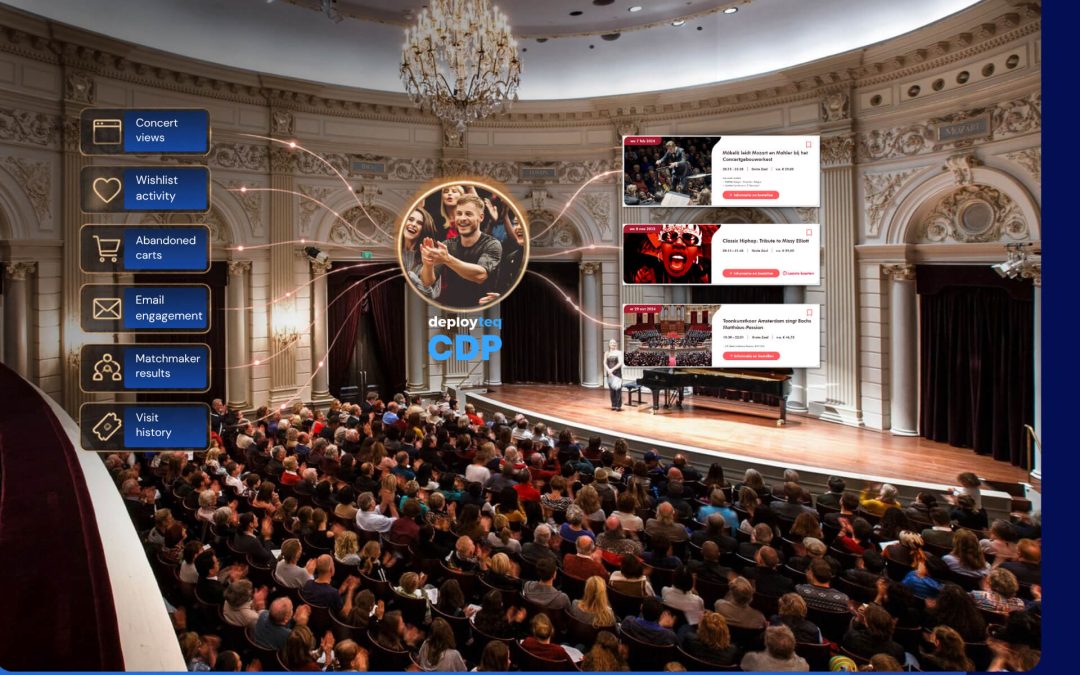
Revenue attribution becomes critical for justifying automation investments. Tracking which automated campaigns generate sales, how much revenue comes from triggered emails versus manual sends, and the lifetime value of automated nurturing sequences proves automation’s financial impact. Customer data platforms make this attribution tracking more accurate by connecting touchpoints across channels.
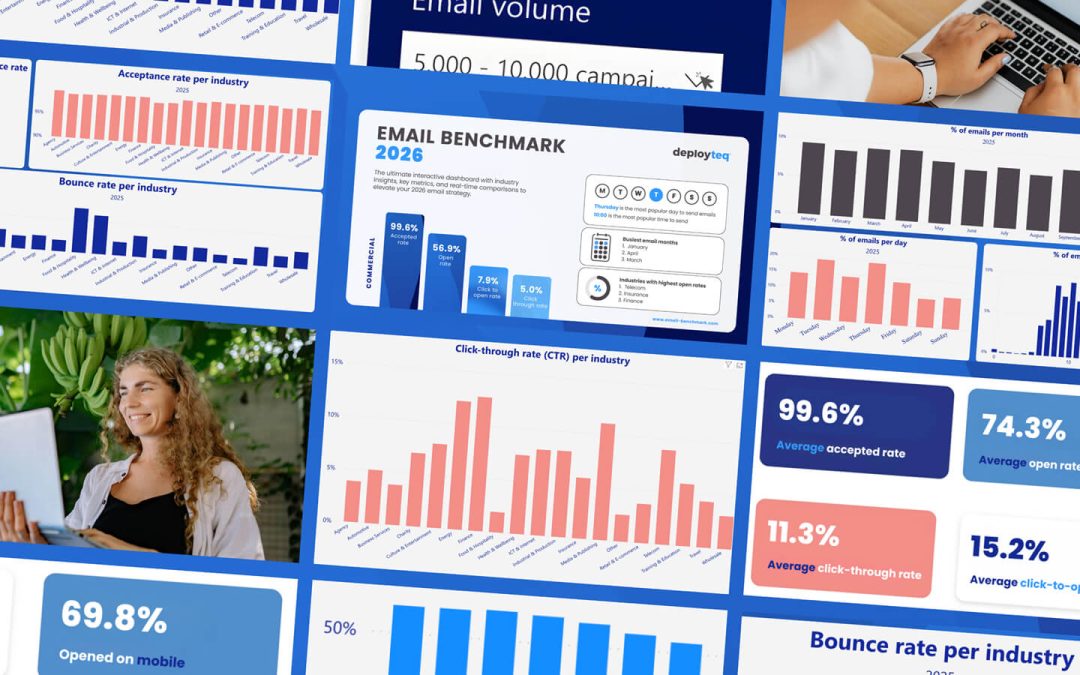
Competitive benchmarking helps gauge whether automation is closing the gap with larger competitors. Metrics like email engagement rates, conversion rates, and customer retention can be compared against industry standards to assess competitive positioning. When a small team’s automated campaigns outperform industry averages, automation is clearly working.
Customer experience metrics reveal whether automation enhances or hinders relationships. Response rates to automated messages, customer satisfaction scores, and support ticket volumes indicate whether automated touchpoints feel personal and valuable or robotic and intrusive.
How Deployteq Helps Lean Marketing Teams Compete Through Automation
We designed our platform specifically to help lean marketing teams punch above their weight through intelligent automation and unified customer data management. Our solution combines powerful automation capabilities with an intuitive interface that doesn’t require technical expertise to master.
Here’s how we level the playing field for small teams:
- Unified platform approach: Email, SMS, WhatsApp, push notifications, and web personalization work together seamlessly, eliminating the need for multiple tools and complex integrations.
- Advanced segmentation made simple: Our smart segmentation capabilities enable sophisticated customer targeting without requiring dedicated data analysts.
- Flexible journey builder: Create complex, multi-channel customer journeys using our visual workflow editor that adapts to your specific business needs.
- Intelligent automation features: RFM modeling, predictive insights, and next-best-offer recommendations help small teams deliver enterprise-level personalization.
Ready to see how automation can transform your lean marketing team’s competitive position? Book a demo to explore how our platform can multiply your team’s impact and help you compete with confidence.