A marketing automation platform handles the repetitive, time-sensitive tasks in your campaigns automatically, so your team can focus on strategy rather than manual execution. It connects your customer data, campaign logic, and delivery channels into one system, triggering the right message to the right person at the right moment. Below, we break down exactly what that looks like in practice, from the tasks it handles to when it makes sense to switch.
What tasks does a marketing automation platform handle automatically?
A marketing automation platform automatically handles audience segmentation, campaign scheduling, message personalisation, behavioural triggers, A/B testing, and performance reporting. Instead of manually building lists and sending batch emails, the platform responds to customer actions in real time, sending relevant messages based on behaviour, lifecycle stage, or data signals, without anyone pressing send.
In practical terms, this includes:
- Welcome sequences triggered the moment a new contact enters your database
- Abandoned cart or browse recovery emails sent within minutes of a drop-off
- Re-engagement campaigns launched when a customer goes quiet for a defined period
- Post-purchase flows that upsell, cross-sell, or collect reviews automatically
- Dynamic content delivery that adjusts messaging based on segment, location, or purchase history
The platform runs these journeys continuously, across thousands of contacts simultaneously, with no manual intervention required once the logic is built. That is the core operational value: consistent, scalable execution.
How does marketing automation actually improve campaign performance?
Marketing automation improves campaign performance by replacing generic, batch-and-blast messaging with timely, personalised communication. When messages are triggered by real customer behaviour rather than a fixed calendar, they arrive at the moment of highest relevance, which consistently drives stronger open rates, click-through rates, and conversions.
There are three core performance drivers at work:
- Relevance: Automated campaigns use live data to tailor content per contact, so a travel brand can send destination-specific offers based on browsing history rather than the same newsletter to everyone.
- Timing: Behavioural triggers fire at the right moment in the customer journey, whether that is immediately after a product view or three days before a subscription renewal.
- Consistency: Automated journeys never miss a contact or skip a follow-up. Every customer moves through the same quality experience regardless of team capacity.
The compounding effect matters too. When your email marketing platform links segmentation, journey logic, and reporting together, you can continuously refine triggers and content based on what is actually working, building performance over time rather than starting fresh with each campaign.
What’s the difference between a marketing automation platform and an email tool?
An email tool sends emails. A marketing automation platform orchestrates multi-step, multi-channel customer journeys using live data. The key distinction is that an email tool is campaign-centric, while a marketing automation platform is customer-centric, responding to behaviour and adapting in real time rather than delivering a fixed message to a static list.
Here is how the two compare across the dimensions that matter most:
- Segmentation: Email tools offer basic list filters. Automation platforms build dynamic segments that update automatically as customer behaviour changes.
- Triggers: Email tools require manual sends or simple time-based scheduling. Automation platforms fire messages based on events, such as a purchase, a page visit, or a lapse in activity.
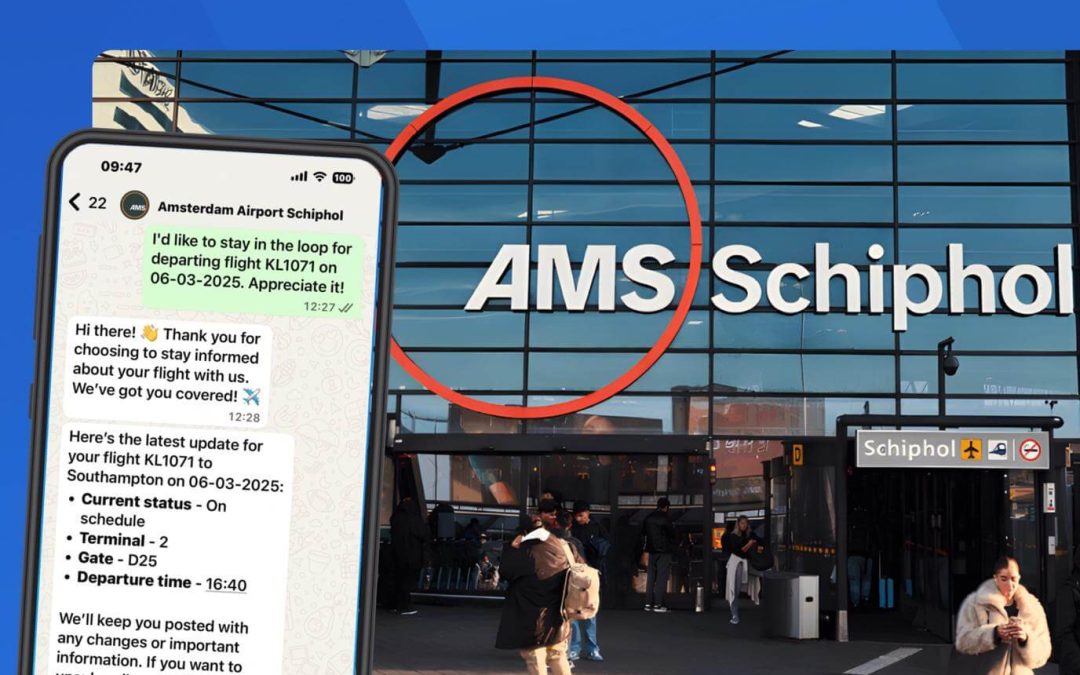
- Channels: Email tools are single-channel. Automation platforms coordinate email, SMS, push notifications, WhatsApp, and web in a single journey.
- Data: Email tools store contact records. Automation platforms consolidate behavioural, transactional, and demographic data to power personalisation at scale.
If you are running more than a monthly newsletter and need to respond to customer behaviour in real time, an email tool will quickly become a bottleneck. The jump to a marketing automation platform is not just an upgrade in features, it is a shift in how campaigns are built and managed.
Which types of campaigns benefit most from automation?
The campaigns that benefit most from marketing automation are those that depend on timing, personalisation, or high-volume repetition. Any journey where the right message needs to reach the right person at a specific moment in their lifecycle is a strong candidate for automation.
The highest-impact use cases include:
- Onboarding sequences: Guide new customers through activation steps with a structured, timed series of messages tailored to their starting point.
- Cart and browse abandonment: Recover lost revenue in retail and e-commerce by triggering recovery messages within a defined window after drop-off.
- Loyalty and retention programmes: In travel and entertainment, automated loyalty loops keep high-LTV customers engaged between bookings or purchases.
- Renewal and lifecycle alerts: Finance and insurance brands use automation to send timely renewal reminders, policy updates, and trust-building communications at key lifecycle moments.
- Post-purchase flows: Automate review requests, cross-sell recommendations, and delivery updates to extend the customer relationship beyond the transaction.
These campaigns share one characteristic: they are too time-sensitive and personalised to manage manually at scale. Automation makes them reliable and consistent across your entire customer base.
How does a marketing automation platform use customer data?
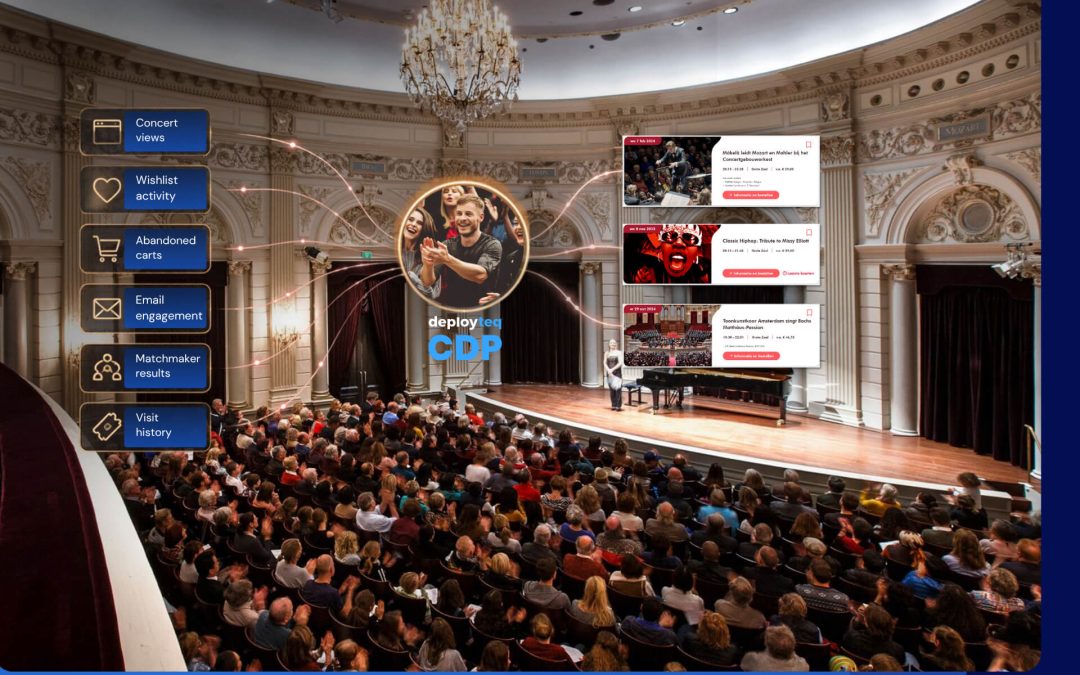
A marketing automation platform uses customer data to segment audiences, trigger messages, and personalise content in real time. It consolidates data from multiple sources, including purchase history, browsing behaviour, email engagement, and CRM records, into unified customer profiles that the platform can act on automatically.
That data powers three core functions:
- Segmentation: The platform builds dynamic audiences based on behavioural and transactional attributes, so a retail brand can automatically separate high-frequency buyers from lapsed customers and serve each group a different journey.
- Personalisation: Dynamic content blocks within campaigns pull in contact-specific data, such as a customer’s name, last purchase category, or nearest store location, without any manual editing per contact.
- Predictive logic: More advanced platforms apply models like RFM (Recency, Frequency, Monetary) scoring or next-best-offer predictions to prioritise which customers to target and with what message.
The quality of your data directly determines the quality of your automation. A platform with a built-in customer data platform removes the need to manually reconcile data from separate tools, giving you a single, reliable source of truth to build campaigns from.
When should a business switch to a marketing automation platform?
A business should switch to a marketing automation platform when manual processes are limiting campaign quality, speed, or scale. The clearest signal is when your team is spending more time on production and list management than on strategy, or when your current tool cannot segment, trigger, or personalise at the level your campaigns require.
Specific triggers that indicate it is time to switch include:
- You are sending the same message to your entire list because segmentation is too manual to maintain
- Behavioural triggers like cart abandonment or post-purchase follow-ups are not possible with your current tool
- Your data lives in multiple disconnected systems and you cannot act on it in real time
- You are expanding into new channels (SMS, push, WhatsApp) and need a single platform to coordinate them
- You have outgrown simpler platforms like Mailchimp or ActiveCampaign and need more sophisticated journey logic and segmentation
The switch is worth the investment when the gap between what you can do today and what your campaigns actually need is costing you revenue. Timing matters: the sooner you consolidate your data and automate your core journeys, the sooner those journeys start compounding results.
How Deployteq powers your marketing automation
We built Deployteq to solve exactly the challenges covered above, from fragmented data and manual production to campaigns that cannot scale without losing personalisation. Here is what we bring to the table:
- Advanced email marketing with smart segmentation: Build hyper-personalised campaigns using dynamic content blocks and data-driven logic, delivering tailored messages to every segment from a single campaign without duplication.
- A built-in Customer Data Platform: Consolidate behavioural, transactional, and demographic data into unified profiles, with intelligent modelling including RFM scoring, next-best-offer, and predictive insights, all activatable directly within your campaigns.
- A versatile journey builder: Design and deploy automated customer journeys across email, SMS, WhatsApp, push, and web with the flexibility to build exactly the logic your campaigns need.
- Cross-channel coordination: Run every channel from one platform so your data, triggers, and reporting stay connected and consistent.
Whether you are upgrading from a simpler tool or looking to get more from your existing automation setup, we can show you exactly how it works in practice. Do a self-guided demo and see how Deployteq handles your campaigns from data to delivery.