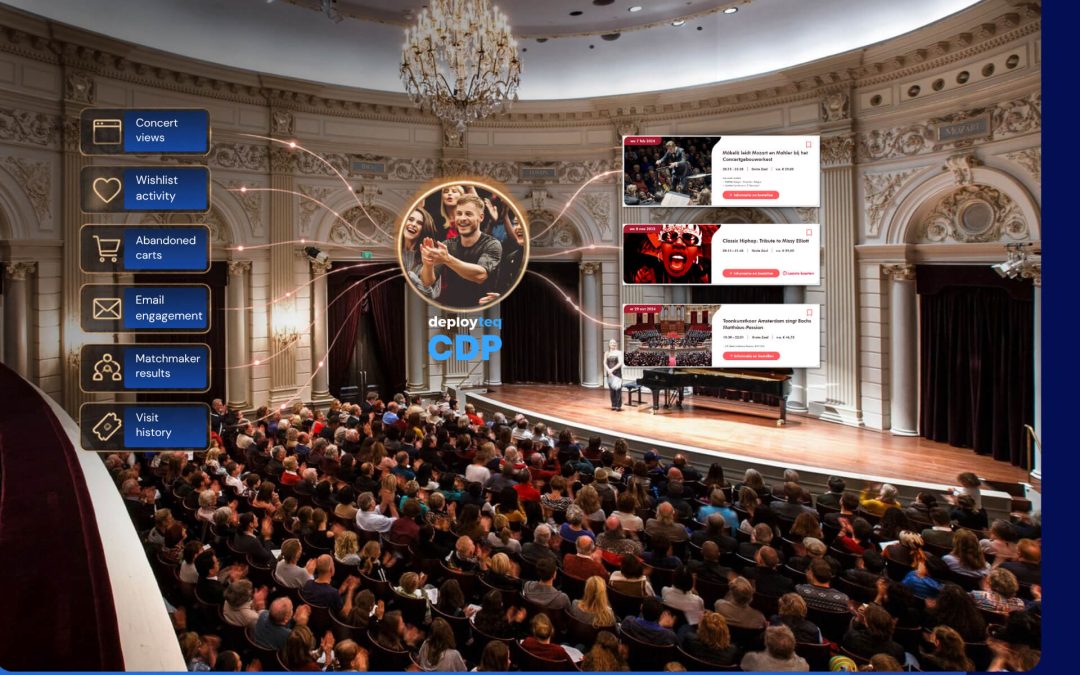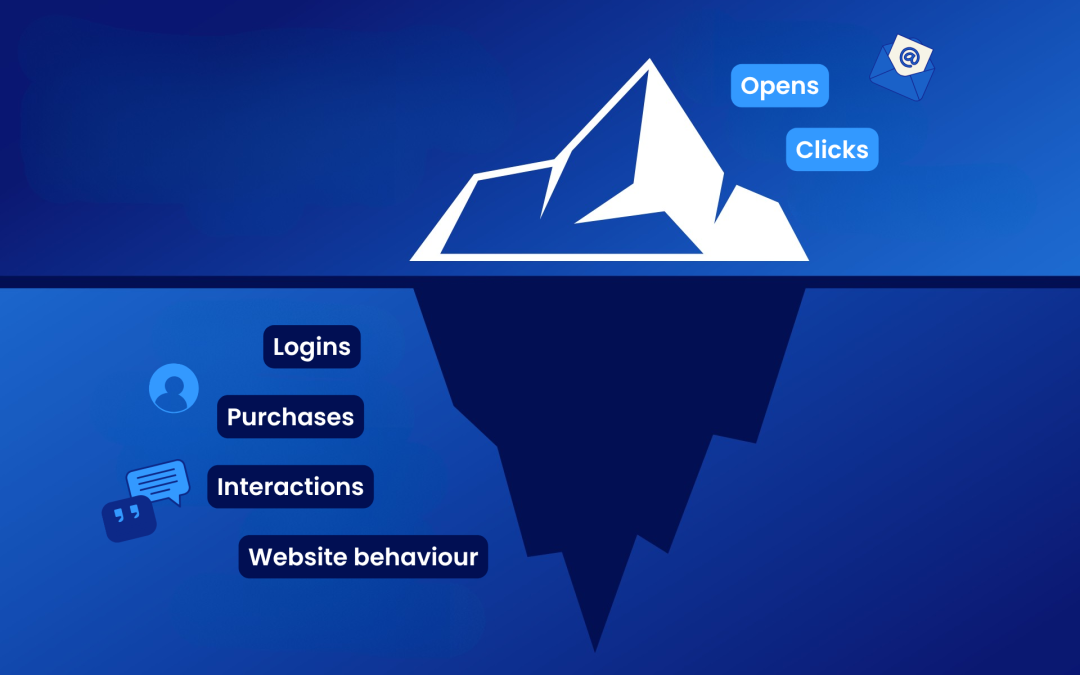
A customer data platform can unify data from virtually every touchpoint in the customer lifecycle: transactional records, behavioural signals, CRM data, email engagement, web activity, mobile app events, loyalty programme data, and even offline interactions like in-store purchases or call centre logs. The core purpose of a CDP platform is to consolidate these fragmented sources into a single, persistent customer profile that updates in real time. Below, we unpack the most important questions marketers ask about CDP data unification.
How does a CDP actually bring different data sources together?
A customer data platform connects to data sources through a combination of native integrations, APIs, and SDKs, then ingests, cleanses, and stitches that data into unified customer profiles using identity resolution. Each profile is continuously updated as new data arrives, giving you a living record of every customer rather than a static snapshot.
The identity resolution process is where the real work happens. A CDP matches data points across sources using deterministic identifiers (email address, customer ID, phone number) and probabilistic signals (device fingerprint, behavioural patterns). When a customer browses your website anonymously, then opens an email, then completes a purchase in-store, a CDP links those events to a single profile.
This matters because most enterprise marketing stacks generate data in silos. Your ESP holds engagement data. Your ecommerce platform holds purchase history. Your CRM holds account records. Without a CDP, those silos stay disconnected, and personalisation stays shallow. With one, you can activate unified customer data across every channel from a single source of truth.
What types of first-party data can a CDP unify?
First-party data is the most valuable input a CDP platform can work with, and the range is broad. A CDP can unify any data your brand collects directly from customers with their knowledge and consent.
The most common first-party data types include:
- Behavioural data: Website clicks, page views, session duration, product views, and search queries
- Transactional data: Purchase history, order value, return rates, and subscription status
- Email and SMS engagement: Opens, clicks, unsubscribes, and campaign responses
- App activity: In-app events, push notification interactions, and feature usage
- Loyalty and membership data: Points balances, tier status, and redemption history
- Form and survey responses: Preference centre data, onboarding questionnaires, and NPS scores
- CRM records: Account details, service history, and sales interactions
For a travel brand, this could mean combining booking history, destination browse behaviour, loyalty tier, and email engagement into one profile, then triggering a personalised re-engagement campaign the moment a customer starts researching a new trip. That level of precision requires all of this first-party data to be unified and ready to activate in real time.
Can a CDP unify data from third-party and offline sources?
Yes, a CDP platform can ingest both third-party data and offline data, though the approach and value of each differ significantly. Offline data integration is particularly powerful and often underused. Third-party data is increasingly limited by privacy regulation and the deprecation of third-party cookies.
Offline data sources a CDP can unify
Offline data is brought into a CDP through file uploads, CRM syncs, or point-of-sale integrations. Common offline sources include in-store purchase records, call centre interaction logs, event attendance data, direct mail response history, and field sales notes. When a retail customer buys in-store but also shops online, unifying both streams means you stop sending them recommendations for products they already own.
Third-party data and its limitations
Third-party data, typically sourced from data brokers or advertising platforms, can be ingested into a CDP to enrich profiles with demographic or interest signals. However, its usefulness is diminishing. Privacy regulations like GDPR and the phasing out of third-party cookies mean first-party and zero-party data should be the foundation of your CDP strategy, with third-party data playing only a supplementary role.
What’s the difference between a CDP, CRM, and DMP for data unification?
A CDP builds persistent, unified customer profiles from all data sources for real-time activation across marketing channels. A CRM manages known customer relationships and sales interactions, primarily for sales and service teams. A DMP (Data Management Platform) aggregates anonymous, cookie-based audience data for advertising targeting, with no persistent customer identity.
The key distinctions come down to identity, persistence, and purpose:
- CDP: Unifies known and anonymous data, builds persistent profiles, designed for real-time marketing activation across all channels
- CRM: Stores known customer records, optimised for sales pipeline management and customer service workflows, not built for real-time campaign triggering
- DMP: Works with anonymous, cookie-based segments for paid media targeting, profiles are short-lived (typically 90 days), and it cannot identify individual customers
For marketers running high-volume, cross-channel campaigns, a CDP fills the gap that neither a CRM nor a DMP can. Your CRM tells you who the customer is. Your CDP tells you what they are doing right now, and what they are likely to do next.
Which data sources matter most for personalised marketing campaigns?
For personalised marketing, the highest-value data sources are behavioural data (what customers do), transactional data (what they buy), and engagement data (how they respond to your communications). These three streams, when unified in a real-time customer data platform, give you the signals needed to trigger relevant messages at the right moment.
Beyond those three, the data sources that consistently drive personalisation performance include:
- RFM signals: Recency, frequency, and monetary value data to identify your most valuable segments and those at risk of churning
- Preference centre data: Explicit customer preferences for content type, frequency, and channel
- Lifecycle stage indicators: New customer, active, lapsing, or churned, based on behavioural and transactional patterns
- Predictive scores: Next-best-offer modelling and propensity scores derived from historical behaviour
For a finance brand, combining transactional data with lifecycle stage and predictive scores means you can send a timely product offer to a customer whose fixed-rate mortgage is about to expire, without waiting for them to raise their hand. That is the difference between reactive and proactive personalisation.
How do data privacy regulations affect what a CDP can unify?
Data privacy regulations like GDPR in Europe and CCPA in California directly shape what data a CDP platform can collect, store, and activate. A CDP does not override these requirements. Instead, a well-built CDP should make compliance easier by centralising consent management and giving you full visibility over what data you hold and how it is used.
In practice, privacy regulations affect CDP data unification in several ways:
- Consent must be recorded: You can only activate data for channels and purposes the customer has explicitly consented to. A CDP should store consent flags at the profile level and suppress contacts automatically when consent is withdrawn.
- Data minimisation applies: You should only collect and retain data that serves a clear marketing purpose. A CDP that ingests everything indiscriminately creates compliance risk, not value.
- Right to erasure must be supported: When a customer requests deletion, a CDP must be able to remove their data across all unified sources, not just one system.
- Data residency matters: Where your CDP stores data is a compliance consideration, particularly for brands operating across multiple regions.
The practical implication is that your CDP strategy and your consent strategy need to be built together. First-party and zero-party data collected with clear consent is both the most compliant and the most actionable foundation for personalisation in 2026.
How Deployteq brings your data sources together
We built our Customer Data Platform to solve exactly the challenge this article describes: fragmented data, shallow personalisation, and the gap between what you know about your customers and what you can actually activate in campaigns.
Here is what our CDP delivers:
- Unified customer profiles: All your data sources consolidated into a single 360-degree view of every customer
- Intelligent modelling built in: RFM scoring, next-best-offer, and predictive lifecycle insights ready to use without a data science team
- Direct campaign activation: Segment and trigger across email, SMS, WhatsApp, push, and web from one platform
- Consent management: Privacy-compliant data handling with consent flags managed at the profile level
- Real-time updates: Profiles update as behaviour happens, so your triggers fire on current signals, not yesterday’s data
Whether you are a retail brand unifying online and in-store data, or a travel operator building lifecycle journeys from booking to loyalty, our Customer Data Platform gives you the data foundation to make every campaign feel personal. Ready to see it in action? Book a demo and we will walk you through what unified data looks like for your specific use case.