Marketing automation has revolutionized how businesses connect with their customers, transforming manual, time-consuming tasks into intelligent, data-driven workflows. From welcome emails that trigger instantly when someone subscribes to sophisticated behavioral campaigns that respond to customer actions in real time, automation examples span every stage of the customer journey.
Understanding these practical applications helps marketing professionals identify opportunities to scale their efforts, improve personalization, and drive better results across multiple channels. Let’s explore the most impactful marketing automation platform examples that modern businesses use to engage customers more effectively.
What is marketing automation, and how does it work?
Marketing automation is software that executes marketing tasks automatically based on predefined triggers, rules, and customer data. It works by monitoring customer behaviors, segmenting audiences, and delivering personalized content across email, SMS, web, and other channels without manual intervention.
The technology operates through three core components: data collection, trigger identification, and automated response. Customer interactions generate data points that feed into the system, creating detailed profiles and behavioral patterns. When specific triggers occur, such as a purchase, website visit, or email click, the platform automatically initiates predetermined actions.
Modern marketing automation platforms integrate with websites, CRM systems, and other marketing tools to create a unified view of each customer. This integration enables real-time decision-making, allowing businesses to respond instantly to customer actions with relevant messages, offers, or content that matches their current stage in the buying journey.
What are the most common email automation examples?
The most common email automation examples include welcome series, abandoned cart recovery, birthday campaigns, and re-engagement sequences. These workflows typically generate 50–100% higher open rates than broadcast emails because they deliver relevant content at optimal moments in the customer lifecycle.
Welcome series are the foundation of email automation, triggering when new subscribers join your list. These multi-part sequences introduce your brand, set expectations, and guide new contacts toward their first purchase or key action. Timing varies by industry, but the most effective welcome series span 3–7 emails over 2–4 weeks.
Abandoned cart campaigns activate when customers add items to their online shopping cart but leave without completing the purchase. These sequences typically include three emails: an immediate reminder, a follow-up featuring customer reviews or a sense of urgency, and a final email offering an incentive. Recovery rates often reach 15–25% when properly executed.
Post-purchase automation nurtures customers after they buy, including order confirmations, shipping updates, delivery notifications, and review requests. These transactional emails maintain engagement during the fulfillment process and encourage repeat purchases through cross-selling and loyalty program invitations.
How do businesses use behavioral triggers for automation?
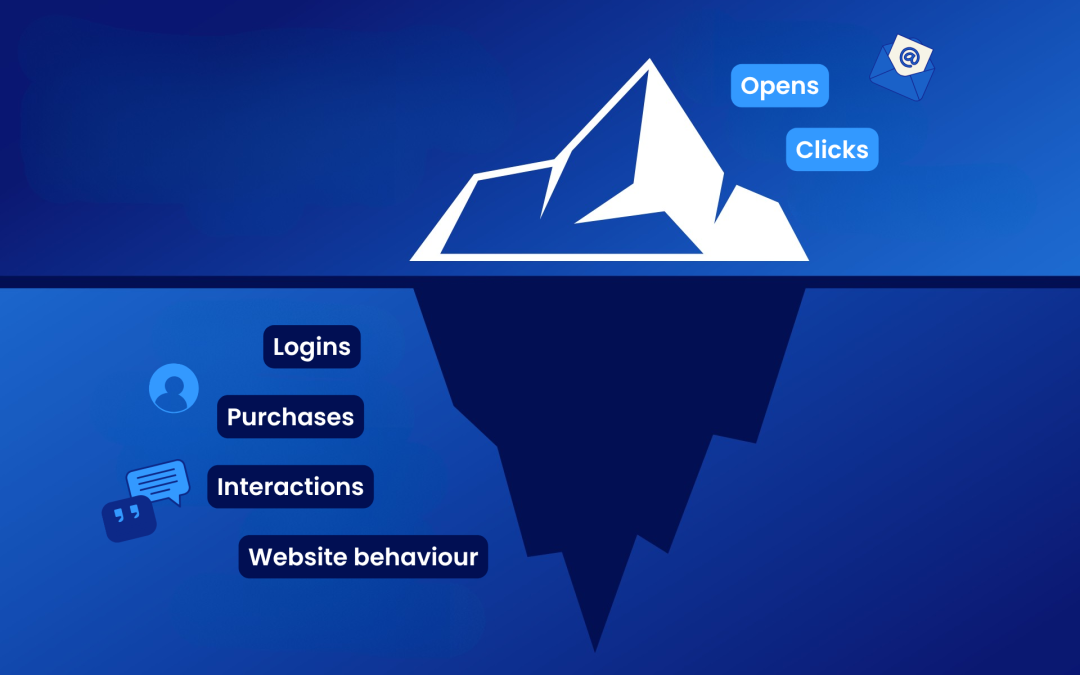
Businesses use behavioral triggers to initiate automated marketing actions based on specific customer behaviors, such as website visits, email clicks, purchase history, and engagement patterns. These triggers enable real-time responses that feel personalized and timely, significantly improving conversion rates and the customer experience.
Website behavior triggers track actions such as page visits, time spent in specific sections, downloads, and exit intent. For example, when a visitor spends significant time on a pricing page but doesn’t convert, an automated email sequence can provide additional information, customer testimonials, or a consultation offer within hours of the visit.
Purchase behavior triggers respond to buying patterns, creating automated workflows for repeat customers, high-value purchasers, or those who haven’t bought within a specific timeframe. A retail brand might automatically send personalized product recommendations based on previous purchases, while a subscription service could trigger retention campaigns for customers showing signs of churn.
Engagement-based triggers monitor how customers interact with your content across channels. Low engagement might trigger a re-engagement campaign with different content types or special offers, while high engagement could automatically move customers into VIP segments with exclusive access to new products or premium content.
What’s the difference between simple and advanced automation workflows?
Simple automation workflows follow linear, single-trigger paths with basic if-then logic, such as sending a welcome email after signup. Advanced workflows use multiple triggers, complex branching logic, dynamic content, and cross-channel orchestration to create sophisticated customer journeys that adapt based on real-time behavior and preferences.
Simple workflows typically involve one trigger leading to a predetermined sequence of actions. An abandoned cart email series exemplifies this approach: cart abandonment triggers three emails sent at specific intervals, regardless of how the customer responds to each message. These workflows are easy to set up and manage but offer limited personalization.
Advanced workflows incorporate multiple decision points, behavioral scoring, and dynamic content that changes based on customer data. For instance, an advanced onboarding workflow might branch based on the customer’s industry, company size, or engagement level, delivering different content paths and timing for each segment while continuously adjusting based on responses.
The key differentiator lies in adaptability and intelligence. Advanced workflows learn from customer behavior, adjust messaging frequency based on engagement, and coordinate across multiple channels. They might pause email sends if a customer is highly active on your website or escalate to SMS if email engagement drops below a threshold, creating more natural and effective customer experiences.
How do companies personalize customer experiences with automation?
Companies personalize customer experiences with automation by leveraging customer data to deliver tailored content, product recommendations, and communication timing across all touchpoints. This involves dynamic content insertion, behavioral segmentation, and predictive analytics that automatically adjust messaging based on individual preferences and actions.
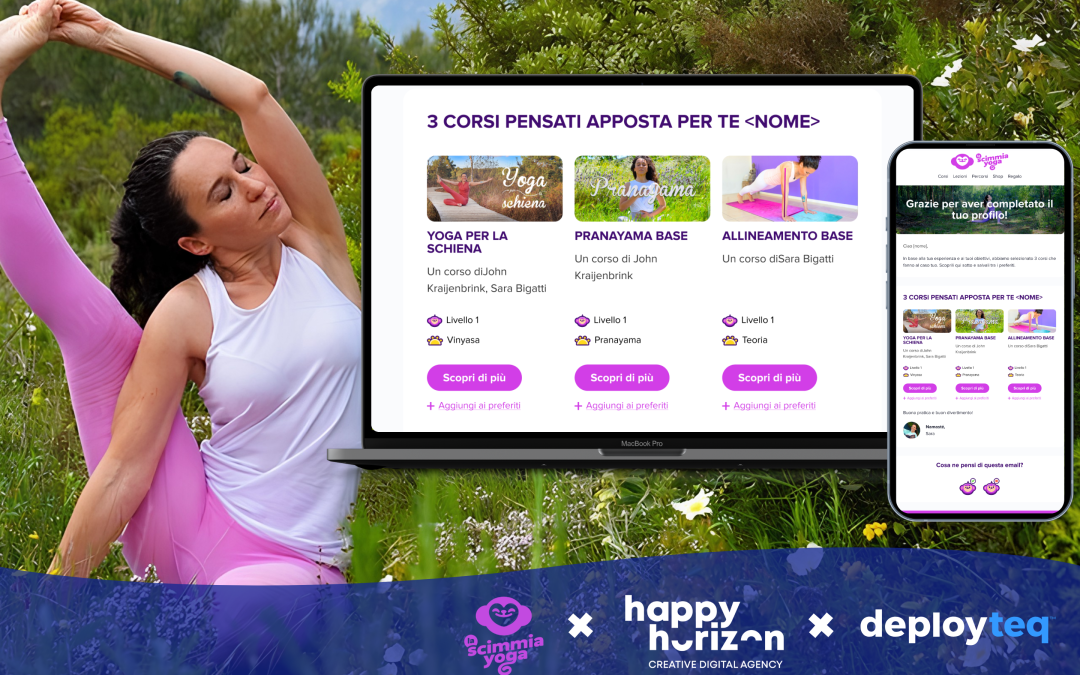
Dynamic content personalization automatically customizes email content, website experiences, and advertisements based on customer attributes and behavior. An email marketing platform might show different product categories to customers based on their browsing history, while displaying personalized discount offers based on purchase frequency and average order value.
Predictive personalization uses machine learning to anticipate customer needs and preferences. This includes next-best-product recommendations, optimal send-time prediction, and churn-prevention campaigns that trigger automatically when customer behavior indicates declining engagement. Advanced platforms analyze patterns across similar customers to suggest relevant products or content.
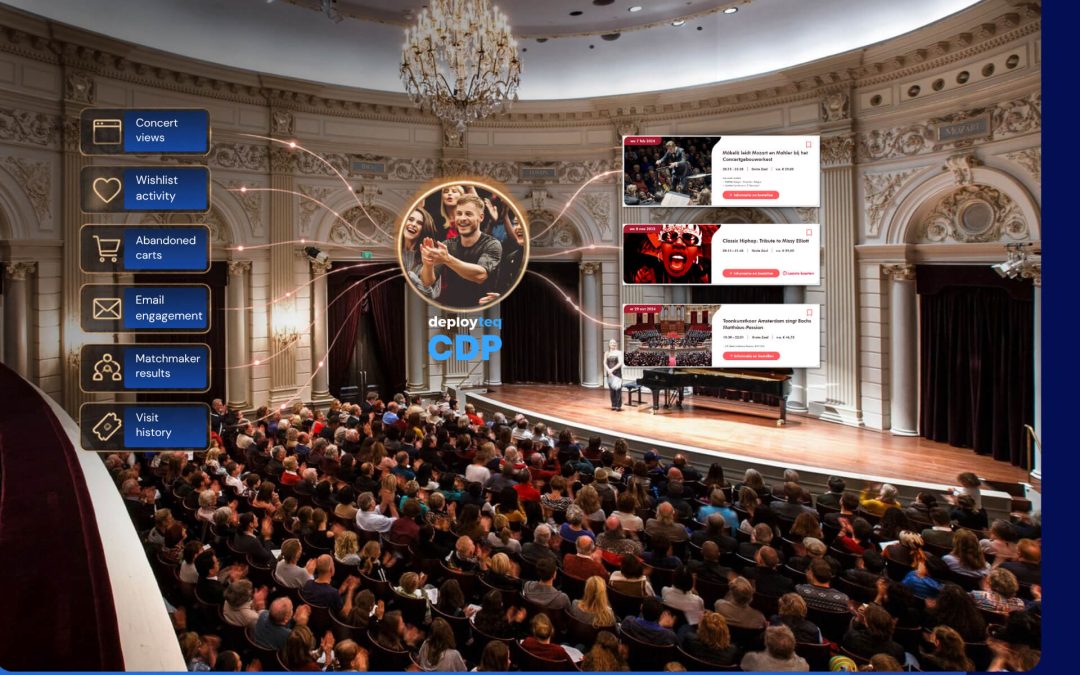
Cross-channel personalization ensures consistent, tailored experiences whether customers interact via email, SMS, web, or a mobile app. A customer data platform unifies these interactions, enabling automated workflows that remember customer preferences across channels and deliver coordinated messaging that builds on previous interactions rather than treating each touchpoint in isolation.
How Deployteq helps with marketing automation examples
We provide a comprehensive marketing automation platform that makes it easy to implement all these automation examples and more. Our intelligent system combines powerful segmentation, cross-channel orchestration, and real-time personalization to help you create sophisticated customer journeys without the complexity.
Here’s how we support your automation goals:
- Advanced Journey Builder: Create complex, branching workflows with drag-and-drop simplicity, supporting behavioral triggers, time delays, and dynamic decision points.
- Unified Customer Data: Consolidate data from all touchpoints to enable precise segmentation and personalized automation across email, SMS, WhatsApp, push notifications, and web.
- Intelligent Modeling: Built-in RFM analysis, next-best-offer recommendations, and predictive insights that automatically optimize your campaigns.
- Real-time Activation: Instantly respond to customer behaviors with relevant messaging that drives engagement and conversions.
Ready to transform your marketing with intelligent automation? Book a demo to see how our platform can help you create personalized customer experiences that drive real results across every channel.