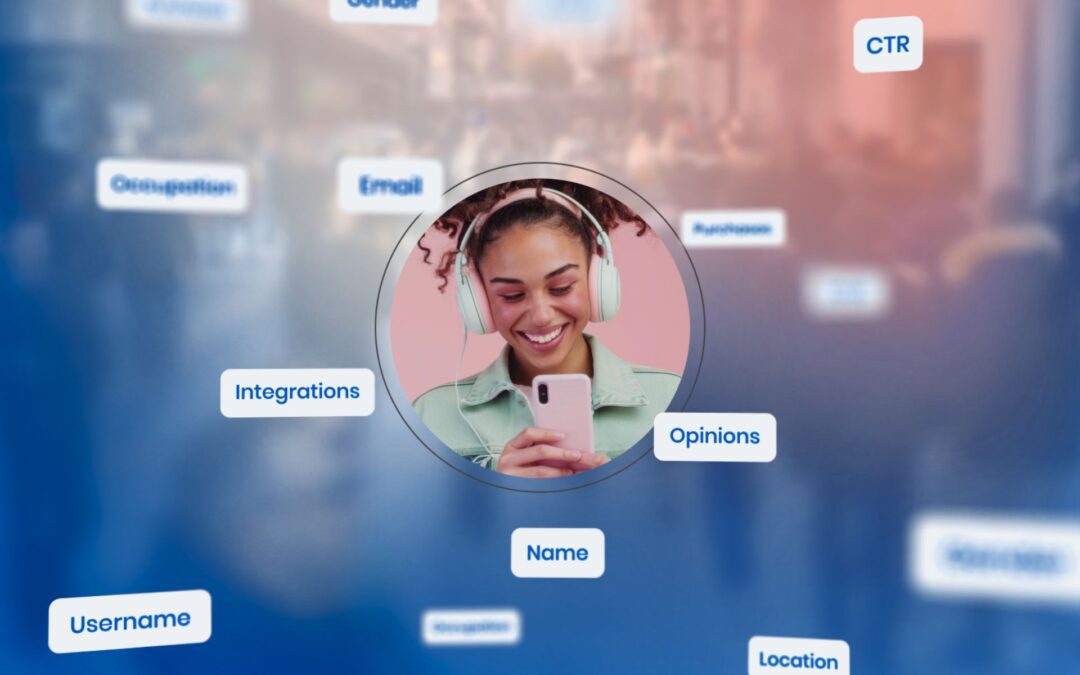
A Customer Data Platform (CDP) improves marketing campaign performance by unifying fragmented customer data into a single, actionable profile, enabling smarter segmentation, precise targeting, and real-time personalisation across every channel. The result is campaigns that reach the right person, with the right message, at the right moment. Below, we break down exactly how that works across six key questions marketers are asking in 2026.
What data does a CDP actually unify for marketers?
A CDP unifies behavioural, transactional, demographic, and engagement data from every touchpoint into a single customer profile. This includes web activity, email interactions, purchase history, app usage, loyalty data, and CRM records. The output is a single customer view that eliminates data silos and gives marketers one consistent, reliable picture of each individual.
In practice, this means connecting data from your e-commerce platform, email tool, mobile app, POS system, and any third-party sources into one unified record. Every interaction a customer has, whether browsing a product page, opening a campaign, or completing a purchase, feeds into that profile in real time.
For marketers in retail or travel, this is transformative. A customer who browses holiday packages on mobile, abandons a booking on desktop, and then opens a loyalty email is no longer three separate signals. They are one person, with a clear intent signal you can act on immediately.
The depth of data a CDP consolidates also supports more advanced modelling. Once you have a complete 360 customer view, you can apply frameworks like RFM (Recency, Frequency, Monetary) to score and prioritise your audience, or run next-best-offer logic to serve hyper-relevant recommendations at scale.
How does a CDP improve audience segmentation?
A CDP improves audience segmentation by enabling real-time, multi-dimensional segments built from unified data rather than isolated channel snapshots. Instead of segmenting by email opens alone, marketers can combine purchase behaviour, lifecycle stage, predicted LTV, and browsing intent to create segments that genuinely reflect where a customer is right now.
Traditional segmentation relies on static lists that age quickly. A CDP makes segmentation dynamic. When a customer’s behaviour changes, their segment membership updates automatically, so your campaigns always reflect current intent rather than last month’s data.
This matters most in high-frequency sectors like entertainment or finance, where customer behaviour shifts rapidly. A subscriber who has been dormant for 60 days and then suddenly opens three emails and visits your pricing page is signalling re-engagement. A CDP catches that shift and moves them into the right segment before your next send.
Advanced CDP segmentation also supports predictive audience building, where machine learning models identify customers likely to churn, convert, or upgrade, before they act. That means your retention campaigns reach at-risk customers earlier, and your upsell campaigns target those with the highest propensity to buy.
What is the difference between a CDP and a CRM or DMP?
The key distinction in the customer data platform vs CRM debate is this: a CRM manages known customer relationships and sales interactions, a DMP manages anonymous audience data for paid media targeting, and a CDP unifies all customer data, both known and behavioural, into persistent profiles built specifically for real-time marketing activation.
CDP vs CRM
A CRM is designed for relationship management and sales pipelines. It holds contact records, deal stages, and service history. It is not built to ingest real-time behavioural data at scale or to power automated campaign logic across multiple channels. A CDP, by contrast, is built for exactly that. It ingests data continuously, resolves identities across devices, and makes that data immediately usable for campaign triggers and personalisation.
CDP vs DMP
A DMP works primarily with anonymous, cookie-based data for programmatic advertising. It is designed for short-term audience targeting rather than persistent customer profiles. DMPs are losing relevance as third-party cookies are phased out. A CDP operates on first-party, consented data, making it the more durable and privacy-compliant foundation for modern marketing. The profiles it builds are persistent, meaning they grow richer over time rather than expiring after a campaign.
How does CDP data activation work across marketing channels?
CDP data activation works by connecting unified customer profiles directly to your campaign execution layer, so that segments, scores, and behavioural triggers flow automatically into email, SMS, push notifications, WhatsApp, and web personalisation without manual exports or data wrangling.
The activation layer is where a CDP delivers its most tangible value. Rather than exporting a segment from your data warehouse and importing it into your email tool, an integrated CDP pushes that data directly into your campaign workflows in real time. A customer who crosses a spending threshold, completes a booking, or re-engages after a lapse triggers the relevant journey automatically.
For a retail brand, this might look like: a customer browses running shoes, adds to cart, but does not purchase. The CDP updates their profile, assigns them to a high-intent abandonment segment, and triggers a personalised email within the hour, followed by an SMS if the email is unopened after 24 hours. No manual intervention required.
Cross-channel marketing automation powered by a CDP also ensures consistency. The same customer profile that informs your email content also drives your web personalisation, so the homepage banner a customer sees reflects their most recent behaviour, not a generic default.
What campaign metrics improve after implementing a CDP?
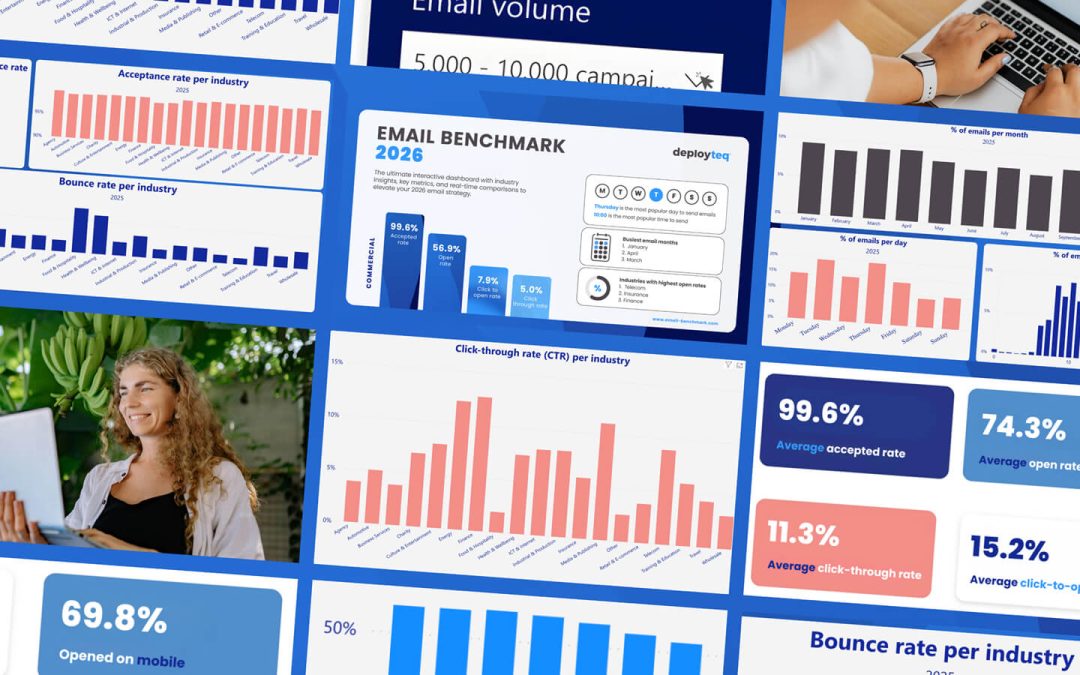
After implementing a CDP, the metrics that most consistently improve are email open rates, click-through rates, conversion rates, and customer retention. These gains come directly from more accurate segmentation, better timing, and content that reflects real customer intent rather than broad assumptions.
Here are the campaign metrics most impacted by CDP implementation:
- Engagement rates: Personalised content based on real behavioural data drives higher opens and clicks compared to batch-and-blast sends.
- Conversion rates: Campaigns triggered by genuine intent signals, like cart abandonment or browse behaviour, convert at significantly higher rates than time-based campaigns.
- Suppression accuracy: A unified profile means you stop messaging customers who have already converted, reducing unsubscribe rates and improving sender reputation.
- Customer LTV: Better lifecycle marketing, supported by predictive modelling, keeps customers engaged longer and increases average order value over time.
- Churn reduction: Early identification of at-risk customers through RFM scoring allows retention campaigns to activate before a customer disengages fully.
The improvements are not just incremental. Marketers who move from siloed channel data to a unified 360 customer view often find that their existing campaigns, running the same creative and offers, perform meaningfully better simply because they are reaching the right audience at the right moment.
When should a brand upgrade to a CDP?
A brand should upgrade to a CDP when fragmented data is limiting campaign performance, when personalisation at scale is no longer achievable with existing tools, or when the team is spending more time preparing data than using it. These are the signals that a simpler platform has reached its ceiling.
More specifically, consider a CDP if your brand is experiencing any of the following:
- Customer data lives in three or more disconnected systems with no single source of truth.
- Segmentation is based on email engagement alone, with no visibility into purchase behaviour or web activity.
- Campaign personalisation requires manual data exports and takes days to execute.
- You cannot identify a customer consistently across devices or channels.
- Retention campaigns are reactive rather than predictive, reaching customers after they have already churned.
Brands in high-volume sectors, particularly retail, travel, and finance, typically hit this ceiling faster because their customers interact across more touchpoints and expect a more connected experience. If your email marketing is performing but your broader customer experience feels disjointed, a CDP is the natural next step.
Timing matters too. Implementing a CDP during a period of platform consolidation or a CRM migration is far more efficient than bolting it on later. The earlier you build a unified data foundation, the faster every downstream campaign benefits.
How Deployteq helps you activate your customer data
We built our Customer Data Platform to solve exactly the challenges outlined above. Deployteq’s CDP unifies all your customer data into intelligent profiles, giving you a true single customer view that powers every campaign you run. Here is what that means in practice:
- Unified customer profiles: All behavioural, transactional, and engagement data is consolidated into one persistent record per customer.
- Intelligent modelling: Built-in RFM scoring, next-best-offer logic, and predictive lifecycle insights, ready to use without a data science team.
- Direct campaign activation: Segments and triggers flow straight into email, SMS, WhatsApp, push, and web personalisation, no manual exports needed.
- 360-degree customer view: A visual, connected picture of every customer that makes hyper-personalised campaigns straightforward to build and deploy.
- Seamless integration: Works within the Deployteq platform you already use, so your team can move from data to campaign without switching tools.
If your current setup is holding your personalisation back, it is time to see what a proper CDP can do. Book a guided demo and we will show you exactly how Deployteq’s CDP works with your data and your campaigns.