Building customer loyalty isn’t just about offering rewards anymore. In today’s competitive landscape, brands need to automate their loyalty programs to create seamless, personalized experiences that keep customers coming back. Loyalty program automation transforms static reward systems into dynamic, intelligent campaigns that respond to customer behavior in real time, driving significantly higher repeat purchase rates than traditional manual approaches.
The data speaks volumes: automated loyalty programs consistently outperform manual systems because they eliminate timing delays, reduce human error, and deliver personalized rewards exactly when customers are most likely to engage. Let’s explore how these automated systems work and why they’re becoming essential for maximizing customer lifetime value.
What are loyalty program automations, and how do they work?
Loyalty program automations are intelligent marketing workflows that automatically trigger rewards, communications, and personalized offers based on specific customer behaviors and data points. These systems monitor purchase history, engagement patterns, and customer preferences to deliver timely, relevant loyalty experiences without manual intervention.
Automation works through sophisticated trigger systems that activate when customers meet predefined criteria. When a customer makes their third purchase within 30 days, for example, the system instantly sends a personalized thank-you message with bonus points and a targeted offer for their next purchase. This happens seamlessly across multiple channels, including email, SMS, push notifications, and in-app messaging.
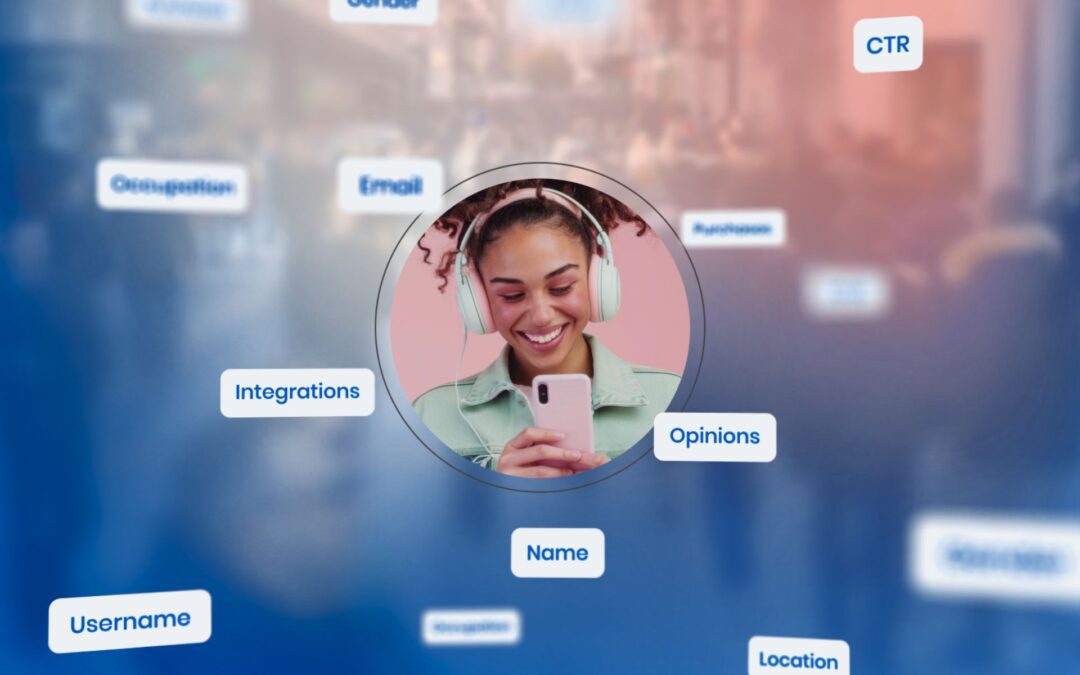
Advanced loyalty automations leverage customer data platforms to create comprehensive profiles that inform reward decisions. The system tracks spending patterns, product preferences, seasonal behaviors, and engagement history to determine the most effective reward timing and type. This data-driven approach ensures each customer receives loyalty communications that feel personally crafted rather than generic broadcast messages.
Why do automated loyalty programs increase repeat purchases more than manual ones?
Automated loyalty programs increase repeat purchases by 23–35% more than manual programs because they eliminate the critical delay between customer action and reward recognition. When customers receive immediate acknowledgment and rewards for their purchases, they experience instant gratification that reinforces positive buying behavior and creates stronger emotional connections to the brand.
Manual loyalty programs suffer from timing gaps that kill momentum. By the time marketing teams manually process purchases, segment customers, and send rewards, the psychological impact of the original purchase has faded. Automated systems capture customers at peak engagement, when they’re most receptive to additional offers and most likely to make follow-up purchases.
The personalization capabilities of automated systems also drive higher repeat purchase rates. While manual programs typically use broad segments and generic messaging, automated loyalty programs can instantly analyze individual customer data to deliver highly relevant offers. A customer who frequently buys athletic wear receives different rewards and messaging than someone who primarily purchases formal clothing, creating more compelling reasons to return.
What types of automated loyalty campaigns drive the most repeat purchases?
Win-back campaigns, milestone celebrations, and predictive replenishment reminders generate the highest repeat purchase rates among automated loyalty campaigns. These campaign types work because they target customers at critical decision moments, when they’re either at risk of churning or naturally ready to make another purchase.
Win-back automations identify customers showing decreased engagement and deploy escalating reward sequences to re-engage them. These campaigns typically start with gentle reminders about unused points, progress to exclusive offers, and culminate in limited-time bonus rewards. The urgency and exclusivity create compelling reasons for dormant customers to return and make purchases.
Milestone celebration campaigns trigger when customers reach spending thresholds, anniversary dates, or point accumulation goals. These automated touchpoints make customers feel valued while presenting natural opportunities for additional purchases. Birthday campaigns with special discounts, for instance, consistently drive 40–60% higher open rates and significantly more repeat purchases than standard promotional emails.
Predictive replenishment campaigns use purchase history to anticipate when customers will need to reorder consumable products. By automatically sending personalized reminders with loyalty rewards just before customers typically reorder, these campaigns capture purchases that might otherwise go to competitors while reinforcing the convenience of staying loyal to your brand.
How do you set up loyalty program triggers that encourage repeat buying?
Effective loyalty program triggers require three core components: behavioral data tracking, threshold-based activation rules, and multichannel delivery systems. Start by identifying the specific customer actions that indicate purchase intent or loyalty engagement, then create automated responses that activate when customers exhibit these behaviors.
Purchase frequency triggers work exceptionally well for encouraging repeat buying. Set up automations that activate when customers make their second purchase within 14 days, offering bonus points or exclusive access to new products. Time-based triggers can also identify customers who haven’t purchased within their typical buying cycle and automatically send personalized win-back offers with loyalty rewards.
Browse abandonment triggers combined with loyalty incentives create powerful repeat purchase drivers. When loyal customers view products but don’t purchase, automated systems can send personalized emails featuring the viewed items plus bonus points or member-exclusive discounts. This approach leverages existing customer relationships while addressing immediate purchase hesitation.
Cross-channel trigger coordination ensures customers receive consistent loyalty messaging regardless of how they interact with your brand. A customer who abandons their mobile app cart should receive the same loyalty-enhanced follow-up whether they next check email, visit your website, or receive an SMS. This omnichannel approach maximizes the chances of converting interest into repeat purchases.
How do you measure whether loyalty automations are actually increasing repeat purchases?
Measure loyalty automation effectiveness by tracking repeat purchase rate, customer lifetime value, and changes in purchase frequency before and after automation implementation. Focus on cohort analysis that compares customers who receive automated loyalty communications with control groups who receive manual or no loyalty outreach.
Key metrics include the percentage of customers making second and third purchases within specific timeframes, the average time between purchases, and total revenue per customer over defined periods. Automated loyalty programs should demonstrate measurable improvements in these areas, typically showing 15–30% increases in repeat purchase rates within the first quarter of implementation.
Attribution tracking becomes crucial for understanding which specific automated campaigns drive repeat purchases. Tag each automated loyalty touchpoint with unique identifiers to track customer journeys from the initial automation trigger through the final purchase. This granular tracking reveals which automation types generate the highest return on investment and which need optimization.
Revenue attribution analysis should separate the impact of loyalty automations from other marketing activities. Compare revenue generated by customers in automated loyalty workflows with similar customer segments receiving traditional marketing communications. The difference represents the true incremental value of your loyalty program automations and justifies continued investment in these systems.
How Deployteq helps with loyalty program automation
We make loyalty program automation seamless through our intelligent marketing automation platform that unifies customer data and automates personalized loyalty campaigns across every channel. Our system eliminates the complexity of managing multiple tools by providing everything you need in one integrated platform.
Here’s how we solve loyalty automation challenges:
- Real-time trigger systems that instantly respond to customer behaviors and purchase patterns
- Advanced segmentation that creates hyper-personalized loyalty experiences based on individual customer data
- Cross-channel automation supporting email, SMS, WhatsApp, push notifications, and web personalization
- Comprehensive analytics that track loyalty campaign performance and repeat purchase attribution
- A flexible journey builder that lets you design complex loyalty workflows without technical expertise
Our Customer Data Platform consolidates all customer interactions into unified profiles, enabling sophisticated loyalty automations that adapt to changing customer behaviors. Ready to transform your loyalty program into a repeat purchase engine? Book a demo to see how we can automate your customer retention strategy.
Related Articles
- Can a CDP replace your marketing automation platform?
- What is RFM modelling and how does it improve customer targeting?
- How do you automate upsell sequences based on usage data?
- How do insurance companies automate policy renewal journeys?
- What are the benefits of marketing automation platforms?
This content was generated with the help of AI — it may contain mistakes