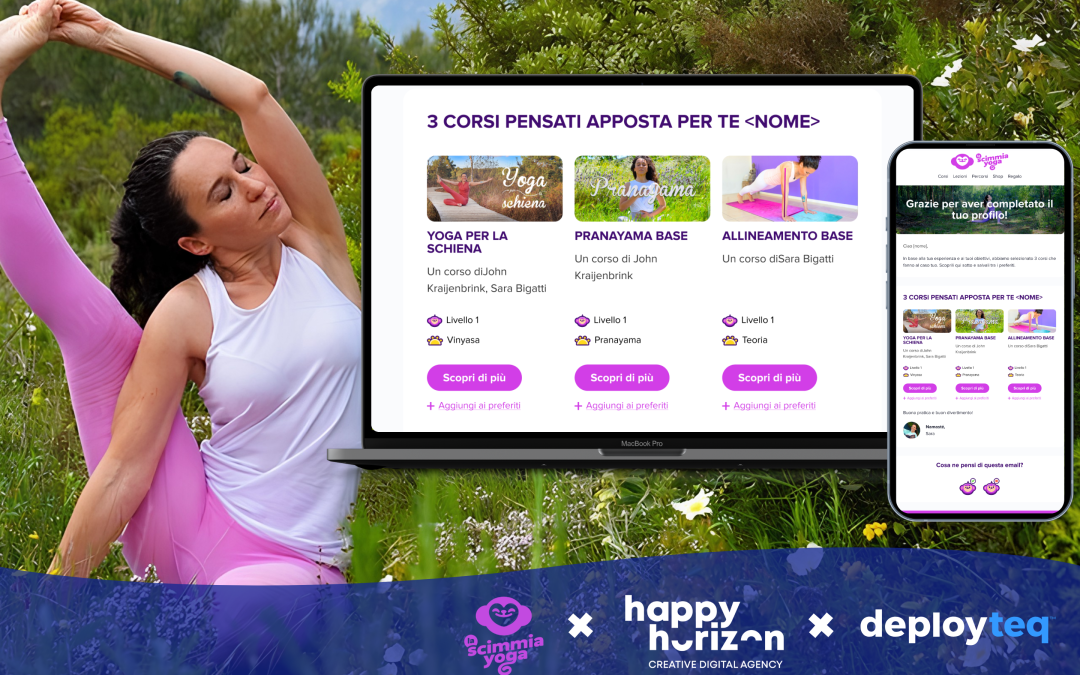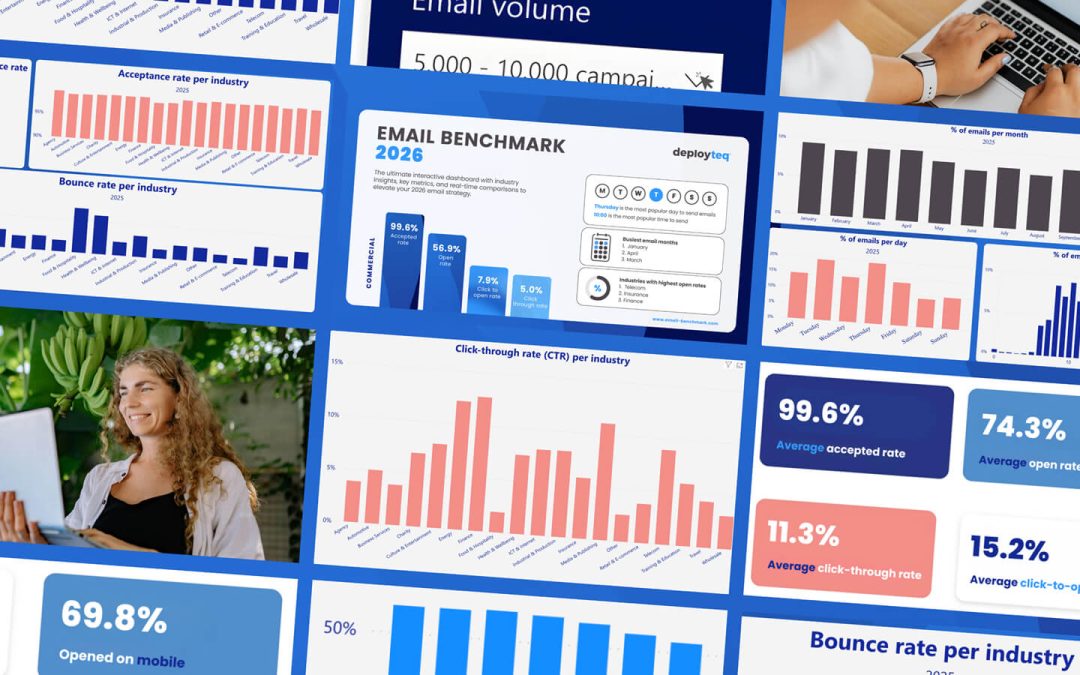
Marketing automation has transformed how brands communicate with customers, but the real magic happens when content automatically adapts to each recipient. Dynamic content rules are the engine behind this personalization, allowing marketers to create a single template that delivers unique experiences to thousands of customers simultaneously.
Instead of manually creating separate campaigns for different audience segments, dynamic content rules automatically swap in relevant text, images, offers, and calls to action based on customer data. This approach scales personalization across your entire customer base while maintaining the precision that drives results.
What are dynamic content rules in marketing automation?
Dynamic content rules are automated logic statements that change specific content elements within marketing campaigns based on customer data, behavior, or predefined conditions. These rules enable marketers to create single templates that automatically display different content to different recipients without manual intervention.
The rules work by establishing if-then conditions using customer attributes such as purchase history, location, engagement level, or demographic information. When a campaign is triggered, the system evaluates each recipient against these rules and serves the most relevant content variation. This creates highly personalized experiences at scale across email, SMS, push notifications, and other marketing channels.
Dynamic content rules eliminate the need to create separate campaigns for different audience segments. Instead of building five different email templates for five customer types, you create one template with dynamic rules that automatically adapt content based on who receives it.
How do dynamic content rules work in practice?
Dynamic content rules operate through a conditional logic system that evaluates customer data in real time when campaigns are sent. The system checks each recipient’s profile against predefined criteria and automatically selects the appropriate content variation from your template.
The process begins when you define content blocks within your template and assign rules to each block. For example, you might create three different product recommendation sections and set rules based on past purchase categories. When the campaign launches, the automation platform pulls each recipient’s data, evaluates it against your rules, and assembles a personalized version for them.
This evaluation happens instantly across your entire audience. A travel company might use dynamic rules to show beach destinations to customers who previously booked tropical vacations, while displaying mountain retreats to those who prefer adventure travel. The same email template serves both audiences with completely different content based on their preferences and behavior patterns.
What types of dynamic content rules can you create?
Dynamic content rules can be built around virtually any customer data point or behavioral trigger, from basic demographics to complex engagement patterns. The most effective rules combine multiple data sources to create highly targeted content experiences.
Common rule types include demographic-based rules using age, location, or gender to customize messaging and offers. Behavioral rules leverage purchase history, website activity, or email engagement to show relevant products or content. Lifecycle stage rules adapt messaging based on whether customers are new subscribers, active buyers, or at-risk segments requiring retention efforts.
Advanced rule combinations create even more precise targeting. You might combine geographic location with purchase timing to promote seasonal products, or merge engagement scores with product preferences to adjust offer intensity. Marketing automation platforms also support time-based rules that change content based on when recipients open campaigns, ensuring relevance across different time zones and reading habits.
What’s the difference between dynamic content and static personalization?
Dynamic content automatically changes based on real-time data evaluation, while static personalization inserts fixed data points such as names or company information that do not change based on conditions or behavior.
Static personalization pulls specific data fields directly into templates without conditional logic. Adding a recipient’s first name or most recent purchase item is an example of static personalization because the same data appears regardless of other factors. This approach works well for basic customization but lacks the intelligence to adapt the messaging strategy.
Dynamic content rules create truly adaptive experiences by evaluating multiple conditions and choosing appropriate content variations. Instead of simply inserting a customer’s name, dynamic rules might change the entire email structure, product recommendations, and call to action based on engagement history and preferences. This creates fundamentally different experiences rather than merely customized versions of the same message.
How do you set up effective dynamic content rules?
Effective dynamic content rules start with clear audience segmentation and specific content objectives for each segment. Begin by identifying the key differentiators in your customer base and the content variations that would resonate most with each group.
Map your customer data to content opportunities by analyzing which attributes correlate with engagement and conversion. Purchase history, engagement frequency, and lifecycle stage typically provide the strongest foundation for dynamic rules. Create content variations that address the specific needs, interests, or pain points of each segment rather than offering generic alternatives.
Test your rules with small audience samples before full deployment to ensure the logic works correctly and the content displays properly across different scenarios. Email marketing platforms often include preview functions that let you see how content appears for different customer profiles, helping you catch issues before campaigns launch.
Start with simple rules and gradually add complexity as you measure results. Basic demographic or behavioral splits often deliver significant improvements before you need advanced multi-condition logic. Monitor performance metrics for each content variation to identify which rules drive the strongest engagement and optimize accordingly.
How Deployteq helps with dynamic content rules
We make dynamic content creation intuitive through our advanced segmentation capabilities and flexible journey builder. Our platform enables you to create sophisticated content rules without complex technical setup, giving you the freedom to design personalized experiences across email, SMS, WhatsApp, and push notifications.
Key features that streamline dynamic content include:
- Real-time customer data consolidation from multiple sources for more accurate rule triggers
- Visual rule builder that lets you create complex conditions through a drag-and-drop interface
- Cross-channel consistency, ensuring your dynamic content works seamlessly across all touchpoints
- Advanced modeling, including RFM analysis and predictive insights, for smarter content decisions
Our Customer Data Platform powers these dynamic content capabilities by providing unified customer profiles that update in real time. This means your content rules always work with the most current customer information, delivering relevance that drives results. Ready to transform your content personalization? Book a demo to see how our platform can automate your content strategy.