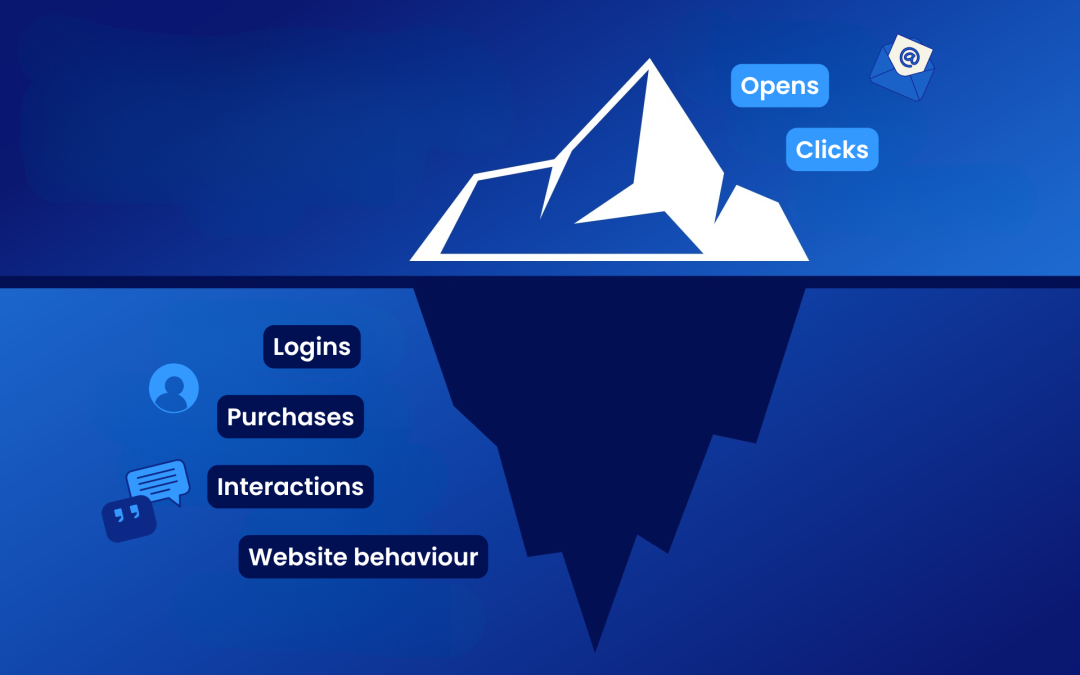
Most marketing teams are sitting on more behavioral data than they know what to do with. Clicks, opens, browse history, purchase patterns, session depth – it is all there. The challenge is not collecting it. The challenge is turning it into something that actually drives revenue.
This guide walks you through exactly how to use behavioral data in marketing, from mapping your sources to scaling personalized campaigns across every channel. Follow these steps and you will move from reactive messaging to a system that responds to what customers actually do.
Map the Behavioral Data Sources You Already Have
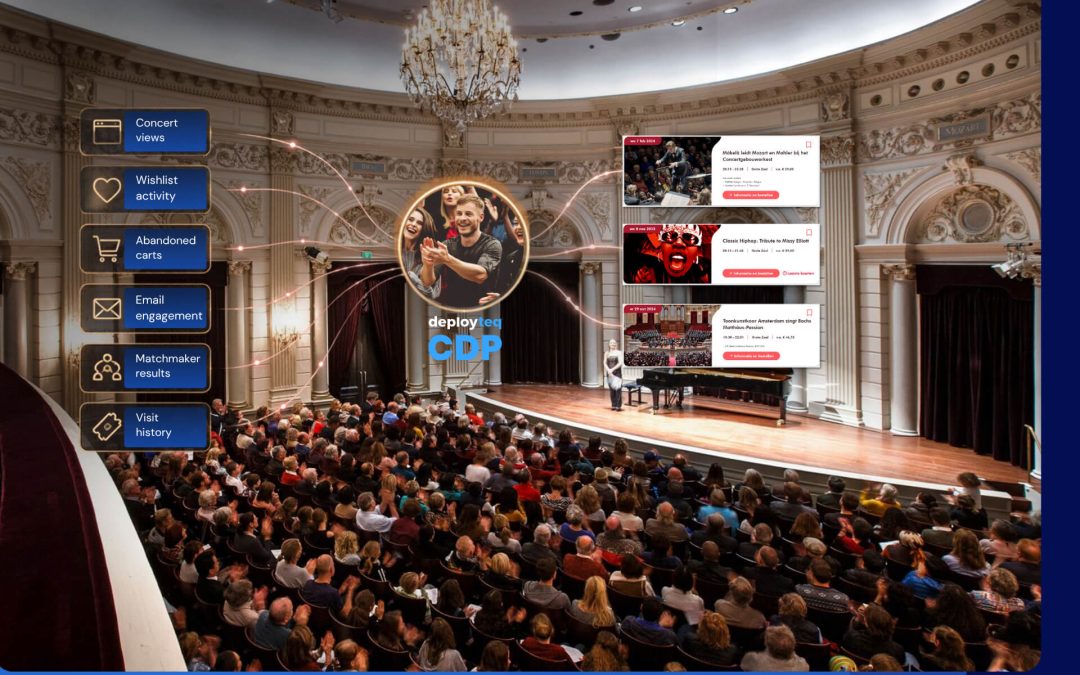
Before you build any behavioral segmentation, audit what you are already collecting. Most teams underestimate how much customer behavior data is already flowing through their stack – it is just fragmented across platforms.
Pull together data from the following sources:
- Email engagement: Opens, clicks, unsubscribes, and forward rates
- Website behavior: Pages visited, time on site, scroll depth, and exit points
- Purchase history: Frequency, recency, average order value, and category preferences
- App activity: Feature usage, session length, and in-app events
- Customer service interactions: Support tickets, chat logs, and complaint categories
- Social engagement: Content interactions, shares, and ad click-throughs
Once you have listed your sources, identify where data is siloed. If your email platform does not talk to your e-commerce system, behavioral triggers will fire late or not at all. A unified customer data platform resolves this by consolidating behavioral signals into a single customer profile. Verify this step is complete before moving forward – gaps here will undermine every subsequent step.
Define Segments Based on Behavioral Patterns
Raw behavioral data is not useful until it is organized into meaningful segments. Behavioral segmentation groups customers by what they do, not just who they are. That distinction is what makes it powerful.
Start by identifying the behavioral patterns that matter most to your business goals:
- Group by engagement level – active, lapsing, and dormant customers based on recency and frequency of interaction
- Group by intent signals – customers who browsed a product category multiple times, or who abandoned a cart at checkout
- Group by purchase behavior – high-LTV repeat buyers versus one-time purchasers with high average order value
- Group by content affinity – customers who consistently engage with a specific topic, product type, or destination
For a retail brand, this might mean separating customers who browse footwear three times a week from those who only visit during sale events. For a travel brand, it means distinguishing early-window planners from last-minute bookers. The more precise your segments, the more relevant your messaging becomes. Expect your segment list to evolve – behavioral patterns shift, and your definitions should too.
Match Behavioral Triggers to the Right Marketing Actions
With your segments defined, the next step is connecting behavioral signals to specific automated responses. This is where behavioral targeting moves from theory into execution.
Map each key behavior to a corresponding marketing action:
- Cart abandonment triggers a recovery sequence within one hour, with a product reminder and social proof
- Browse without purchase triggers a follow-up email featuring the viewed category with related recommendations
- Post-purchase behavior triggers an onboarding or cross-sell sequence based on what was bought
- Lapsing engagement triggers a re-engagement campaign with a time-sensitive incentive
- High-frequency visits with no conversion triggers a targeted offer or a barrier-removal message (e.g., free returns reminder)
The key principle here is timing. A trigger that fires 48 hours after a cart abandonment is far less effective than one that fires within the hour. Build your trigger logic around the natural decision window for each behavior. Once configured, run a test cycle across a small segment to confirm timing and message alignment before scaling.
Personalize Content Using Behavioral Signals
Behavioral data gives you the intelligence to make every message feel relevant. Personalized marketing built on behavioral signals outperforms demographic-only targeting because it responds to demonstrated intent rather than assumed interest.
Apply behavioral signals to personalize at multiple levels:
- Subject lines: Reference the product category, destination, or content type the customer recently engaged with
- Product recommendations: Use purchase history and browse behavior to surface items with genuine relevance, not just bestsellers
- Send time: Analyze when each customer historically opens and engages, then optimize delivery accordingly
- Content format: Customers who engage with video content should receive video-led emails; those who click text links should get editorial formats
- Offer type: High-LTV customers may respond better to exclusive access than to discounts – let behavior guide the incentive
For an entertainment brand running high-frequency campaigns, this might mean dynamically swapping hero content based on the genre a subscriber has engaged with most in the last 30 days. For a finance brand, it might mean surfacing the product a customer viewed but did not apply for. Behavioral personalization works best when it feels intuitive, not intrusive. If the message makes a customer think “how did they know?” rather than “how did they get this?”, you have got the balance right.
Measure Whether Behavioral Targeting Is Working
Behavioral marketing is only as good as the results it produces. Set clear KPIs before you launch any behavioral campaign so you have a baseline to measure against.
Focus on these metrics to evaluate performance:
- Conversion rate by segment: Are behaviorally targeted segments converting at a higher rate than broadcast campaigns?
- Revenue per email: Is behavioral personalization increasing the value of each send?
- Trigger response rate: What percentage of customers who receive a behavioral trigger take the intended action?
- Suppression impact: Are you reducing unsubscribes by sending more relevant content?
- Segment migration: Are lapsing customers re-engaging? Are one-time buyers becoming repeat purchasers?
Run A/B tests within behavioral segments to isolate what is driving performance. If a cart recovery sequence is underperforming, test the timing, the subject line, and the offer separately. Do not change multiple variables at once. Once you have a clear picture of what is working, document it and use it as the template for your next behavioral campaign build.
Scale Behavioral Marketing Across Channels
Once your behavioral triggers and content personalization are working in email, the next step is extending that logic across every channel your customers use. Behavioral data in marketing becomes exponentially more powerful when it drives consistent experiences across email, SMS, push, and web.
To scale effectively, follow this sequence:
- Centralize your behavioral data so that a trigger in one channel updates the customer profile everywhere
- Define channel preference by behavior – customers who open SMS within minutes but ignore email should receive time-sensitive triggers via SMS
- Coordinate cross-channel sequences – if a customer does not convert on email, the next touchpoint in the journey should be a push notification or a retargeted web message, not another email
- Apply consistent personalization logic across channels so the customer experience feels joined-up, not fragmented
The goal is a single behavioral layer that informs every channel simultaneously. When a customer browses a holiday destination on your app, your email, SMS, and web experience should all reflect that intent. That level of coordination requires your marketing automation to operate from a unified data source. Verify that your cross-channel sequences are firing correctly by auditing a sample customer journey end-to-end before full deployment.
How Deployteq Helps You Activate Behavioral Data
We built Deployteq specifically for marketers who need to move fast with complex data. Our platform connects behavioral signals directly to campaign execution, so you are not managing data in one tool and messaging in another.
Here is what we give you out of the box:
- Unified customer profiles that consolidate behavioral data from every channel into a single view
- Real-time segmentation that updates dynamically as customer behavior changes, so your segments are always accurate
- Behavioral trigger automation across email, SMS, WhatsApp, push, and web from a single journey builder
- Intelligent modeling including RFM analysis, next-best-offer, and predictive insights built into our CDP
- Advanced personalization that applies behavioral signals to content, timing, and channel selection automatically
Whether you are scaling behavioral targeting for the first time or replacing a platform that can no longer keep up with your data volume, we can help you get there faster. Book a self-guided demo and see how behavioral data becomes a campaign engine inside Deployteq.