Your customers don’t think in channels. They browse on mobile, convert on desktop, and expect your brand to remember them across every touchpoint. If your marketing doesn’t reflect that, you’re losing revenue to the gaps between channels. An omnichannel marketing strategy closes those gaps by connecting every interaction into a seamless, personalised customer experience.
This guide walks you through exactly how to build one, from mapping your touchpoints to refining performance over time. Follow these steps in order and you’ll have a working omnichannel strategy that scales.
Map Your Customer Touchpoints Across Every Channel
Start by auditing every place your customers interact with your brand. You cannot connect what you haven’t identified. This step gives you a complete picture of your current channel landscape before you start building anything.
- List every active channel: email, SMS, push notifications, social, paid ads, website, in-store, and any app interactions.
- Document the purpose of each channel and what stage of the customer journey it serves (awareness, consideration, conversion, retention).
- Identify where customers move between channels, for example, clicking a promotional email and then browsing on-site before converting via SMS reminder.
- Spot the gaps where your brand goes silent or sends inconsistent messages.
Once you’ve completed this audit, you should have a visual map of your current customer journey. If you find channels operating in silos with no shared data or logic between them, that’s your baseline problem to solve. The next steps fix it.
Unify Your Customer Data Into a Single Source of Truth
Fragmented data is the number one reason omnichannel marketing fails. If your email platform doesn’t know what your CRM knows, you’ll send the wrong message at the wrong moment. Unifying your data into a single customer profile is the foundation every other step depends on.
- Identify all data sources: your CRM, e-commerce platform, loyalty programme, web analytics, and any offline data.
- Define a unique customer identifier, typically an email address or customer ID, to stitch records together across systems.
- Consolidate these records into a centralised profile that updates in real time as customers interact with your brand.
- Validate data quality by checking for duplicates, outdated fields, and missing consent records before activating anything.
A unified customer data platform is the most efficient way to achieve this at scale. Once your data is clean and centralised, you’ll be able to trigger communications based on actual behaviour rather than assumptions. That’s when personalisation becomes genuinely powerful.
Segment Your Audience for Cross-Channel Personalisation
With unified data in place, you can move beyond broad audience targeting. Cross-channel marketing works best when different customer segments receive different experiences based on their behaviour, preferences, and lifecycle stage.
- Build behavioural segments using purchase history, browsing patterns, and engagement frequency.
- Apply RFM modelling (Recency, Frequency, Monetary Value) to identify your highest-value customers and those at risk of churning.
- Create lifecycle segments such as new subscribers, active buyers, lapsed customers, and loyal advocates.
- Layer in channel preference data so you know whether a given segment responds better to email, SMS, or push.
For a travel brand, this might mean separating frequent bookers from one-time holiday customers and routing each group through entirely different journeys. For retail, it could mean triggering stock alerts only to customers who’ve previously browsed that product category. Smart segmentation means every message feels relevant, not broadcast.
Design Connected Customer Journeys Across Channels
Now you’re ready to build. A connected journey means that what happens on one channel informs what happens on the next. A customer who opens your email but doesn’t convert should receive a follow-up via a different channel, not the same email again.
- Map out each journey by segment, defining the trigger (e.g., cart abandonment, loyalty milestone, re-engagement window) and the desired outcome.
- Assign the right channel to each moment based on urgency and preference data. SMS for time-sensitive offers, email for detailed content, push for real-time updates.
- Set decision branches so the journey adapts based on customer behaviour. If they convert, exit the journey. If they don’t engage, escalate to a different channel.
- Build in timing logic to avoid over-communication and respect frequency caps per channel.
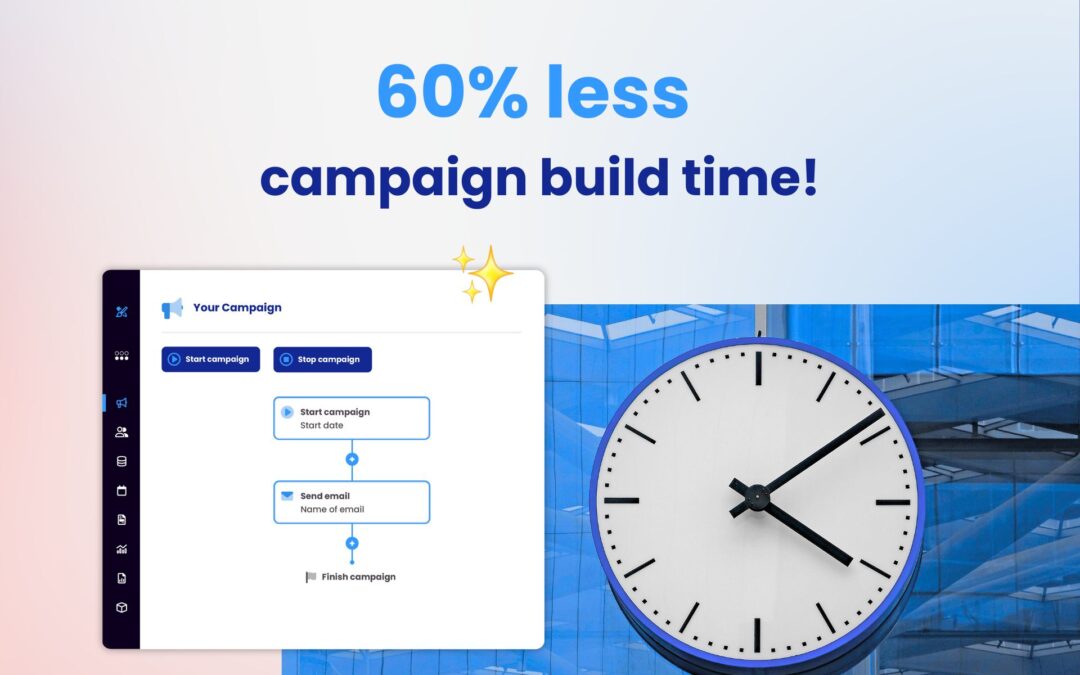
Use a journey builder that gives you full control over branching logic and cross-channel triggers. The goal is a journey that feels intuitive to the customer, even though the logic behind it is sophisticated. Verify your journey by walking through it as a customer before going live.
Launch, Test, and Validate Your Omnichannel Campaigns
Before scaling, validate that your journeys work as intended. Launching without testing is the fastest way to send the wrong message to the wrong person at the wrong time.
- Run a seed test with internal contacts or a small control group to confirm triggers fire correctly and data passes between channels as expected.
- Check that personalisation tokens (name, product, location) populate correctly across every channel and device.
- A/B test subject lines, send times, and channel sequences to identify what drives the strongest engagement within each segment.
- Confirm suppression lists are active so customers who’ve converted or opted out are excluded from ongoing flows.
After your initial launch, monitor the first 48 to 72 hours closely. Look for unexpected drop-off points, low open rates on specific channels, or journeys where customers are exiting earlier than expected. These signals tell you where to adjust before the campaign reaches your full audience.
Measure Performance and Refine the Strategy Over Time
An omnichannel strategy is never finished. The brands that win are the ones that treat every campaign as a learning opportunity and build that insight back into the next iteration.
- Define your primary KPIs before launch: conversion rate, revenue per journey, channel engagement rates, and LTV by segment.
- Track cross-channel attribution so you understand which channel combination drives the most conversions, not just the last touch.
- Review journey performance by segment monthly, identifying which audiences are responding well and which need re-engagement or journey redesign.
- Feed performance data back into your segmentation model to keep your audience definitions sharp and current.
The most effective omnichannel campaigns improve continuously. Set a regular cadence for reviewing your journey data, at least monthly, and schedule quarterly strategy reviews to assess whether your channel mix still reflects where your customers are spending their time. In 2026, customer behaviour shifts quickly, and your strategy should shift with it.
How Deployteq Helps You Build Your Omnichannel Strategy
We built Deployteq specifically for marketers who need to move fast without sacrificing personalisation or control. Here’s what we bring to every step of the process:
- Unified customer data: Our CDP consolidates profiles across every source in real time, giving you one accurate view of every customer.
- Smart segmentation: Build hyper-personalised segments using RFM, predictive insights, and next-best-offer modelling, without needing a data science team.
- Cross-channel campaign activation: Deploy across email, SMS, WhatsApp, push, and web from a single platform, with full journey logic built in.
- Advanced journey builder: Design branching, adaptive journeys with the flexibility to respond to real-time customer behaviour at every touchpoint.
- Performance intelligence: Track cross-channel attribution and segment-level performance so you always know what’s working and what to fix.
Trusted by brands like Wickes, Virgin Media, and Center Parcs, we help marketing teams replace manual complexity with smarter email and cross-channel execution. If you’re ready to see how it works in practice, do a self-guided demo and explore the platform at your own pace.