Customer data scattered across email, SMS, social media, and web channels creates chaos for modern marketers. Without a unified view, you’re essentially flying blind and missing crucial opportunities to deliver personalised experiences that drive real results.
Marketing automation solves this challenge by consolidating customer touchpoints into a single, actionable view. This unified approach transforms fragmented interactions into cohesive customer journeys that boost engagement and revenue across every channel.
What Does It Mean to Unify Customer Data Across Channels?
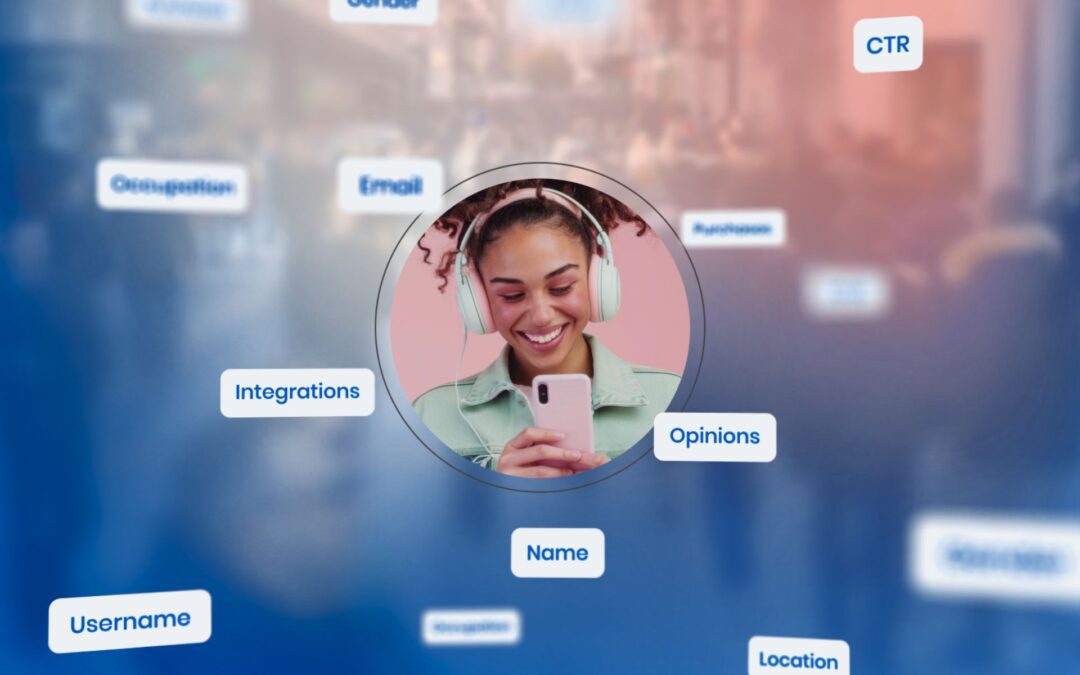
Unifying customer data across channels means consolidating all customer interactions, behaviours, and preferences from different touchpoints into a single, comprehensive profile. This creates a complete view of each customer’s journey, regardless of whether they engage via email, SMS, social media, or your website.
This unified approach eliminates data silos that traditionally separate your marketing channels. Instead of having separate databases for email subscribers, SMS contacts, and web visitors, you create interconnected customer profiles that update in real time. This means that when a customer abandons their cart on your website, your email system immediately knows about it and can trigger a personalised recovery sequence.
True data unification goes beyond simple contact management. It includes purchase history, browsing behaviour, engagement patterns, and preference data from every channel. This comprehensive view enables you to understand not just who your customers are, but how they prefer to interact with your brand.
How Does Marketing Automation Collect Data from Multiple Channels?
Marketing automation platforms collect multichannel data through APIs, tracking pixels, webhooks, and direct integrations that capture customer interactions in real time. These systems automatically sync data from email opens, website visits, SMS responses, app usage, and social media engagement into unified customer profiles.
The collection process starts with tracking codes and pixels embedded across your digital touchpoints. When customers interact with your content, these trackers capture behavioural data and feed it back to your central platform. Email interactions like opens and clicks are automatically logged, while website behaviour is tracked through cookies and session data.
Direct integrations with your existing tools amplify data collection capabilities. Your e-commerce platform shares purchase data, your CRM contributes lead information, and your mobile app provides usage patterns. This creates a continuous flow of customer intelligence that updates profiles automatically without manual intervention.
What’s the Difference Between a CDP and Traditional Marketing Tools?
A Customer Data Platform (CDP) creates persistent, unified customer profiles that remain consistent across all marketing tools, while traditional marketing tools typically store data in isolated silos that don’t communicate effectively with each other.
Traditional marketing tools like basic email platforms or standalone SMS services operate independently. Your email tool knows about email engagement, but it doesn’t understand how those same customers behave on your website or mobile app. This fragmented approach forces you to make marketing decisions with incomplete information.
CDPs act as the central nervous system for your customer data, maintaining a single source of truth that all your marketing tools can access. When integrated with marketing automation, this unified data enables sophisticated cross-channel campaigns that respond to customer behaviour in real time, regardless of where that behaviour occurs.
How Does Unified Data Improve Cross-Channel Marketing Campaigns?
Unified data enables cross-channel marketing campaigns to deliver consistent, personalised messaging based on complete customer behaviour rather than isolated channel interactions. This comprehensive view allows you to create seamless experiences where each touchpoint builds on previous interactions.
With unified data, your campaigns become contextually aware. If a customer browses products on your website but doesn’t purchase, your system can automatically trigger a personalised email featuring those exact products, followed by targeted social media ads, and finally an SMS reminder with a special offer. Each message builds on the previous interaction rather than starting from scratch.
The timing and frequency of your communications also improve dramatically. Unified data reveals optimal engagement windows for each customer across different channels. You might discover that certain customers respond best to morning emails but prefer evening SMS messages, allowing you to orchestrate perfectly timed multichannel sequences.
Advanced segmentation becomes possible when you combine data from all touchpoints. You can create highly specific audience segments based on cross-channel behaviour patterns, such as “customers who open emails but prefer to purchase via a mobile app” or “high-value customers who engage most with video content on social media.”
What Challenges Do Businesses Face When Unifying Customer Data?
The primary challenges businesses face when unifying customer data include technical integration complexities, data quality inconsistencies, privacy compliance requirements, and organisational silos that resist data sharing between departments and systems.
Technical integration often proves more complex than anticipated. Different systems use varying data formats, field names, and update frequencies. Your email marketing platform might store names as separate first and last name fields, while your CRM combines them into a single field. These inconsistencies require careful mapping and often custom development work.
Data quality presents another significant hurdle. Duplicate records, outdated information, and incomplete profiles can undermine your unification efforts. A customer might have multiple email addresses across different systems, creating separate profiles for the same person. Regular data cleansing and deduplication processes become essential for maintaining accurate unified profiles.
Privacy regulations like GDPR add compliance complexity to data unification projects. You must ensure that consent preferences and data retention policies are consistently applied across all unified data sources, requiring robust governance frameworks and audit capabilities.
How Do You Choose the Right Platform for Data Unification?
Choose a data unification platform that offers native integrations with your existing tools, real-time data processing capabilities, flexible segmentation options, and compliance features that match your industry requirements and business scale.
Start by auditing your current technology stack and identifying which systems contain critical customer data. Look for platforms that offer pre-built connectors for your existing tools rather than requiring custom development. The platform should handle data synchronisation automatically and provide clear visibility into data flow and quality issues.
Real-time processing capabilities separate basic platforms from advanced solutions. Your chosen platform should update customer profiles immediately when new data arrives, enabling instant campaign triggers and personalisation. Batch processing that updates profiles once daily limits your ability to respond to customer behaviour in the moment.
Scalability considerations become crucial as your data volumes grow. The platform should handle increasing data loads without performance degradation and offer flexible pricing models that align with your growth trajectory.
How Deployteq Helps with Customer Data Unification
We’ve built our platform specifically to solve the customer data unification challenge that modern marketers face every day. Our Customer Data Platform seamlessly consolidates data from all your marketing channels into unified customer profiles that update in real time.
Here’s how we make data unification simple and powerful:
- Native integrations with 200+ marketing tools and platforms for instant data synchronisation
- Advanced segmentation capabilities that use unified data for hyper-personalised targeting
- Real-time profile updates that enable immediate campaign triggers across email, SMS, WhatsApp, and push notifications
- Intelligent data modelling, including RFM analysis, next-best-offer predictions, and customer lifetime value calculations
- A complete compliance framework with GDPR-ready consent management and data governance tools
Our unified approach has helped brands like Virgin Media and Center Parcs transform their customer experiences by breaking down data silos and creating truly connected marketing campaigns. Ready to see how unified customer data can transform your marketing results? Book a demo to explore how our platform can consolidate your customer data and supercharge your cross-channel campaigns.