Smart retailers know that timing is everything in e-commerce. When a customer shows interest in a product but doesn’t purchase immediately because of price or availability, that moment represents a golden opportunity rather than a lost sale. Price drop alerts and back-in-stock notifications have emerged as powerful revenue drivers, transforming hesitant browsers into committed buyers.
These automated marketing tools work by capturing customer intent at the perfect moment, when barriers to purchase are removed. By leveraging real-time data and targeted messaging, businesses can recover potentially lost revenue while delivering genuine value to customers who are already primed to buy.
What are price drop and back-in-stock alerts?
Price drop alerts are automated notifications sent to customers when a product they’ve shown interest in decreases in price, while back-in-stock alerts notify customers when previously unavailable items become available again. Both types of alerts capture customer intent and trigger timely communications based on real-time inventory and pricing data.
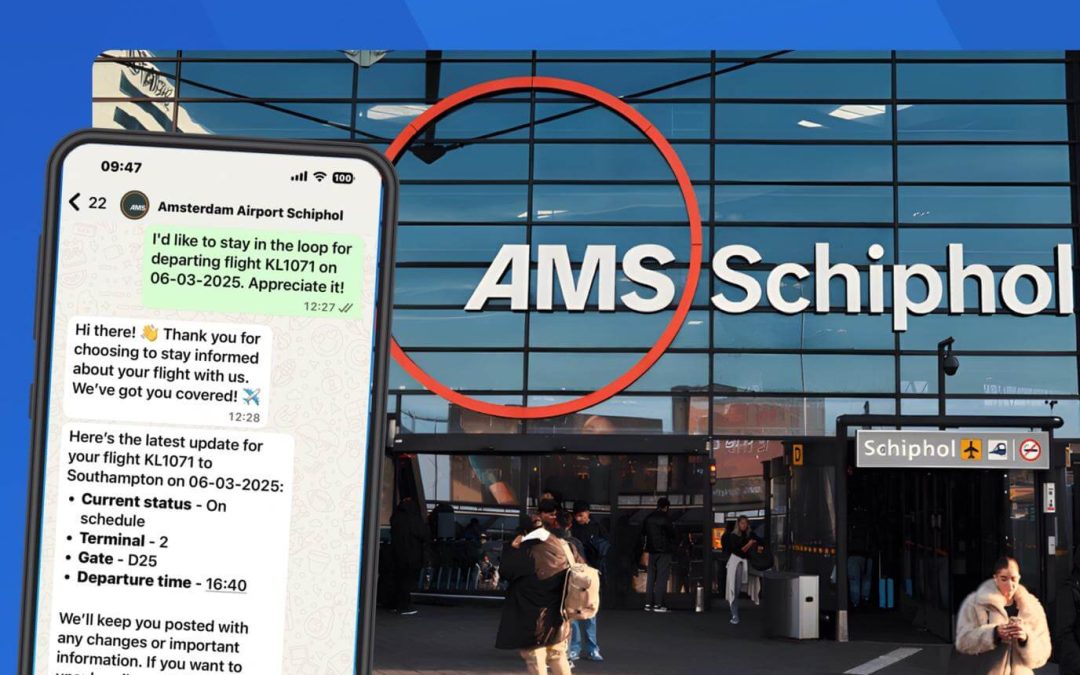
These notifications typically integrate with e-commerce platforms to monitor product status continuously. When predetermined conditions are met, the system automatically sends personalized messages via email, SMS, or push notifications. The alerts include product details, current pricing or availability status, and direct links to complete the purchase.
Modern alert systems can track multiple data points simultaneously, including price thresholds, stock levels, customer browsing behavior, and purchase history. This comprehensive approach ensures customers receive relevant notifications that align with their demonstrated preferences and buying patterns.
How do price drop alerts increase customer purchases?
Price drop alerts increase customer purchases by removing the primary barrier to purchase at the exact moment customers are most likely to buy. When customers receive notifications about price reductions on items they’ve previously viewed or added to their wishlists, conversion rates typically increase by 15-25% compared to standard promotional emails.
The psychological impact of price drop alerts is particularly powerful because they create a sense of urgency and exclusivity. Customers feel they’re receiving personalized deals rather than mass marketing messages. This targeted approach builds trust and demonstrates that the brand values their specific interests.
Timing plays a crucial role in effectiveness. Customers who receive price drop alerts within 24-48 hours of the reduction show significantly higher engagement rates. The alerts work best when they include clear savings information, limited-time messaging, and streamlined purchasing options that minimize friction between notification and checkout.
Why do back-in-stock alerts drive higher conversion rates?
Back-in-stock alerts drive higher conversion rates because they target customers who have already expressed clear purchase intent by requesting notifications for unavailable products. These pre-qualified leads typically convert at rates 3-5 times higher than general email marketing campaigns, as the notification removes the final obstacle to purchase.
The scarcity principle amplifies the effectiveness of these alerts. When customers know an item was previously unavailable, they’re more motivated to act quickly upon receiving the restock notification. This urgency is particularly strong for popular or limited-edition items, where customers fear missing out again.
Back-in-stock alerts also benefit from perfect timing alignment. Unlike promotional emails that may arrive when customers aren’t actively shopping, these notifications reach customers precisely when they’re ready to buy. The combination of demonstrated interest, removed barriers, and optimal timing creates ideal conditions for conversion.
What’s the difference between automated and manual inventory notifications?
Automated inventory notifications use real-time data integration to send alerts instantly when conditions are met, while manual notifications require human intervention to identify opportunities and send messages. Automated systems can process thousands of products and customer preferences simultaneously, delivering notifications within minutes of inventory or price changes.
Manual processes typically involve periodic inventory reviews, batch email creation, and scheduled sends that may miss optimal timing windows. While manual approaches allow for more customized messaging, they cannot match the speed and scale required for effective inventory-based marketing in competitive e-commerce environments.
The accuracy difference is also significant. Automated systems reduce errors by eliminating the need for human oversight and ensuring notifications reflect current product status. Manual processes risk sending outdated information, which can damage customer trust and create fulfillment issues.
How do you set up effective price and inventory alert campaigns?
Setting up effective price and inventory alert campaigns requires integrating your e-commerce platform with a marketing automation system that can track product data in real time and trigger personalized notifications based on customer behavior and preferences.
Start by identifying trigger conditions such as specific price reduction percentages, stock level thresholds, or customer engagement criteria. Configure your system to capture opt-ins through product pages, wishlist additions, or cart abandonment scenarios. Ensure data flows seamlessly between your inventory management system and communication platform.
Design notification templates that include essential information like product images, current pricing, availability status, and clear calls to action. Test different messaging approaches, send times, and frequency caps to optimize performance. Monitor key metrics including open rates, click-through rates, and conversion rates to refine your approach continuously.
Which customers should receive price drop and stock alerts?
Customers who should receive price drop and stock alerts include those who have explicitly opted in through wishlist additions, cart abandonment, or direct notification requests, as well as customers who have demonstrated clear interest through repeated product views, extended browsing sessions, or similar purchase history.
High-value customers and frequent purchasers represent priority segments for these alerts, as they’re more likely to convert and generate significant revenue. Additionally, customers who have previously engaged with promotional emails or responded to similar notifications show higher receptivity to inventory-based messaging.
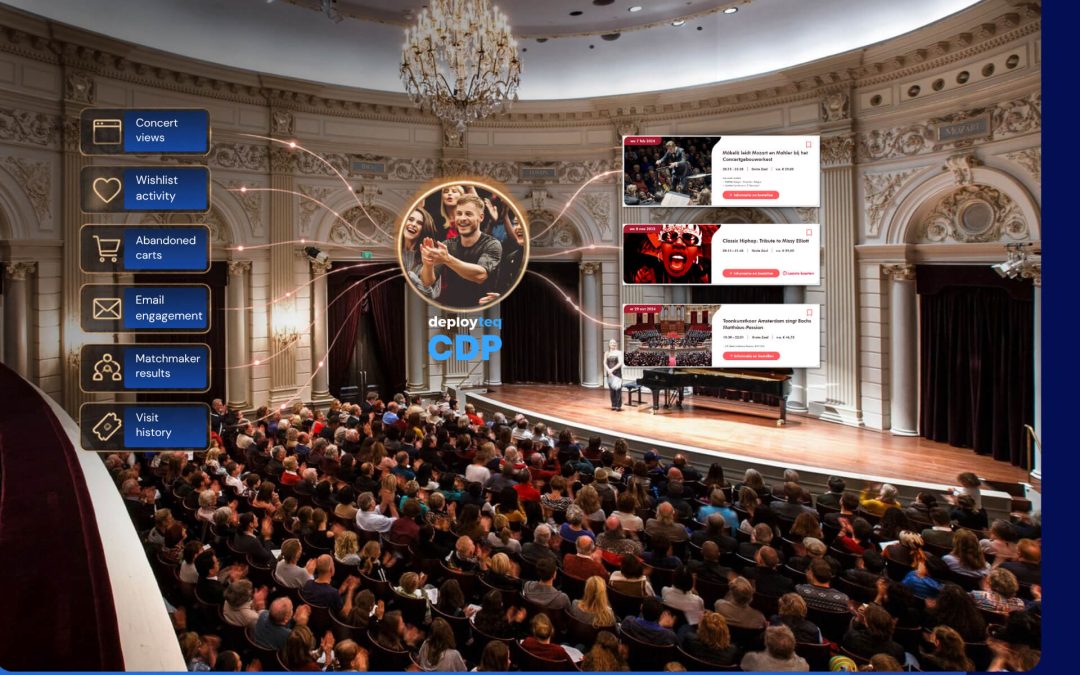
Segmentation should also consider purchase timing patterns, product category preferences, and price sensitivity indicators. Customers who typically buy during sales periods may respond better to price drop alerts, while those who purchase new releases or limited items may prefer back-in-stock notifications. Using a customer data platform helps identify these behavioral patterns for more precise targeting.
How Deployteq helps with price drop and back-in-stock alerts
We make setting up sophisticated price drop and back-in-stock alert campaigns straightforward through our integrated approach to data management and cross-channel automation. Our platform seamlessly connects with your e-commerce systems to monitor inventory and pricing changes in real time, automatically triggering personalized notifications across email, SMS, and push channels.
Key features that drive results include:
- Real-time inventory and price monitoring with instant trigger capabilities
- Advanced customer segmentation based on browsing behavior, purchase history, and engagement patterns
- Cross-channel delivery optimization to reach customers on their preferred communication channels
- Comprehensive analytics and A/B testing tools to continuously improve campaign performance
Ready to transform your inventory alerts into a revenue-driving machine? Book a demo to see how our marketing automation platform can help you capture more sales through perfectly timed, personalized notifications.