You can personalise emails without a large IT team by using marketing automation platforms with built-in personalisation features, drag-and-drop builders, and no-code solutions. Modern email marketing tools handle the technical complexity automatically, letting you create targeted campaigns based on customer behaviour, preferences, and purchase history without needing developers or data analysts.
What does email personalisation actually mean for small businesses?
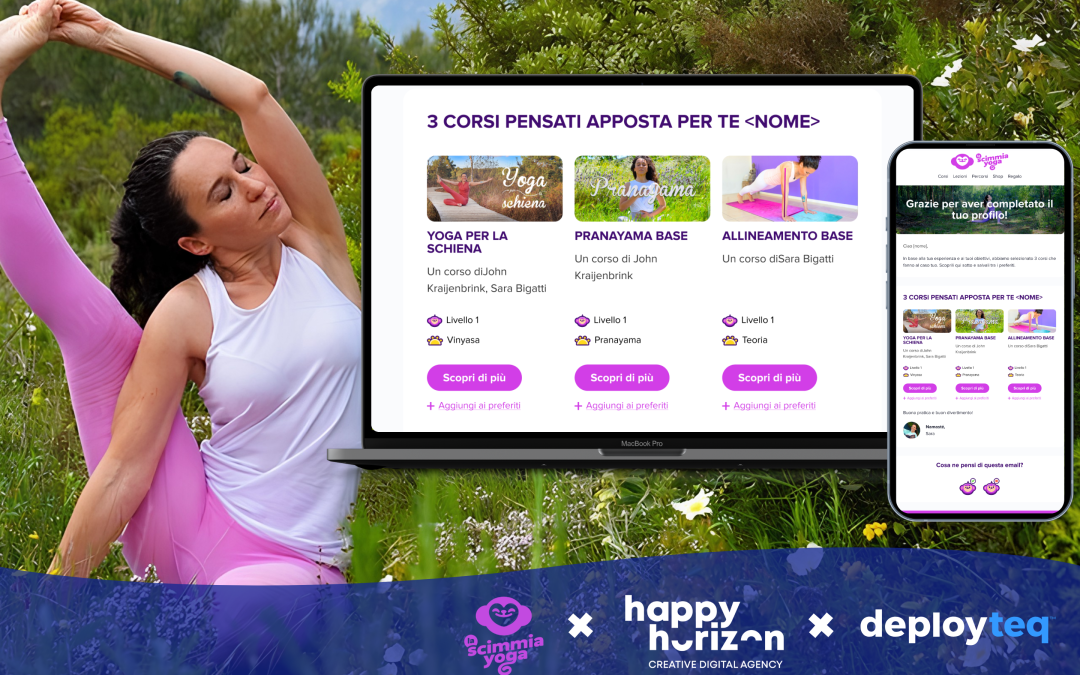
Email personalisation goes far beyond inserting someone’s first name into the subject line. It means tailoring your email content, timing, and offers based on what you know about each subscriber’s preferences, behaviour, and relationship with your business.
At its most basic level, personalisation includes using subscriber names, sending birthday offers, or segmenting by location. Advanced personalisation involves sending product recommendations based on browsing history, triggering emails when someone abandons their shopping cart, or adjusting send times based on when individuals typically open emails.
This matters because personalised emails generate higher open rates, better click-through rates, and more conversions than generic broadcasts. When customers receive relevant content that speaks to their specific interests or needs, they’re more likely to engage with your brand and make purchases.
For small businesses, even simple personalisation can make a significant difference. Sending welcome series to new subscribers, birthday discounts, or follow-up emails after purchases helps build stronger customer relationships without requiring complex technical setups.
How can you personalise emails when you don’t have developers or data analysts?
You can personalise emails using user-friendly email marketing platforms that offer drag-and-drop builders, pre-built templates, and automated workflows. These tools require no coding skills and handle the technical aspects of data management and email delivery automatically.
Most modern email marketing platforms include visual workflow builders where you simply drag elements to create automated email sequences. You can set up triggers like “send welcome email when someone subscribes” or “send discount code three days after cart abandonment” using simple dropdown menus and form fields.
Many platforms also offer pre-designed automation templates for common scenarios like welcome series, re-engagement campaigns, or post-purchase follow-ups. You simply customise the content and timing to match your brand and business needs.
Smart segmentation features automatically group your subscribers based on their behaviour, purchase history, or engagement levels. You don’t need to manually create these segments or understand complex database queries – the platform does this work behind the scenes.
Additionally, many tools include AI-powered features that suggest optimal send times, subject lines, or content recommendations based on your audience’s behaviour patterns, removing guesswork from your personalisation efforts.
What customer data do you actually need to create personalised emails?
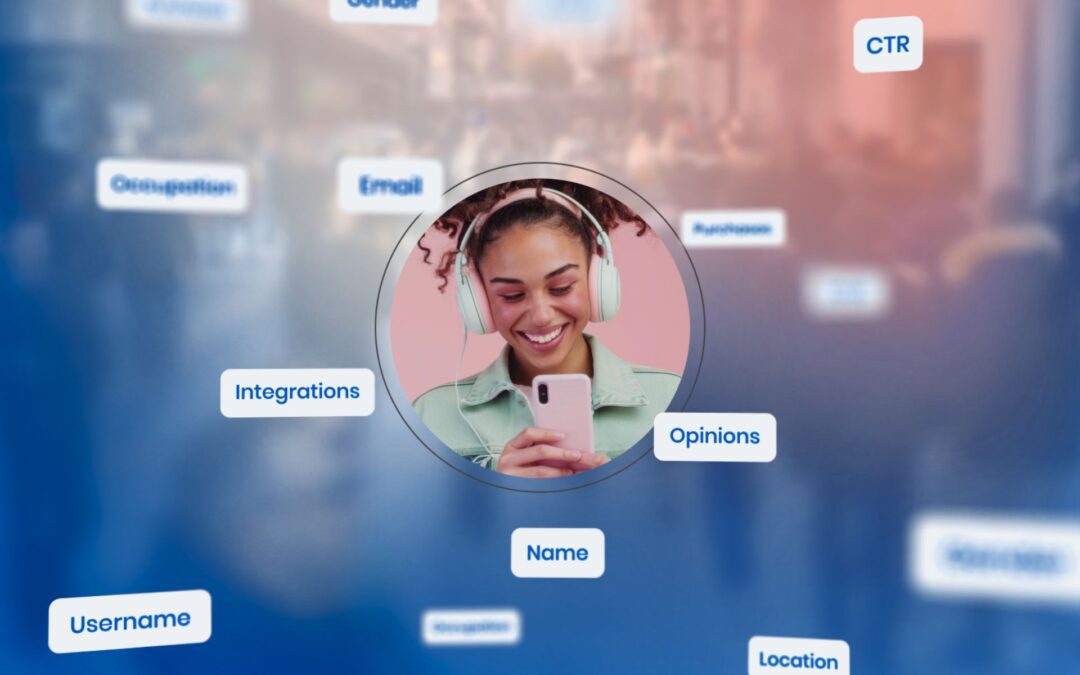
You need basic contact information, engagement data, and behavioural insights to create effective personalised emails. Start with names, email addresses, signup dates, and gradually collect purchase history, preferences, and website activity as customers interact with your business.
Essential data points include subscriber names, location, signup source, email engagement history (opens, clicks), and purchase behaviour. This information allows you to segment audiences and send relevant content without overwhelming complexity.
You can collect this information through signup forms that ask for preferences, post-purchase surveys, website tracking that monitors browsing behaviour, and progressive profiling where you gradually gather more details over time rather than requesting everything upfront.
Organising this data doesn’t require complex database management when you use integrated customer data platforms. These tools automatically collect and store customer information from various touchpoints, creating unified customer profiles without manual data entry.
Focus on collecting data that directly relates to how you can serve customers better. If you sell clothing, size preferences and style interests matter more than detailed demographic information. If you’re a service business, industry and company size might be more relevant than purchase frequency.
Which email personalisation tactics work best with limited resources?
Behavioural triggers, purchase-based segmentation, and lifecycle messaging deliver the highest impact with minimal setup time. These tactics automatically respond to customer actions and require little ongoing maintenance once configured properly.
Welcome email series work exceptionally well because they introduce new subscribers to your brand when engagement is naturally highest. Set up a simple three-email sequence introducing your business, highlighting popular products or services, and offering a first-purchase incentive.
Abandoned cart emails recover lost sales by automatically reminding customers about items they left behind. Most platforms can set these up with simple triggers and pre-written templates that you customise with your brand voice.
Birthday and anniversary emails create personal connections with minimal effort. Collect birth dates during signup and automatically send special offers or messages on important dates. These emails often achieve high engagement rates because they feel genuinely personal.
Re-engagement campaigns automatically identify subscribers who haven’t opened recent emails and send targeted messages to win them back. This helps maintain list health and recovers potentially lost customers without manual list management.
Product recommendation emails based on past purchases or browsing history can significantly increase sales. Many platforms automatically generate these recommendations using simple algorithms that don’t require technical expertise to implement.
How do marketing automation platforms make personalisation easier for small teams?
Marketing automation platforms handle data collection, segmentation, and email delivery automatically through intuitive interfaces that require no technical skills. They provide built-in templates, drag-and-drop journey builders, and AI-powered recommendations that simplify complex personalisation tasks.
These platforms automatically track customer interactions across your website, emails, and other touchpoints, building comprehensive customer profiles without manual data entry. When someone makes a purchase or clicks a link, the system updates their profile and can trigger relevant follow-up emails instantly.
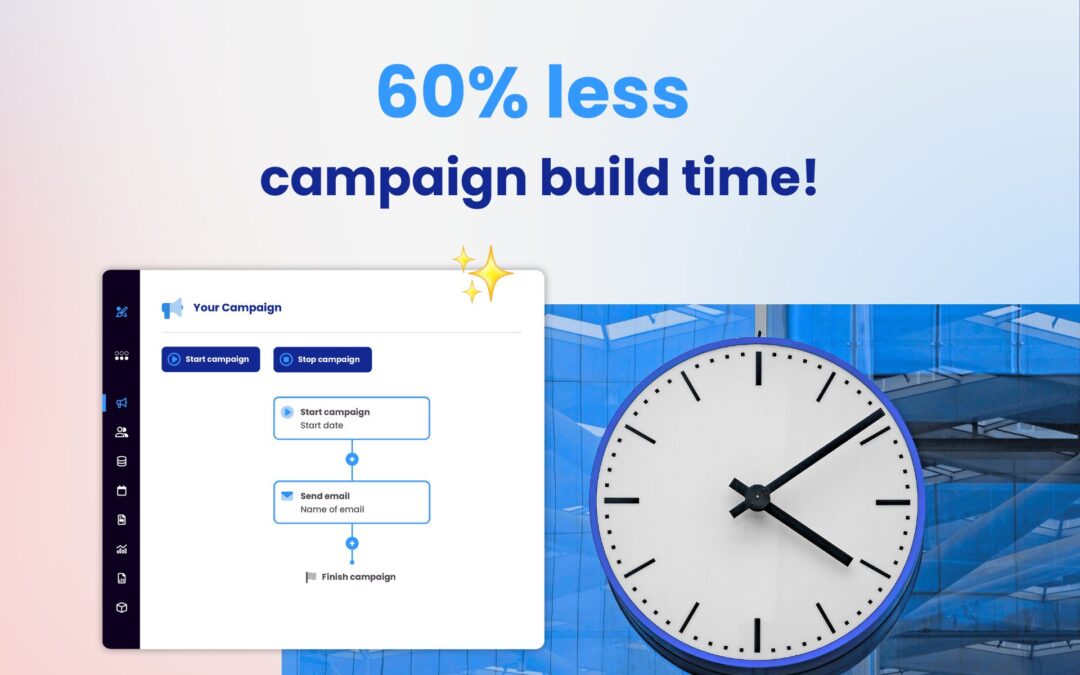
Visual journey builders let you map out customer experiences using simple flowcharts. You can create complex automation sequences by connecting triggers, conditions, and actions through an easy-to-use interface that looks more like drawing a diagram than programming.
Built-in segmentation tools automatically group customers based on behaviour, preferences, or engagement levels. You can create segments like “customers who bought in the last 30 days” or “subscribers who haven’t opened emails recently” using simple dropdown menus and filters.
Many platforms include machine learning features that optimise send times, predict customer preferences, and suggest content improvements based on your audience’s behaviour patterns. This gives small teams access to advanced personalisation capabilities without needing data science expertise.
How Deployteq helps with email personalisation
We make email personalisation accessible for teams of any size through our intuitive marketing automation platform. Our drag-and-drop journey builder lets you create sophisticated personalised campaigns without technical expertise, while our unified customer data platform automatically builds detailed profiles from every customer interaction.
- No-code automation builder: Create complex personalised email sequences using visual workflows
- Automatic data unification: Collect and organise customer information from all touchpoints automatically
- Smart segmentation: Build targeted audiences using simple filters and behavioural triggers
- Pre-built templates: Access proven automation workflows for common personalisation scenarios
- Real-time personalisation: Deliver dynamic content based on individual customer behaviour and preferences
Ready to start personalising your emails without the technical complexity? Book a demo to see how our platform can help you create meaningful customer experiences that drive results.