The best marketing automation platform for B2C is one built to handle high volumes, real-time data, and multi-channel customer journeys without slowing your team down. B2C marketers need tools that go beyond basic email blasts, supporting personalised triggers, smart segmentation, and seamless cross-channel delivery at scale. Below, we answer the most important questions to help you choose the right platform for your brand.
What makes a marketing automation platform right for B2C?
A B2C marketing automation platform is right for your brand when it can handle large customer databases, trigger personalised messages in real time, and orchestrate journeys across multiple channels simultaneously. The key differentiator is speed combined with personalisation at scale, not just the ability to send emails, but the ability to send the right message to the right person at the right moment.
B2C environments move fast. A customer who browses a product, abandons a cart, and then opens a loyalty email is sending clear signals. Your platform needs to read those signals instantly and respond with relevant content across email, SMS, push, or WhatsApp without manual intervention.
The strongest marketing automation platforms for B2C combine four capabilities:
- Real-time segmentation that updates as customer behaviour changes
- Multi-channel delivery across email, SMS, push, and web
- Journey automation that responds to triggers, not just schedules
- Unified customer data that gives every campaign a single, accurate view of the customer
If your current platform requires manual list exports or can only run linear email sequences, it is likely holding your results back.
What’s the difference between B2C and B2B marketing automation?
The core difference between B2C and B2B marketing automation is volume, speed, and decision complexity. B2C automation handles millions of individual customers making fast, often emotional purchase decisions. B2B automation manages smaller audiences of business buyers moving through longer, multi-stakeholder sales cycles. The tools, triggers, and journeys required are fundamentally different.
In B2C, the purchase decision can happen in minutes. A well-timed cart recovery email or a personalised push notification can convert a hesitant browser into a buyer within hours. Automation needs to be reactive and hyper-personalised, responding to individual behaviour in real time.
In B2B, the focus shifts to lead nurturing over weeks or months, account-based targeting, and CRM integration with sales teams. The metrics differ too. B2B tracks pipeline progression and MQLs. B2C tracks conversion rate, average order value, repeat purchase frequency, and customer lifetime value (LTV).
For B2C marketers, this means your platform must prioritise behavioural triggers, dynamic content, and channel flexibility over lead scoring models or CRM handoff workflows.
What channels should a B2C marketing automation platform support?
A B2C marketing automation platform should support email, SMS, push notifications, WhatsApp, and web personalisation as a minimum. The most effective B2C brands do not rely on a single channel. They build customer journey automation that flows across channels based on where each individual customer is most likely to engage.
Here is why each channel matters in a B2C context:
- Email remains the highest-ROI channel for B2C, ideal for promotions, loyalty programmes, and post-purchase sequences
- SMS delivers urgency, perfect for flash sales, booking confirmations, and time-sensitive alerts
- Push notifications re-engage app users without requiring an email open
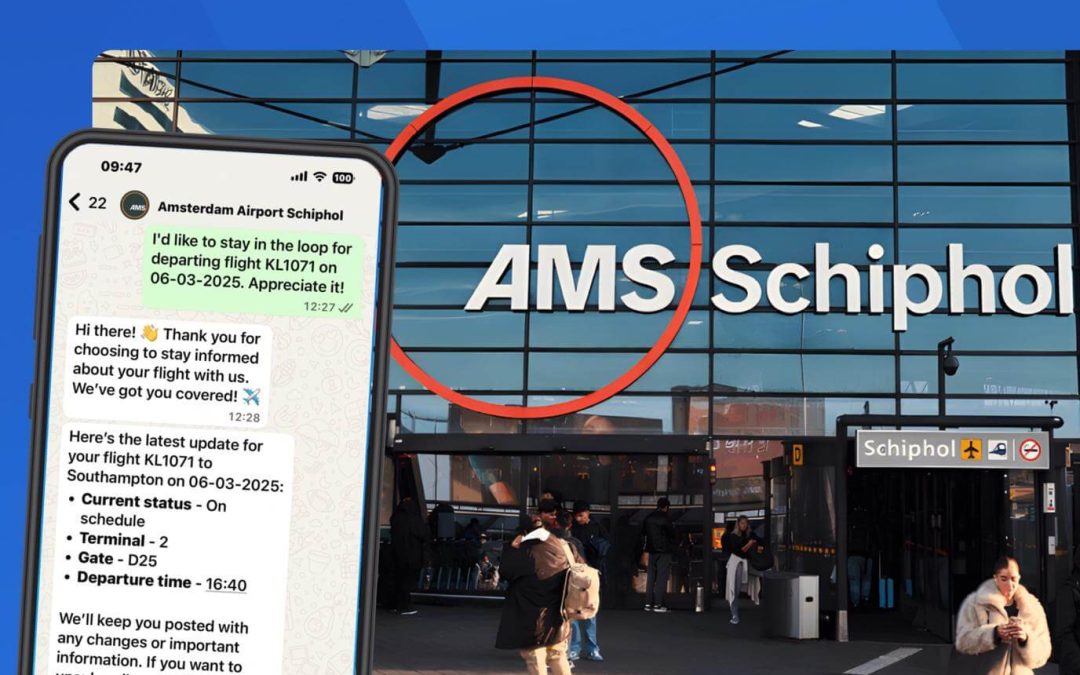
- WhatsApp is growing rapidly for conversational marketing, especially in travel and retail
- Web personalisation ensures the on-site experience matches the message a customer just received
The goal is not to use every channel at once. It is to have the flexibility to meet customers where they are and to automate those channel decisions based on data rather than guesswork. A strong B2C email marketing foundation is usually the starting point, with other channels layered in as your data matures.
How does customer data affect B2C automation performance?
Customer data is the engine behind every B2C automation journey. The quality, completeness, and accessibility of your data directly determine how personalised, timely, and effective your campaigns can be. Fragmented or siloed data leads to generic messaging, missed triggers, and poor customer experiences regardless of how capable your automation platform is.
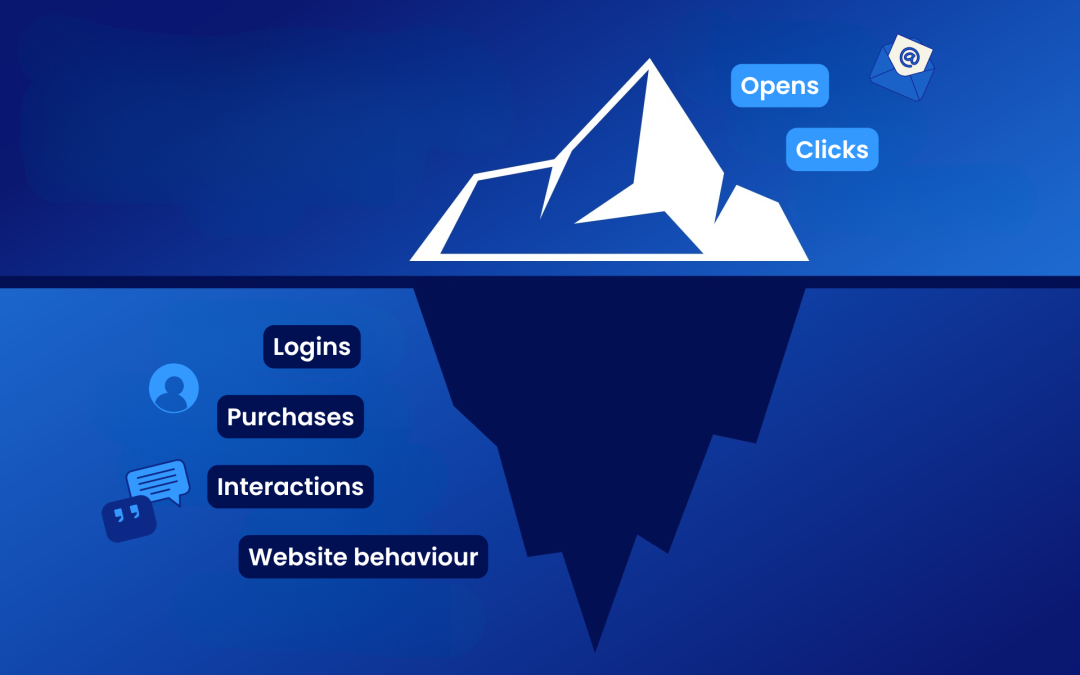
Most B2C brands sit on rich behavioural data from web analytics, purchase history, loyalty programmes, and CRM systems. The challenge is connecting those sources into a single, actionable customer profile. Without that unified view, your automation is working with an incomplete picture.
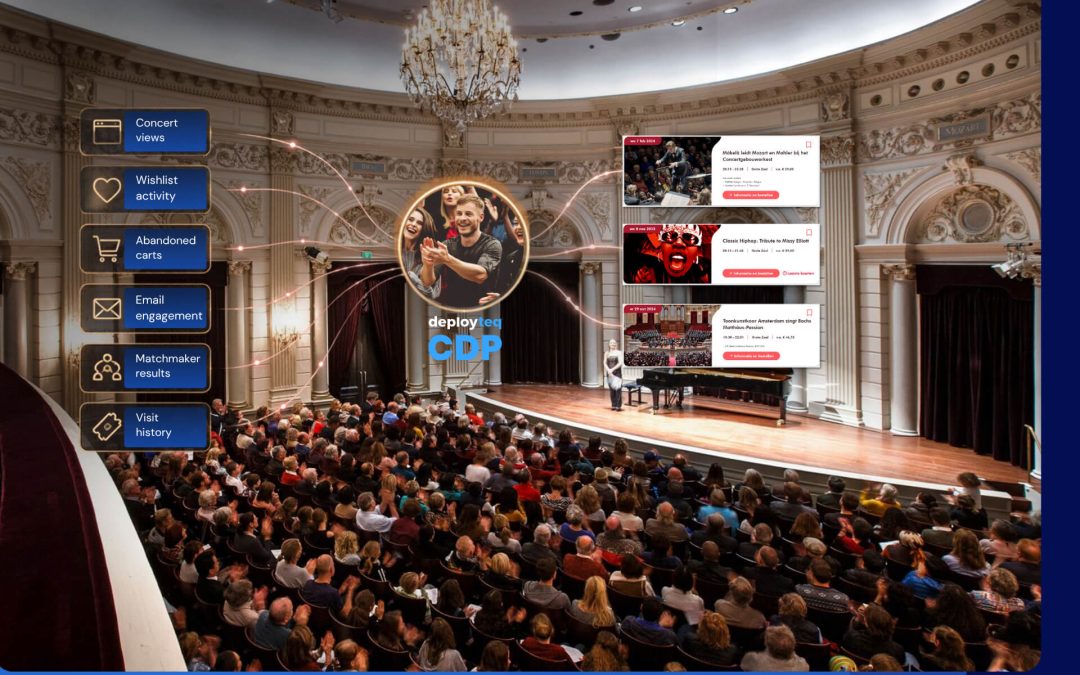
A Customer Data Platform (CDP) solves this by consolidating data from every touchpoint into one profile that your automation platform can query in real time. This enables advanced modelling such as RFM analysis (Recency, Frequency, Monetary value), next-best-offer predictions, and predictive churn scoring. These are not theoretical capabilities. They are practical tools that help you prioritise budget, personalise at scale, and retain your most valuable customers.
Investing in better data infrastructure is often more impactful than switching automation tools. The best platform in the world will underperform if it is working with incomplete or stale customer data.
Which industries benefit most from B2C marketing automation?
The industries that benefit most from B2C marketing automation are those with high customer volumes, frequent purchase cycles, and strong data signals. Travel and leisure, retail and e-commerce, entertainment, hospitality, and financial services consistently see the strongest returns from automation investment.
Here is how automation plays out across these sectors:
- Travel and leisure: Booking window triggers, destination-based personalisation, loyalty re-engagement, and post-trip review sequences all depend on real-time automation
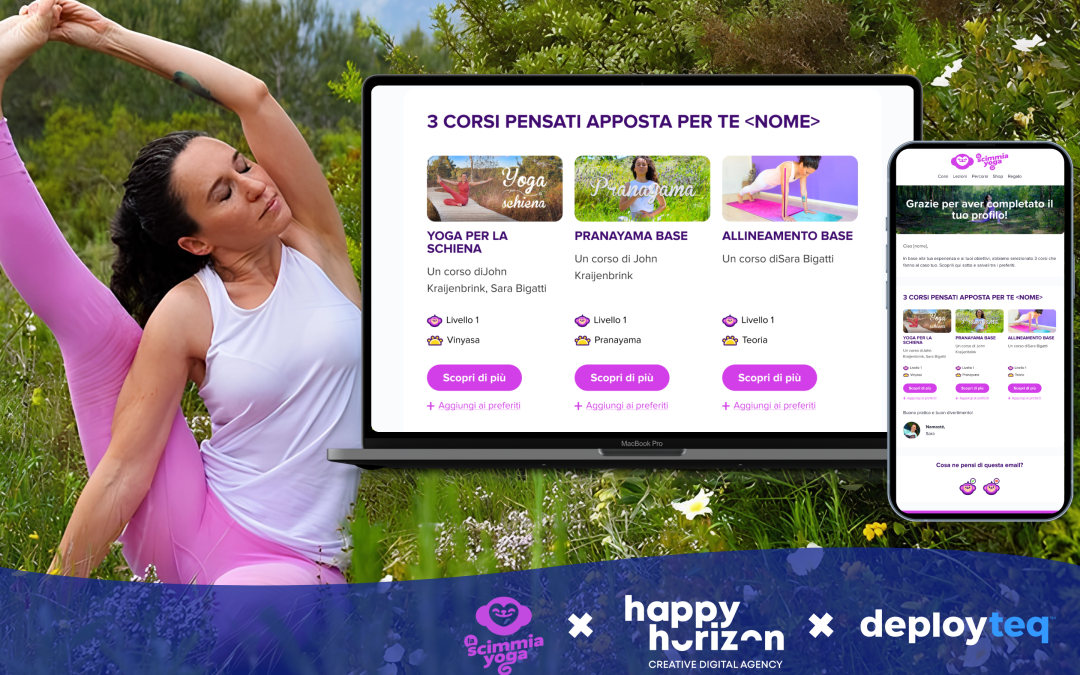
- Retail and e-commerce: Cart recovery, back-in-stock alerts, hyper-personalised product recommendations, and seasonal campaign automation drive measurable revenue uplift
- Entertainment: High-frequency content triggers, event reminders, and subscription renewal journeys require automation that scales without manual production overhead
- Hospitality: Pre-arrival communications, upsell journeys, and post-stay loyalty programmes are natural fits for automated customer journey sequences
- Finance and insurance: Timely policy renewal reminders, onboarding sequences, and trust-building content automation help manage complex, long-term customer relationships
If your brand sits in any of these sectors and you are still managing campaigns manually or working with a basic email tool, the gap between your current output and what automation can deliver is significant.
What should you look for when switching automation platforms?
When switching B2C marketing automation platforms, prioritise data migration capability, channel breadth, journey builder flexibility, and ease of use for your team. The best marketing automation software for your brand is the one your team will actually use effectively, not the one with the longest feature list.
Before committing to a new platform, work through these evaluation criteria:
- Data portability: Can you migrate your existing customer segments, behavioural history, and custom fields cleanly? Poor data migration is the most common reason platform switches fail
- Journey builder flexibility: Does the platform support branching logic, real-time triggers, and multi-channel steps in a single journey? Linear drip sequences are not sufficient for complex B2C programmes
- Segmentation power: Can you build and update segments dynamically based on live behaviour, not just static lists?
- Integration depth: Does it connect cleanly with your e-commerce platform, CRM, CDP, and analytics stack via API?
- Scalability: Will it handle your send volumes and data volumes as your database grows?
- Support and onboarding: What does the implementation process look like, and what ongoing support is available?
Brands moving up from tools like MailChimp or ActiveCampaign often find that the jump to a more capable platform feels significant at first, but the gains in segmentation precision and automation depth quickly justify the switch.
How Deployteq supports your B2C marketing automation
We built Deployteq specifically for B2C marketers who need more than a basic email tool but do not want a platform that takes months to learn. Here is what we bring to the table:
- Advanced segmentation that updates in real time based on customer behaviour, so your journeys always reflect the current state of your data
- Multi-channel delivery across email, SMS, WhatsApp, push, and web from a single platform, no duct-taping separate tools together
- A built-in CDP that unifies customer data and enables intelligent modelling including RFM analysis, next-best-offer, and predictive insights, all activatable directly within your campaigns
- A flexible journey builder that gives your team the freedom to design complex, branching customer journeys without needing a developer
- Sector expertise across travel, retail, entertainment, hospitality, and finance, so the platform is shaped around the realities of your industry
Trusted by brands like Wickes, Virgin Media, and Center Parcs, we support marketing teams that manage high-volume, data-rich customer bases and need a customer data platform that keeps pace with them. If you are ready to see what smarter B2C automation looks like in practice, do a self-guided demo and explore the platform at your own pace.