👉 TL;DR
- Qbuzz wanted to make disruption updates more relevant for passengers instead of sending all alerts within a region.
- Travelers can now choose the specific bus lines and stops they use via a preference center.
- Deployteq combines real-time disruption data with passenger preferences to identify who is actually impacted.
- Personalized WhatsApp notifications are automatically sent only to affected travelers.
- The result is more relevant communication, less notification fatigue, and a better customer experience at scale.
The Challenge
Qbuzz is one of the Netherlands’ leading public transport operators, helping thousands of passengers travel by bus and regional transport every day. When disruptions, delays, or route changes occur, timely communication is essential to keeping travelers informed and minimizing frustration.
To keep passengers updated, Qbuzz already used WhatsApp as a communication channel. However, the messaging strategy was based on regional segmentation. This meant that passengers subscribed to updates from a particular region would receive every disruption message within that region, regardless of whether it was relevant to their actual journey.
As a result, travelers often received notifications about routes, stops, or bus lines they never used. While the information was accurate, it lacked relevance. Qbuzz wanted to create a more personalized experience that would ensure passengers only received updates that mattered to them.
The challenge was clear: how can disruption communications become more targeted, timely, and useful without increasing operational complexity?
The solution
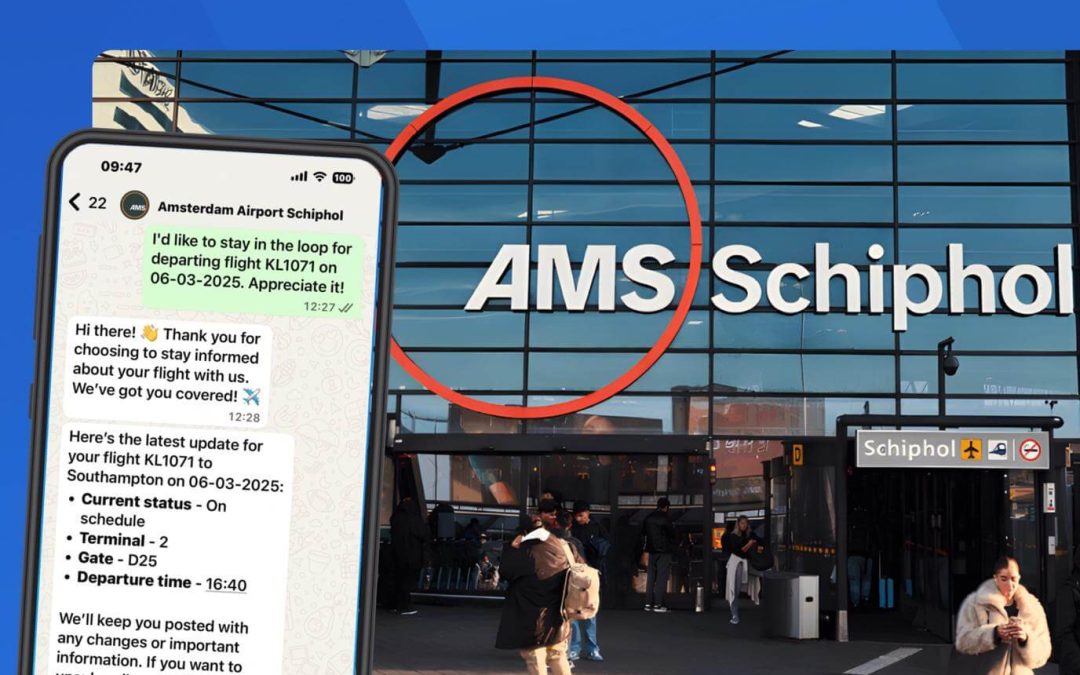
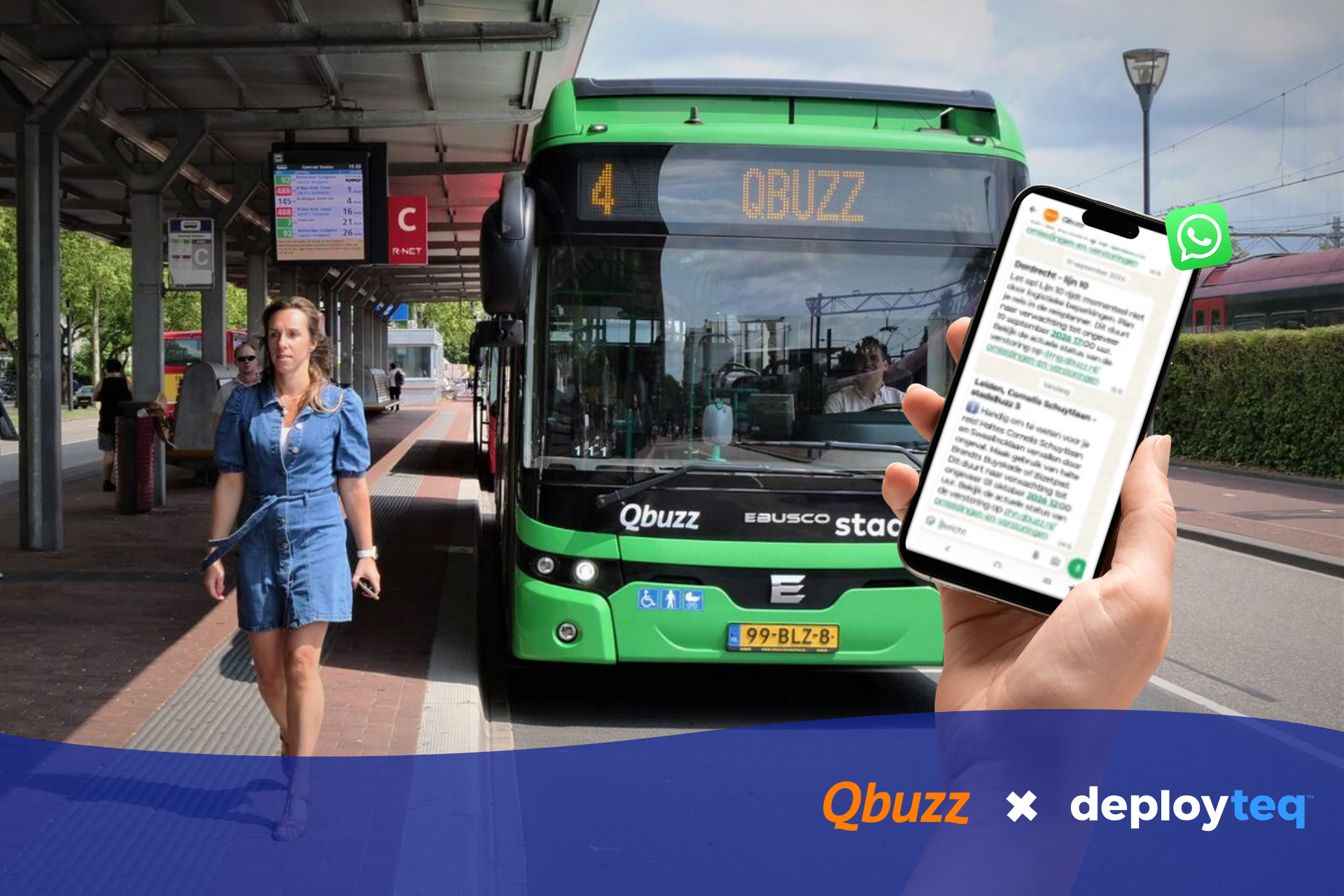
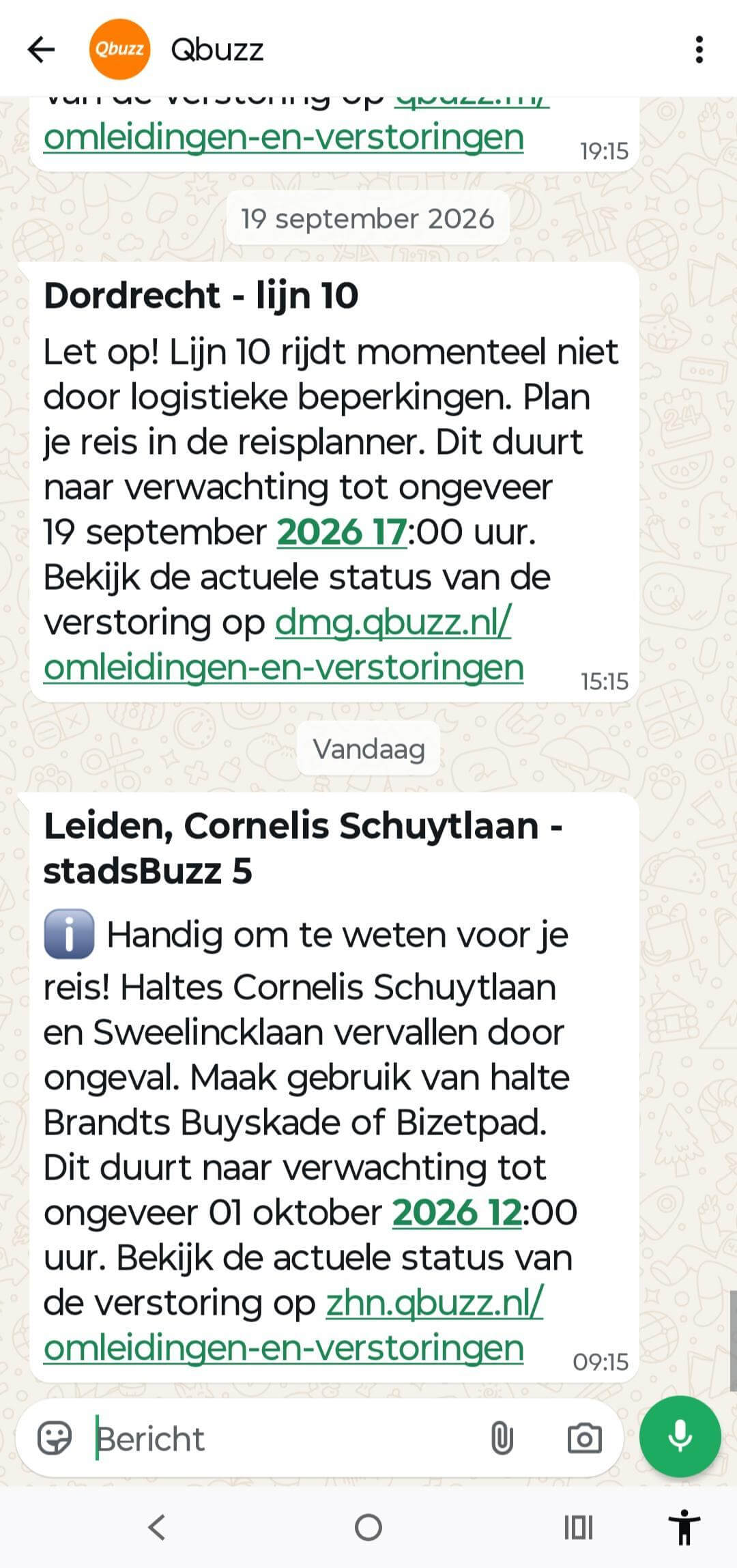
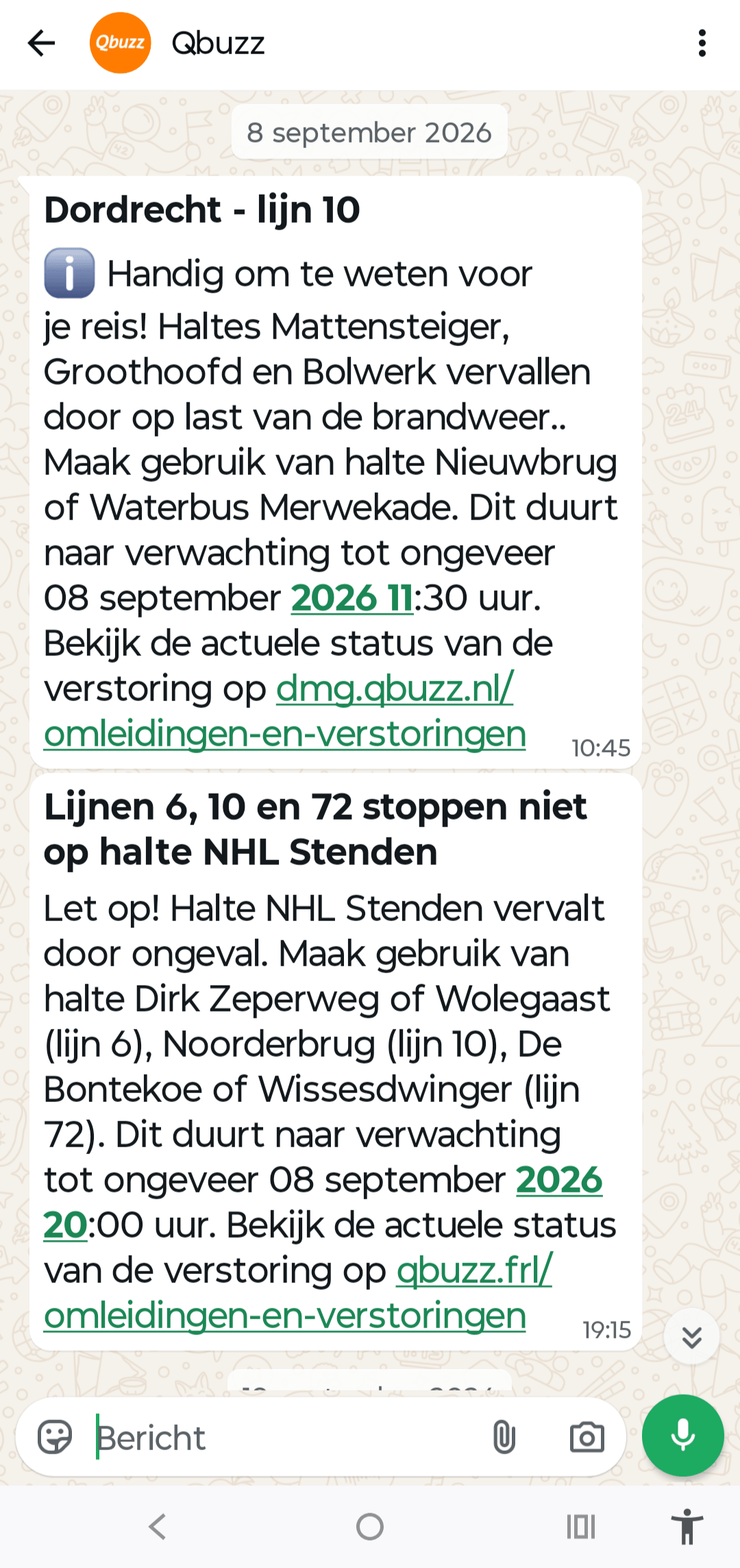
Qbuzz launched a new personalized WhatsApp service that allows travelers to specify the bus stops and bus lines that are relevant to their daily journeys.
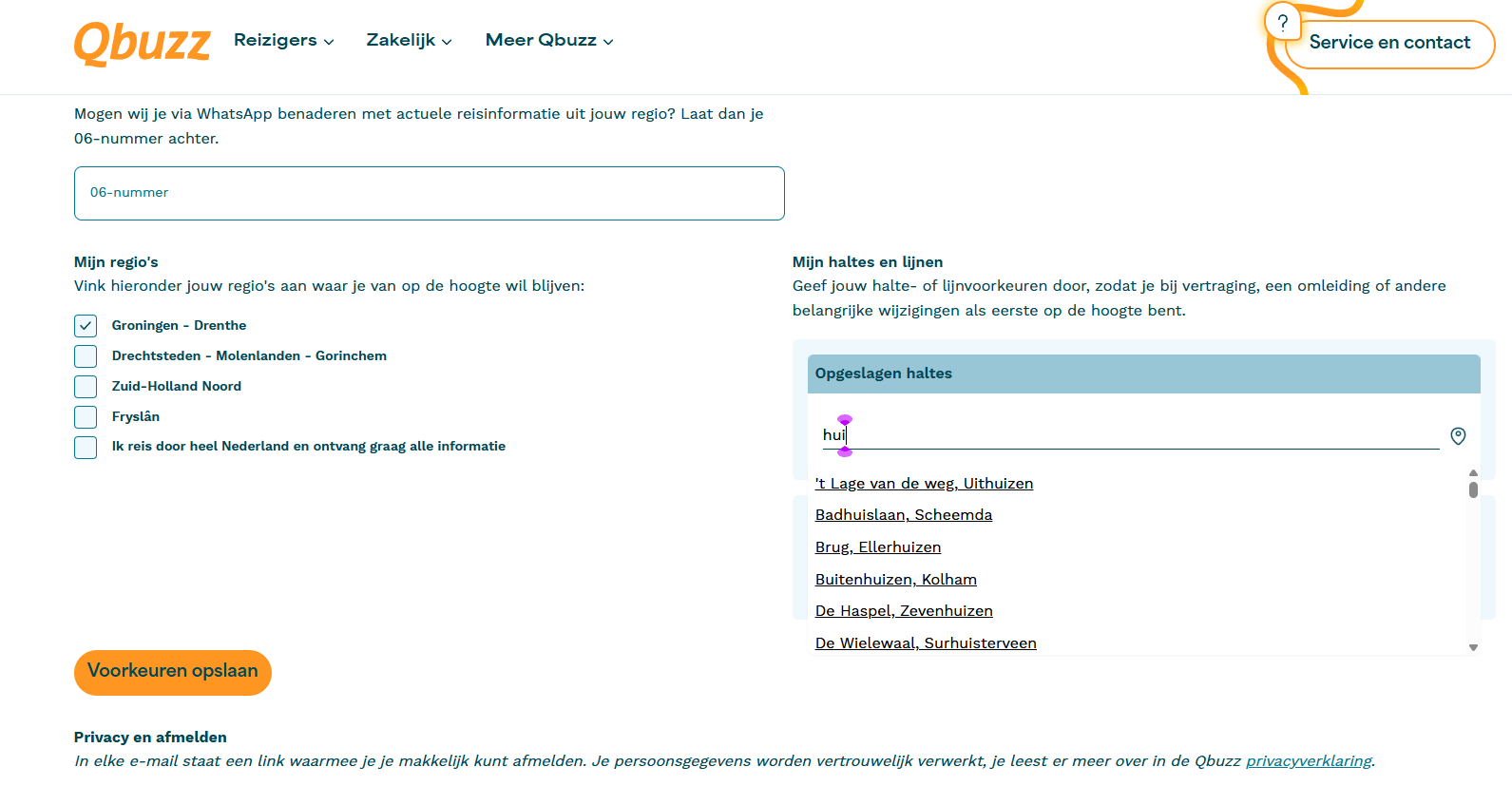
Rather than communicating at a regional level, Qbuzz now sends disruption notifications based on each passenger’s individual travel preferences. Travelers can select specific stops and lines through a preference center, ensuring they only receive updates that directly impact their route.
When a disruption occurs, Qbuzz automatically identifies which passengers are affected and sends a WhatsApp notification to the relevant audience only.
This approach transforms disruption communication from a broad broadcast into a highly targeted customer experience. Instead of filtering through irrelevant updates, passengers receive the information they need, exactly when they need it.
How Deployteq made it possible
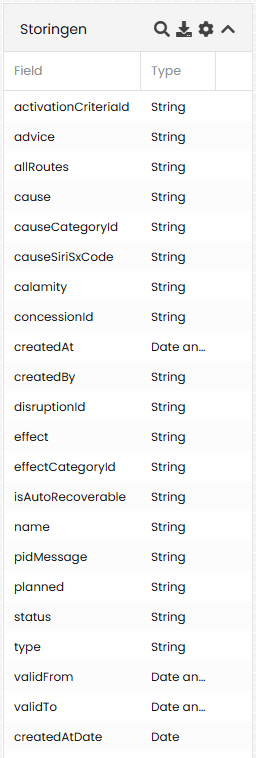
Qbuzz already had access to real-time disruption data, including affected routes, bus lines, stops, timings, and disruption status. Whenever a new disruption occurs, this information is automatically sent to Deployteq via a webhook.
Deployteq then takes care of the rest:
- Receives disruption data in real time.
- Matches the disruption against passenger preferences.
- Identifies which travelers are affected.
- Verifies WhatsApp opt-in status.
- Automatically sends a personalized WhatsApp notification.
The solution works by connecting two key data sources:
Travel disruption data
- Affected routes and bus lines
- Bus stop information
- Disruption status and type
- Start and end times
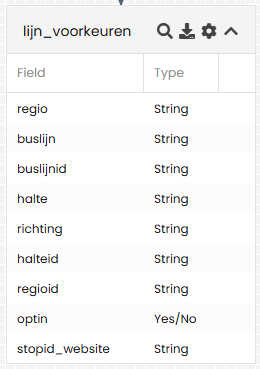
Passenger preference data
- Selected bus lines
- Selected bus stops
- Regional preferences
- WhatsApp opt-in settings
By combining these datasets, Deployteq ensures every traveler receives only the updates that are relevant to their journey. Dynamic message templates automatically populate disruption details, removing the need for manual intervention.
The result is a fully automated system that delivers timely, personalized travel updates at scale while reducing operational effort for the Qbuzz team.
The results
719 travelers subscribed to personalized WhatsApp disruption updates since the pilot.
The service achieved an opt-in rate of approximately 6% among the 12,000 newsletter subscribers invited to participate.
1,678 personalized disruption notifications have been delivered through WhatsApp since launch.
On average, subscribers received more than two relevant travel updates each, demonstrating active use of the service.
The automated workflow enables Qbuzz to deliver timely, personalized communications at scale without increasing operational workload.
While the pilot is still in its early stages and long-term performance metrics are being evaluated, the project has already established the foundation for significantly more relevant passenger communications and a better customer experience.
Learnings & takeaways
For public transport organizations, relevance is often more important than reach.
Travelers do not need more notifications; they need the right notifications.
The Qbuzz project demonstrates how operational data can be transformed into valuable customer communications when combined with preference-based segmentation and real-time automation.
Key takeaways from the project include:
Automated triggers enable rapid communication without creating additional workload for operational teams.
Preference centers empower customers to decide which information they want to receive.
WhatsApp can be an effective service channel when communications are highly targeted and contextually relevant.