Turning a first-time buyer into a repeat customer is one of the highest-leverage moves in modern retention marketing. Acquisition costs are rising, and the brands winning on LTV are the ones that treat the post-purchase moment as the start of a relationship, not the end of a transaction.
This guide walks you through exactly how to build that retention engine, from mapping the journey to measuring what works. Follow these steps and you will have a structured, automated flow that converts one-time buyers into loyal customers.
Map the Post-Purchase Journey Before Automating It
Before you build a single trigger or write a single email, map out what the customer actually experiences after they buy. This is your foundation. Automating a broken or incomplete journey just delivers a bad experience faster.
Start by identifying every touchpoint between purchase confirmation and the moment a customer could realistically buy again. Think about delivery windows, product usage timelines, and natural re-engagement moments. A customer who buys a skincare product has a different replenishment cycle than someone who books a holiday or takes out an insurance policy.
- List every post-purchase communication your brand currently sends (transactional emails, SMS, push notifications).
- Identify the gaps where customers go silent and you have no touchpoint.
- Define the realistic time-to-repurchase for your product category based on historical order data.
- Mark the moments of highest intent, such as product delivery, first use, and the halfway point of a subscription cycle.
Once mapped, you will see exactly where your retention flow needs to start, where it needs to accelerate, and where it currently drops off. That clarity makes everything that follows much faster to build.
Segment First-Time Buyers Based on Purchase Signals
Not all first-time buyers are equal. A customer who spent three times your average order value on their first visit behaves very differently from someone who bought a single discounted item. Smart segmentation means your retention messaging is relevant from day one.
Pull your first-time buyer segment and cut it by the signals that predict future behaviour. The goal is to create sub-groups that will respond to different messaging strategies, not to over-engineer your data.
- Purchase category: What product line did they enter through? This signals interest and informs your next-best-offer logic.
- Order value: High AOV first-timers are strong candidates for loyalty programme onboarding.
- Acquisition channel: Paid social buyers behave differently from organic search or referral customers.
- Engagement before purchase: Did they browse multiple categories or go straight to checkout? That tells you how considered the purchase was.
With these segments defined, you can personalise your post-purchase flow without manually writing dozens of variations. Your email marketing platform should be able to trigger the right variant automatically based on these attributes at the point of send.
Build a Post-Purchase Email Sequence That Drives Return Visits
The post-purchase email sequence is the backbone of your customer retention strategy. It needs to do more than confirm the order and go quiet. A well-built sequence moves the customer from satisfaction to anticipation of their next interaction with your brand.
Email one: Confirmation and onboarding (day 0-1)
Send the transactional confirmation immediately, but layer in a warm welcome that sets expectations. Tell them what happens next, introduce your loyalty programme if you have one, and give them a reason to come back to your site before the product even arrives.
Email two: Value reinforcement (day 3-5)
Once the product is in their hands, send content that helps them get more from it. For retail, this might be styling tips or complementary product suggestions. For travel, it could be destination guides or pre-trip checklists. This positions your brand as genuinely useful, not just transactional.
Email three: Social proof and community (day 10-14)
Introduce reviews, user-generated content, or community touchpoints. This reinforces that they made a good decision and builds emotional connection to the brand before you make your next commercial ask.
Email four: Re-engagement offer (day 21-30)
This is your first deliberate nudge toward a second purchase. Use what you know about their first order to make the recommendation specific. A generic “shop our new arrivals” email is far less effective than “based on your recent purchase, you might love these.”
Verify the sequence is working by checking open rates, click-through rates, and most importantly, the second-purchase rate within 60 days of the first order. If that number is not moving, the sequence needs refinement.
Add Cross-Channel Touchpoints to Reinforce Retention
Email does the heavy lifting, but retention is stronger when it is reinforced across channels. Customers interact with your brand in multiple places, and a coordinated cross-channel approach keeps you present without being intrusive.
With your post-purchase journey already mapped, identify which moments benefit from a channel other than email. Not every touchpoint needs to be an email, and some customers simply engage more readily via SMS or push.
- SMS: Use for time-sensitive moments, such as a delivery update, a flash sale for existing customers, or a loyalty point milestone alert.
- Push notifications: Effective for app-based brands. Trigger a push when a wishlist item comes back in stock or when a personalised offer is ready.
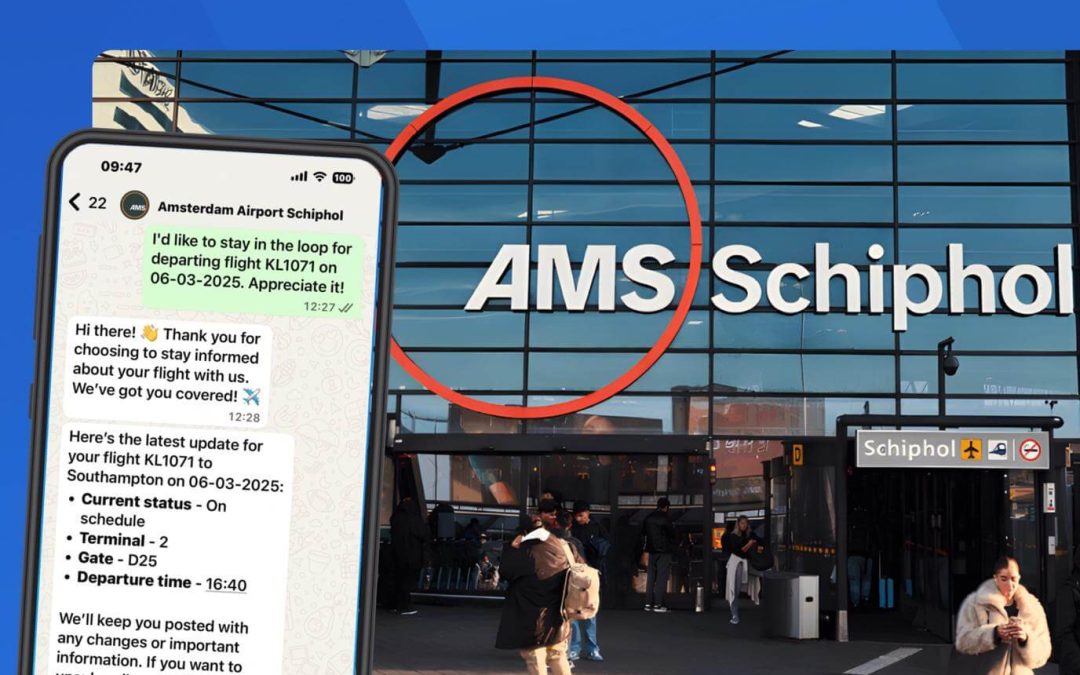
- WhatsApp: For high-consideration categories like travel or finance, WhatsApp can carry richer, more conversational content that email cannot replicate.
- Paid retargeting: Use your CRM data to suppress recent buyers from acquisition ads and instead serve them retention-focused creative.
The key is coordination. A customer should not receive an email and an SMS with conflicting messages on the same day. Map your channel cadence alongside your email sequence so every touchpoint reinforces the same narrative. A marketing automation platform with a unified journey builder makes this significantly easier to manage at scale.
Measure Whether First-Time Buyers Are Converting to Repeat Customers
You cannot optimise what you do not measure. Set up a clear reporting framework before your retention flow goes live so you have a baseline to improve against.
The primary metric is your repeat purchase rate within a defined window, typically 60 or 90 days from first order. But that single number needs context to be actionable.
- Track repeat purchase rate by first-purchase segment so you can see which buyer types convert best.
- Measure time-to-second-purchase to understand whether your sequence is accelerating the decision or whether customers are returning independently of your emails.
- Monitor email engagement metrics (open rate, click rate, unsubscribe rate) at each step of the sequence to identify where drop-off occurs.
- Calculate LTV at the 90-day and 180-day marks for customers who entered your retention flow versus those who did not.
Review these numbers monthly. If your repeat purchase rate is flat but engagement is high, your emails are interesting but not converting. If engagement is low, the content or timing needs work. The data will tell you which problem you are solving.
Optimise Your Retention Flow With Predictive Insights
Once your retention flow has been running for a few months, you have enough data to move from reactive to predictive. This is where customer retention strategy shifts from good to genuinely competitive.
Predictive modelling uses your existing purchase and engagement data to anticipate what a customer will do next, before they do it. Rather than sending the same re-engagement email to everyone at day 30, you can trigger it earlier for customers who show early signs of disengagement, or hold it back for customers who are already browsing your site again.
- RFM analysis (Recency, Frequency, Monetary): Identify which first-time buyers are trending toward high-value status and prioritise them for loyalty programme invitations.
- Next-best-offer modelling: Use purchase history and browsing behaviour to predict the product category most likely to drive a second conversion for each individual.
- Churn prediction: Flag customers who are approaching the end of their expected repurchase window without re-engaging, and trigger a targeted win-back before they lapse.
Apply these insights directly in your customer data platform so that predictions translate into automated actions without manual intervention. The goal is a retention flow that gets smarter over time, not one that requires constant rebuilding.
How Deployteq Helps You Convert First-Time Buyers Into Loyal Customers
Everything described in this guide, from journey mapping to predictive modelling, is built into how we have designed Deployteq. We built the platform specifically for marketers who need to move fast, stay personalised, and prove retention results to the business.
Here is what Deployteq gives you to execute this strategy:
- A unified journey builder that lets you design and automate post-purchase flows across email, SMS, WhatsApp, push, and web from a single canvas.
- Smart segmentation that automatically groups first-time buyers by purchase signals, so your messaging is relevant from the first send.
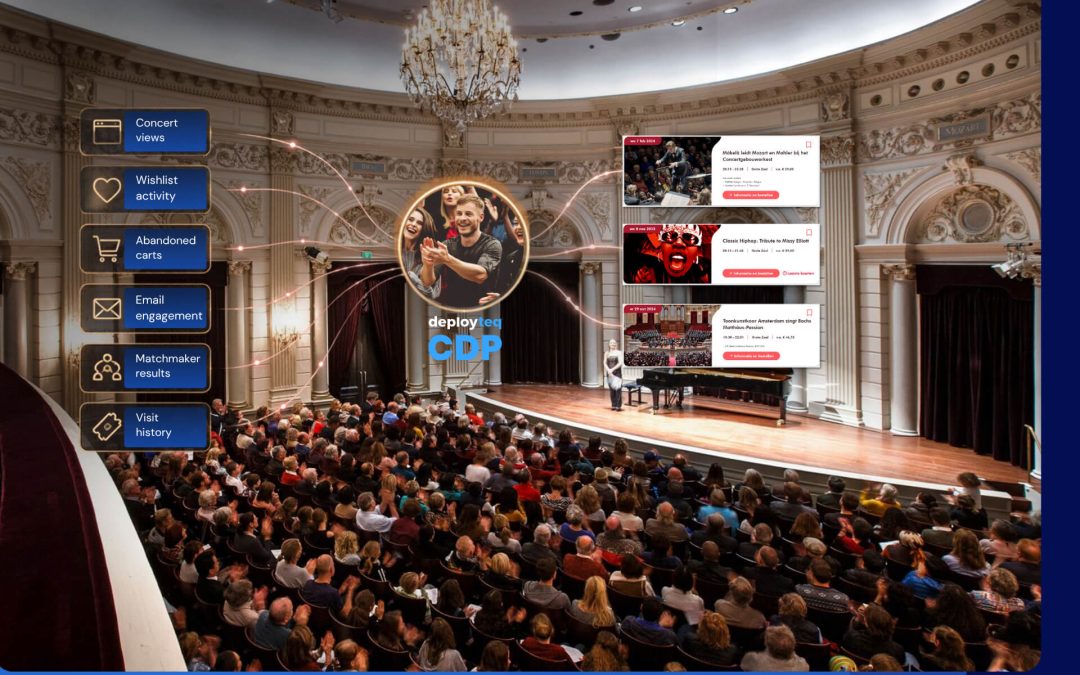
- Built-in CDP with predictive modelling, including RFM analysis, next-best-offer logic, and churn prediction, so your retention flow improves with every data point.
- Cross-channel coordination that ensures every touchpoint in your retention sequence works together, not against each other.
- Real-time reporting on repeat purchase rates, LTV, and sequence performance, so you always know what is working and where to optimise.
If you are ready to stop leaving repeat revenue on the table, explore what Deployteq can do for your retention strategy. Book a personalised demo and we will walk you through exactly how it works for your sector.