Your customers don’t live in a single channel. They browse your app on the commute, open an email at lunch, and click a push notification before bed. If your campaigns treat each of those moments as separate events, you’re leaving serious engagement on the table. The real opportunity in 2026 is building omnichannel campaigns that respond to what customers actually do, across every channel, in real time.
This guide walks you through the mechanics of signal-driven omnichannel marketing, from understanding what live cross-channel signals are to building your first campaign around them, to scaling the approach over time. Each section builds on the last, so by the end you’ll have a clear, practical framework to take back to your team.
What are live cross-channel signals?
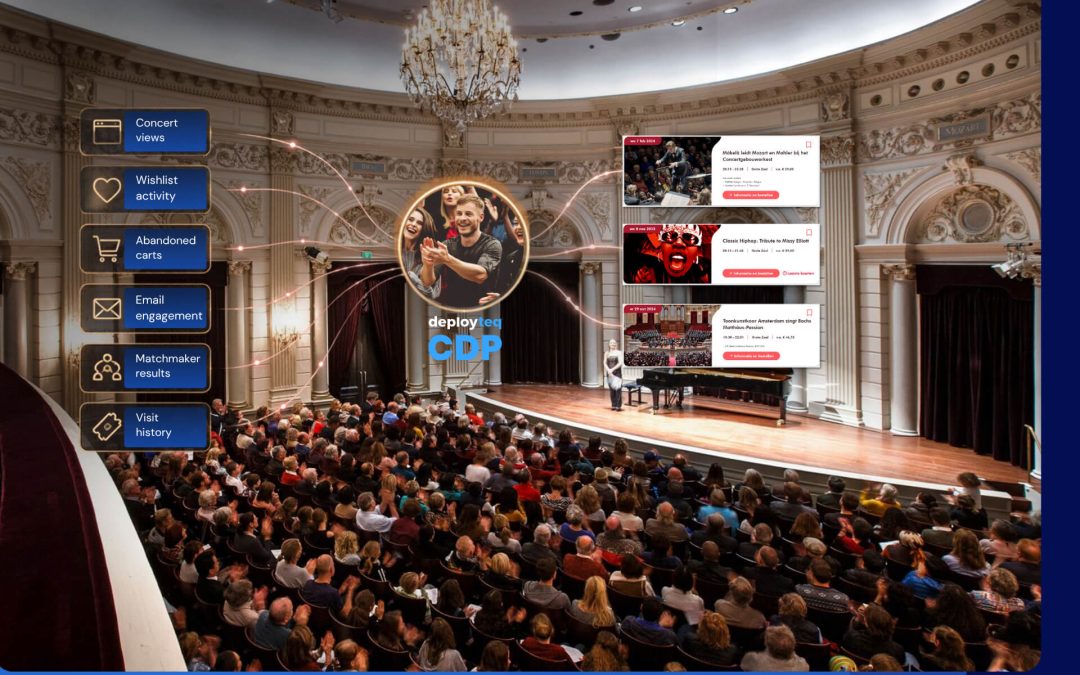
A live cross-channel signal is any real-time data point that tells you how a customer is behaving right now, regardless of which channel generated it. It’s the difference between knowing a customer bought something three months ago and knowing they just abandoned a basket, opened an SMS, and ignored your last two emails.
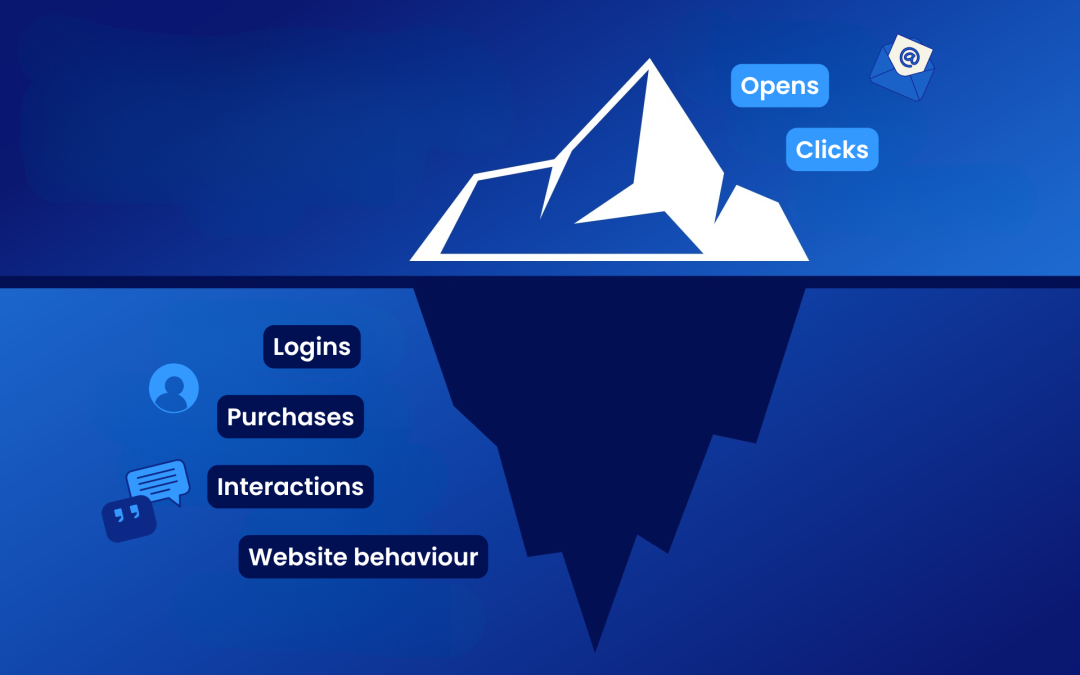
Signals come from everywhere: email opens and clicks, app sessions, web browsing behaviour, SMS responses, push notification dismissals, and even in-store activity if your data pipeline supports it. The “live” part is critical. A signal that reaches your platform 24 hours later is historical data. A signal that arrives within seconds is something you can act on.
For example, a travel brand might capture a signal when a logged-in user views a holiday destination three times in one session. That behavioural signal, combined with their loyalty tier and past booking window, creates a rich trigger for a personalised follow-up across whichever channel they’re most likely to engage with next.
How omnichannel campaigns use signals to adapt in real time
A traditional campaign runs on a fixed schedule: send email on Tuesday, follow up on Thursday. A signal-driven omnichannel campaign runs on customer behaviour, not a calendar. The moment a signal fires, the campaign logic evaluates it and decides what to do next.
This is where omnichannel marketing moves beyond multi-channel. Multi-channel means being present on several channels. Omnichannel means those channels share data and respond to each other. If a customer ignores an email but opens an SMS twenty minutes later, a true omnichannel system recognises that and adjusts the next touchpoint accordingly.
The practical result is a campaign that feels less like a broadcast and more like a conversation. For a retail brand, this might look like: a browse signal triggers an email, no open after four hours triggers a push notification, a push click triggers a personalised landing page with the exact product viewed. Each step is informed by the last.
Key components of a signal-driven campaign architecture
Building a campaign architecture that can process and act on live signals requires several components working together. Missing any one of them creates gaps where signals get lost or misrouted.
Unified customer data
Every signal needs a home. A customer data platform consolidates behavioural, transactional, and demographic data into a single customer profile. Without this, signals from different channels create fragmented, contradictory pictures of the same person.
Real-time triggers
Your platform must be able to receive a signal and fire a campaign action within seconds, not hours. Batch processing kills the relevance of live signals. Real-time triggers are the connective tissue between what a customer does and what your campaign does next.
Channel-specific logic
Each channel has different engagement patterns. Email suits longer consideration, SMS demands brevity, push notifications require precise timing. Your campaign architecture needs channel-specific rules so the right message format reaches the customer at the right moment.
Suppression and frequency controls
Signal-driven campaigns can fire frequently. Without suppression logic, a highly engaged customer can receive five messages in an hour. Build in rules that cap contact frequency and suppress channels a customer has recently engaged with, to avoid fatigue.
Build your first omnichannel campaign around live signals
Start with a single, high-value customer journey rather than trying to wire up every channel at once. A cart abandonment flow is a strong starting point because the signal is clear, the intent is high, and the business case is easy to measure.
- Define your trigger signal: Identify the exact event that starts the journey, for example, a basket is abandoned after a minimum of two items and a session of at least three minutes.
- Map the channel sequence: Decide which channel fires first based on your audience data. If email open rates are strong, start there. If SMS response rates are higher for your segment, lead with that.
- Set conditional branches: Build logic that checks whether the first message was opened before sending the next. An opened-but-not-clicked email should lead somewhere different from a completely ignored one.
- Add suppression rules: If the customer converts at any point, exit them from the journey immediately across all channels.
- Test with a small segment first: Run the campaign on a controlled group, review signal response rates, and refine the timing and channel order before scaling.
Building on the unified data principles covered above, make sure every branch of your journey pulls from the same customer profile so channel decisions are always informed by the full picture, not just the last touchpoint.
Common mistakes that break cross-channel signal logic
Even well-designed signal-driven campaigns fail when a few key mistakes creep in. Knowing what to watch for saves significant debugging time later.
- Siloed channel data: If your email platform and SMS platform don’t share data, signals from one channel can’t inform decisions in the other. This is the most common cause of customers receiving contradictory messages simultaneously.
- Treating all signals equally: A product view and a checkout initiation carry very different levels of intent. Assign signal weights so your campaign logic responds proportionally.
- Ignoring negative signals: An unsubscribe from email, a push notification opt-out, or a repeated SMS ignore are signals too. Campaigns that don’t process negative signals burn through goodwill fast.
- Over-triggering on low-intent signals: Not every page view deserves a follow-up message. Set minimum thresholds, such as time on page, number of sessions, or scroll depth, before a signal qualifies as a campaign trigger.
- No exit conditions: A journey without clear exit logic can trap a converted customer in a campaign designed to convert them. Always define what ends a journey, not just what starts it.
Scale and refine signal-driven campaigns over time
Once your first signal-driven journey is running, the goal shifts from building to optimising. Scaling effectively means adding complexity gradually rather than all at once.
Start by expanding the number of signals your platform listens for. A cart abandonment trigger is one signal. Add loyalty status changes, post-purchase inactivity windows, and seasonal browse patterns, and your campaign architecture becomes progressively smarter without requiring a full rebuild.
Use performance data to recalibrate channel weighting. If push notifications are driving stronger re-engagement than email for a particular segment, adjust the sequence. Signal-driven campaigns are not set-and-forget; they improve as you feed them better data and sharper logic. An automated marketing workflow makes this kind of ongoing refinement far more manageable at scale.
For entertainment brands running high-frequency engagement, this might mean testing whether a content-based signal, such as a specific genre browsed repeatedly, produces better LTV outcomes than a recency-based trigger alone. The answer is in your data, and the architecture you’ve built gives you the means to test it systematically.
How Deployteq powers signal-driven omnichannel campaigns
Everything covered in this guide, from unifying signals to building conditional journeys across channels, is exactly what we built Deployteq to do. Our omnichannel marketing automation platform connects email, SMS, push notifications, and more in a single environment, so your signal logic never gets lost between tools.
Here is what that looks like in practice:
- Real-time triggers: Activate journeys the moment a signal fires, with no batch delay.
- Unified customer profiles: Every channel reads from and writes to the same customer record, so your campaign logic always has the full picture.
- Smart segmentation: Use RFM modelling, next-best-offer logic, and predictive insights to weight signals and personalise at scale.
- Cross-channel journey builder: Design conditional, multi-step journeys with the flexibility to add channels and signals as your strategy matures.
- Built-in suppression controls: Frequency caps and exit conditions are native to the platform, not an afterthought.
If you’re ready to move from static campaigns to journeys that respond to your customers in real time, book a personalised demo and we’ll show you exactly how it works for your sector.