Most marketing automation programmes start with the best intentions. You build a welcome flow, set up a few triggers, and watch the sends go out. But somewhere between the segmentation logic and the scheduled campaigns, something shifts. The messages keep landing. The engagement does not. If your automation is running smoothly but your customers feel like they are being processed rather than spoken to, this guide is for you.
The difference between automation that converts and automation that irritates comes down to one thing: whether your flows are built around your customers or around your calendar. Here are seven practical ways to close that gap.
When automation starts working against engagement
Automation is not the problem. Poorly configured automation is. When flows are built once and left to run indefinitely, they stop reflecting real customer behaviour. A win-back email sent to someone who purchased yesterday, a cart recovery sequence that fires on a product already returned, a loyalty message sent to a churned customer, these are not edge cases. They are what happens when marketing automation runs without regular review.
The good news is that the fix is not a full rebuild. It is a smarter approach to how you structure segments, map journeys, and use the data you already have.
1: Build segments that reflect real customer behaviour
Static lists age quickly. A segment built on purchase history from six months ago tells you who your customer was, not who they are now. Behavioural segmentation, based on real-time signals like browsing activity, email engagement, purchase frequency, and channel preference, gives you something you can actually act on.
Move beyond demographic splits and start building dynamic segments that update automatically as behaviour changes. A travel brand, for example, might segment by destination interest based on page visits rather than by age or location. That shift alone can dramatically improve relevance.
The goal is segments that are tight enough to be meaningful and flexible enough to stay current. If a segment has not refreshed in 30 days, it probably needs a rethink.
2: Map automation to the full customer journey
Most automation programmes are strong at the top of the funnel and thin everywhere else. Welcome flows are polished. Post-purchase sequences? Often an afterthought. Loyalty and re-engagement? Frequently missing altogether.
Mapping your automation to the full customer lifecycle, from first touch to long-term retention, reveals the gaps where customers are falling through without a single relevant message. Think about the moments that matter: first purchase, repeat purchase, lapsed behaviour, anniversary, high LTV threshold crossed.
Each of those moments is an opportunity to deepen the relationship. Build flows that respond to lifecycle stage, not just the last click.
3: Personalise beyond first-name tokens
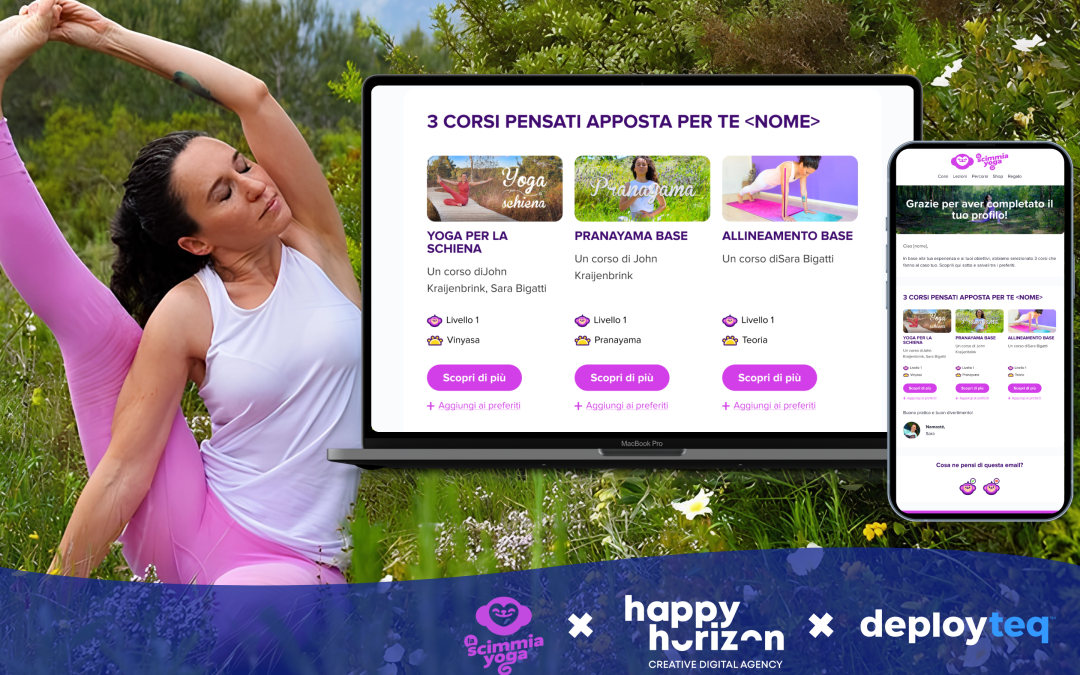
Personalisation that stops at “Hi [First Name]” is not personalisation. It is mail merge. True personalisation means delivering content that reflects what a customer has done, what they are likely to want next, and what stage of the relationship they are in with your brand.
Dynamic content blocks let you serve different product recommendations, offers, or messaging to different segments from a single campaign send. A retail brand can show winter coats to one segment and running gear to another, all from the same email build. No duplication, no separate sends.
Start with the highest-volume flows you already have and ask: what would make this message feel like it was written specifically for this person? Then build the logic to get there.
4: What channels does your audience actually use?
Channel preference is one of the most underused data points in automation. Sending every message via email because it is the easiest channel to manage is not a strategy. It is a default.
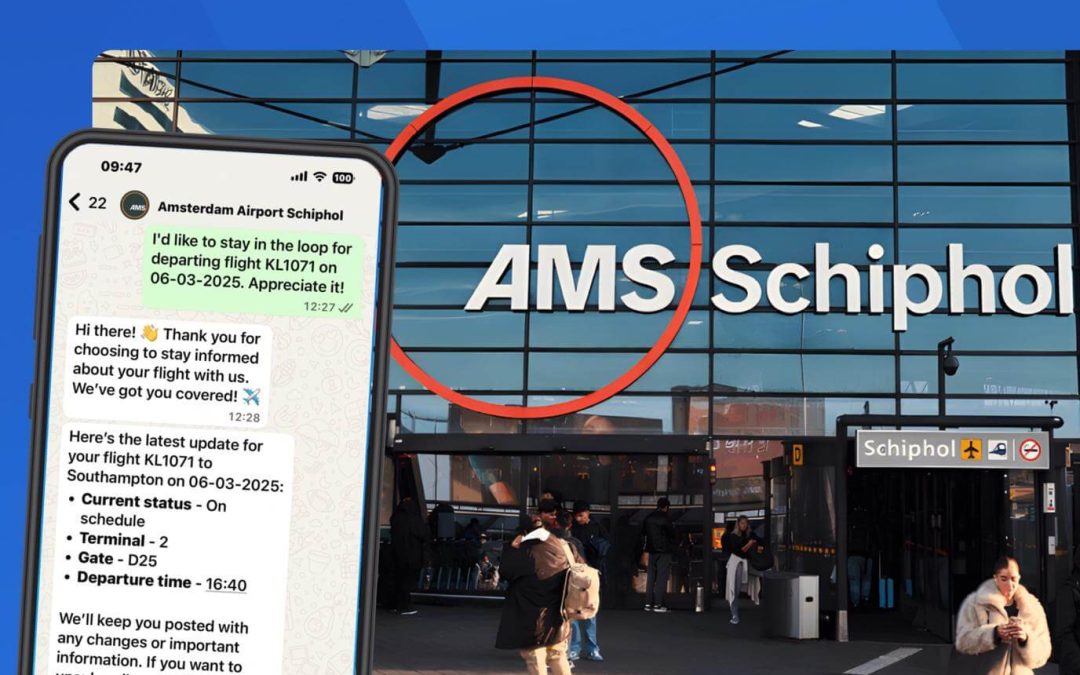
Look at where your customers actually engage. Some segments respond to SMS for time-sensitive offers. Others prefer push notifications for app-based updates. WhatsApp is increasingly effective for high-intent moments in retail and entertainment. The channel should follow the customer, not the other way around.
Cross-channel automation does not mean sending everywhere at once. It means sending the right message through the channel each customer is most likely to act on. Suppressing email for customers who consistently open SMS is a simple change that can meaningfully lift overall engagement rates.
5: Use predictive insights to act before customers churn
Churn is rarely sudden. There are almost always signals in the data before a customer disengages: declining open rates, longer gaps between purchases, reduced session frequency. The challenge is identifying those signals early enough to act on them.
Predictive modelling, including RFM (Recency, Frequency, Monetary) analysis and next-best-offer logic, helps you identify customers who are drifting before they disappear. An entertainment brand might use these signals to trigger a personalised offer before a subscription lapses. A finance brand might use them to surface a relevant product at the moment a customer is most likely to consider switching.
Acting on predictive insights means shifting from reactive automation (responding to what customers do) to proactive engagement (anticipating what they need next).
6: Unify customer data to eliminate blind spots
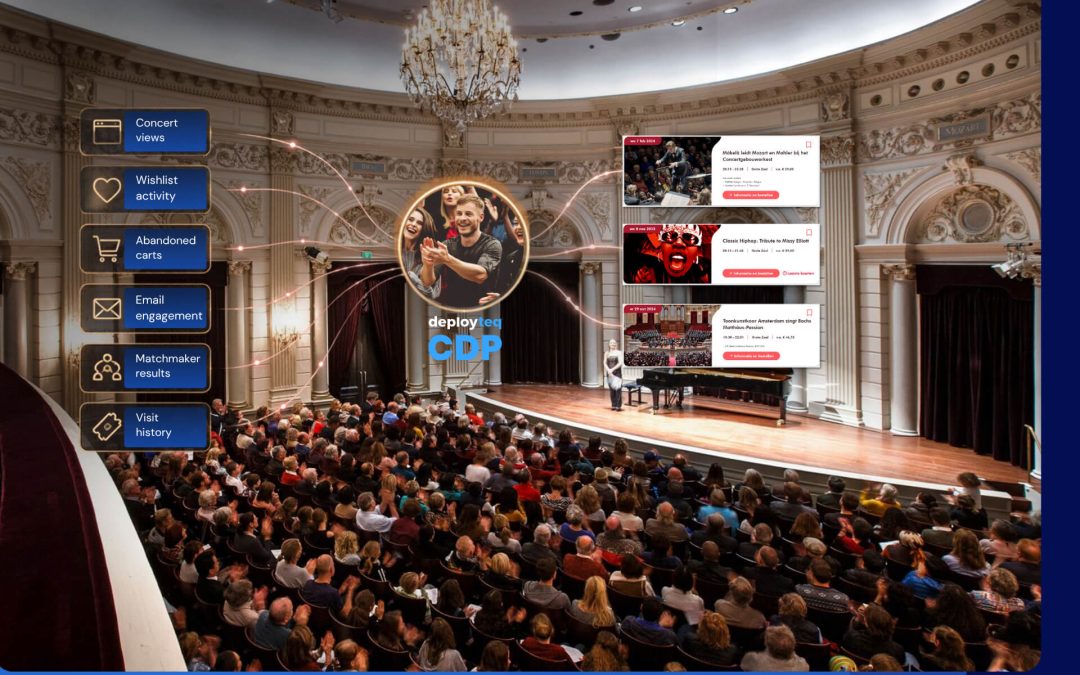
Fragmented data is the single biggest barrier to effective customer data activation. When purchase history lives in your ecommerce platform, email behaviour sits in your ESP, and CRM data is managed separately, you end up with multiple incomplete pictures of the same customer.
Unifying that data into a single customer profile means your automation can respond to the full picture. A customer who browsed a holiday package, opened a destination email, and then visited your pricing page is showing strong intent. Without unified data, those three signals look like three unconnected events. With it, they trigger a well-timed, highly relevant follow-up.
Data unification is not a one-time project. It requires ongoing governance to ensure profiles stay accurate and actionable as customer behaviour evolves.
7: Test, learn, and iterate every automated flow
Automated flows are not set-and-forget assets. They are living programmes that need regular testing to stay effective. Subject line tests are a start, but the most valuable experiments happen at the flow level: timing, sequence length, message frequency, channel mix, and content type.
Build a structured testing calendar for your highest-volume flows. Prioritise by potential impact, a 5% lift in a flow that sends 50,000 messages a month is worth more than a 20% lift in a flow that sends 500. Document what you test, what you learn, and what you change as a result.
Iteration is how good automation becomes great automation. The brands that consistently outperform their benchmarks are the ones that treat every flow as a hypothesis, not a finished product.
How Deployteq helps you turn automation into engagement
Everything described above requires a platform that can keep up. Deployteq is built specifically for marketers who need to move fast without sacrificing precision. Here is what that looks like in practice:
- Smart segmentation: Build real-time, dynamic segments based on behavioural data, purchase history, and engagement signals, all updated automatically.
- Cross-channel journeys: Design and deploy flows across email, SMS, WhatsApp, push, and web from a single journey builder, with full flexibility over logic and timing.
- Advanced personalisation: Use dynamic content blocks and smart logic to deliver hyper-personalised messages at scale, without duplicating campaign builds.
- Predictive insights: Leverage RFM modelling, next-best-offer logic, and churn prediction to act on customer signals before it is too late.
- Unified customer data: Our Customer Data Platform consolidates data from every source into a single, actionable customer profile that powers every campaign.
- A/B testing built in: Test flows, content, timing, and channels directly within the platform, with clear reporting to inform your next iteration.
If your current platform is making any of this harder than it should be, it is worth seeing what a purpose-built solution looks like. Book a personalised demo and we will show you exactly how Deployteq works for your sector and your data.