Marketing automation started as a way to send the right email at the right time. In 2026, it is doing something far more ambitious: building genuine, ongoing relationships between brands and customers at scale. The shift is not just technical. It reflects a change in what marketers actually need from their platforms. Campaigns are still important, but they are no longer the whole story.
The platforms that are pulling ahead are the ones that have evolved beyond scheduling and sending. They are becoming customer engagement platforms, connecting data, channels, intelligence, and activation in one place. Here are seven reasons why that shift is happening, and what it means for how you work.
When automation outgrows the campaign
For years, marketing automation meant building a sequence: trigger an email, wait a few days, send a follow-up. That logic works for simple funnels. It breaks down the moment your customer base grows, your channels multiply, and your data starts living in five different places.
The campaign mindset treats each interaction as a standalone moment. The engagement mindset treats every interaction as part of a longer conversation. That distinction is what separates a tool from a platform, and it is why so many marketing teams are rethinking what they expect their automation software to actually do.
1: Unified data turns contacts into real customers
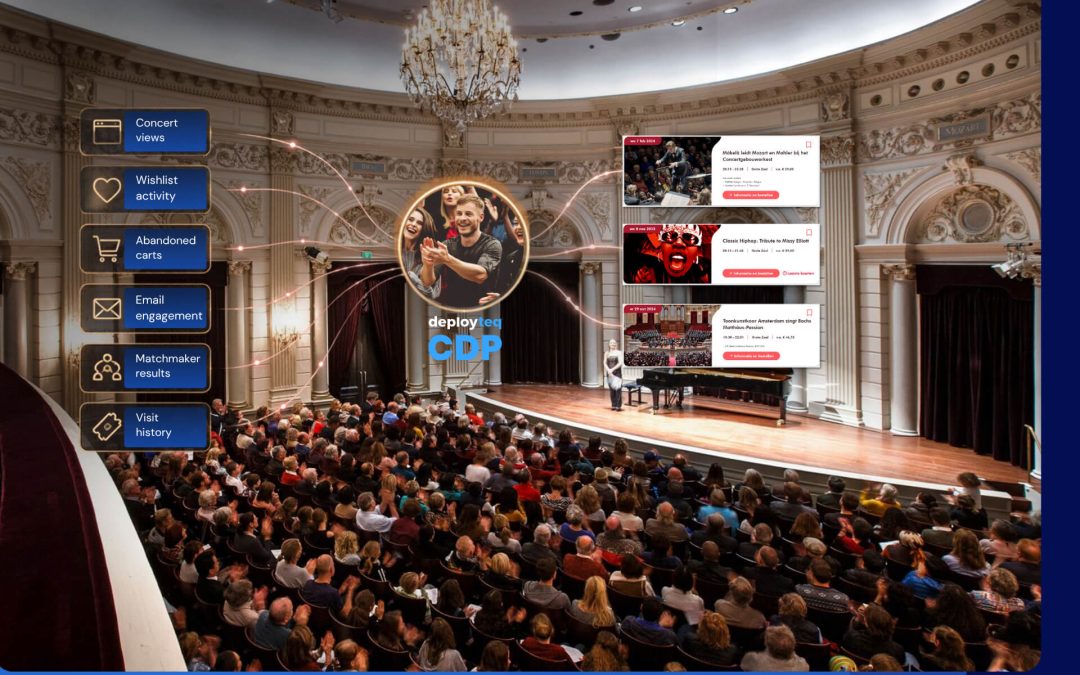
A contact record with an email address is not a customer profile. A real profile pulls in purchase history, browsing behaviour, loyalty status, support interactions, and channel preferences, and keeps that data current. Without unification, personalisation is just guesswork dressed up as targeting.
Unified data means your automation can respond to what a customer actually did, not just what segment they were placed in six months ago. When a retail customer buys a winter coat, the next touchpoint should reflect that, not serve them another coat recommendation because the segment has not updated yet.
The platforms making this shift treat data consolidation as a foundation, not a feature. Everything else, segmentation, journeys, personalisation, depends on how clean and connected that data layer is.
2: Cross-channel reach goes beyond email
Email remains the highest-ROI channel in digital marketing, and that is not changing. But customers do not live in their inboxes. They browse on mobile, respond to SMS for time-sensitive offers, engage with push notifications, and increasingly interact via WhatsApp. A platform that only handles email is leaving real engagement on the table.
Cross-channel automation means a single customer journey can span email, SMS, push, and web, with each channel playing the role it does best. SMS handles urgency. Email handles depth. Push handles re-engagement. WhatsApp handles two-way conversation. The key is orchestrating them from one place, not managing five separate tools.
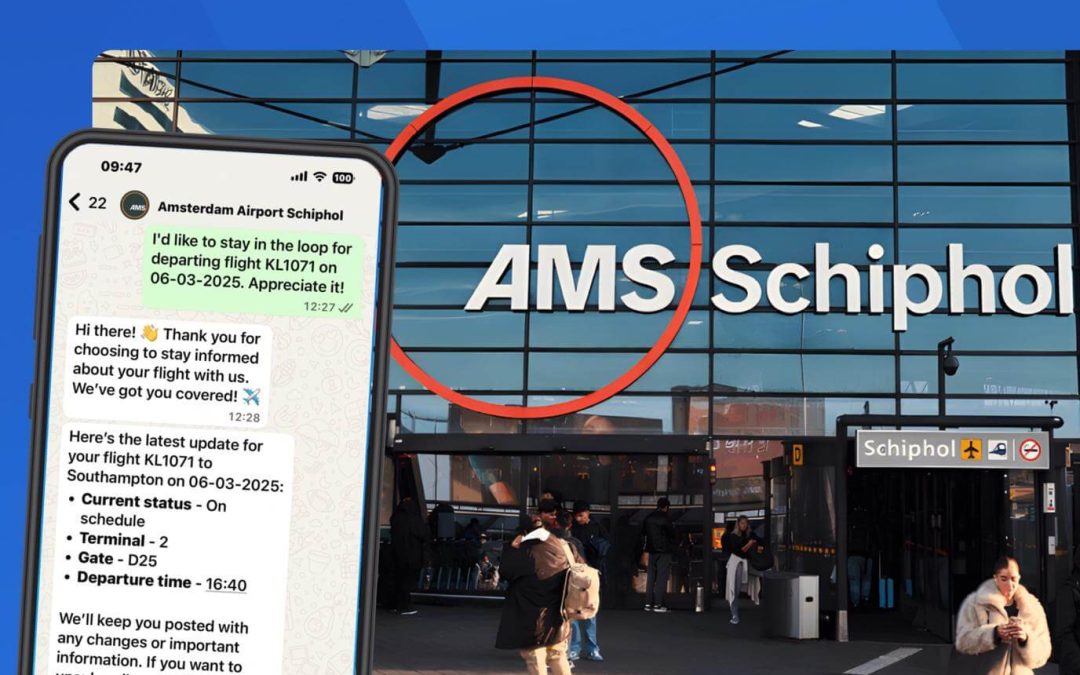
For travel brands, this looks like a booking confirmation via email, a day-before reminder via SMS, and a real-time gate change via push, all triggered from the same journey, all feeling seamless to the customer.
3: Segmentation now drives real-time personalisation
Static segments, built once, used for months, are a liability. Customer behaviour moves faster than quarterly segment reviews. Someone who browsed three times this week without converting is in a very different mindset from someone who last visited six months ago. Treating them the same way is a missed opportunity.
Real-time segmentation means your platform updates who is in a segment based on live behaviour, not a scheduled batch process. That shift unlocks personalisation that actually feels personal, because it is responding to what the customer just did, not what they did last quarter.
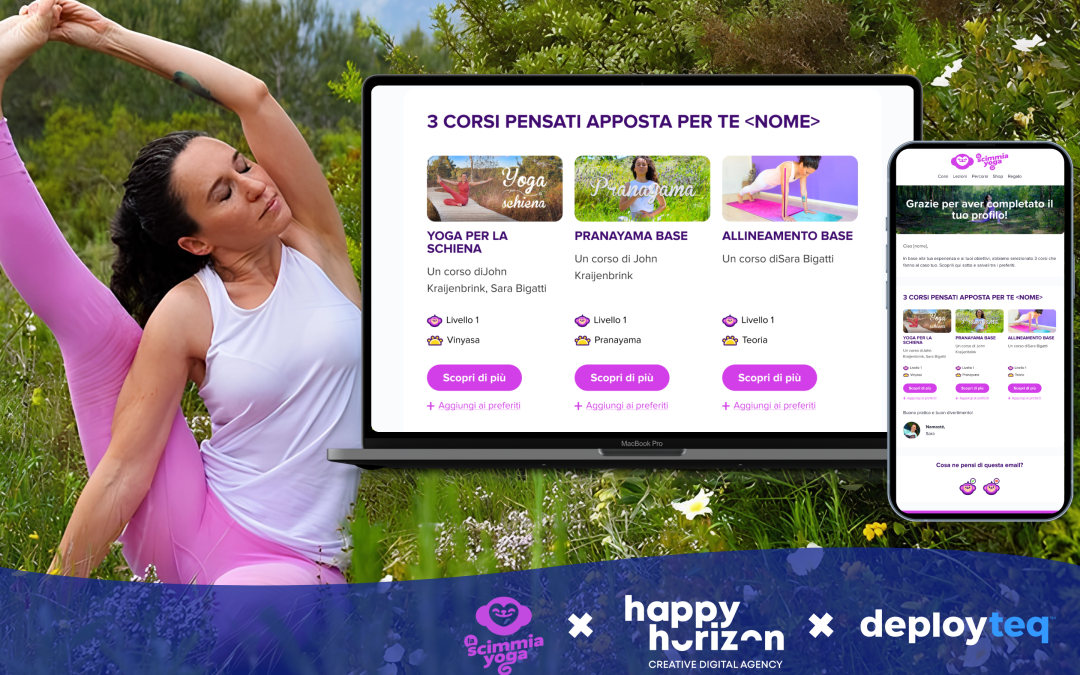
Advanced segmentation also enables hyper-personalised content at scale. Rather than building separate campaigns for every micro-segment, smart logic and dynamic content blocks let a single campaign deliver genuinely different experiences to different people, without duplicating your production effort.
4: Journey builders replace linear campaign logic
Linear drip sequences assume every customer follows the same path. They do not. A customer who opens every email behaves differently from one who only engages via SMS. A loyalty member responds to different triggers than a first-time buyer. Forcing everyone through the same sequence means most people get the wrong message at the wrong moment.
Modern journey builders are built around branching logic, conditional steps, and real-time decision points. If a customer completes a purchase mid-journey, the journey adapts. If they disengage, a different branch activates. The journey follows the customer, not the other way around.
This flexibility matters most in complex sectors like finance or insurance, where customer lifecycles are long, regulatory considerations shape communication, and the wrong message at the wrong time can damage trust rather than build it.
5: Predictive intelligence shapes next-best actions
Knowing what a customer did is useful. Knowing what they are likely to do next is powerful. Predictive models, built on purchase history, engagement patterns, and behavioural signals, can surface the next-best offer, identify customers at risk of churning, or flag the optimal send time for an individual contact.
RFM modelling (recency, frequency, monetary value) is one of the most practical frameworks for this. It segments customers not just by demographics but by how they actually buy, giving you a clear picture of who your most valuable customers are and who is sliding toward inactivity.
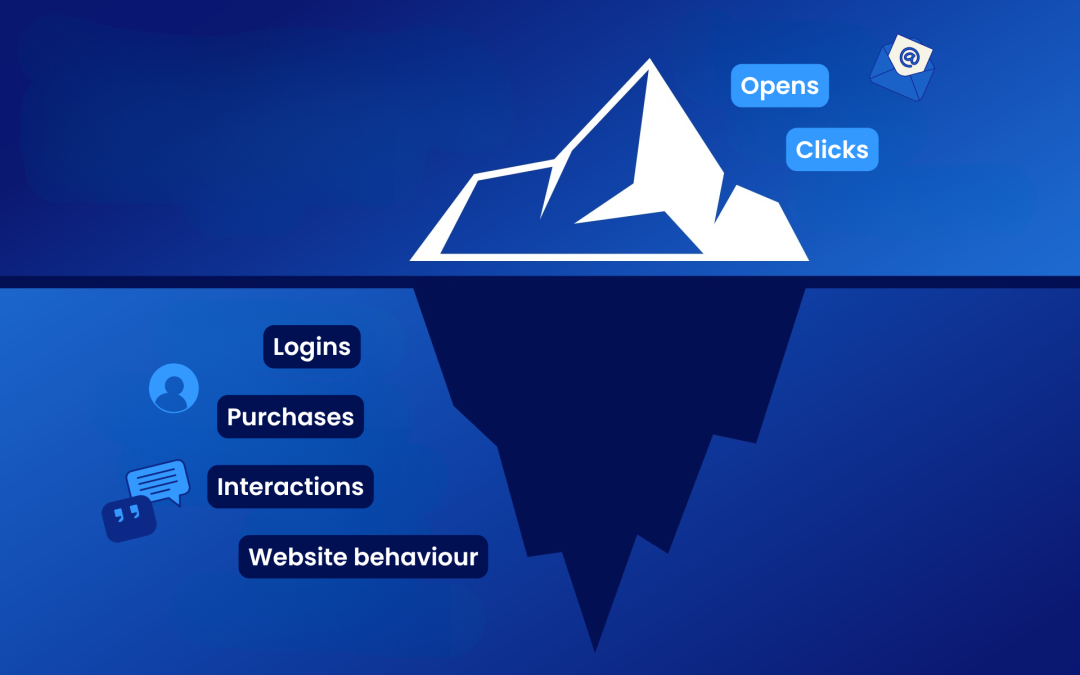
Predictive intelligence does not replace human judgement. It informs it. Marketers still decide what to do with the insight, but they are making those decisions with far better information than open rates and click-throughs alone can provide.
6: Activation happens inside the platform itself
One of the biggest friction points in marketing operations is the gap between insight and action. You identify a high-value segment in your customer data platform, then export it, import it into your campaign tool, build the creative, and finally send. Every handoff is a delay, and a potential error.
The shift toward engagement platforms closes that gap. When data, segmentation, and campaign tools live in the same environment, activation is immediate. A segment identified today can be in a live campaign today. That speed matters in sectors like e-commerce, where a cart abandonment window is measured in hours, not days.
Seamless activation also reduces the operational overhead that slows marketing teams down. Fewer tools, fewer integrations, fewer manual steps, more time spent on strategy and creative rather than data wrangling.
7: Engagement metrics replace delivery metrics
Open rates and delivery rates tell you whether your message arrived. They do not tell you whether it mattered. Engagement platforms shift the focus toward metrics that actually reflect customer relationship health: repeat purchase rate, LTV trajectory, channel preference shifts, and journey completion rates.
This is not just a reporting change. It is a strategic one. When your success metric is engagement rather than delivery, you build campaigns differently. You optimise for the response, not the send. You measure whether the customer took a meaningful action, not just whether the email landed in their inbox.
For CMOs and CRM teams, this shift also makes the business case for automation much clearer. Engagement metrics connect directly to revenue outcomes, which makes it easier to demonstrate the value of the platform, not just the volume of messages it sends.
How Deployteq helps you build a customer engagement platform
We built Deployteq to do exactly what this article describes, not as a collection of bolt-on features, but as a coherent platform where data, channels, intelligence, and activation work together from day one.
- Unified customer data: Our CDP consolidates customer profiles in real time, giving every campaign access to accurate, up-to-date behavioural and transactional data.
- Cross-channel campaigns: Build and deploy across email, SMS, WhatsApp, push, and web from a single journey builder, no separate tools, no manual exports.
- Advanced segmentation: Create real-time, highly personalised segments that update based on live customer behaviour, not batch schedules.
- Predictive intelligence: Use built-in models including RFM, next-best-offer, and predictive insights to shape smarter next actions across every journey.
- Seamless activation: Move from insight to live campaign without leaving the platform, reducing friction, reducing errors, and reducing time to send.
- Email marketing at its best: Our email marketing platform combines advanced templates, dynamic content blocks, and superior segmentation to deliver hyper-personalised messages at scale.
If your current platform is holding you back from the kind of engagement your customers expect, it is worth seeing what a more connected setup looks like in practice. Book a self-guided demo and explore what Deployteq can do for your marketing operation.