Choosing the right marketing automation platform comes down to matching the platform’s capabilities to your data complexity, channel mix, and growth ambitions. The best platforms go beyond basic email sending – they unify customer data, support cross-channel journeys, and give your team the tools to segment smarter and act faster. Below, we answer the questions that matter most when evaluating your options.
What features should a marketing automation platform include?
A marketing automation platform should include unified customer data management, cross-channel campaign execution, advanced segmentation, a visual journey builder, and real-time personalisation capabilities. These are the non-negotiables for any team managing high-volume, multi-touchpoint customer relationships. Without them, you are essentially running manual processes with a scheduling tool.
Beyond the core, look for features that scale with your ambitions:
- Dynamic content blocks that adapt messaging per segment without duplicating campaigns
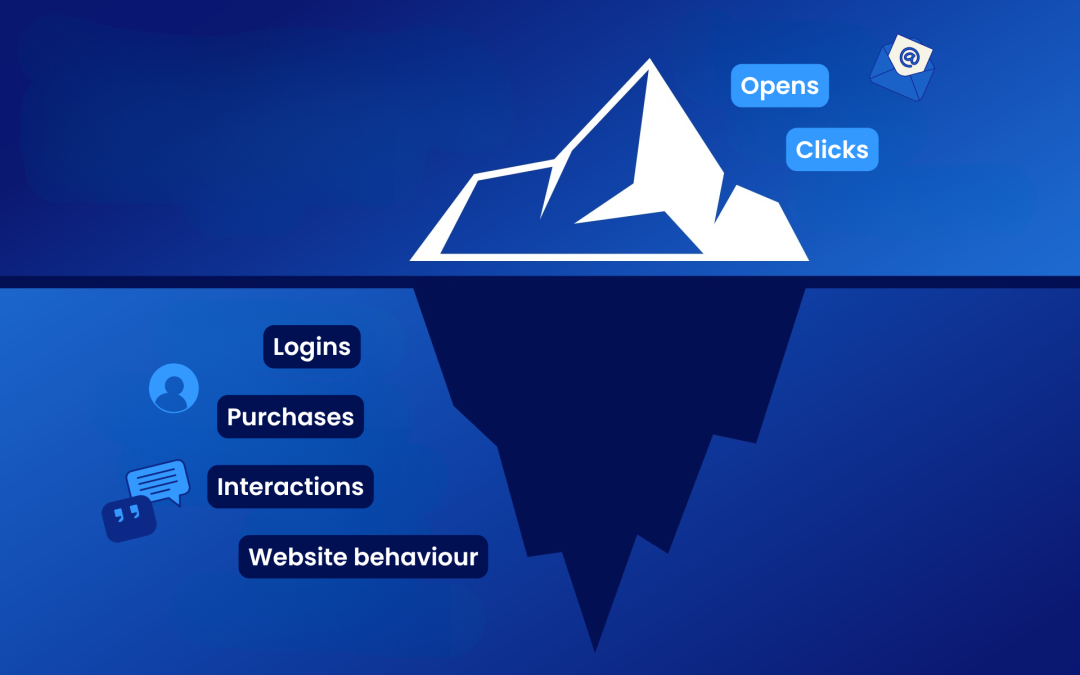
- Behavioural triggers that fire based on real-time actions, a cart abandonment, a booking, a lapse in engagement
- Multi-channel support across email, SMS, WhatsApp, push notifications, and web
- Predictive modelling such as RFM scoring and next-best-offer logic
- API connectivity to integrate with your existing CRM, ecommerce stack, or data warehouse
The stronger your email marketing capabilities at the core, the more reliable your broader automation will be. Email remains the highest-ROI channel for most B2C brands, so it is worth treating it as a foundation rather than an afterthought.
How do you assess whether a platform fits your data needs?
Assess platform fit for your data needs by examining how the platform ingests, stores, and activates customer data. A platform that cannot handle your data volume, fragmented sources, or real-time update requirements will bottleneck every campaign you build. Start with your current data architecture and work backwards from there.
Ask these practical questions during evaluation:
- Can the platform consolidate data from multiple sources into a single customer profile?
- How does it handle real-time data updates, does a purchase trigger a segment change instantly?
- What are the limits on the number of custom attributes or data fields per contact?
- Does it support first-party data activation without relying on third-party cookies?
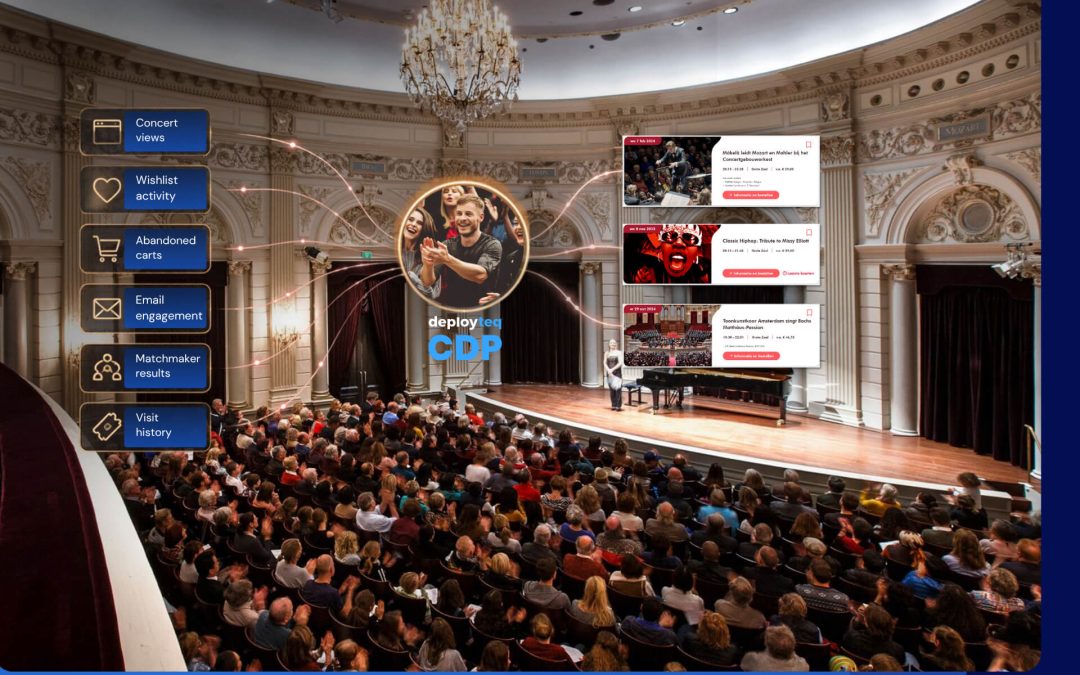
For brands with complex data landscapes, a customer data platform built into the automation suite is a significant advantage. It removes the latency and integration overhead that comes from stitching together separate tools, and it gives your team a single source of truth for every segment and journey.
What’s the difference between basic email tools and full marketing automation platforms?
Basic email tools send campaigns and manage lists. Full marketing automation platforms orchestrate multi-step, multi-channel customer journeys triggered by real-time behaviour and driven by unified data. The gap between the two is not just feature depth – it is a fundamentally different approach to how you engage customers at scale.
Here is where the distinction becomes concrete:
- Basic tools rely on manual sends, static lists, and simple rules. They work well for small audiences with straightforward needs.
- Automation platforms use behavioural data, predictive logic, and dynamic segmentation to deliver the right message at the right moment, automatically.
If you are currently on a platform like MailChimp or ActiveCampaign and finding yourself building workarounds for segmentation, struggling to personalise at scale, or manually managing what should be automated journeys, that is a clear signal you have outgrown your current tool. The upgrade is not just about more features – it is about reclaiming time and unlocking revenue you are currently leaving behind.
Which industries benefit most from advanced marketing automation?
Industries with high customer lifetime value, complex purchase journeys, or large contact databases benefit most from advanced marketing automation. Travel and leisure, retail and ecommerce, finance, and entertainment are the sectors where automation delivers the clearest commercial impact, because the customer relationships in these sectors are ongoing, not transactional.
Travel and leisure
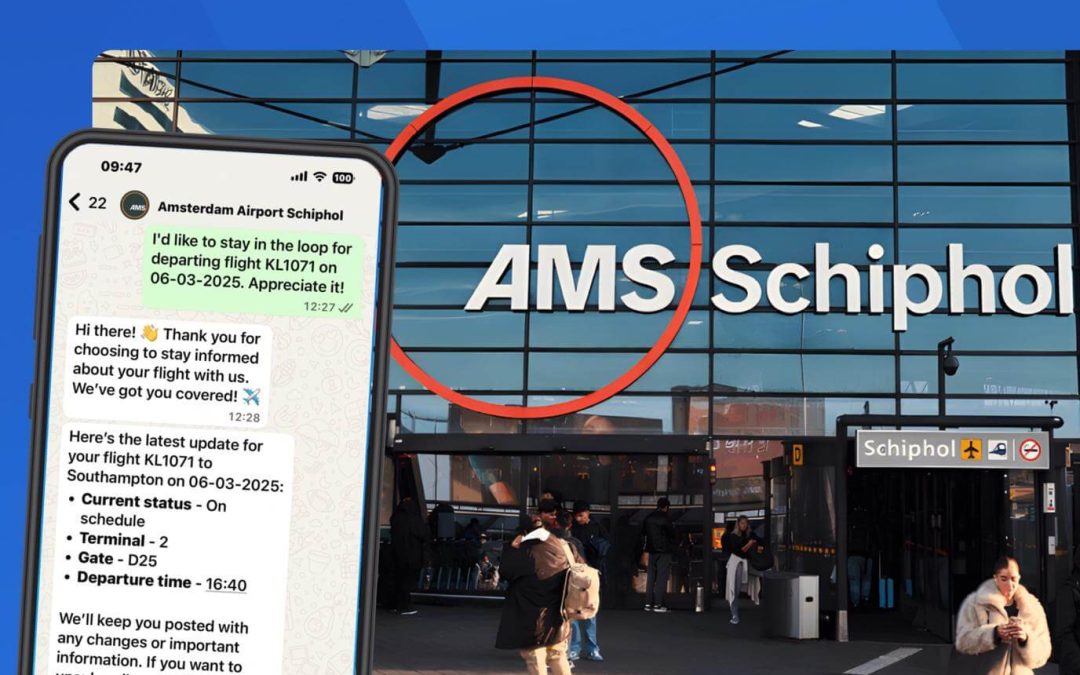
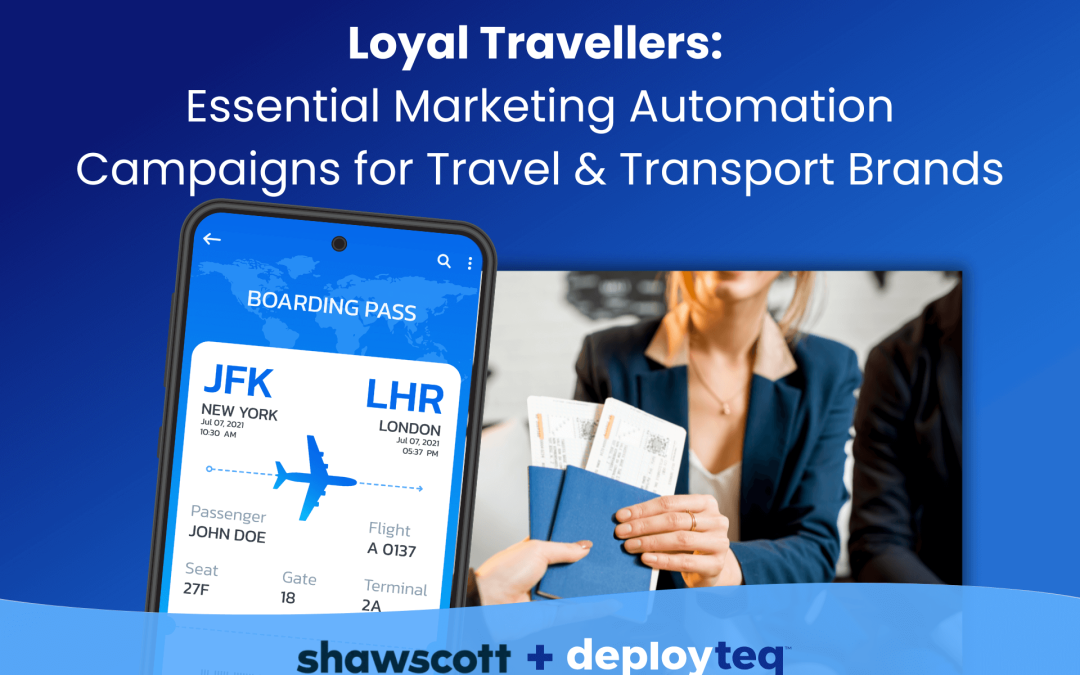
Travel brands manage long booking windows, seasonal demand shifts, and loyalty loops that require precise timing. Automation enables real-time destination updates, post-booking nurture sequences, and re-engagement campaigns triggered by browsing behaviour, all without manual intervention.
Retail and ecommerce
Cart recovery, back-in-stock alerts, and hyper-personalised product recommendations are table stakes for retail. The brands winning on LTV are those using automation to deliver the right offer to the right segment at exactly the right moment in the purchase cycle.
Finance and insurance
Trust-building is everything in financial services. Automation supports complex lifecycle journeys, onboarding, renewal reminders, cross-sell sequences, while keeping communication timely, compliant, and relevant to each customer’s product relationship.
Entertainment
High-frequency content consumption means entertainment brands need automation that can keep pace. Content-based triggers, engagement scoring, and real-time personalisation keep audiences active and reduce churn.
How do you evaluate ease of use when comparing platforms?
Evaluate ease of use by testing how quickly your team can build a segmented campaign, configure a multi-step journey, and pull a performance report, without needing developer support. A platform that requires constant IT involvement is not easy to use, regardless of how clean the interface looks in a demo.
Practical signals to look for:
- Visual journey builders that let marketers drag, drop, and configure without writing logic from scratch
- Template libraries with on-brand, customisable designs that do not require HTML expertise
- Segmentation interfaces where complex filters can be built intuitively, not just by data teams
- Onboarding support – how long does it realistically take to get your first campaign live?
- Documentation and training quality, because day-to-day usability depends on how well supported your team feels
The best test is a self-guided demo or structured trial. Bring a real use case, a welcome journey, a re-engagement flow, and see how far you get without asking for help. That gap between what you could configure independently and what required support tells you everything about real-world usability.
What questions should you ask a marketing automation vendor before buying?
Before buying a marketing automation platform, ask vendors about data ownership, integration depth, scalability limits, onboarding timelines, and how pricing changes as your contact database grows. These questions surface the real cost and capability of a platform far more effectively than any feature checklist.
Here is a practical list to bring into every vendor conversation:
- Who owns the data? Can you export everything if you switch platforms?
- What does the API look like? How does it connect to your CRM, ecommerce platform, or data warehouse?
- How does pricing scale? Are there limits on contacts, sends, or features at your current tier?
- What does onboarding look like in practice? How long until you are live with your first automated journey?
- What support is included? Is there a dedicated account manager or just a ticketing system?
- How does the platform handle compliance? Especially relevant for GDPR and sector-specific regulations in finance or healthcare.
- What does the product roadmap look like? Is the platform investing in AI, predictive features, and channel expansion?
A vendor’s willingness to answer these questions directly, without deflecting to sales decks, tells you a great deal about the partnership you are signing up for.
How Deployteq helps you choose and activate the right platform
We built Deployteq to answer every question on this list with a clear yes. Here is what that looks like in practice:
- Unified data foundation: Our built-in CDP consolidates customer data from every source into a single profile, enabling real-time segmentation and activation across all channels.
- Cross-channel campaign execution: Email, SMS, WhatsApp, push, and web, all managed from one platform, with no integration overhead between tools.
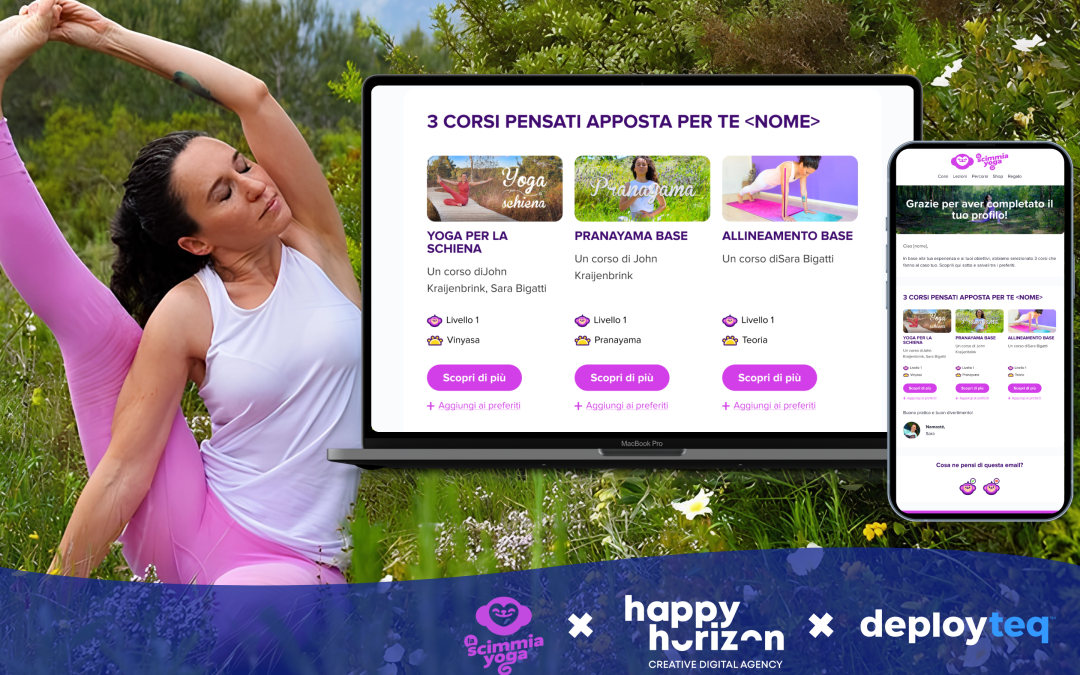
- Advanced email marketing: Our marketing automation capabilities include dynamic content blocks, smart segmentation, and on-brand templates that scale personalisation without duplicating effort.
- Predictive intelligence: RFM modelling, next-best-offer logic, and predictive insights built directly into campaign workflows, not bolted on as an afterthought.
- Genuine ease of use: Marketers, not developers, build and deploy journeys. The visual journey builder gives your team full control without IT dependency.
Trusted by brands like Wickes, Virgin Media, and Center Parcs, we work with marketing teams across travel, retail, finance, and entertainment who have outgrown simpler tools and need a platform that grows with them. Ready to see it in action? Book a demo and bring your real use case, we will show you exactly how it works.