Scattered customer data is one of the most common blockers for high-performing marketing teams. You have behavioural data in one tool, purchase history in another, and email engagement sitting in a third. The result? Campaigns that feel generic, budgets that leak, and attribution that never quite adds up. Learning how to unify customer data is not just a technical project. It is a direct route to better results across every channel you run.
Here are seven quick wins you unlock the moment your data lives in one place.
What a unified data strategy actually unlocks
A scattered customer data solution patches problems. A unified data strategy prevents them. When all your customer data flows into a single, structured view, every team member works from the same truth. Segmentation sharpens, automation fires on real signals, and personalisation scales without extra manual effort.
The wins below are not theoretical. They are the direct, practical outcomes that marketers see when they stop wrestling with disconnected sources and start activating a clean, consolidated data layer.
1: Smarter segmentation from day one
Unified data gives you the full picture of each customer, which means your segments reflect real behaviour rather than best guesses. Instead of segmenting by email opens alone, you can combine purchase frequency, browsing patterns, loyalty status, and channel preference into a single, actionable audience.
For a travel brand, this means separating last-minute bookers from early planners and triggering entirely different journeys for each. For a retailer, it means building segments that respond to stock availability and seasonal intent at the same time.
Smarter segments lead directly to higher relevance scores, better deliverability, and stronger conversion rates. The data was always there. Unifying it just lets you use it properly.
2: Personalisation that goes beyond first names
True personalisation is not about inserting a first name into a subject line. It is about sending the right message at the right moment based on what a customer has actually done. That level of personalisation only works when your behavioural, transactional, and demographic data are connected.
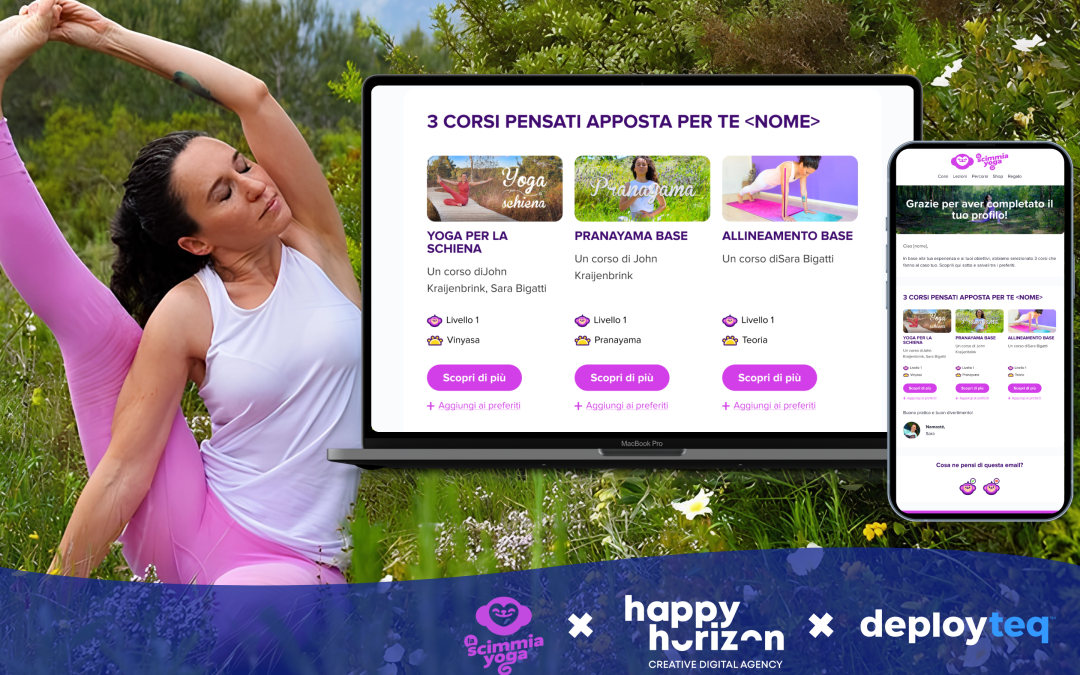
With a unified view, you can personalise based on a customer’s last purchase category, their preferred channel, how recently they engaged, and what stage of the lifecycle they are in. A finance brand can send a timely product alert to a customer who browsed a savings product three times but never converted. An entertainment platform can recommend content based on viewing history rather than generic popularity.
This is the kind of hyper-personalised communication that builds genuine loyalty, not just repeat transactions.
3: Eliminate duplicate contacts and wasted spend
Duplicate records are a silent budget drain. When the same customer exists in your CRM, your email platform, and your ad audiences as three separate profiles, you are paying to reach them multiple times and often sending inconsistent messages in the process.
Data unification resolves this by matching records across sources into a single customer profile. You reduce list bloat, lower your sending costs, and ensure that suppression lists actually work. If a customer unsubscribed from email, that preference should be respected across every channel automatically.
Cleaner data also improves your reporting baseline. Metrics become more reliable when you are counting real customers rather than inflated contact numbers.
4: Trigger campaigns on real customer behaviour
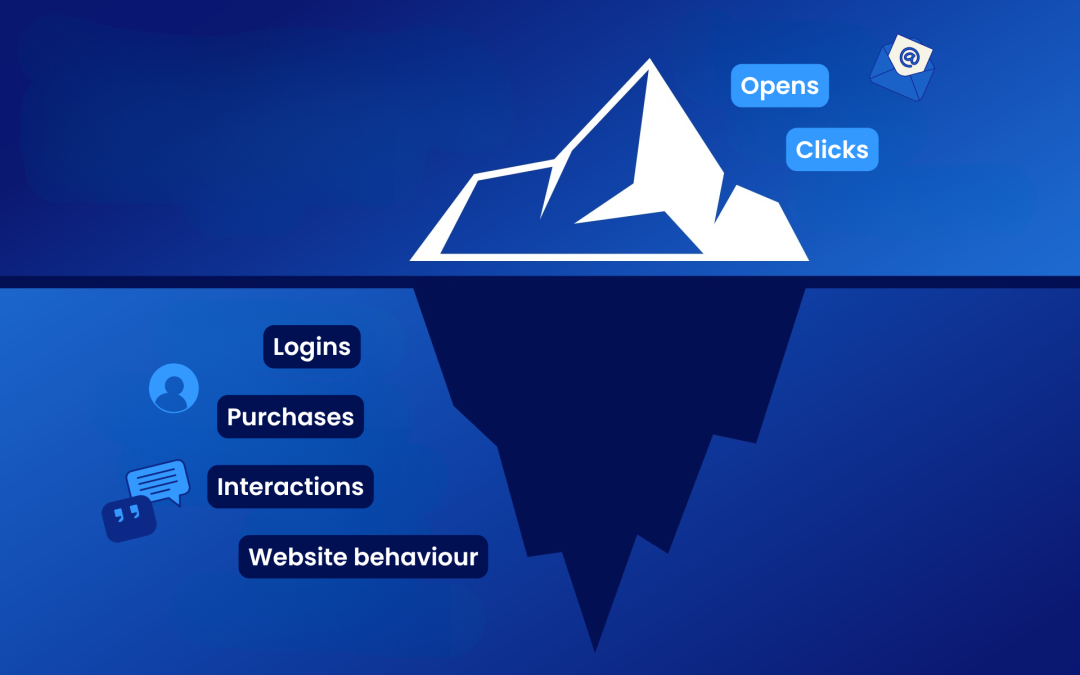
Behaviour-triggered campaigns consistently outperform scheduled batch sends. The challenge is that triggers only work when your platform can actually see the behaviour. If your web activity, purchase data, and email engagement are siloed, your triggers are limited to what each individual tool can detect.
Unified data changes this entirely. A customer who browses a holiday destination, opens a promotional email, and then abandons a booking form can trigger a highly specific follow-up sequence. Each action informs the next step in the journey, rather than each system operating in isolation.
This is where marketing automation reaches its full potential. Real-time triggers based on cross-channel behaviour drive urgency, relevance, and ultimately, conversions.
5: Predict what customers want next
Once your historical data is unified and structured, predictive modelling becomes genuinely useful. RFM analysis (recency, frequency, monetary value) helps you identify your highest-value customers and those at risk of churning. Next-best-offer models surface the most likely product or service for each individual based on their complete history.
These are not futuristic capabilities. They are practical tools that become accessible when your data is clean, connected, and queryable in one place. A retail brand can predict which customers are likely to purchase again within the next 30 days and prioritise budget toward retaining those who are showing early signs of disengagement.
Predictive insights shift your marketing from reactive to proactive, which is a meaningful competitive advantage in high-volume sectors like e-commerce and travel.
6: Consistent messaging across every channel
Inconsistent messaging is one of the most common symptoms of a scattered customer data solution. A customer receives a win-back email the same day they make a purchase. Someone gets an SMS promotion for a product they already bought last week. These moments erode trust and feel careless, even when they are simply the result of disconnected data.
A unified data layer ensures that every channel, email, SMS, WhatsApp, push, and web, draws from the same customer profile. Suppression rules apply universally. Lifecycle stage is consistent. The message a customer receives on one channel complements rather than contradicts what they receive on another.
For brands operating across multiple touchpoints, this consistency is not just a nice-to-have. It is the foundation of a coherent customer experience.
7: Faster reporting and clearer attribution
Attribution is notoriously difficult when data lives in separate tools. Each platform claims credit for conversions, totals never reconcile, and the actual customer journey remains invisible. Unified data solves this by giving you a single source of truth for every touchpoint in the path to purchase.
With a connected data view, you can see which channels influenced a conversion, at what stage, and in what order. This makes budget decisions far more defensible. You stop guessing which campaigns are working and start optimising based on what the data actually shows.
Reporting also becomes faster. Instead of exporting from multiple platforms and stitching spreadsheets together, your team can pull insights from one place and spend that time acting on them instead.
How Deployteq helps you unify customer data
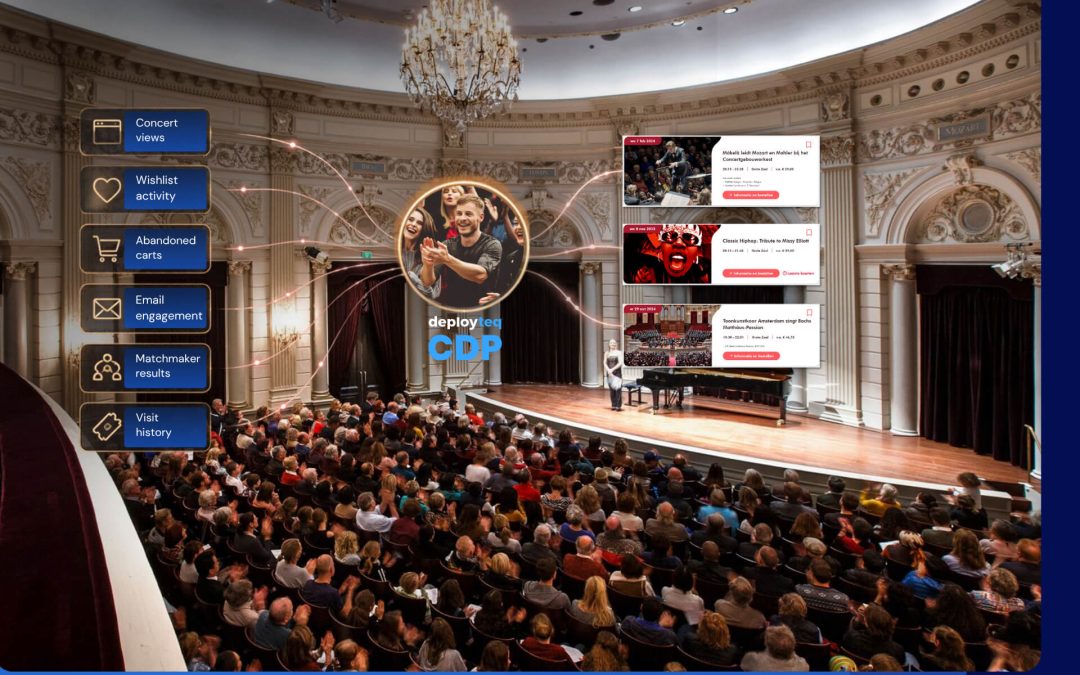
We built our Customer Data Platform specifically to give marketers a practical, activation-ready way to unify all their customer data. No more fragmented profiles. No more manual stitching between tools. Every data point flows into intelligent customer profiles that power real campaigns across every channel.
Here is what you get with Deployteq’s CDP:
- 360-degree single customer view that visually connects behavioural, transactional, and demographic data into one profile
- Intelligent modelling including RFM analysis, next-best-offer, and predictive lifecycle insights built directly into your campaign workflows
- Seamless cross-channel activation across email, SMS, WhatsApp, push, and web from a single unified data layer
- Real-time segmentation that updates automatically as customer behaviour changes, so your audiences are always accurate
- Consistent suppression and preference management applied universally across every channel you run
If your team is ready to stop managing scattered data and start activating it, we’d love to show you how it works in practice. Book a personalised demo and see the CDP in action with your own use cases.
Start collecting wins, not just data
Data unification is not a one-time project. It is an ongoing capability that compounds in value over time. The more connected your data becomes, the smarter your segmentation, the more accurate your triggers, and the more confident your attribution.
The seven wins above are available to any marketing team willing to move from scattered sources to a single, structured view. The question is not whether unifying your customer data is worth it. The question is how much longer you can afford to operate without it.