A customer data platform gives marketing teams a unified, real-time view of every customer by pulling together data from all touchpoints into a single, actionable profile. For B2C marketers managing high volumes of customer interactions across multiple channels, that unified view is the foundation for smarter segmentation, better personalisation, and campaigns that actually convert. Below, we unpack how a CDP works, what it does differently from a CRM, and when it makes sense to invest in one.
How does a customer data platform actually work?
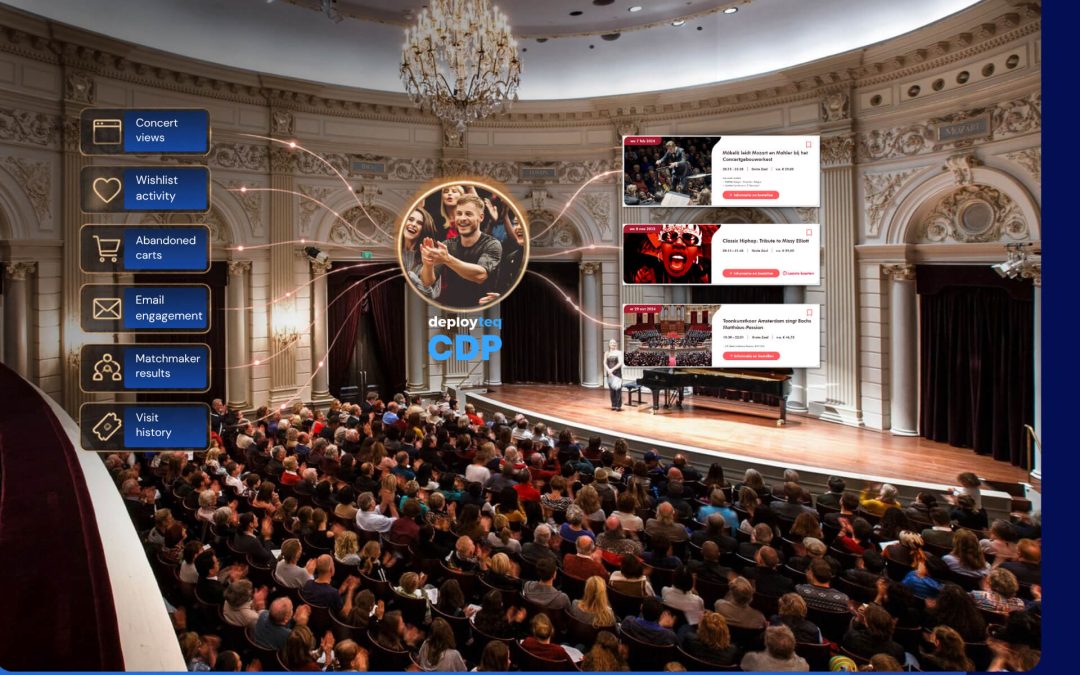
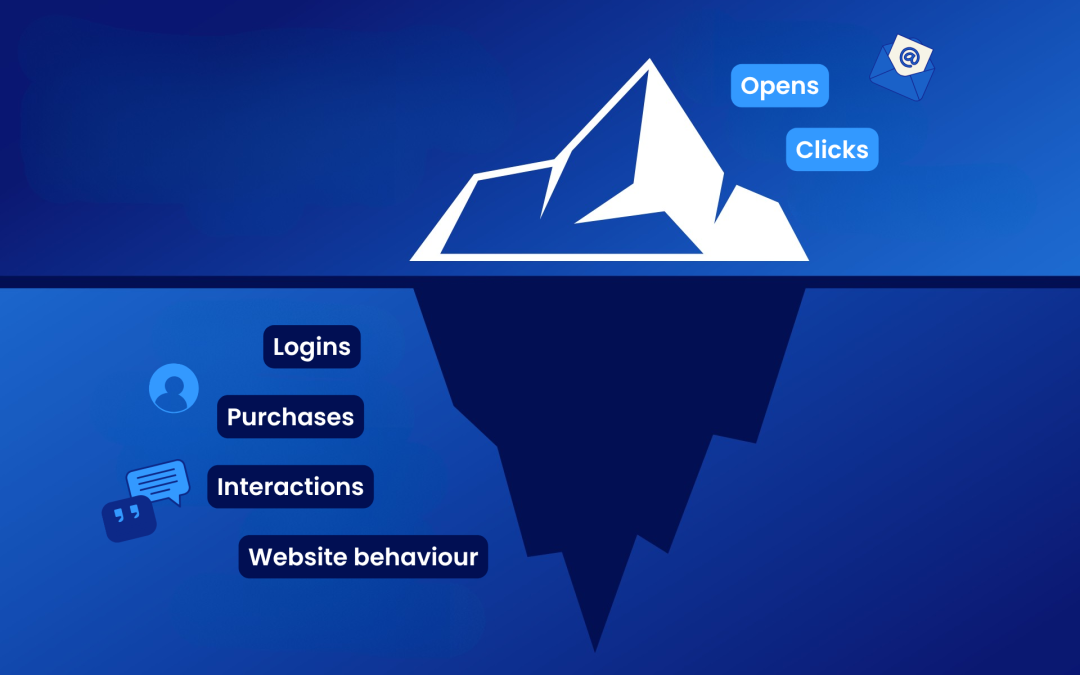
A customer data platform collects, unifies, and activates customer data from every source your brand touches. It ingests data from your website, email platform, CRM, point-of-sale system, mobile app, and any other channel, then resolves all of that into a single customer profile that updates in real time. The result is a 360 customer view that your marketing tools can actually use.
Unlike a data warehouse, a CDP is built for marketers. You do not need an analyst or a developer to query it. Profiles are always on, always updated, and always ready to trigger a campaign or power a segment. That means when a customer books a holiday, abandons a cart, or upgrades their subscription, your platform responds immediately.
- Data ingestion: Pulls in first-party data from all your channels and systems via APIs, SDKs, and native integrations
- Identity resolution: Matches data points across devices and sessions to a single customer record
- Profile enrichment: Layers in behavioural, transactional, and predictive attributes to build depth
- Activation: Makes those profiles available to your campaign tools for real-time personalisation and targeting
What specific benefits does a CDP give marketing teams?
The core benefit of a CDP is that it turns fragmented, siloed data into a single customer view your whole team can act on. That translates into more precise segmentation, faster campaign builds, and personalisation that goes beyond a first name in the subject line. For marketing teams under pressure to improve LTV and reduce churn, that is a meaningful operational shift.
Here is where the impact is most tangible:
- Smarter segmentation: Build audiences based on real behaviour, purchase history, and predictive scores rather than broad demographic buckets
- Real-time triggers: Fire campaigns the moment a customer takes an action, not hours later when a batch export finally runs
- Consistent cross-channel messaging: Deliver the same coherent story across email, SMS, push, and web without manual duplication
- Predictive modelling: Use frameworks like RFM and next-best-offer to prioritise the right customers at the right moment
- Reduced data waste: Stop sending irrelevant messages to the wrong audiences, which protects deliverability and engagement rates
For a retail brand, this looks like surfacing a personalised reactivation offer to lapsed customers who previously bought in a specific category, triggered automatically when their engagement score drops below a threshold. No manual list pulls, no batch delays.
What’s the difference between a CDP and a CRM?
The key distinction in the customer data platform vs CRM debate is purpose. A CRM manages relationships and sales pipeline, typically owned by sales and service teams. A CDP unifies behavioural and transactional data at scale, and is built specifically to power marketing activation. They are complementary tools, not competitors, but they solve different problems.
What a CRM does well
A CRM tracks contact records, deal stages, support tickets, and sales interactions. It is the system of record for your sales and customer service teams. It tells you who your customer is and what conversations you have had with them. Most CRMs are not designed to ingest real-time behavioural data from your website or app at volume.
What a CDP does differently
A CDP ingests behavioural signals, purchase events, and channel interactions continuously, then uses that data to build dynamic, always-on profiles. Where a CRM holds a relatively static record, a CDP reflects what a customer did five minutes ago. That real-time depth is what makes CDP-powered campaigns so much more responsive and personalised than CRM-based sends.
Many mature marketing stacks use both: the CRM as the customer record system, and the CDP as the activation layer that feeds campaigns with live, enriched audience data.
How does a CDP improve email marketing performance?
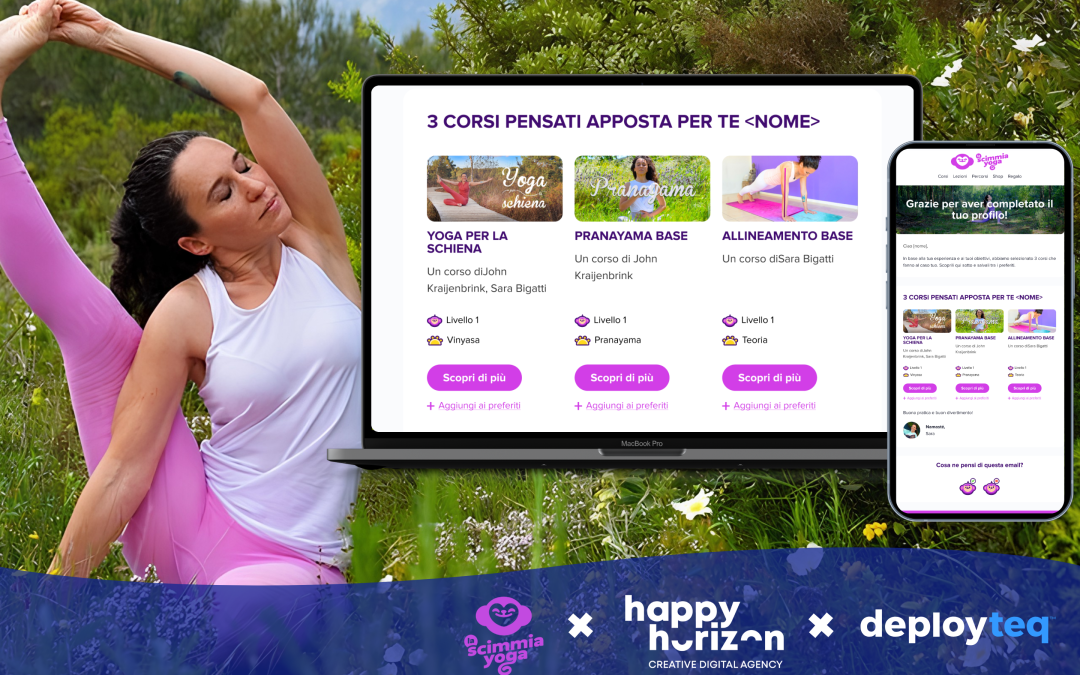
A CDP improves email marketing performance by giving your email marketing platform access to richer, more current data than it could ever generate on its own. Instead of segmenting by static list membership or last open date, you can segment by real purchase behaviour, predictive churn risk, product affinity, and lifecycle stage, all updated in real time.
The practical impact shows up in several ways:
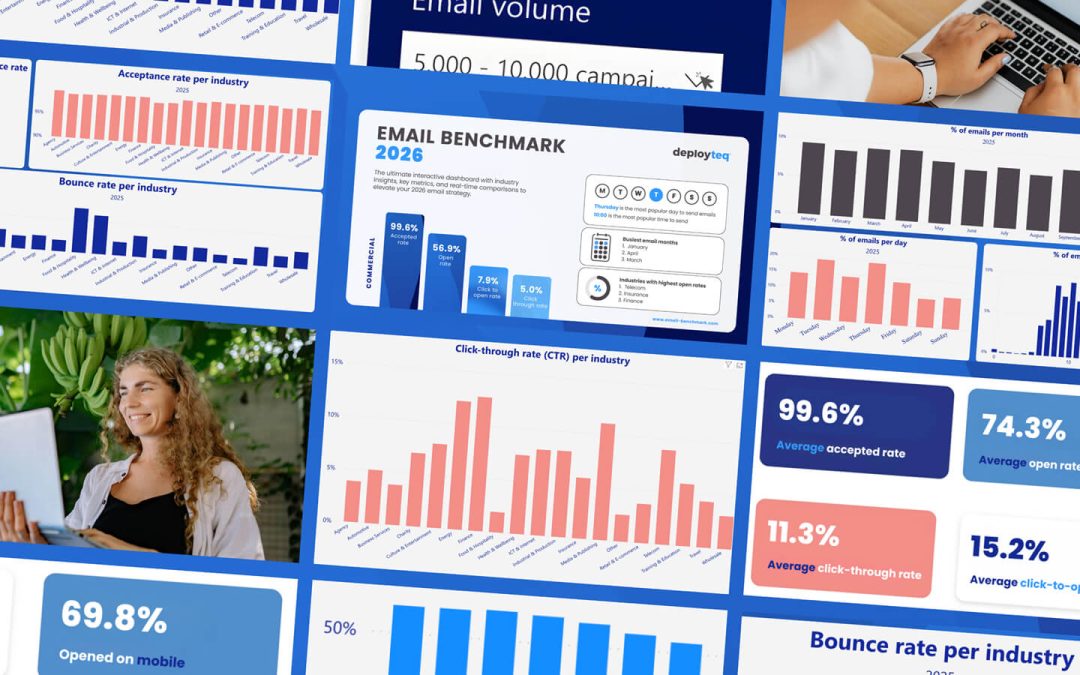
- Higher relevance: Campaigns built on behavioural data consistently outperform batch-and-blast sends on open rates, click rates, and conversion
- Better send timing: Trigger emails based on live events rather than scheduled batch sends, so messages land when intent is highest
- Suppression accuracy: Automatically exclude customers who have already converted, recently churned, or are mid-journey in another campaign
- Lifecycle precision: Map your email programme to actual lifecycle stages, not assumed ones, so onboarding, upsell, and retention flows fire at the right moment
For a travel brand, that means a customer who browsed ski destinations three times this week gets a targeted ski package email, not a generic newsletter. The data was always there. The CDP makes it usable.
When should a brand invest in a customer data platform?
A brand should invest in a CDP when data fragmentation is actively limiting marketing performance. If your team is spending hours manually merging lists, if your segments are based on guesswork rather than behaviour, or if your channels are running independent campaigns with no shared customer view, a CDP solves those problems directly. Timing matters: investing too early means low adoption; waiting too long means compounding inefficiency.
Specific signals that you are ready:
- You have meaningful first-party data across at least two or three channels but no unified way to use it
- Personalisation at scale is a strategic priority but your current stack cannot support it
- Your marketing team is limited by slow data processes rather than creative or strategic constraints
- You are investing in cross-channel campaigns but each channel is operating in isolation
- You want to move from reactive to predictive marketing using models like RFM or next-best-offer
Brands upgrading from simpler platforms often hit this wall fastest. When your email tool’s segmentation capabilities no longer reflect the complexity of your customer base, a CDP is the natural next investment.
How Deployteq powers your customer data strategy
We built our Customer Data Platform to close the gap between your data and your campaigns, without requiring a data science team to operate it. Here is what it delivers out of the box:
- Unified customer profiles: Every interaction, transaction, and behavioural signal resolved into a single, real-time profile
- 360 customer view: A visual, connected picture of each customer’s full lifecycle, ready to activate
- Intelligent modelling: Built-in RFM scoring, next-best-offer, and predictive insights that surface the right audiences automatically
- Native campaign activation: Profiles feed directly into email, SMS, WhatsApp, push, and web campaigns, no manual exports required
- Smarter segmentation: Build hyper-personalised segments based on live behaviour and predictive attributes, not static lists
Whether you are in retail, travel, finance, or entertainment, our marketing automation platform gives you the data infrastructure to move faster and personalise deeper. Ready to see it in action? Book a demo and we will walk you through exactly how it works for your use case.