A CDP enables hyper-personalised campaigns by unifying all your customer data into a single, actionable profile and making that data available in real time across every channel you use. Instead of working with fragmented data spread across disconnected tools, marketers get a complete, continuously updated view of each customer. The sections below break down exactly how that works, from data unification to activation, segmentation, and results.
What data does a CDP unify to power personalisation?
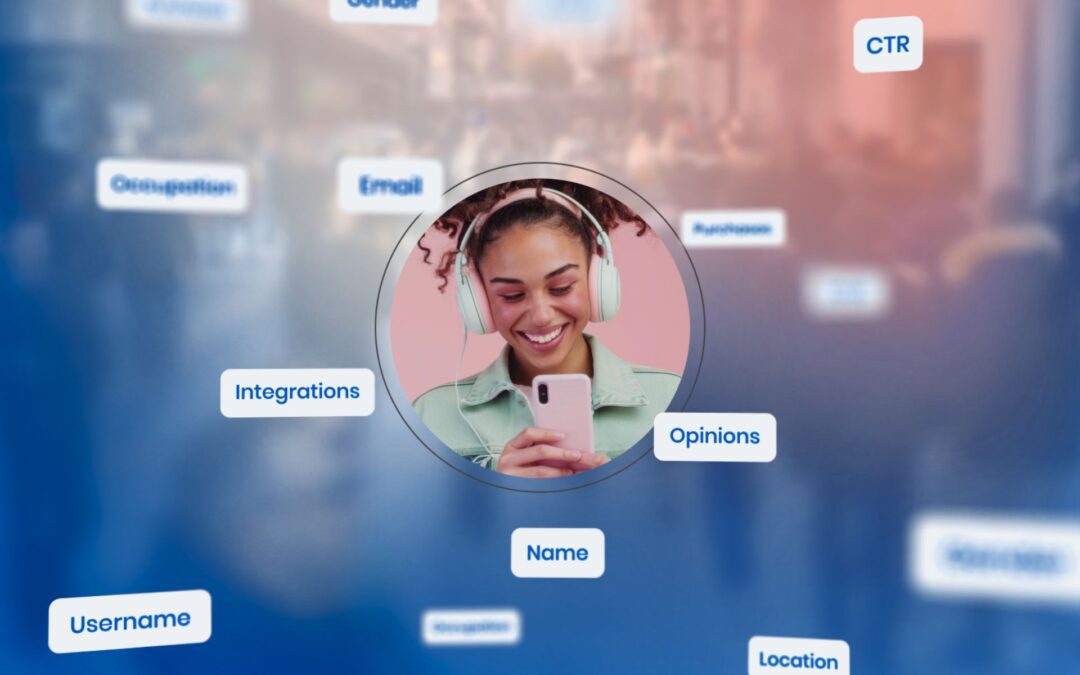
A CDP unifies behavioural, transactional, demographic, and engagement data from every source your brand touches into a single customer profile. This includes website interactions, purchase history, email engagement, app activity, CRM records, and offline data. The result is a 360-degree view that reflects who your customer is right now, not who they were when you last ran a batch import.
The power is in the breadth and the depth. A CDP ingests first-party data from your own channels, stitches together identifiers across devices and sessions, and resolves those signals into one unified profile per person. So when a customer browses a travel destination on your website, opens a loyalty email, and then books via your app, the CDP connects those three touchpoints into a single coherent story.
That unified profile then feeds your campaign logic. Personalisation stops being a guessing game and starts being a data-driven decision. You know what someone bought, when they last engaged, what they responded to, and what they are likely to want next. That is the foundation every hyper-personalised campaign is built on.
How does a CDP create segments for targeted campaigns?
A CDP creates segments by applying rules, models, and predictive logic directly against unified customer profiles in real time. Unlike static list-based segmentation, a CDP continuously evaluates each profile against your criteria and moves customers in and out of segments as their behaviour changes. This means your segments are always accurate and always current.
The most effective CDP segmentation combines multiple data dimensions at once. You might build a segment of high-LTV customers who have not purchased in 60 days, are active on mobile, and have shown affinity for a specific product category. That level of precision is only possible when all your data lives in one place and is queryable together.
Intelligent modelling takes this further. Approaches like RFM (Recency, Frequency, Monetary value) let you rank and tier your customer base automatically. Next-best-offer models predict which product or message will resonate most with a given customer at a given moment. Predictive lifecycle insights flag customers who are likely to churn before they actually do. These models turn your unified data into smart segmentation that drives real campaign performance.
What is the difference between a CDP and a CRM or DMP?
A CDP, a CRM, and a DMP serve different purposes and operate at different layers of your data stack. A CRM manages relationships and sales interactions, typically focused on known contacts and manual data entry. A DMP handles anonymous, third-party audience data primarily for advertising targeting. A CDP unifies first-party data from all sources into persistent, real-time customer profiles built specifically for marketing activation.
CDP vs CRM
A CRM is built around managing contacts and sales pipelines. It holds structured records of known customers, tracks communications, and supports your sales team. What it does not do well is ingest real-time behavioural data at scale or connect signals from your website, app, and email platform automatically. A CDP does exactly that. It is built for the volume, velocity, and variety of data in a way that a CRM simply is not designed to handle.
CDP vs DMP
A DMP works primarily with anonymous, cookie-based third-party data to build audience segments for paid media. It is a useful advertising tool, but the data is short-lived and increasingly restricted as third-party cookies disappear. A CDP is built on first-party data you own and control. Profiles are persistent, identifiable, and consent-based, which makes a CDP far more valuable for long-term personalisation and cross-channel marketing automation.
The distinction also matters when comparing a CDP with a data warehouse. A data warehouse stores large volumes of historical data for analysis and reporting. It is not built for real-time activation. A CDP is designed to act on data, not just store it. The two can work together, but they are not interchangeable.
How does a CDP activate data across email, SMS, and other channels?
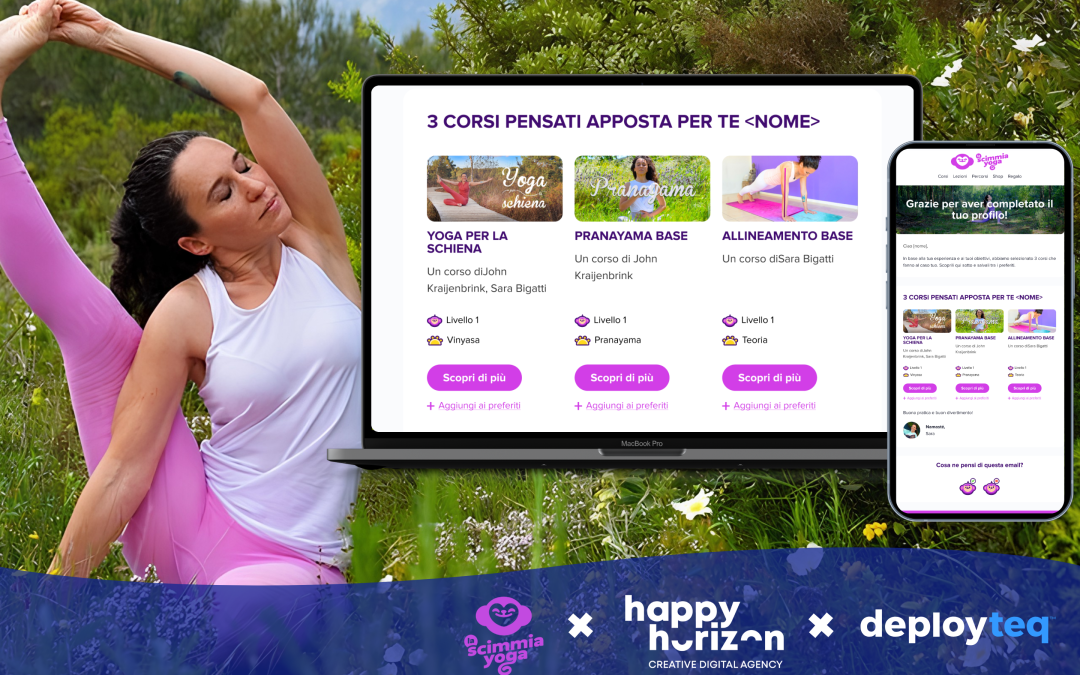
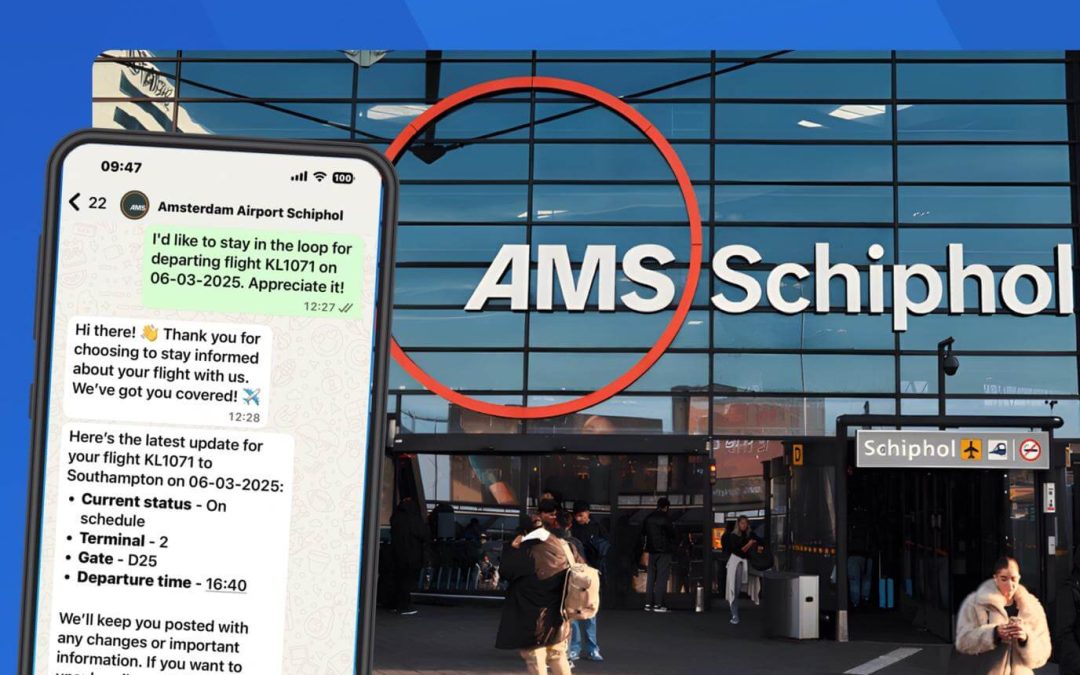
A CDP activates data by feeding unified customer profiles directly into your campaign execution layer, triggering personalised messages across email, SMS, WhatsApp, push notifications, and web in real time. Activation is where the CDP’s value becomes tangible. The data is not just sitting in a database; it is powering live decisions about what to send, to whom, and when.
The activation process works through integration between the CDP and your campaign platform. When a customer’s profile updates, say they hit a new RFM tier or trigger a browse abandonment event, that signal fires automatically into your journey builder. The right message goes out on the right channel without manual intervention.
Cross-channel consistency is a key benefit here. A customer who receives a personalised email offer should see a consistent message if they visit your website the same day. A CDP makes that coordination possible because all channels are drawing from the same unified profile. This is what separates CDP-powered campaigns from siloed, channel-by-channel execution where the left hand rarely knows what the right hand is doing.
What results can hyper-personalised campaigns actually deliver?
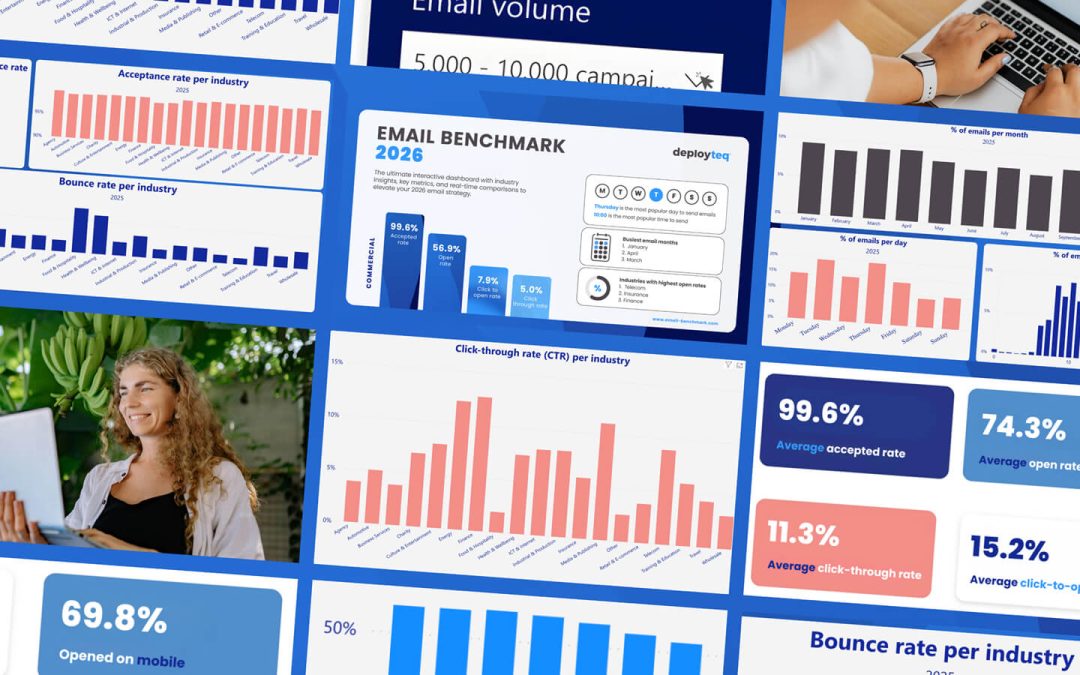
Hyper-personalised campaigns consistently outperform generic broadcast messaging across open rates, conversion rates, and customer retention. When messages reflect a customer’s actual behaviour, preferences, and lifecycle stage, they are more relevant, and relevance drives response. The gap between a well-segmented, trigger-based campaign and a batch-and-blast email is measurable in revenue, not just engagement metrics.
In retail and e-commerce, personalised product recommendations and cart recovery flows directly increase average order value and purchase frequency. In travel, timely destination-specific offers sent at the right point in the booking window convert browsers into bookers. In finance, lifecycle-triggered communications build trust at moments that matter, such as onboarding, renewal, or a missed payment.
The compounding effect is important too. Hyper-personalisation improves deliverability because engaged subscribers signal to inbox providers that your mail is wanted. It reduces unsubscribe rates because customers receive content that is genuinely relevant. And it increases LTV because customers who feel understood by a brand are more likely to stay loyal. These outcomes do not come from one campaign; they come from a system that personalises consistently at scale.
When should a brand upgrade to a CDP for campaign personalisation?
A brand should consider upgrading to a CDP when fragmented data is limiting personalisation quality, when manual segmentation cannot keep pace with campaign volume, or when cross-channel coordination is breaking down because different tools hold different versions of the customer truth. These are the signals that a simpler platform has reached its ceiling.
Specific triggers to watch for include:
- Your segments are built on a single data source, such as email engagement only, and do not reflect full customer behaviour
- You are spending significant time manually exporting, cleaning, and re-importing data between platforms
- Personalisation is limited to first name and last purchase, rather than real-time behavioural and predictive signals
- You cannot trigger campaigns in real time because your data is batch-updated overnight or weekly
- Customers receive inconsistent or contradictory messages across email, SMS, and web because channels are not connected
Brands migrating from platforms like MailChimp or ActiveCampaign often hit these limits as their customer base grows and their campaigns become more sophisticated. The jump to a CDP-powered setup is not just a technical upgrade; it is a shift in what personalisation is actually possible for your team.
How Deployteq powers hyper-personalised campaigns with its CDP
We built our Customer Data Platform to give marketers data they can actually use, directly inside the campaigns they are already running. No need to stitch together separate tools or wait for a data team to build a pipeline. Here is what that looks like in practice:
- Unified customer profiles: All your data sources connect into a single 360-degree view per customer, updated in real time
- Intelligent modelling built in: RFM scoring, next-best-offer predictions, and full lifecycle insights are available without custom data science work
- Direct campaign activation: Segments and triggers fire straight into email, SMS, WhatsApp, push, and web campaigns without manual exports
- Smart segmentation at scale: Build precise, multi-dimensional audiences that update automatically as customer behaviour changes
- Website personalisation: Extend your CDP data to on-site experiences so every touchpoint reflects the same unified customer view
If your current setup is holding back the personalisation your customers expect, it is time to see what a proper CDP can do for your campaigns. Book a demo and we will show you exactly how it works for your sector.