CDP data can be activated across email, SMS, WhatsApp, push notifications, and web personalisation channels simultaneously. The key is having unified customer profiles that feed directly into your campaign execution layer, so every channel draws from the same real-time data source. Below, we break down exactly how that activation works, channel by channel, and what makes it effective.
What channels can CDP data be activated across?
A CDP can activate data across email, SMS, WhatsApp, push notifications, paid social, and web personalisation. The defining capability is that all channels pull from a single unified customer profile, meaning every touchpoint reflects the same behavioural data, purchase history, and lifecycle stage in real time.
This is a significant step beyond traditional channel-by-channel approaches, where data often lives in silos. When your CDP connects directly to your campaign execution layer, you can trigger a cart abandonment email, a WhatsApp follow-up, and a personalised homepage banner from one unified customer event, without duplicating logic or manually syncing lists.
- Email: Rich segmentation, dynamic content blocks, and lifecycle triggers
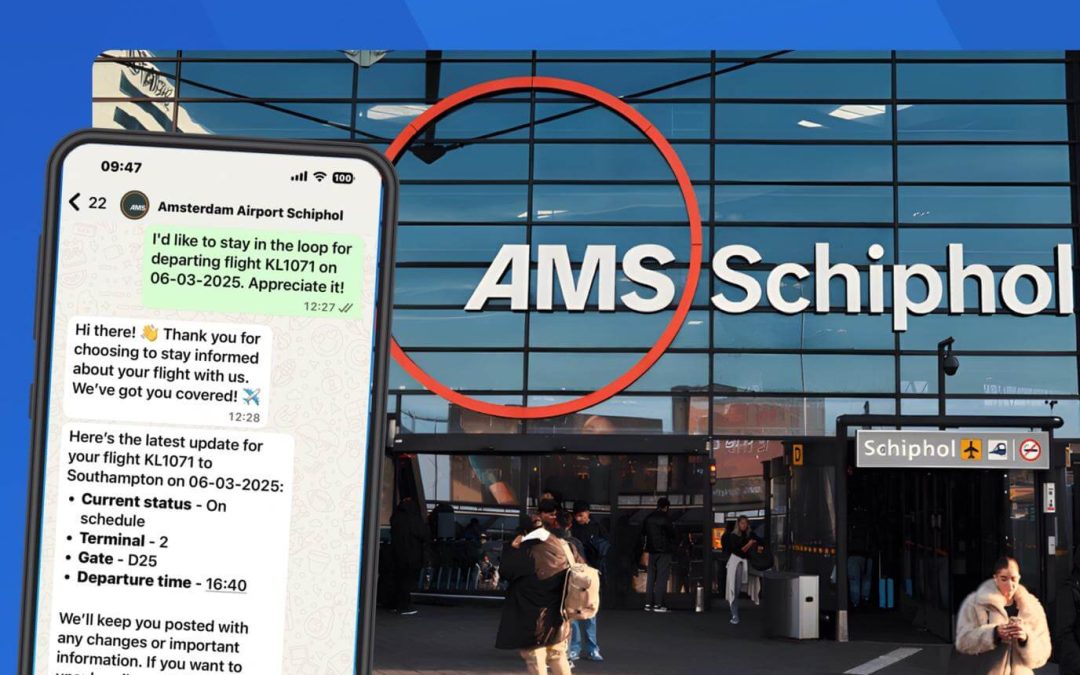
- SMS and WhatsApp: Time-sensitive alerts, booking confirmations, and re-engagement nudges
- Push notifications: App-based triggers tied to real-time behavioural signals
- Web personalisation: Homepage banners, product recommendations, and on-site overlays driven by profile data
- Paid social: Audience syncing to suppress converted customers or target lookalikes
The more channels your CDP feeds, the more consistent your customer experience becomes. A travel brand, for example, can show a returning customer the same destination offer across their inbox, their app, and their browser session, all triggered by a single browsing event.
How does CDP data flow into email campaigns?
CDP data flows into email campaigns by continuously updating customer profiles with behavioural, transactional, and demographic signals, then making those profiles available to your email platform for segmentation, personalisation, and trigger logic. The result is that your emails respond to what customers actually did, not what they did three weeks ago when a list was last exported.
In practice, this means your email platform can access real-time attributes such as last purchase date, product category affinity, loyalty tier, and predicted next action. These attributes power dynamic content blocks, subject line personalisation, and send-time optimisation without any manual intervention.
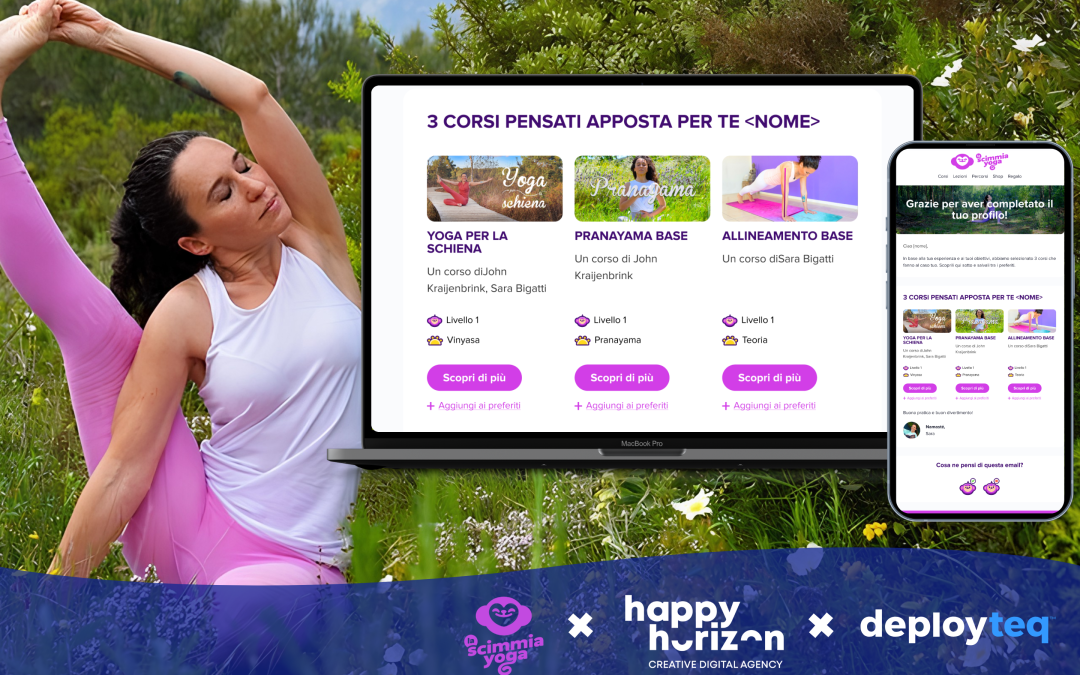
For a retail brand, this looks like automatically switching a promotional email from “New arrivals” to “Back in stock” content based on a customer’s recent browse history, all resolved at the point of send. The CDP handles the data logic; the email marketing platform handles the delivery and rendering.
The critical requirement is a direct integration between your CDP and your email execution layer. Without it, you are still exporting segments manually and losing the real-time advantage entirely.
What’s the difference between a CDP and a CRM for channel activation?
A CDP is built to unify and activate behavioural data across channels in real time, while a CRM is designed to manage relationships, sales pipelines, and service interactions. For channel activation, the CDP is the data engine; the CRM is the relationship record. They serve different purposes and work best together rather than as substitutes.
The practical difference shows up in speed and scope. A CRM typically holds contact records, purchase history, and service notes. It is updated manually or through structured integrations. A CDP ingests streaming data from web sessions, app activity, email engagement, and transaction systems, then resolves that data into a single profile automatically.
- CRM strength: Sales activity tracking, account management, customer service workflows
- CDP strength: Real-time behavioural profiling, cross-channel identity resolution, predictive modelling
When people debate CDP vs marketing automation, the distinction is similar. Marketing automation platforms execute journeys and send communications. A CDP provides the data intelligence that makes those journeys genuinely personalised. The best setups use all three: CRM for relationship history, CDP for real-time intelligence, and marketing automation for campaign execution.
If you are evaluating a CDP vs data warehouse, the difference is about activation readiness. A data warehouse stores and structures data for analysis. A CDP is purpose-built to make that data usable in live campaigns without requiring a data engineering team to extract and prepare it each time.
How does real-time segmentation improve cross-channel activation?
Real-time segmentation improves cross-channel activation by ensuring every channel decision, whether an email send, a push notification, or a web banner, is based on the customer’s current state rather than a historical snapshot. This removes the lag that causes irrelevant messaging and missed conversion windows.
Traditional batch segmentation creates lists at a fixed point in time. A customer who purchased yesterday might still receive a promotional offer today because the segment has not refreshed. Real-time segmentation resolves this by evaluating membership criteria continuously, so a customer exits the “potential buyer” segment the moment they convert and enters the “post-purchase” segment instead.
For an entertainment brand running a flash sale, real-time segmentation means customers who have already bought tickets are automatically excluded from the urgency campaign. Those who viewed the event page but did not purchase receive a follow-up push notification within minutes. The same logic runs simultaneously across every active channel without any manual list management.
This level of precision is what separates an enterprise CDP from simpler data tools. The ability to evaluate and act on segment membership in real time, at scale, across multiple channels simultaneously, is a core differentiator for high-volume B2C operations.
What CDP models power smarter channel targeting?
The most effective CDP models for channel targeting are RFM (Recency, Frequency, Monetary), next-best-offer, and predictive churn or lifecycle models. These models translate raw customer data into actionable signals that determine which channel to use, what message to send, and when to send it.
RFM scoring is particularly powerful for prioritising channel investment. Customers with high recency and frequency scores warrant premium channel treatment, such as personalised email with a dedicated WhatsApp follow-up. Lapsed customers with low recency scores might receive a win-back SMS or a targeted paid social ad instead, preserving your email sender reputation and reducing unsubscribes.
- RFM: Segments customers by purchase recency, frequency, and value to prioritise outreach
- Next-best-offer: Predicts the most relevant product or service for each customer at the point of activation
- Predictive churn: Identifies customers showing disengagement signals before they lapse, triggering retention journeys automatically
- Lifecycle stage modelling: Maps customers to onboarding, growth, loyalty, or re-engagement phases and routes them to the appropriate channel mix
These models are most valuable when they feed directly into your marketing automation workflows, so the insight drives action without a manual handoff between your data team and your campaign team.
How do you measure the impact of CDP-driven campaign activation?
Measuring the impact of CDP-driven activation requires tracking both channel-level performance metrics and unified customer outcomes. The goal is to connect campaign activity to downstream revenue, retention, and lifetime value, not just open rates and click-throughs.
Start with the metrics that reflect the quality of your data activation. Are your segments more precise? Are triggered campaigns converting at a higher rate than batch sends? Is suppression logic preventing wasteful sends to recently converted customers? These operational signals confirm your CDP is functioning as intended.
Then move to business outcomes:
- Conversion rate by segment: Are RFM-based segments outperforming generic lists?
- Channel attribution: Which channel combination drives the highest LTV customers?
- Churn rate change: Has predictive churn modelling reduced lapse rates in targeted cohorts?
- Revenue per contact: Is personalised cross-channel activation generating more value per customer than single-channel approaches?
The most telling measurement is what happens when you compare CDP-activated journeys against non-activated controls. If your next-best-offer model is working, customers receiving those recommendations should show meaningfully higher average order values. If your real-time suppression is working, you should see reduced unsubscribe rates and improved deliverability scores over time.
How Deployteq activates your CDP data across every channel
We built our Customer Data Platform to close the gap between data and action. Here is what that looks like in practice:
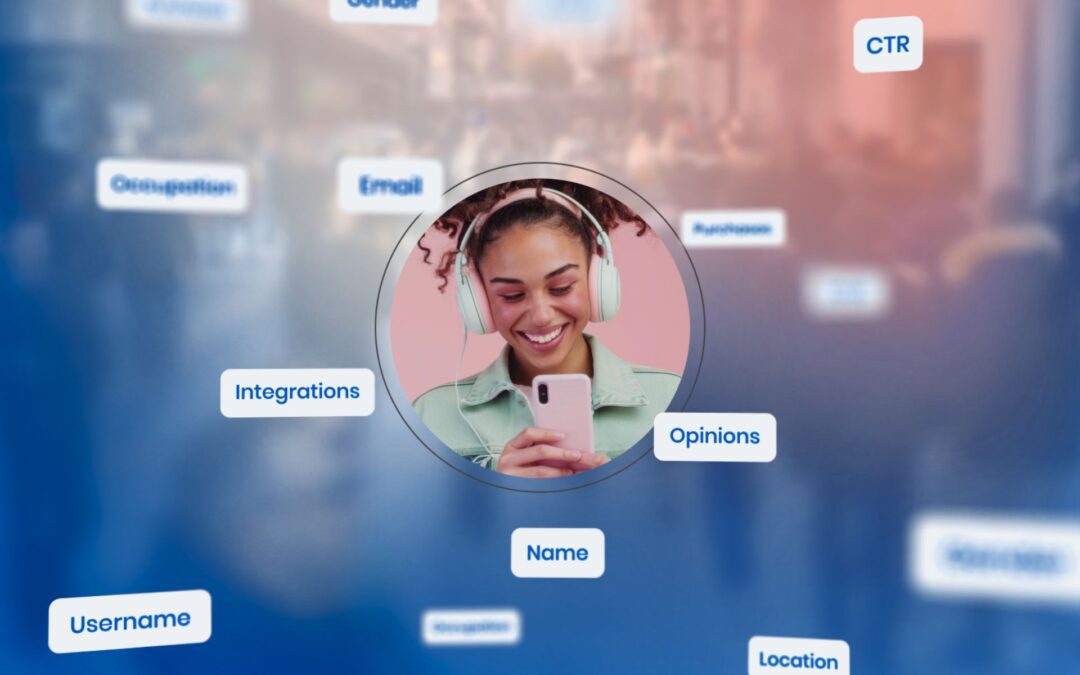
- Unified customer profiles: All behavioural, transactional, and demographic data resolves into a single 360-degree customer view, available across every channel instantly
- Built-in intelligent modelling: RFM scoring, next-best-offer, and predictive lifecycle insights are available directly within your campaign workflows, no data science team required
- Native cross-channel activation: CDP segments activate seamlessly across email, SMS, WhatsApp, push, and web personalisation from one platform
- Real-time segmentation: Segment membership updates continuously, so your campaigns always reflect current customer behaviour
- Direct integration with campaign execution: There is no manual export step. Data flows from the CDP into your journeys automatically, keeping personalisation sharp at scale
If you are ready to see how unified data activation performs across your channels, book a self-guided demo and explore the platform at your own pace.