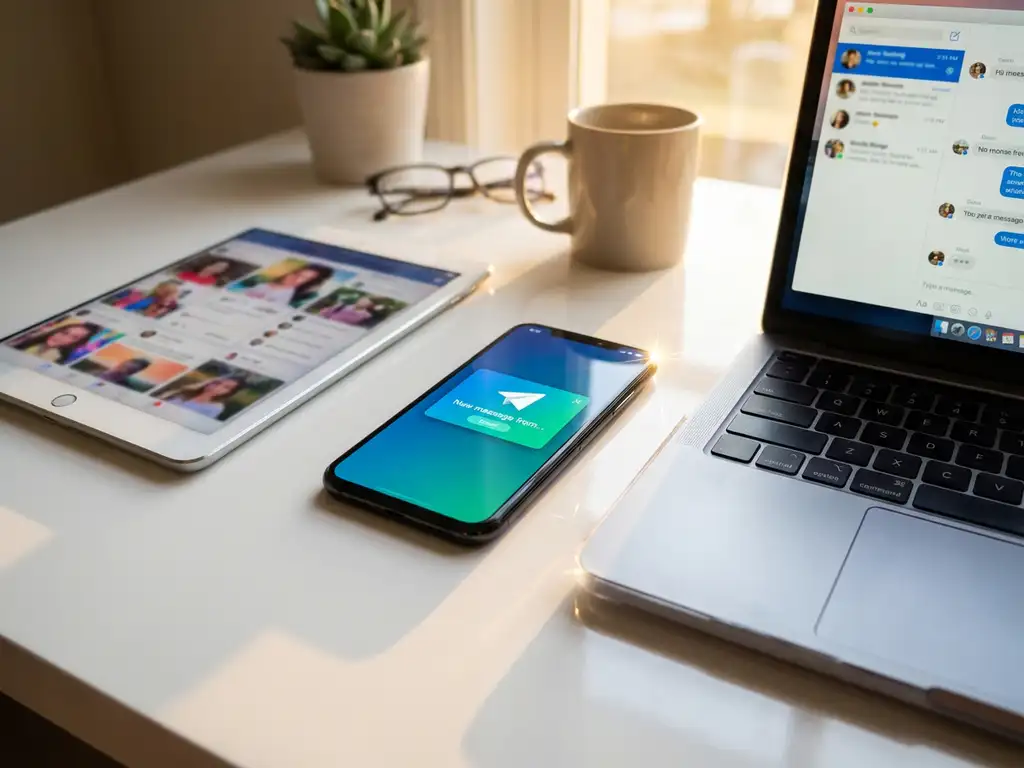
Modern customers interact with brands across multiple touchpoints before making a purchase decision. They might discover your brand through email, research it on your website, engage with it on social media, and complete their purchase via a mobile app. Cross-channel marketing automation connects these scattered interactions into cohesive, personalised customer experiences that drive real results.
This sophisticated approach to marketing automation ensures your messaging remains consistent and relevant, regardless of where customers encounter your brand. By orchestrating campaigns across email, SMS, social media, mobile apps, and web channels simultaneously, businesses can create seamless customer journeys that adapt in real time to individual behaviours and preferences.
What is cross-channel marketing automation exactly?
Cross-channel marketing automation is a strategic approach that uses technology to coordinate and execute personalised marketing campaigns across multiple communication channels simultaneously. It creates unified customer experiences by connecting email, SMS, social media, mobile push notifications, web personalisation, and other touchpoints through automated workflows.
The system operates by centralising customer data from all channels into a single platform, then using this unified view to trigger relevant messages at optimal moments across the customer journey. Unlike single-channel automation, cross-channel approaches recognise that customers move fluidly between different platforms and devices throughout their decision-making process.
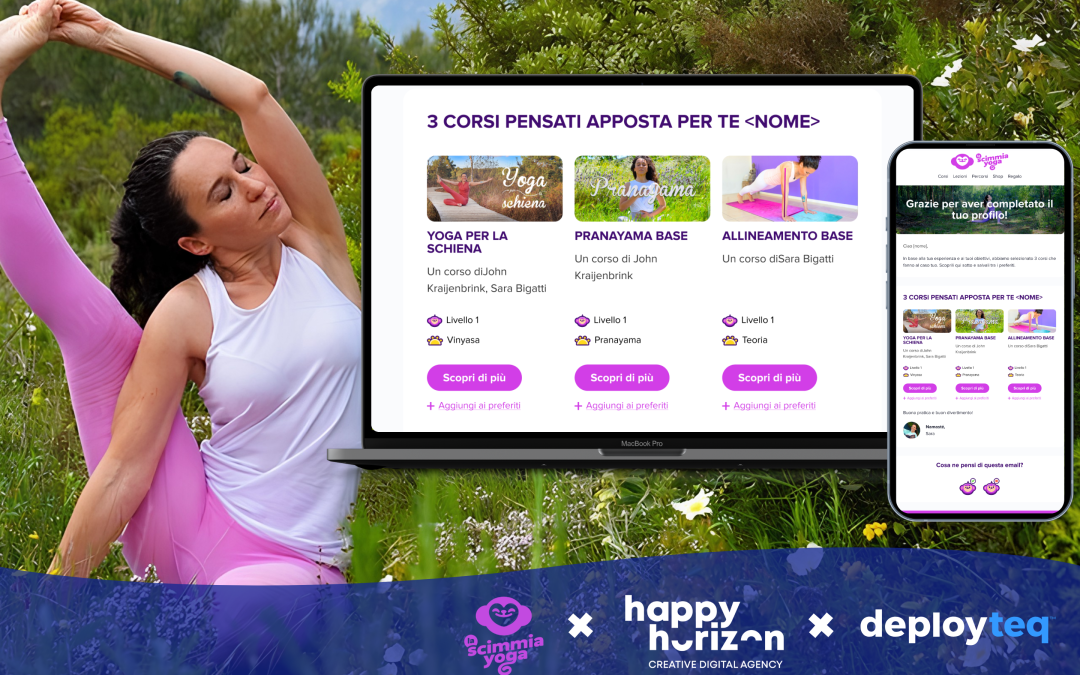
This automation strategy enables marketers to deliver consistent messaging while adapting content and timing to each channel’s unique characteristics. For instance, a customer who abandons their cart might receive an immediate SMS reminder, followed by a personalised email with product recommendations, and then see retargeted social media ads—all coordinated through one automated workflow.
How does cross-channel marketing automation work?
Cross-channel marketing automation works by integrating customer data from multiple touchpoints into a centralised platform that triggers coordinated campaigns based on real-time customer behaviours and predefined rules. The system monitors customer interactions across all channels and responds with personalised messaging through the most appropriate channels at optimal times.
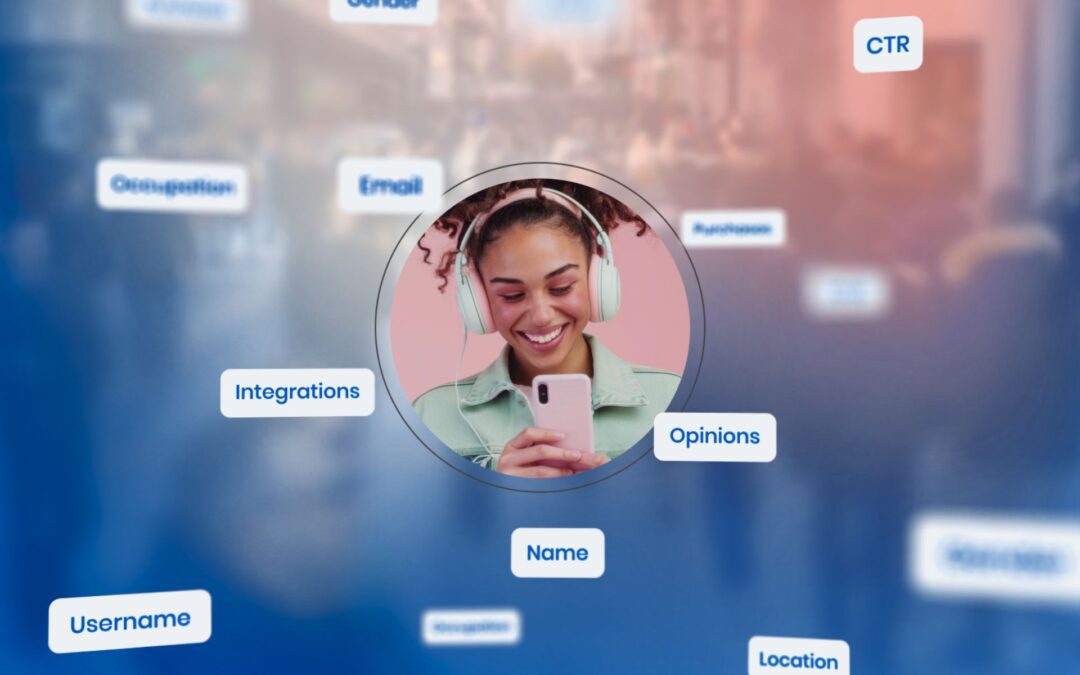
The process begins with data collection from various sources, including website visits, email opens, purchase history, social media engagement, and mobile app usage. This information feeds into a unified customer profile that tracks preferences, behaviours, and engagement patterns across all touchpoints.
Advanced segmentation algorithms then group customers based on shared characteristics, behaviours, or lifecycle stages. When specific triggers occur, such as a product view or an abandoned cart, the system automatically initiates coordinated responses across relevant channels. The automation continuously learns from customer responses, optimising message timing, channel selection, and content personalisation to improve campaign performance over time.
What’s the difference between cross-channel and omnichannel marketing?
Cross-channel marketing coordinates campaigns across multiple channels with consistent messaging, while omnichannel marketing creates fully integrated experiences in which channels work together seamlessly and customers can switch between them without friction. Cross-channel focuses on message coordination, whereas omnichannel prioritises experience integration.
Cross-channel approaches typically maintain distinct channel strategies while ensuring messaging alignment. A customer might receive coordinated emails and SMS messages about a promotion, but each channel operates with its own metrics and customer journey paths. The focus remains on reaching customers through multiple touchpoints with consistent brand messaging.
Omnichannel marketing goes deeper by creating unified customer experiences in which interactions on one channel directly influence and enhance experiences on others. For example, a customer’s mobile app browsing history would immediately personalise their website experience, and their in-store purchases would trigger relevant email content. The channels become interconnected parts of a single, fluid customer experience rather than parallel communication streams.
Why do businesses need cross-channel marketing automation?
Businesses need cross-channel marketing automation because modern customers use an average of three to five different channels before making purchase decisions, and manual coordination across these touchpoints is impossible at scale. Automated cross-channel campaigns generate significantly higher engagement rates and revenue compared to single-channel approaches.
Customer expectations have evolved beyond isolated channel interactions. They expect brands to remember their preferences and previous interactions, regardless of which platform they use. Without automation, delivering this level of personalisation across multiple channels requires enormous manual effort and often results in inconsistent experiences that damage customer trust.
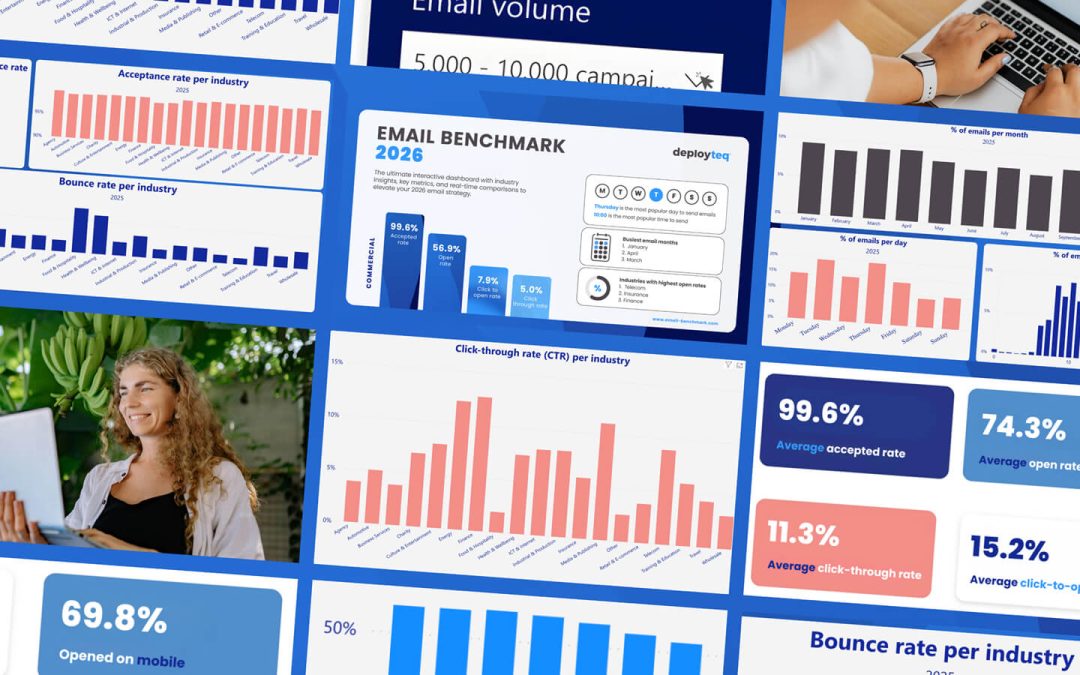
The business impact extends beyond customer satisfaction to measurable performance improvements. Cross-channel campaigns typically achieve higher open rates, click-through rates, and conversion rates because they reach customers through their preferred channels at optimal moments. Additionally, the comprehensive customer view enabled by cross-channel automation provides valuable insights for strategic decision-making and product development.
How do you implement cross-channel marketing automation?
Implementing cross-channel marketing automation starts with selecting a platform that integrates all your existing marketing channels and customer data sources. Begin by mapping your current customer journey, identifying key touchpoints, and defining the automated workflows that will connect these interactions into cohesive experiences.
The implementation process requires several key steps. First, audit your current data sources and ensure clean, consistent customer information across all systems. Next, establish clear customer segments based on behaviours, preferences, and lifecycle stages. Then design automated workflows that respond to specific triggers with appropriate messages across relevant channels.
Technical integration comes next, connecting your email marketing platform, SMS systems, social media accounts, and website tracking into your chosen automation platform. Start with simple workflows and gradually add complexity as your team becomes comfortable with the system. Regular testing and optimisation ensure your automated campaigns continue delivering strong results as customer behaviours evolve.
What channels work best together in automated campaigns?
Email and SMS create the most effective automated campaign combination because they offer complementary strengths: email provides rich content and detailed messaging, while SMS delivers immediate, high-open-rate communications. Web personalisation paired with email automation also performs exceptionally well by creating seamless online experiences.
The most successful channel combinations depend on your customer demographics and business model. Retail brands often find success combining email, SMS, and social media retargeting for abandoned-cart recovery campaigns. Travel companies frequently pair email nurture sequences with targeted social media ads and push notifications from mobile apps.
B2C companies typically see strong results from email-centric campaigns supported by SMS for urgent communications and web personalisation for enhanced online experiences. The key lies in understanding each channel’s strengths and using automation to orchestrate them strategically rather than simply broadcasting the same message across all platforms.
How Deployteq helps with cross-channel marketing automation
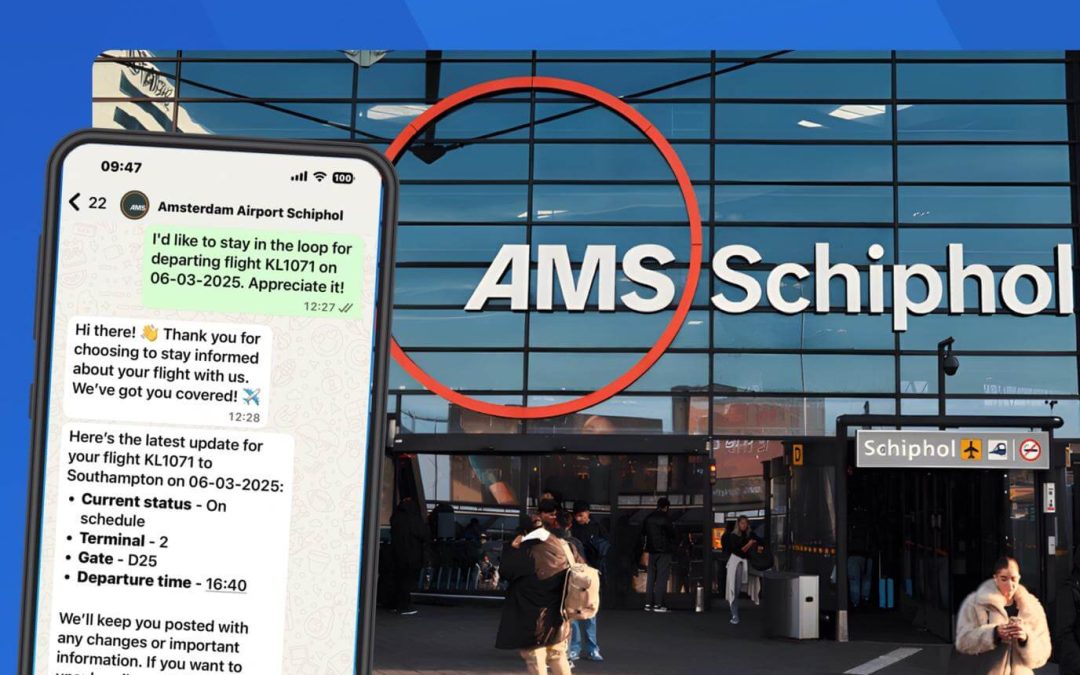
We provide a comprehensive marketing automation platform that seamlessly connects email, SMS, WhatsApp, push notifications, and web personalisation into unified customer experiences. Our newly launched Customer Data Platform consolidates all customer touchpoints into actionable insights that power intelligent automated campaigns.
Our platform offers several key advantages for cross-channel automation:
- Advanced segmentation capabilities that create real-time, highly personalised customer segments across all channels
- A flexible journey builder that gives you complete freedom when designing complex customer workflows
- Intelligent modelling, including RFM analysis, next-best-offer recommendations, and predictive insights
- Superior email templates and deliverability, combined with robust SMS and push notification capabilities
Ready to transform your marketing automation strategy? Book a demo to see how our cross-channel automation platform can help you create seamless customer experiences that drive measurable results across every touchpoint.