Marketing automation workflows are the backbone of modern customer engagement, transforming how businesses connect with their audiences across multiple touchpoints. These automated sequences guide customers through personalised experiences, from initial awareness to long-term loyalty, without requiring constant manual intervention.
Understanding the distinction between workflows and customer journeys, along with best practices for implementation, can dramatically improve your marketing efficiency and customer satisfaction. Let’s explore how these powerful automation tools work and how to leverage them effectively.
What are marketing automation workflows, and how do they work?
Marketing automation workflows are predefined sequences of marketing actions that execute automatically based on specific triggers, conditions, or customer behaviours. They operate by monitoring customer data and interactions, then delivering targeted messages or experiences through email, SMS, push notifications, or other channels when predetermined criteria are met.
These workflows function through a trigger-action framework. A trigger might be a customer signing up for your newsletter, abandoning their shopping cart, or reaching a specific milestone in their customer lifecycle. Once activated, the workflow executes a series of automated actions: sending personalised emails, updating customer segments, or scheduling follow-up communications.
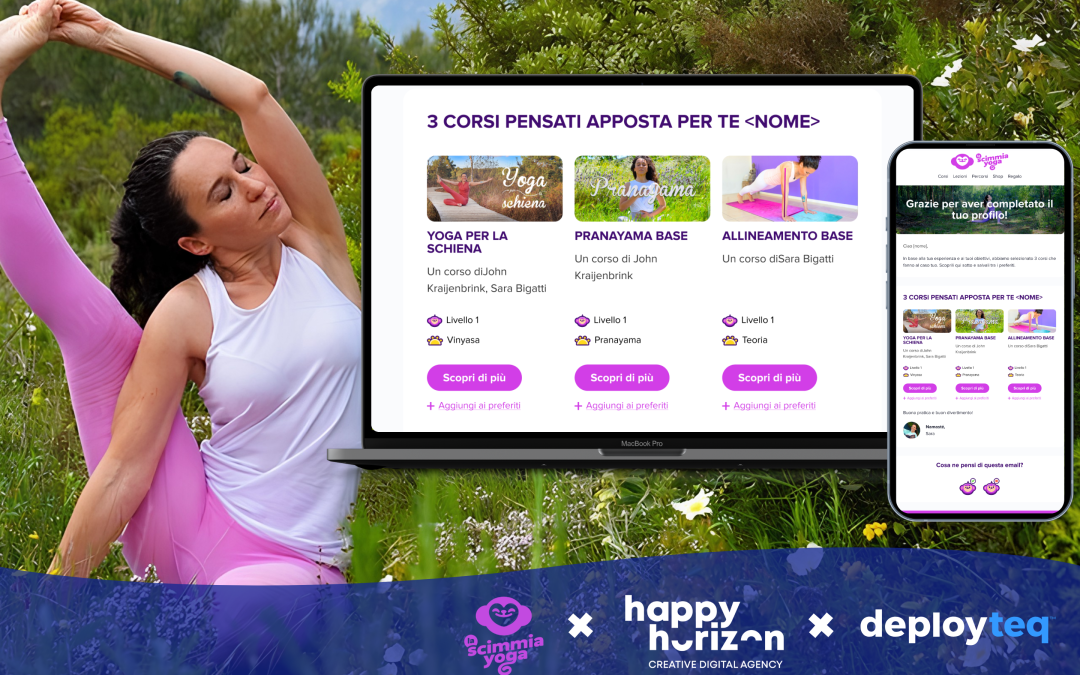
The power of workflows lies in their ability to scale personalised communication. Instead of manually sending individual messages, you can create sophisticated sequences that adapt to customer behaviour in real time. For instance, an e-commerce workflow might send a welcome email immediately after signup, followed by product recommendations based on browsing history, then a special discount if no purchase occurs within a week.
Advanced workflows incorporate conditional logic, allowing for branching paths based on customer responses or characteristics. This creates truly dynamic experiences where the automation adjusts based on engagement levels, purchase history, or demographic data.
What’s the difference between workflows and customer journeys?
Workflows are tactical, automated sequences focused on specific actions or campaigns, while customer journeys represent the complete, strategic experience a customer has with your brand across all touchpoints and lifecycle stages.
Think of workflows as individual building blocks and customer journeys as the complete architectural plan. A single customer journey might incorporate multiple workflows working together. For example, a retail customer journey could include separate workflows for onboarding, cart abandonment, post-purchase follow-up, and win-back campaigns, all coordinating to create a cohesive experience.
Workflows typically have defined start and end points with specific objectives, such as converting a lead or re-engaging inactive subscribers. Customer journeys, however, are ongoing and evolving, mapping the entire relationship from initial awareness through advocacy and beyond.
The scope also differs significantly. Workflows often focus on single channels or specific campaign goals, while customer journeys encompass cross-channel experiences, including email marketing, social media, website interactions, mobile apps, and offline touchpoints.
How do you create effective marketing automation workflows?
Creating effective workflows starts with clearly defining your objective and identifying the specific customer behaviour or milestone that will trigger the sequence. Begin by mapping out the desired customer action and working backwards to determine the optimal sequence of touchpoints.
Start with these essential steps:
- Define clear goals and success metrics for each workflow
- Identify your target audience and their specific needs or pain points
- Choose appropriate triggers based on meaningful customer behaviours
- Design message sequences that provide genuine value at each step
- Set up proper timing and frequency to avoid overwhelming recipients
Effective workflows require a robust data foundation. Ensure your customer data platform captures relevant behavioural and demographic information to enable precise targeting and personalisation. This includes tracking website interactions, purchase history, engagement patterns, and preference data.
Test extensively before full deployment. Start with small audience segments to validate messaging, timing, and conversion rates. Use A/B testing for subject lines, content variations, and send times to optimise performance before scaling to larger audiences.
What types of marketing workflows should businesses use?
Essential workflow types include welcome series, cart abandonment recovery, lead nurturing, re-engagement campaigns, and post-purchase follow-ups. The specific workflows you implement should align with your industry, customer lifecycle, and business objectives.
Welcome workflows are fundamental for any business collecting email addresses or new customer registrations. These sequences introduce your brand, set expectations, and guide new subscribers towards their first meaningful interaction or purchase.
E-commerce businesses benefit significantly from cart abandonment workflows, which can recover 10–15% of potentially lost sales. These sequences typically include reminder emails with product images, customer reviews, and often progressive incentives.
Lead nurturing workflows are crucial for B2B companies or businesses with longer sales cycles. These sequences provide educational content, case studies, and social proof to guide prospects through the decision-making process over weeks or months.
Re-engagement workflows help maintain list hygiene and win back inactive subscribers before they become completely disengaged. These campaigns often include special offers, content updates, or preference centres, allowing customers to modify their communication frequency.
How do you measure marketing automation workflow success?
Workflow success is measured through conversion rates, engagement metrics, revenue attribution, and customer lifecycle progression. Key performance indicators should align with your specific workflow objectives and overall business goals.
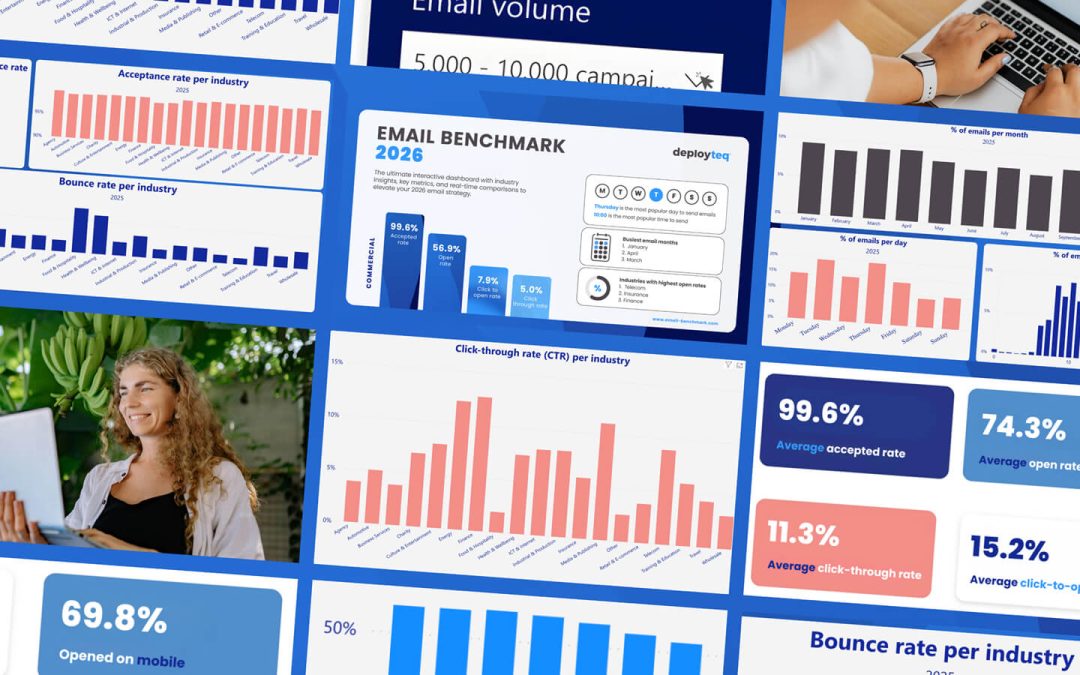
Primary metrics include open rates, click-through rates, conversion rates, and revenue per recipient. However, these surface-level metrics should be analysed alongside deeper engagement indicators such as time spent on landing pages, repeat purchase behaviour, and customer lifetime value impact.
Track workflow-specific conversions by monitoring how many recipients complete the desired action, whether that’s making a purchase, downloading content, or scheduling a consultation. Use unique tracking codes and UTM parameters to attribute revenue directly to specific workflow sequences.
Monitor customer progression through your sales funnel or customer lifecycle stages. Effective workflows should demonstrate clear advancement in customer engagement and relationship depth, not just immediate conversions.
Analyse timing and frequency optimisation by reviewing unsubscribe rates, spam complaints, and engagement patterns throughout the sequence. This data helps refine message cadence and content relevance for future workflow iterations.
How Deployteq helps with marketing automation workflows
We provide a comprehensive marketing automation platform that simplifies workflow creation while offering advanced functionality for complex customer journeys. Our versatile journey builder gives you complete freedom and flexibility in designing automated sequences that adapt to your specific business needs.
Key capabilities include:
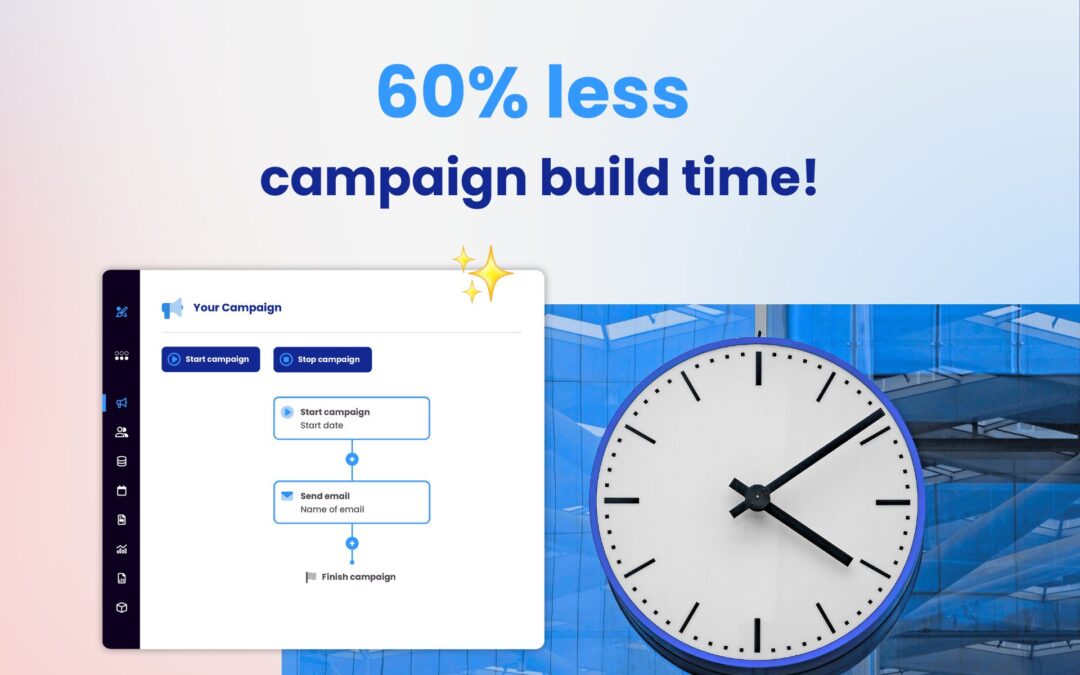
- Intuitive drag-and-drop workflow builder with advanced conditional logic
- Real-time customer segmentation for precise targeting and personalisation
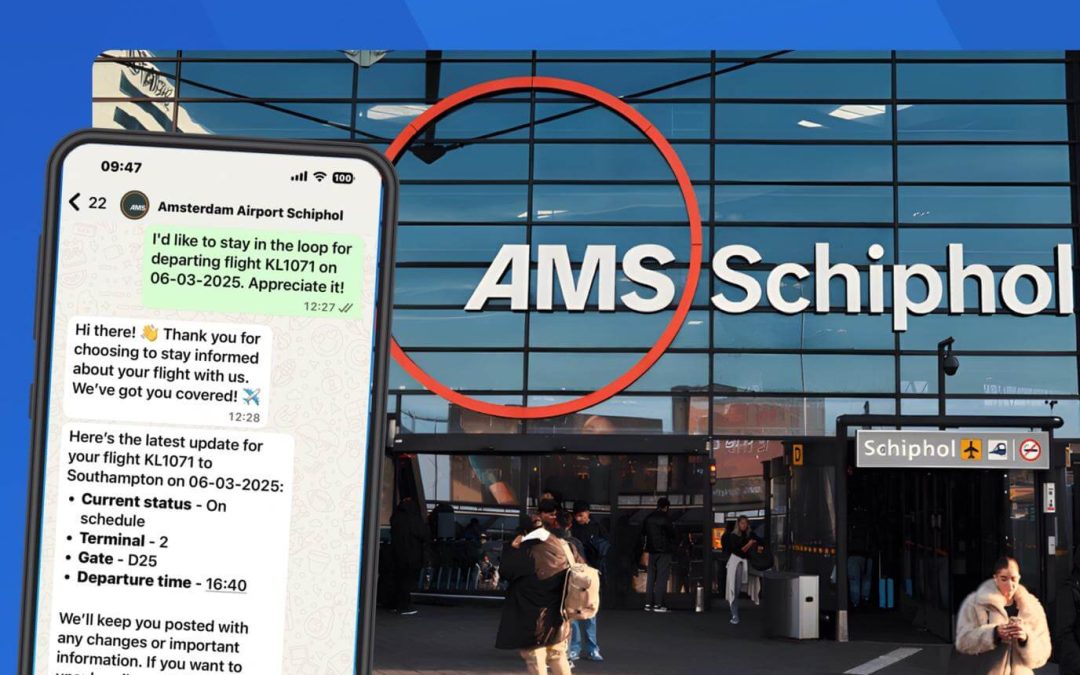
- Cross-channel automation supporting email, SMS, WhatsApp, push notifications, and web
- Integrated Customer Data Platform for unified customer profiles and behavioural tracking
- Advanced analytics and reporting for comprehensive workflow performance measurement
Our platform enables seamless integration of multiple workflows into cohesive customer journeys, ensuring consistent experiences across all touchpoints. Ready to transform your customer engagement with intelligent automation? Book a demo to see how our workflow capabilities can drive results for your business.