Managing subscription lifecycles effectively can make the difference between thriving recurring revenue and costly customer churn. Modern marketing automation platforms have transformed how businesses nurture subscribers from initial sign-up through renewal and beyond, creating seamless experiences that keep customers engaged at every stage.
Smart subscription lifecycle management leverages automated workflows, intelligent segmentation, and data-driven insights to deliver the right message at the perfect moment. This approach helps businesses maximize customer lifetime value while reducing the manual effort required to maintain healthy subscription relationships.
What is subscription lifecycle management in marketing automation?
Subscription lifecycle management in marketing automation is a systematic approach to nurturing customers through every stage of their subscription journey using automated workflows, personalized messaging, and data-driven triggers. This process covers onboarding, engagement, retention, renewal, and win-back campaigns.
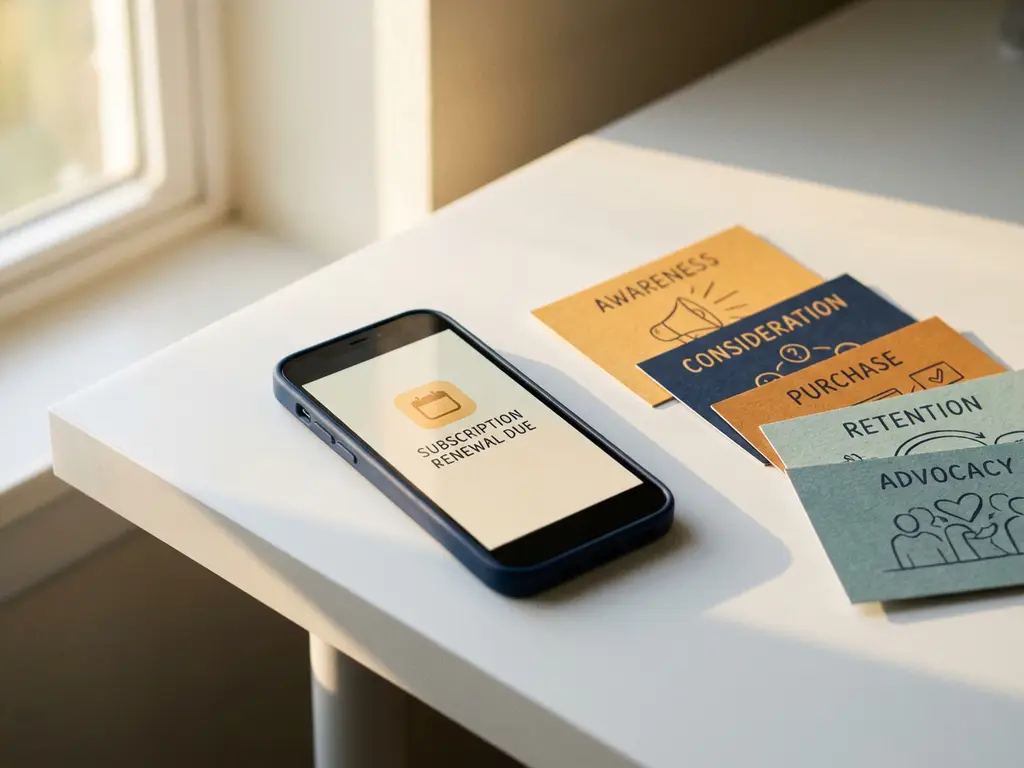
The subscription lifecycle typically includes five key stages: acquisition, onboarding, engagement, renewal, and churn prevention. Marketing automation platforms orchestrate targeted campaigns for each stage, ensuring subscribers receive relevant content based on their current position in the lifecycle. This automated approach enables businesses to scale personalized communication without manual intervention.
Effective lifecycle automation relies on customer data integration, behavioral tracking, and predictive analytics. By consolidating subscription data with engagement metrics, businesses can create sophisticated triggers that respond to customer actions in real time, delivering timely interventions that improve retention rates.
How does marketing automation track customer subscription stages?
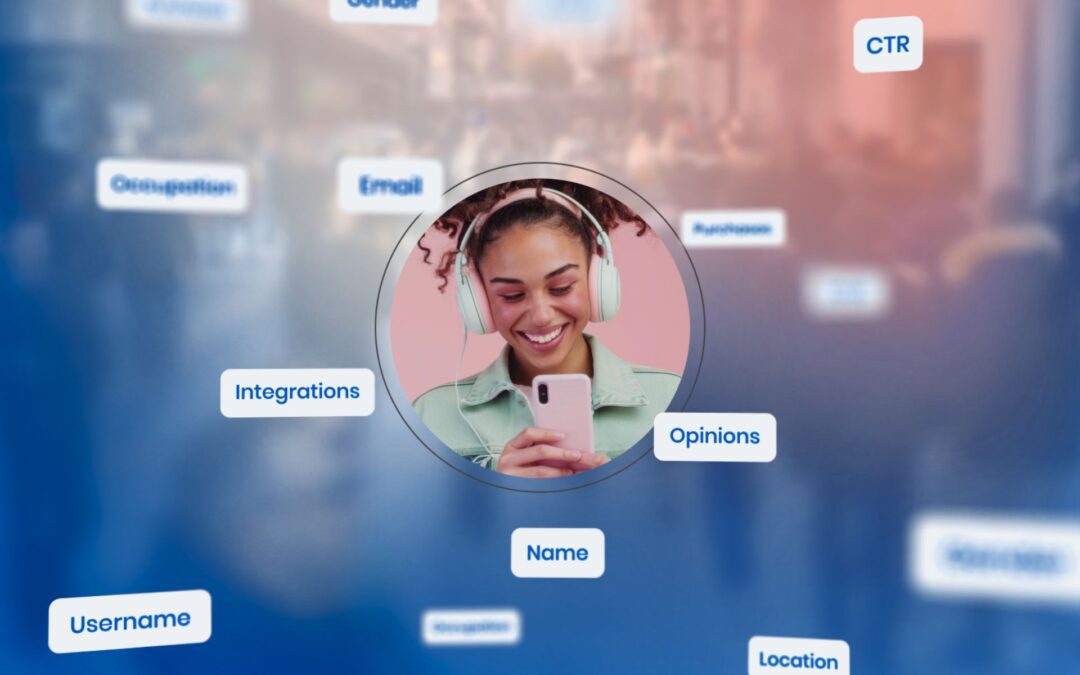
Marketing automation platforms track subscription stages through integrated data collection, behavioral monitoring, and automated tagging systems that update customer profiles in real time based on subscription status, engagement levels, and usage patterns.
The tracking process begins with data synchronization between subscription management systems and the marketing automation platform. This integration ensures that subscription status changes, payment confirmations, and usage data flow seamlessly into customer profiles. Advanced platforms use API connections to maintain real-time data accuracy.
Behavioral triggers play a crucial role in stage identification. The system monitors email engagement, product usage, support interactions, and payment history to determine where customers are in their lifecycle. For example, declining engagement rates combined with an approaching renewal date might trigger movement into a retention-focused segment.
Smart tagging and segmentation automatically categorize subscribers based on their current stage. These dynamic segments update continuously, ensuring customers receive stage-appropriate messaging without manual list management.
What automated workflows work best for subscription renewals?
The most effective automated renewal workflows combine early engagement campaigns, personalized value reminders, and strategic timing to reach subscribers 60–90 days before renewal with progressive messaging that intensifies as the renewal date approaches.
Successful renewal workflows typically follow a multi-touch sequence. The first touchpoint occurs 60–90 days before renewal, focusing on value demonstration and usage insights. This early engagement helps reinforce the subscription’s worth while there’s still time to increase engagement if needed.
Progressive reminder campaigns work best when they shift from value-focused to action-oriented messaging. Initial emails might highlight achievements, usage statistics, or new features, while later messages focus on renewal benefits and preventing potential loss. The final sequence should include clear renewal instructions and incentives for immediate action.
Personalization significantly improves renewal workflow performance. Advanced email marketing platforms can customize renewal campaigns based on usage patterns, subscription tier, or engagement history, creating more relevant and compelling renewal experiences.
How can marketing automation reduce subscription churn?
Marketing automation reduces subscription churn by identifying at-risk customers through predictive analytics, triggering immediate intervention campaigns, and delivering personalized re-engagement content before customers reach the cancellation point.
Churn prediction models analyze multiple data points, including usage frequency, engagement scores, support ticket volume, and payment history. When these indicators suggest increased churn risk, automated workflows immediately activate targeted retention campaigns. This proactive approach addresses issues before customers actively consider canceling.
Re-engagement campaigns work most effectively when they combine value reinforcement with problem-solving. Automated sequences might include personalized tutorials, exclusive content, or direct outreach from customer success teams. The key is addressing the underlying reasons for disengagement rather than simply offering discounts.
Win-back automation provides a final opportunity to retain departing customers. These workflows can trigger when cancellation requests are submitted, offering alternative solutions like plan downgrades, temporary pauses, or additional support resources. This last-chance intervention often recovers customers who might otherwise be lost permanently.
What metrics should you track for subscription lifecycle automation?
Essential subscription lifecycle automation metrics include customer lifetime value (CLV), churn rate by lifecycle stage, email engagement rates throughout the journey, conversion rates for renewal campaigns, and time to activation for new subscribers.
Lifecycle-specific metrics provide deeper insights into automation performance. Track onboarding completion rates, feature adoption timelines, and engagement progression to identify bottlenecks in the early subscription experience. These metrics help optimize workflows for better long-term retention.
Revenue metrics should focus on recurring revenue growth, renewal rates by segment, and the impact of automated campaigns on subscription upgrades. Customer data platforms can consolidate these metrics with engagement data for comprehensive lifecycle analysis.
Operational metrics like campaign delivery rates, automation trigger accuracy, and workflow completion rates ensure your lifecycle automation runs smoothly. Regular monitoring of these technical metrics prevents gaps in communication that could impact the customer experience.
How Deployteq helps with subscription lifecycle management
We provide comprehensive subscription lifecycle automation through our unified customer data platform and advanced journey builder, enabling businesses to create sophisticated, personalized subscription experiences across email, SMS, WhatsApp, and push notifications.
Our platform delivers powerful subscription lifecycle management capabilities:
- Real-time subscription data integration with intelligent customer profiling
- Advanced segmentation for precise lifecycle stage targeting
- Flexible journey builder for complex subscription workflows
- Predictive analytics, including RFM modeling and next-best-offer recommendations
- Cross-channel automation supporting email, SMS, mobile apps, and social media
Ready to transform your subscription lifecycle management? Book a personalized demo to see how our marketing automation platform can help you reduce churn, increase renewals, and maximize customer lifetime value.